Category Archives: Assignments

Week 5 – Dario Narvaez

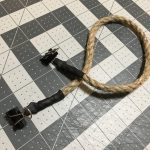
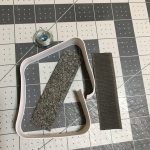
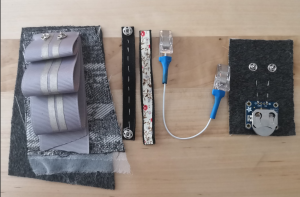
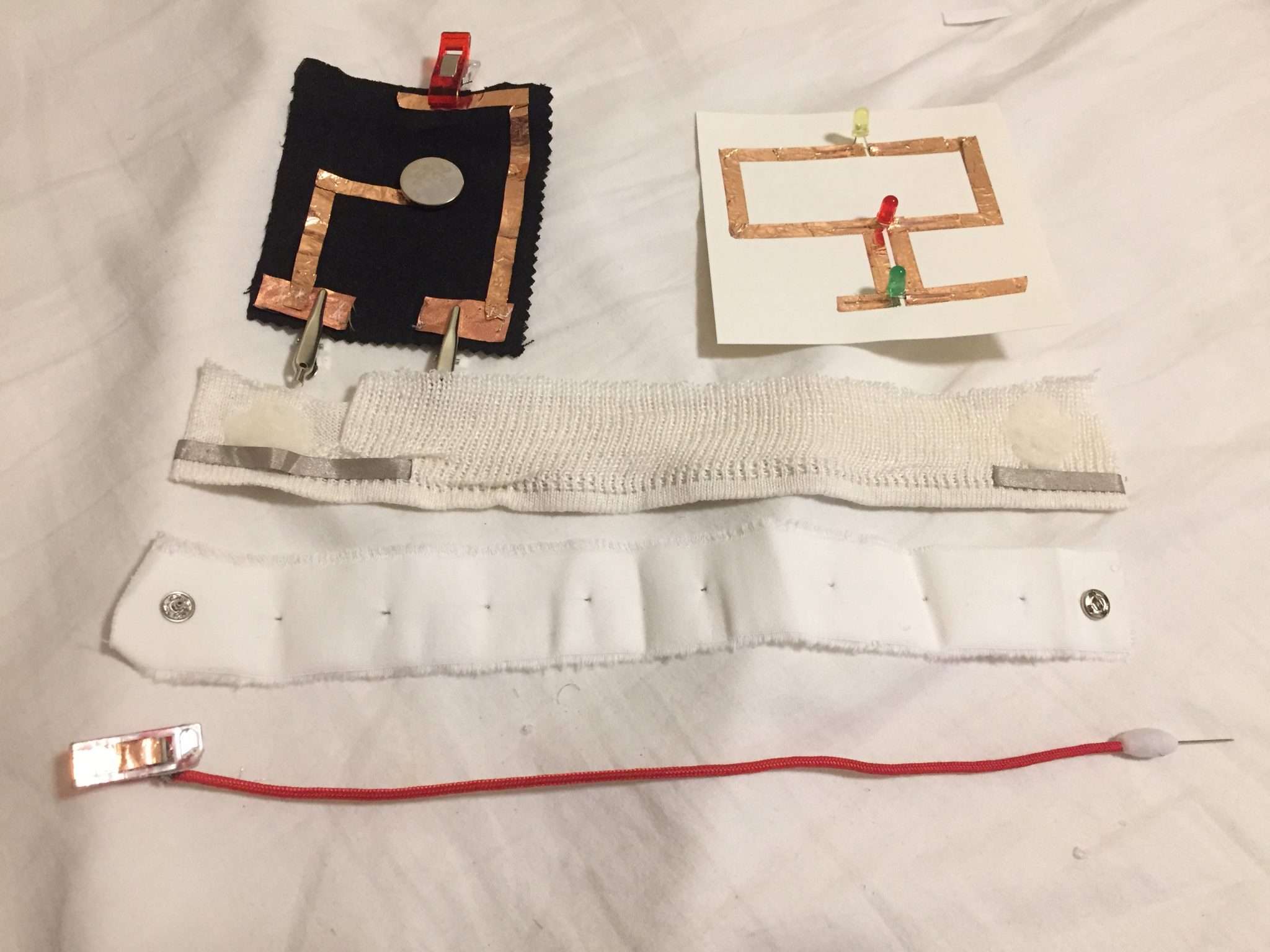
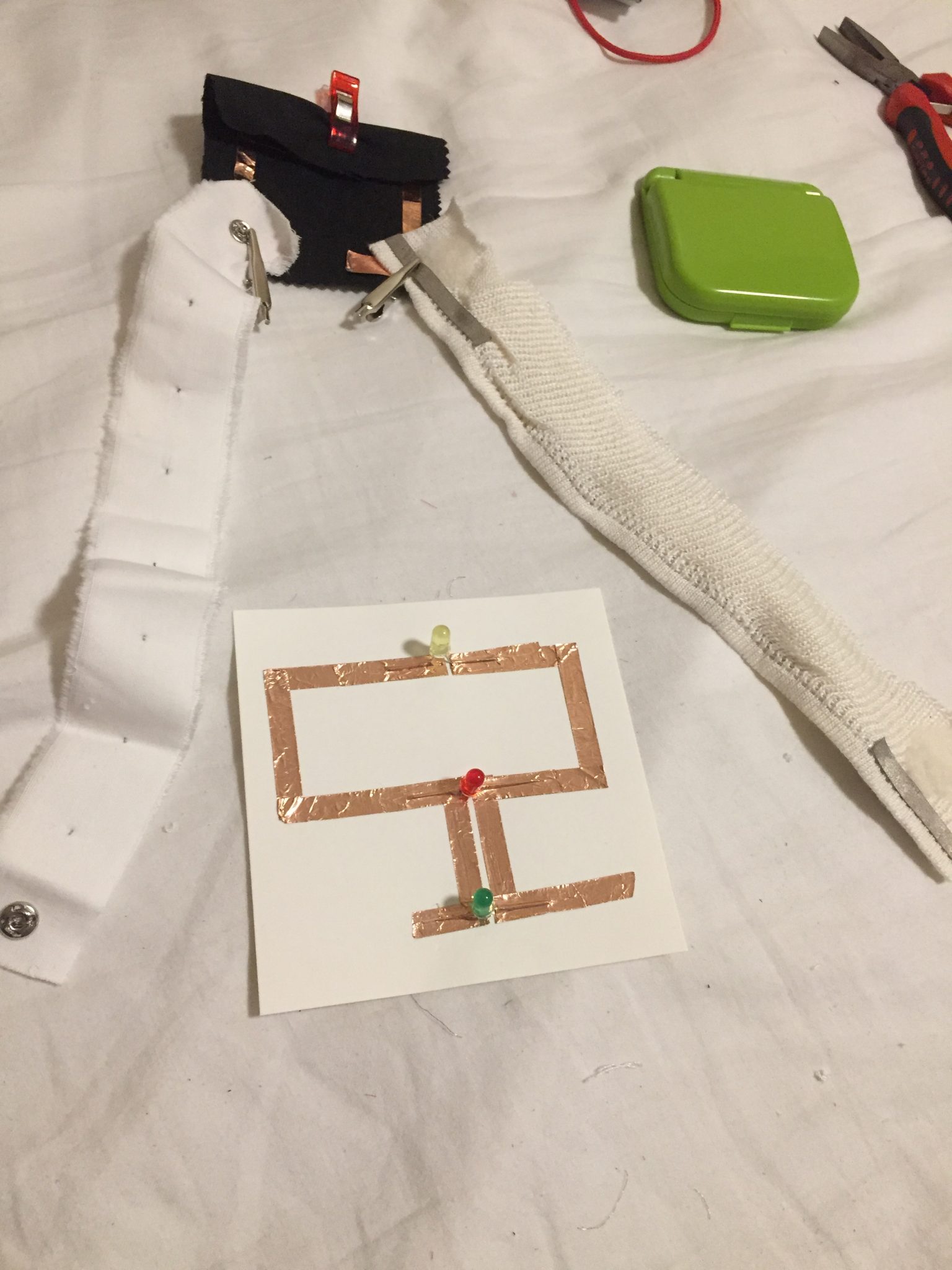
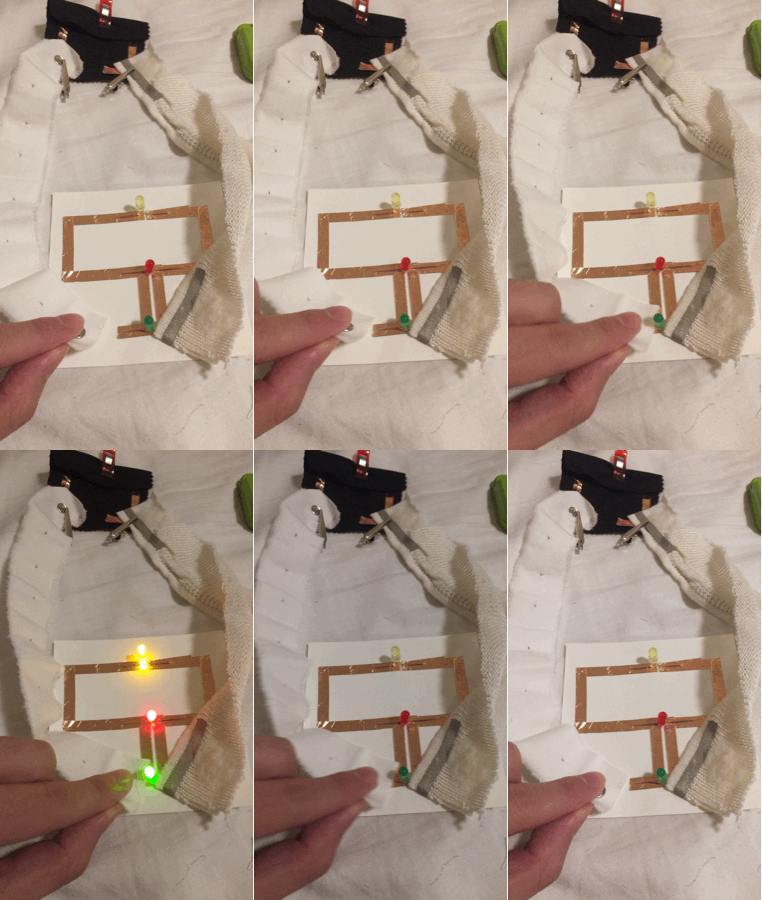
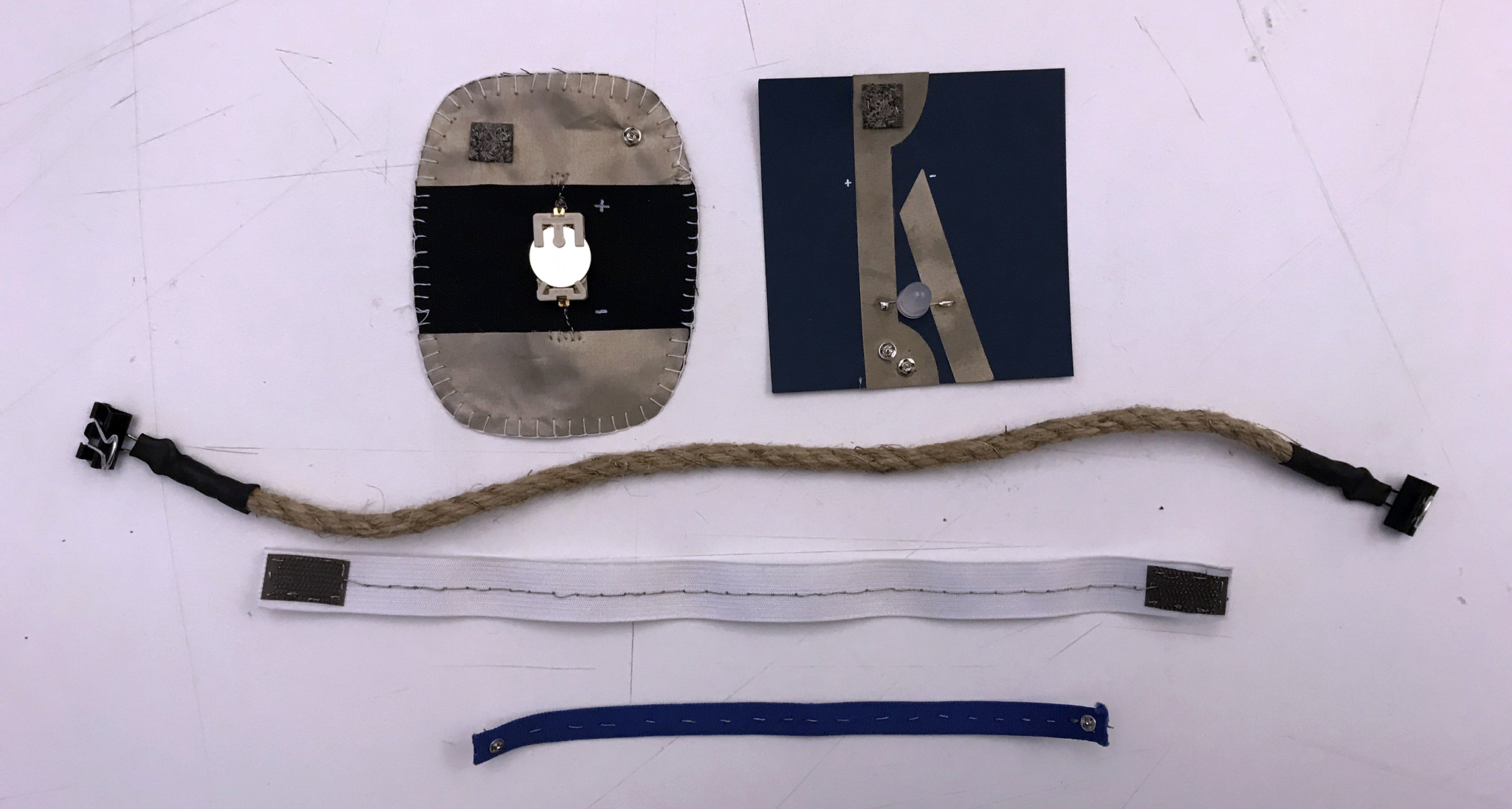
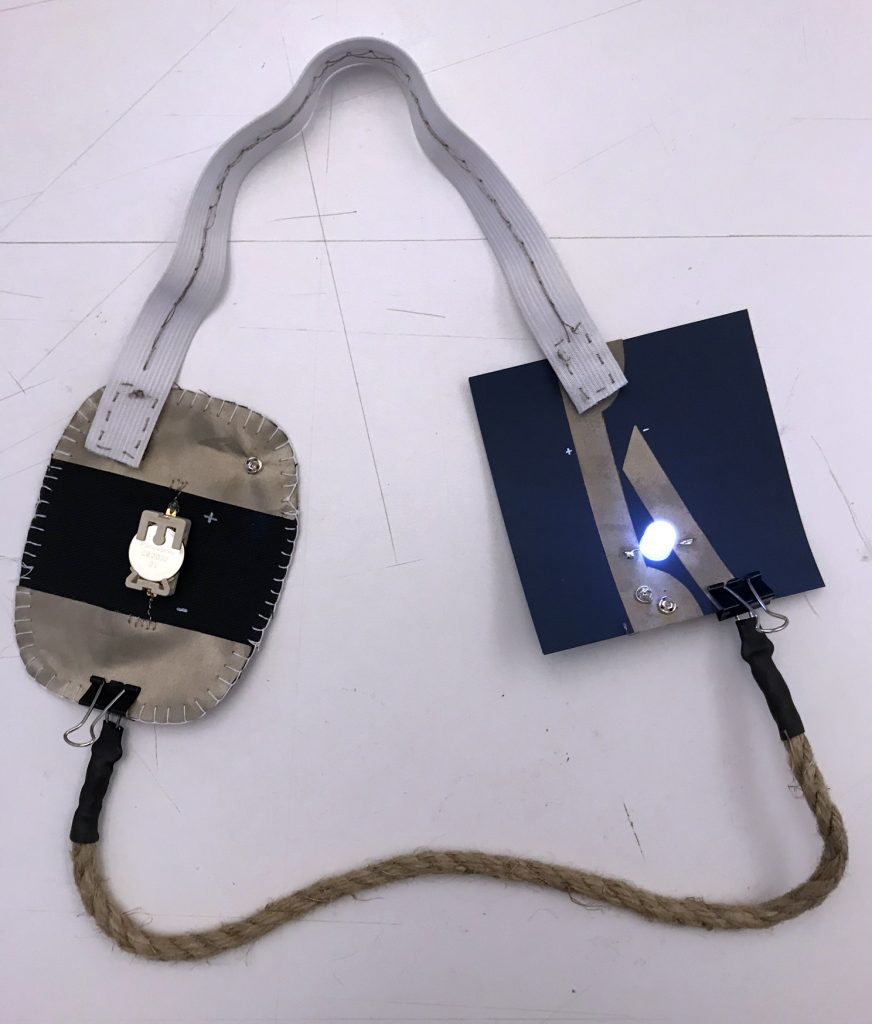
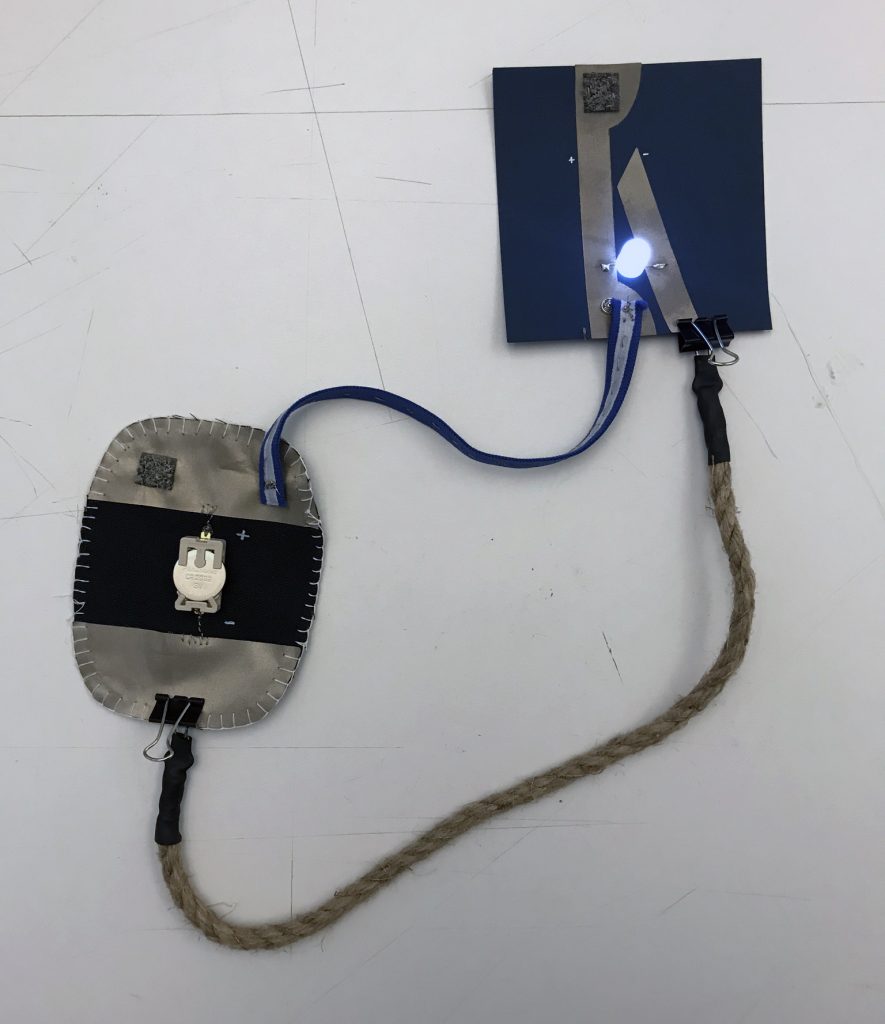
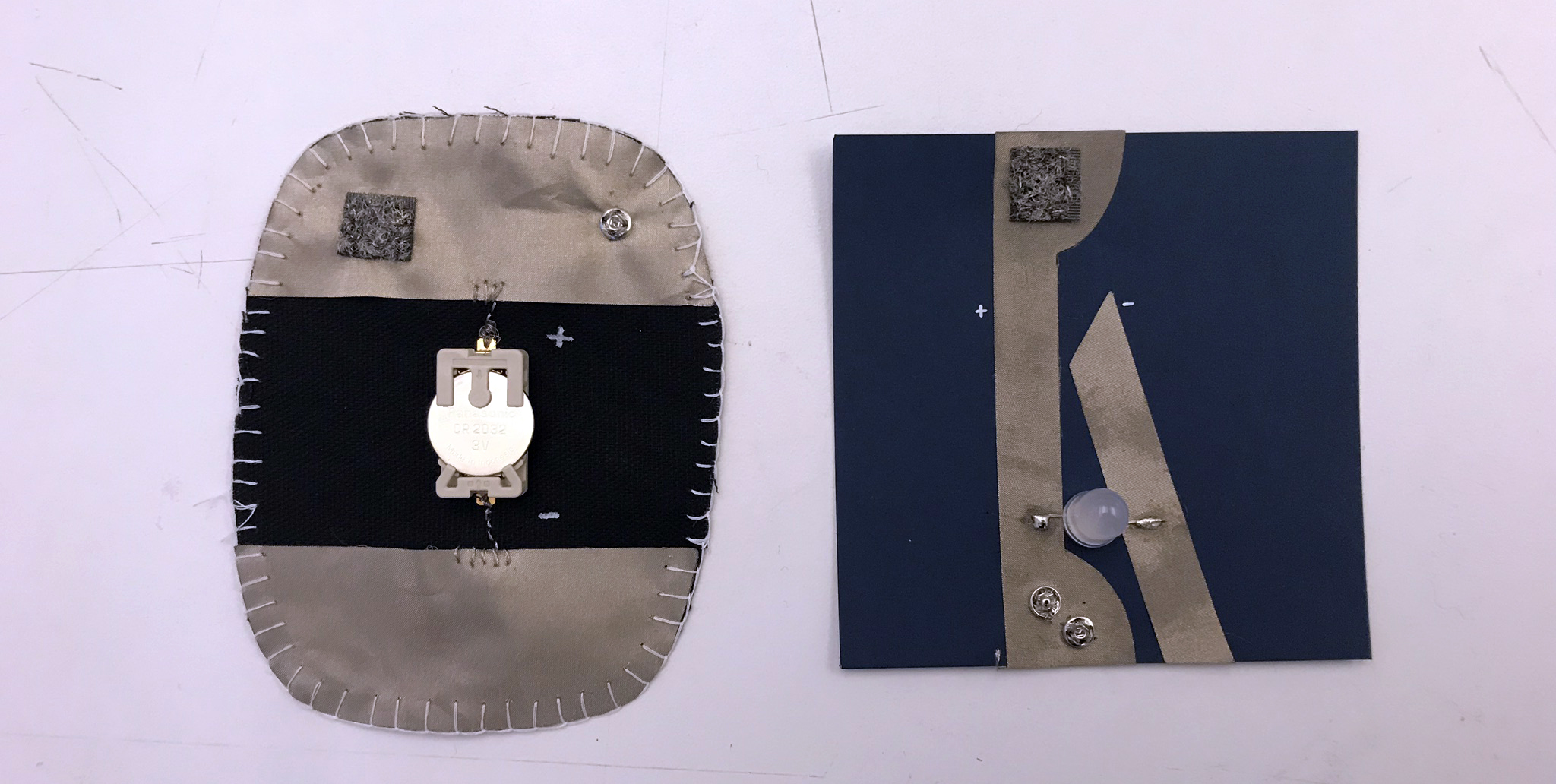
For this week I built 2 soft-circuits nodes made out of fabric and paper, as well as 3 connectors. These components explore the properties of different materials such as with woven conductive fabric, conductive Velcro, natural jute and sewable metal snaps.
Materials:

Fabric Node:

  • Regular Fabric. Piece of around 3inx3in
  • Woven Conductive Fabric
  • Sewable Metal Snaps
  • Conductive Velcro
  • Battery Holder
  • Conductive Thread

Paper Node:

  • Paper Square 3inx3in
  • Woven Conductive Fabric
  • Sewable Metal Snaps
  • Conductive Velcro
  • LED
  • Conductive Thread

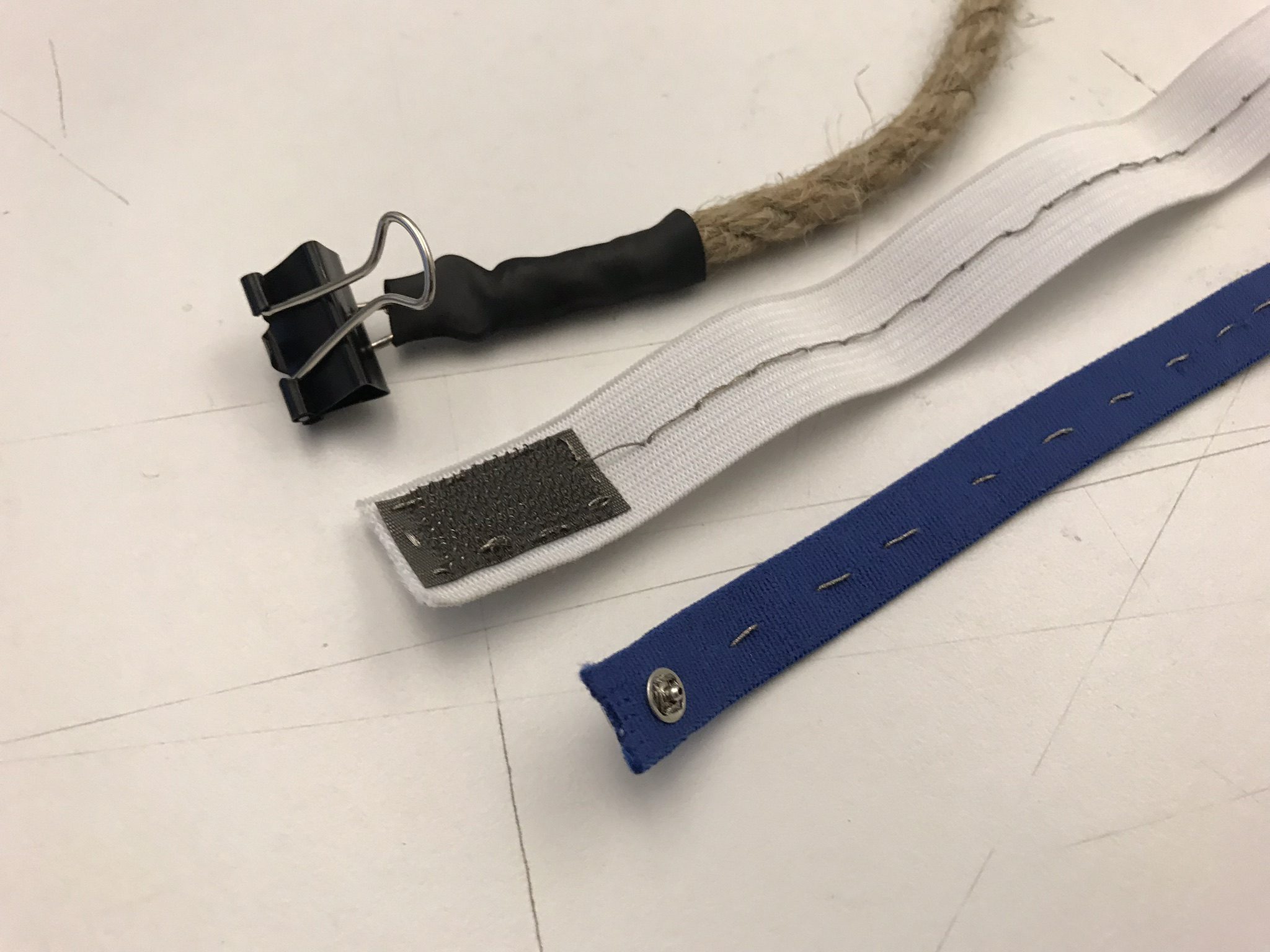
Connectors:

  • Fabric Straps
  • Natural Jute
  • Conductive Thread
  • Conductive Velcro
  • Sewable Metal Snaps

Construction Process:

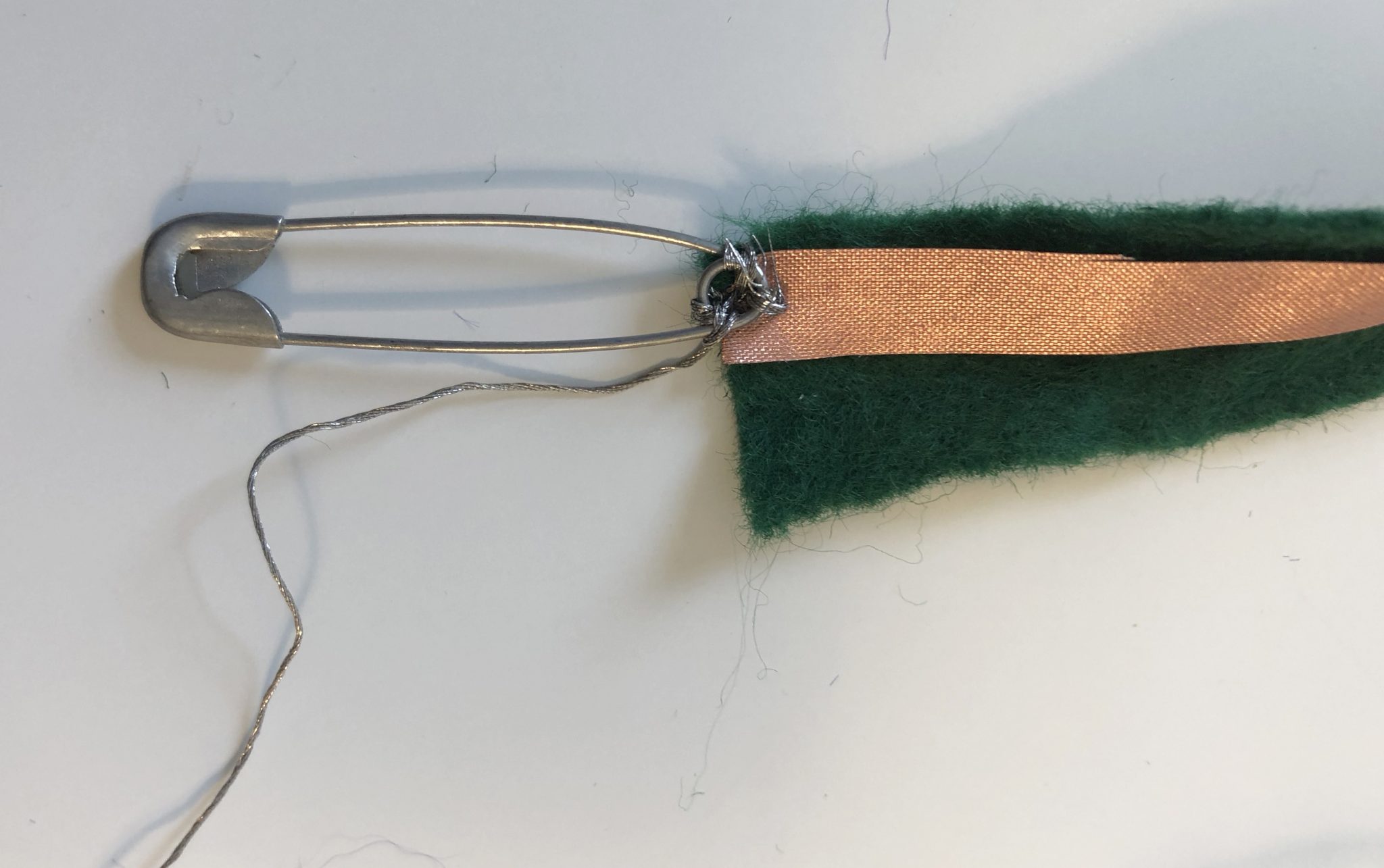
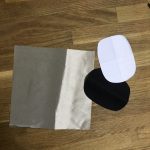
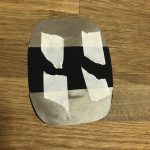
Sew all the components joining positive and ground nodes and areas, as well as the LED to the conductive fabric. The connectors were made by joining the snaps, the Velcro and the paper clip using conductive threat.
Important Note:

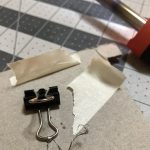
For the Paper Clip I connected the 2 silver components with conductive thread. The black part in the clip is NOT conductive. 

Idea of a Tool!

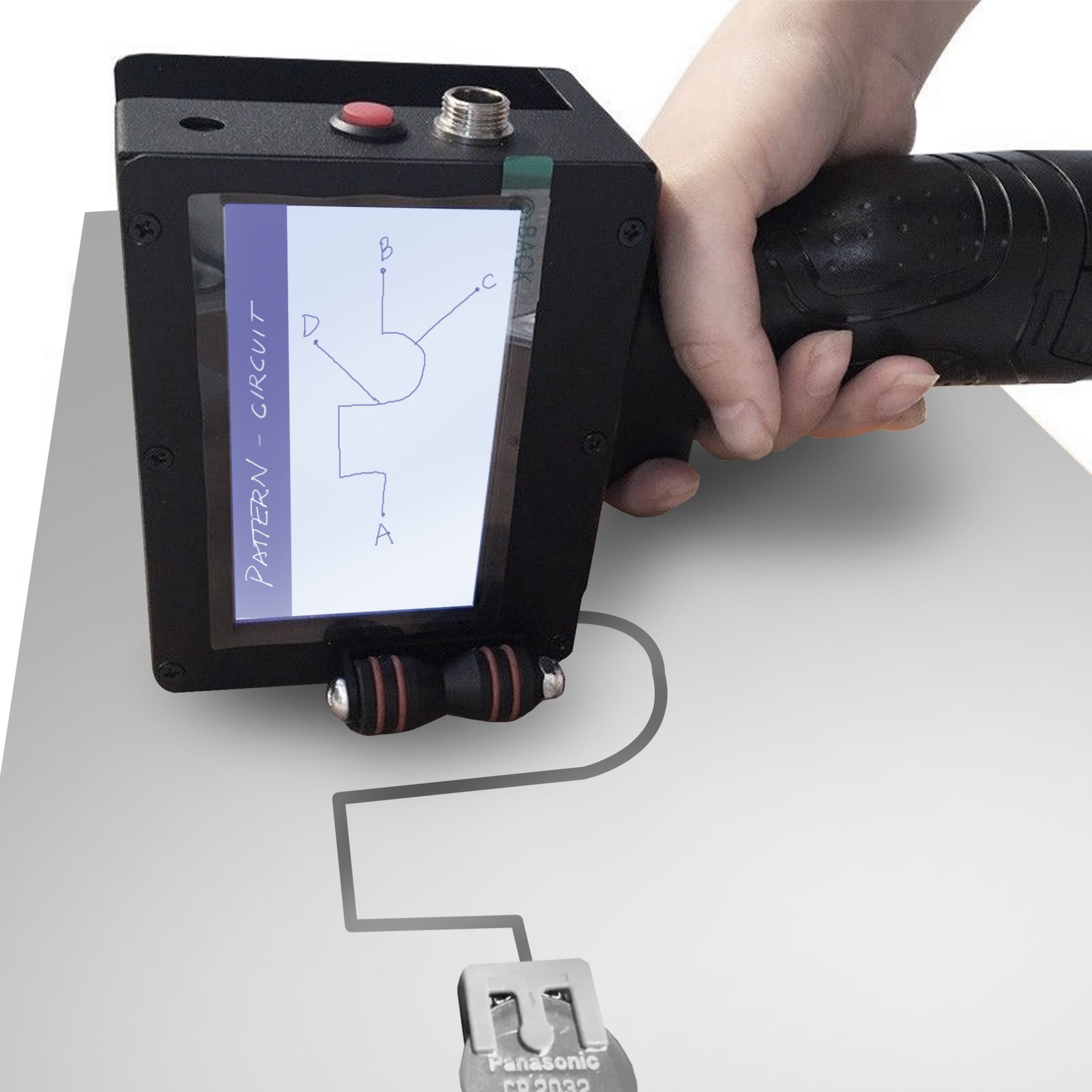
I’m thinking in a handheld printer (similar to the handheld inkjet printers), but where you can select the pattern (or upload your vector design, or predetermined lines, circles or geometric shapes), and  this pattern can be printed on paper or fabric , generating conductive pathways.
 

Week 5 – Carla

1. Nodes

When creating my nodes I wanted to experiment with different materials I’ve never used before. I wanted to have fun too, so I added some crazy ideas!

SWITCH

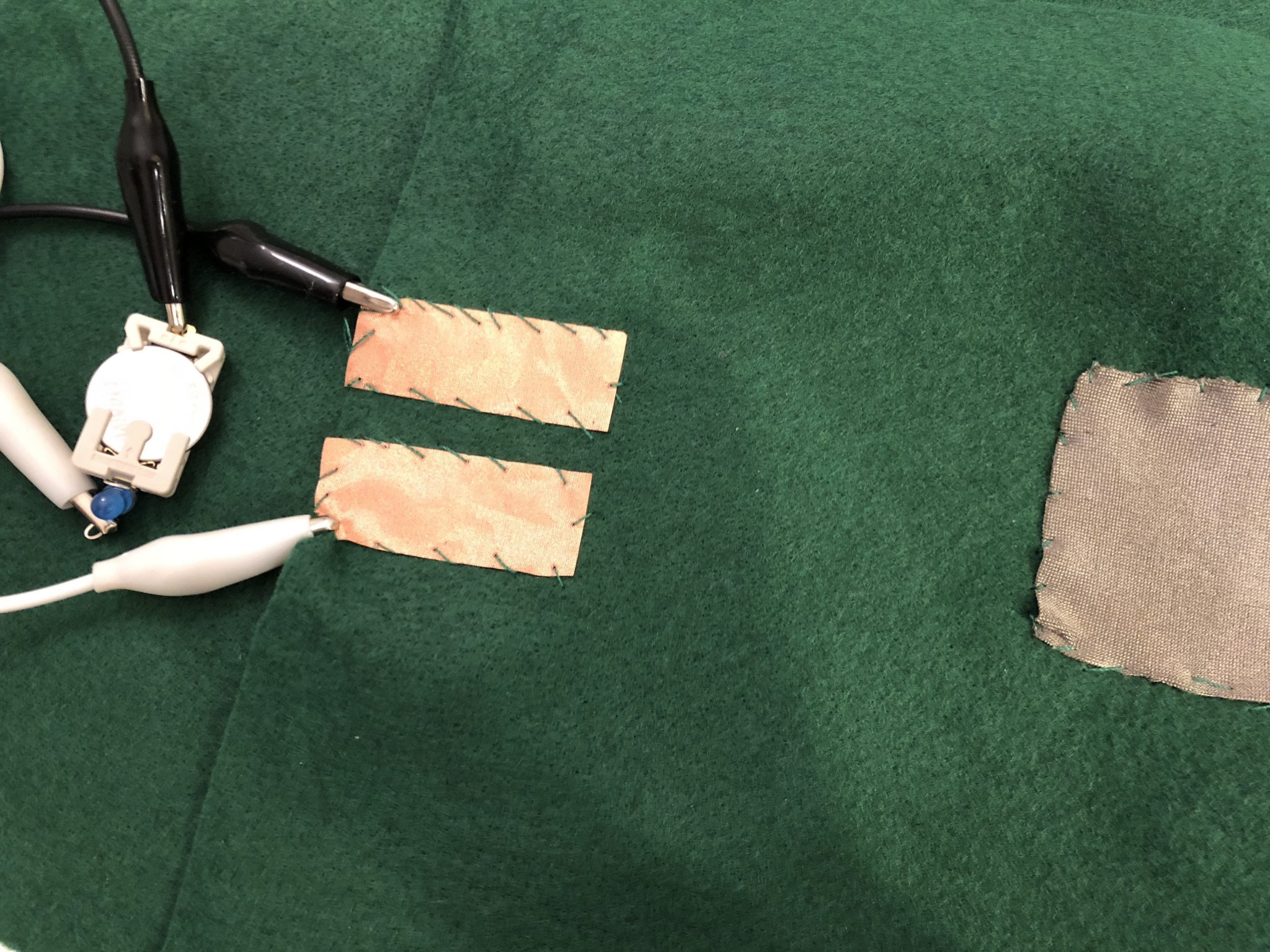
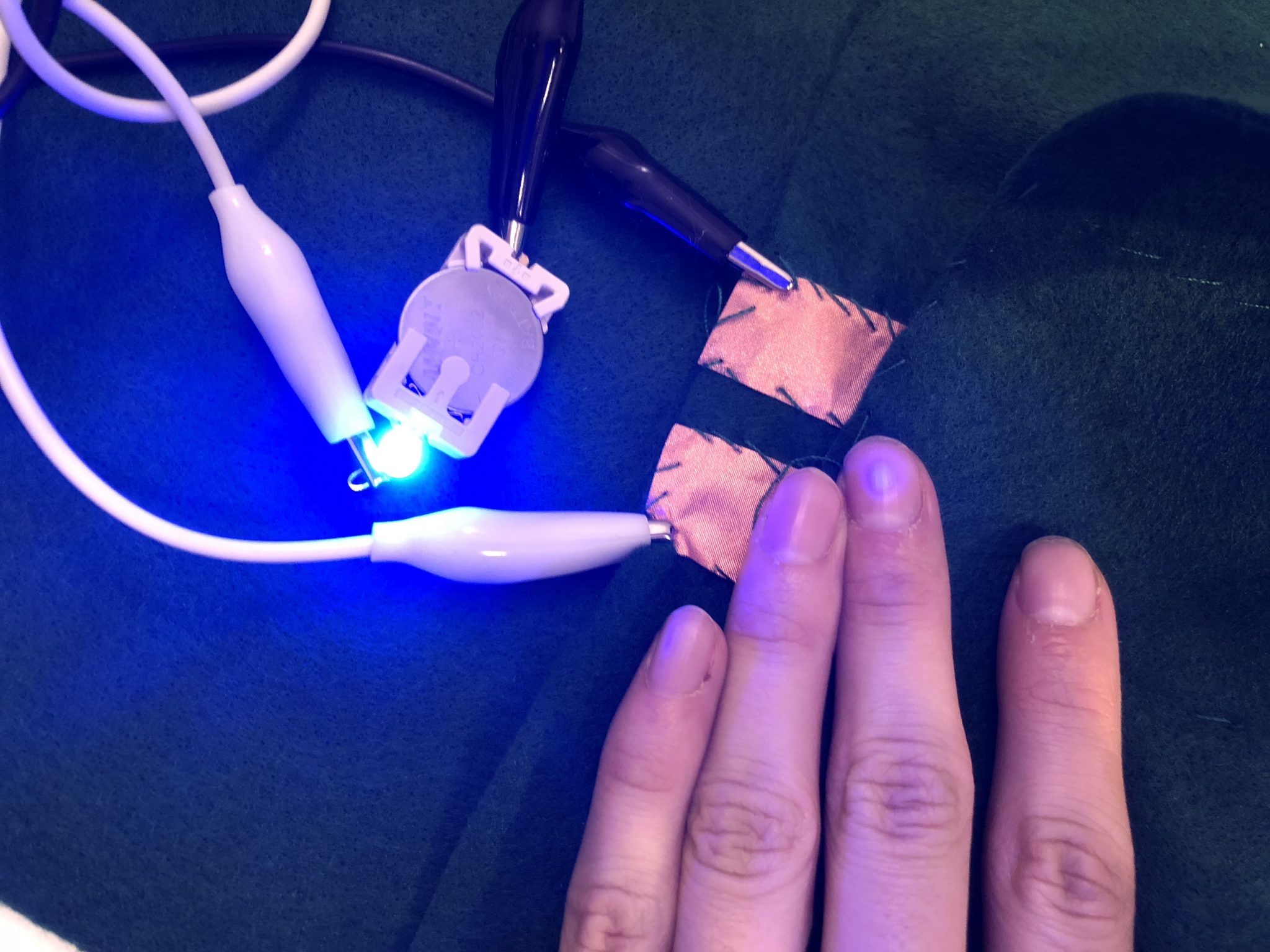
The first piece I used felt as a substrate and copper fabric and stretchy fabric for the different modules of the node. The switch is compound by two sides that need to be connected by folding the fabric to make the stretchy fabric connect the two small pieces of copper.


I wanted to test the switch and at the same time try a vibrating mini motor disc that fit nicely on the top of the pieces with copper tape.

LED

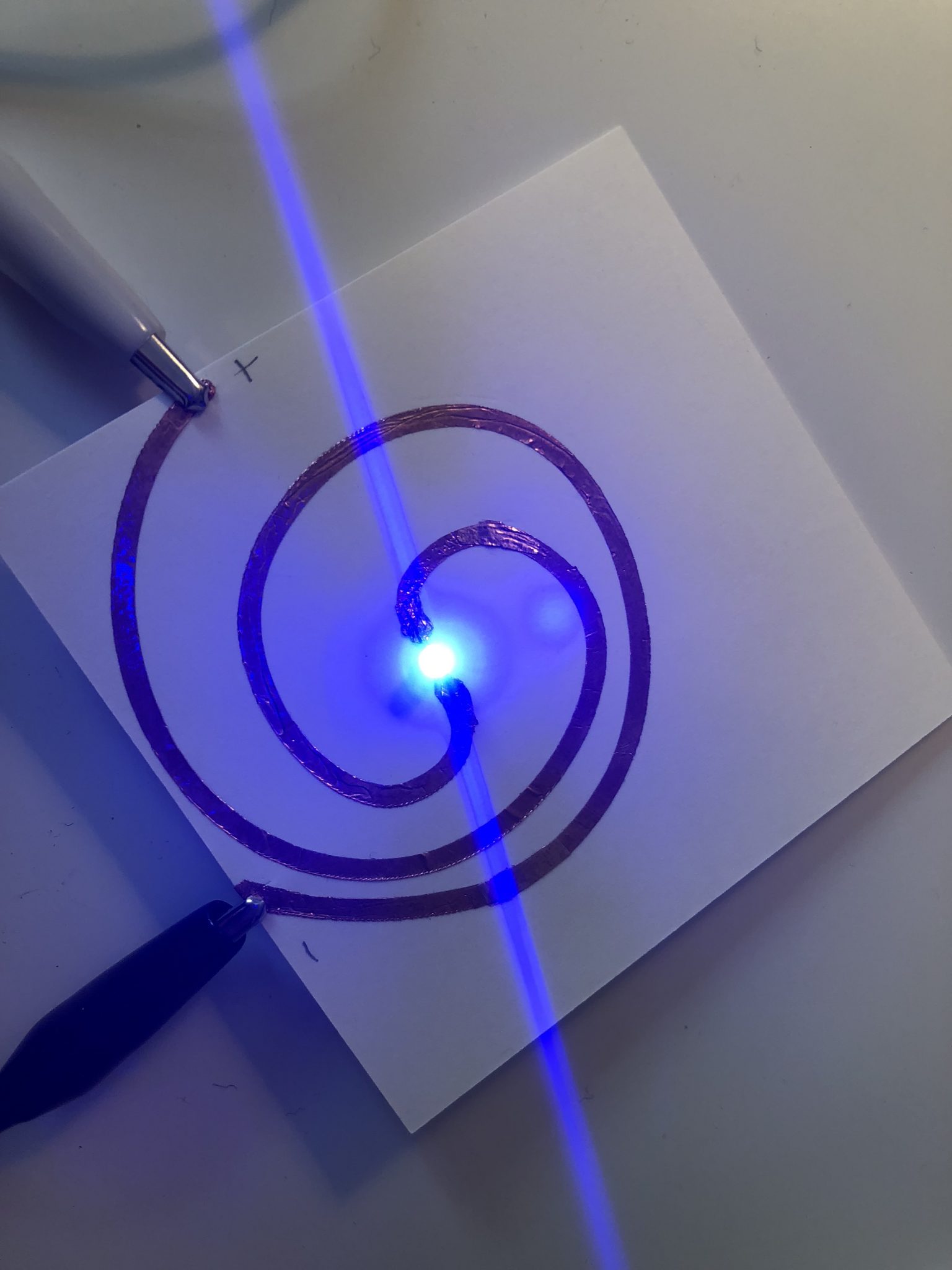
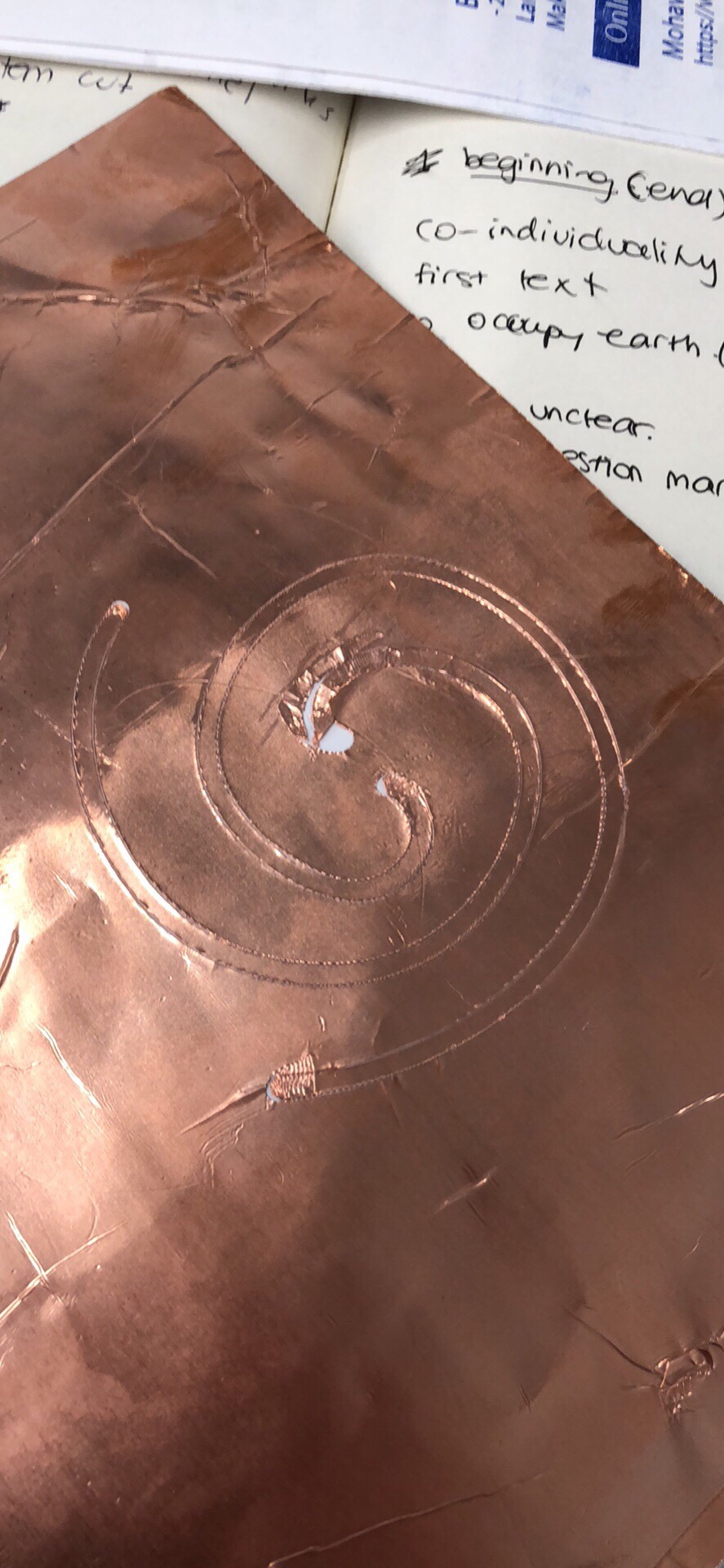
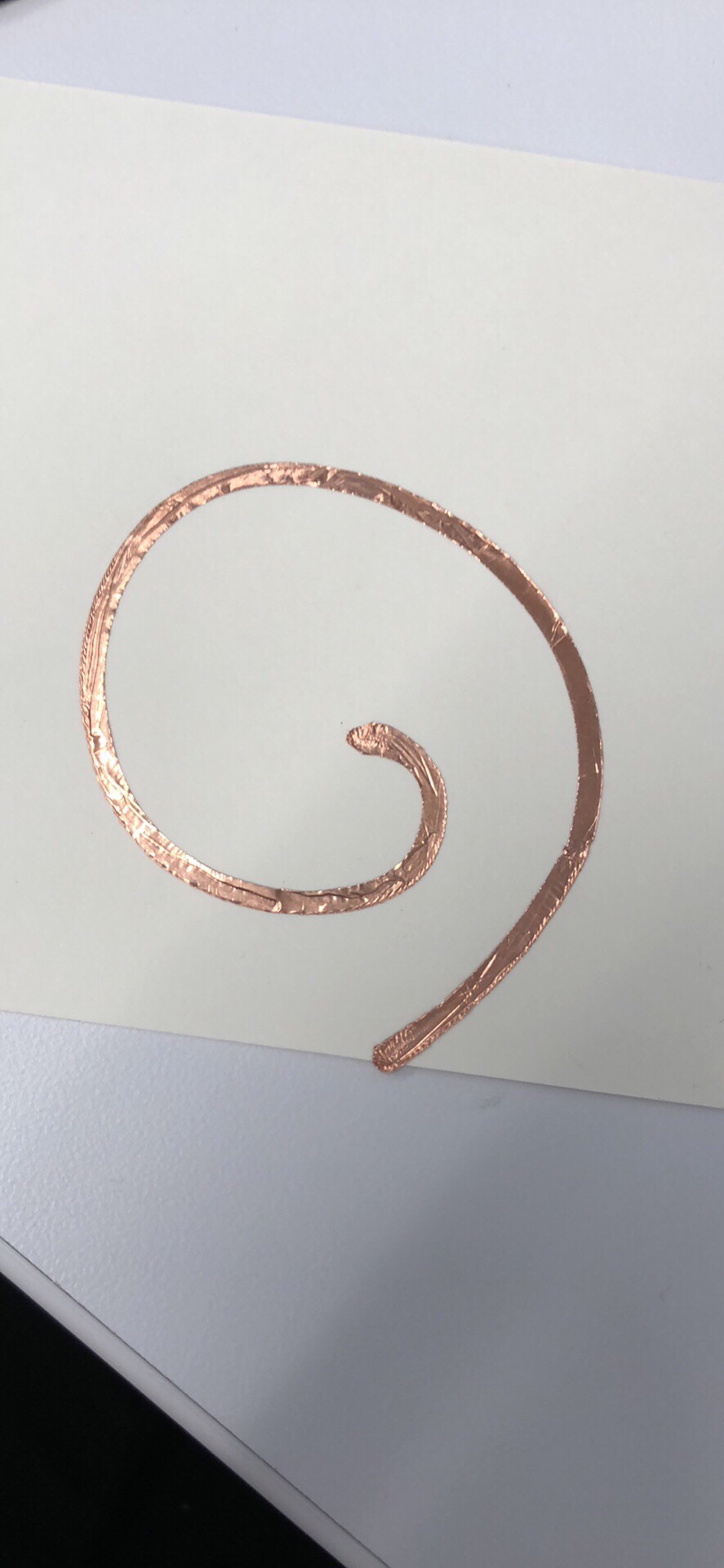
I created a coil using a piece of adhesive copper surface. I designed the shape using illustrator and I used a vinyl cutter to cut the desired shape and I transferred manually into a paper. I could user transfer paper because the circuit was very fragile.

Learning curve- machine defects

The material is really delicate and it requires a lot of care when manipulating. The Vinyl cutter that I used it had a damaged blade which created lots of tears on the material.  I had to manually transfer and fix with patches.

2. Connectors

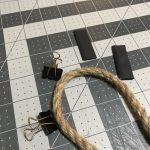
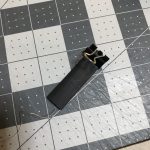
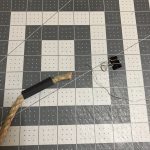
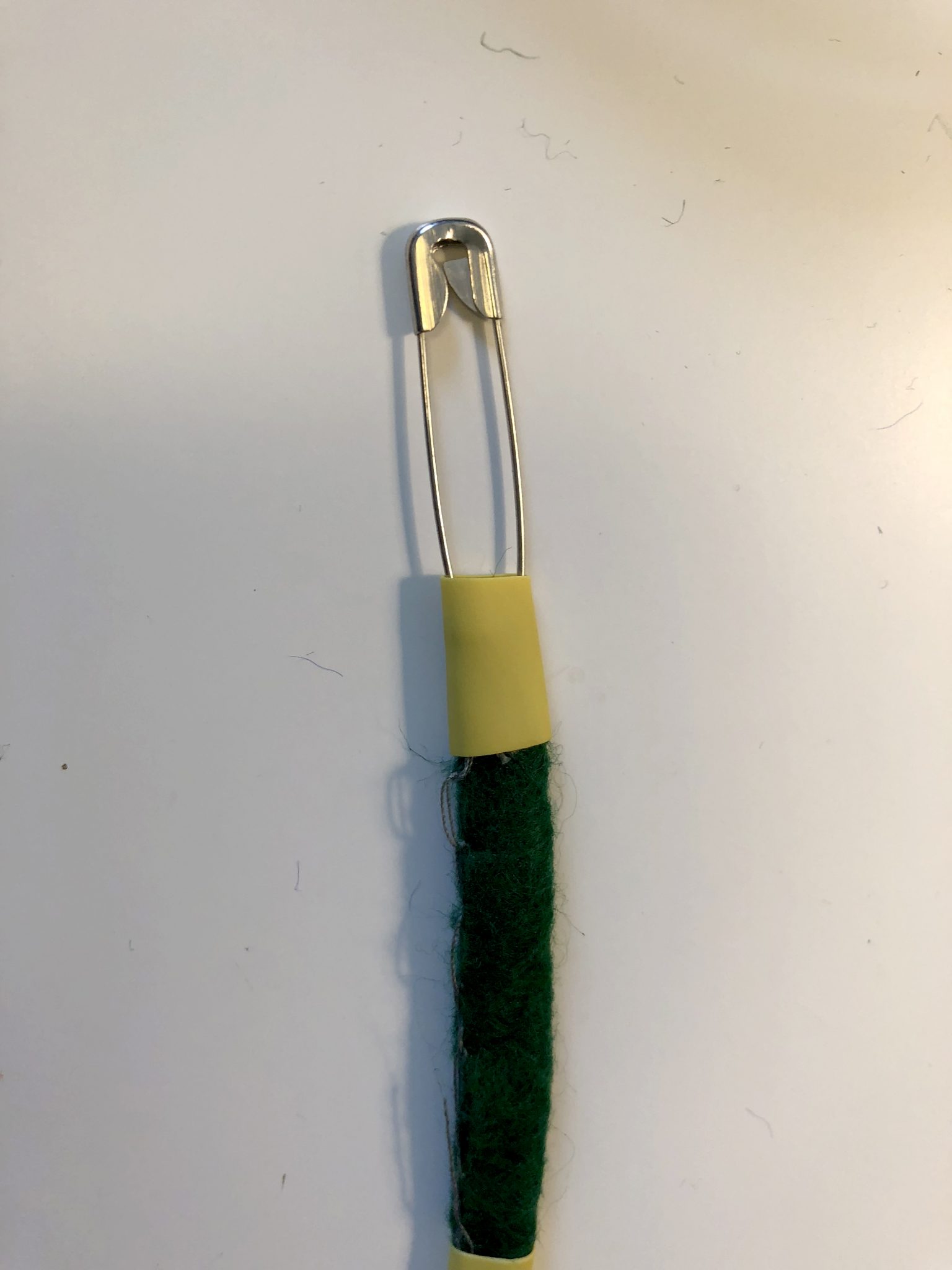
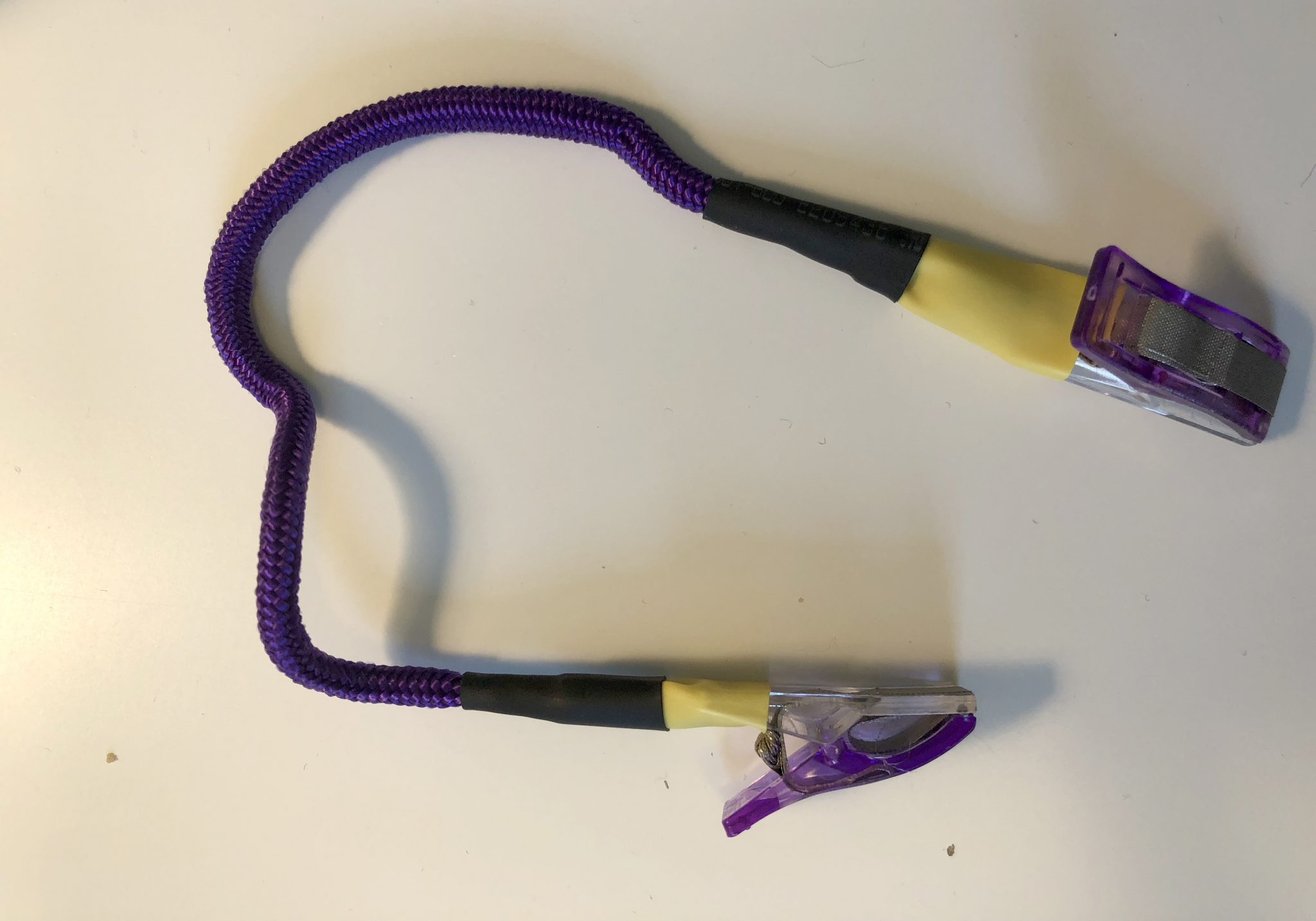
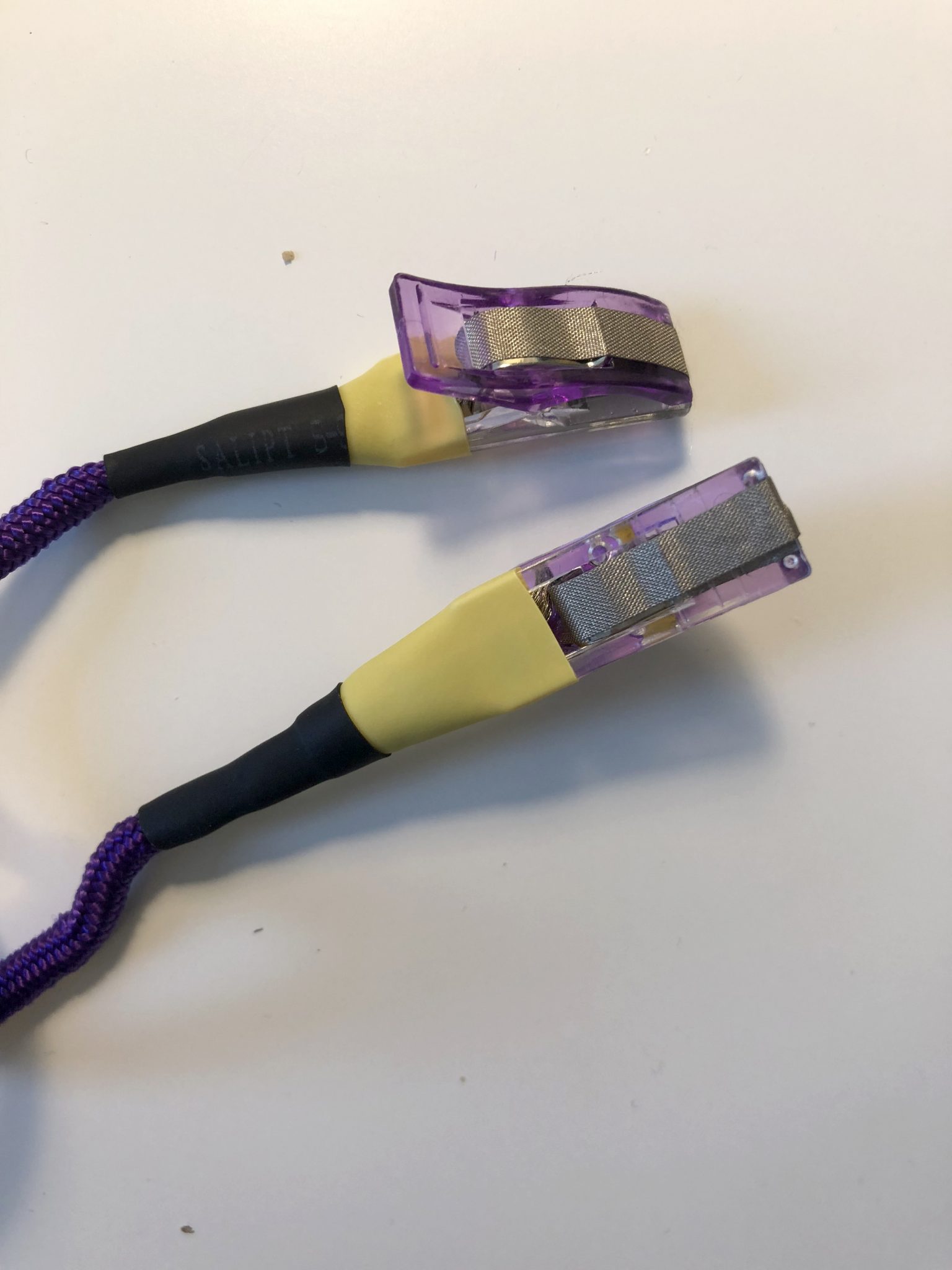
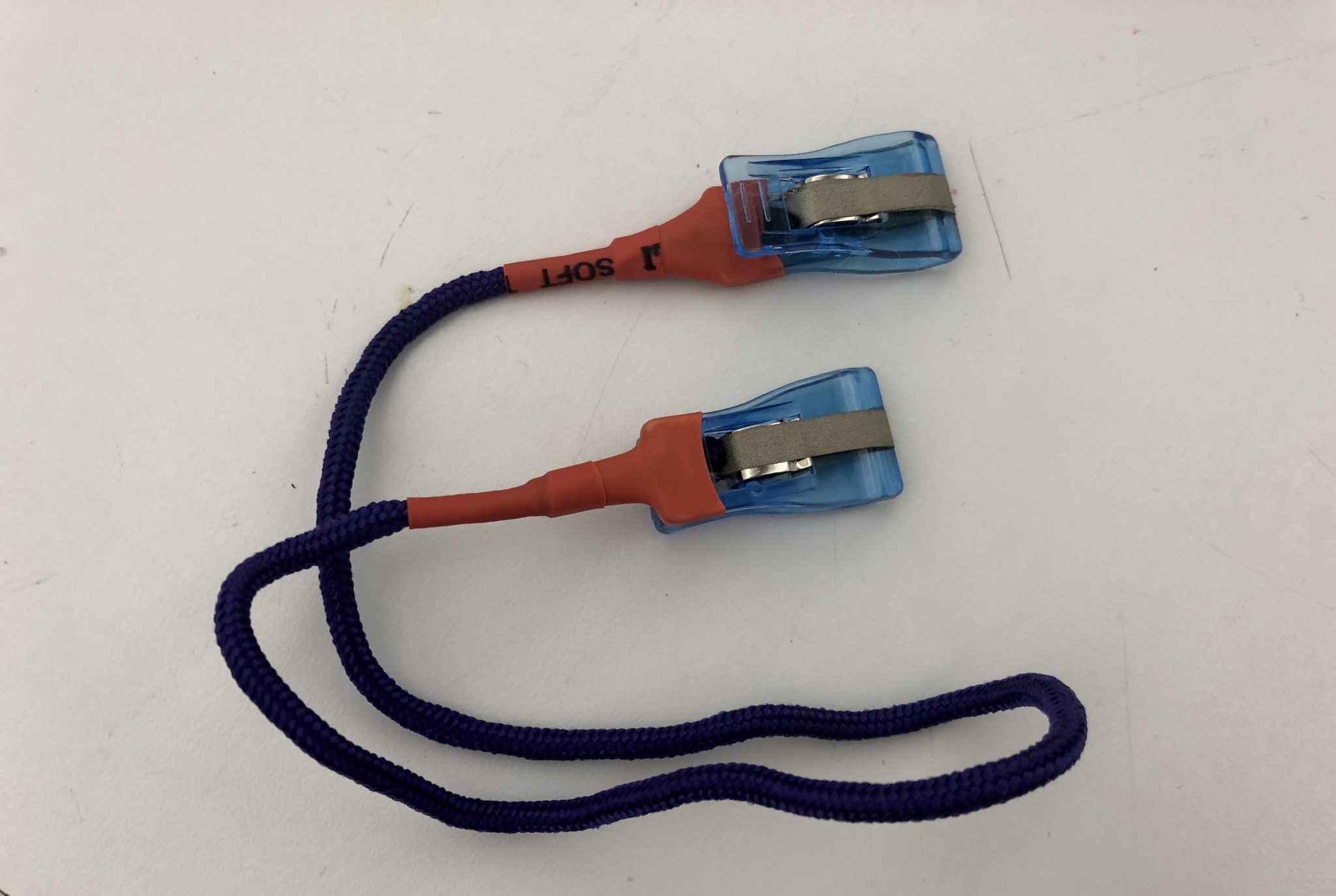
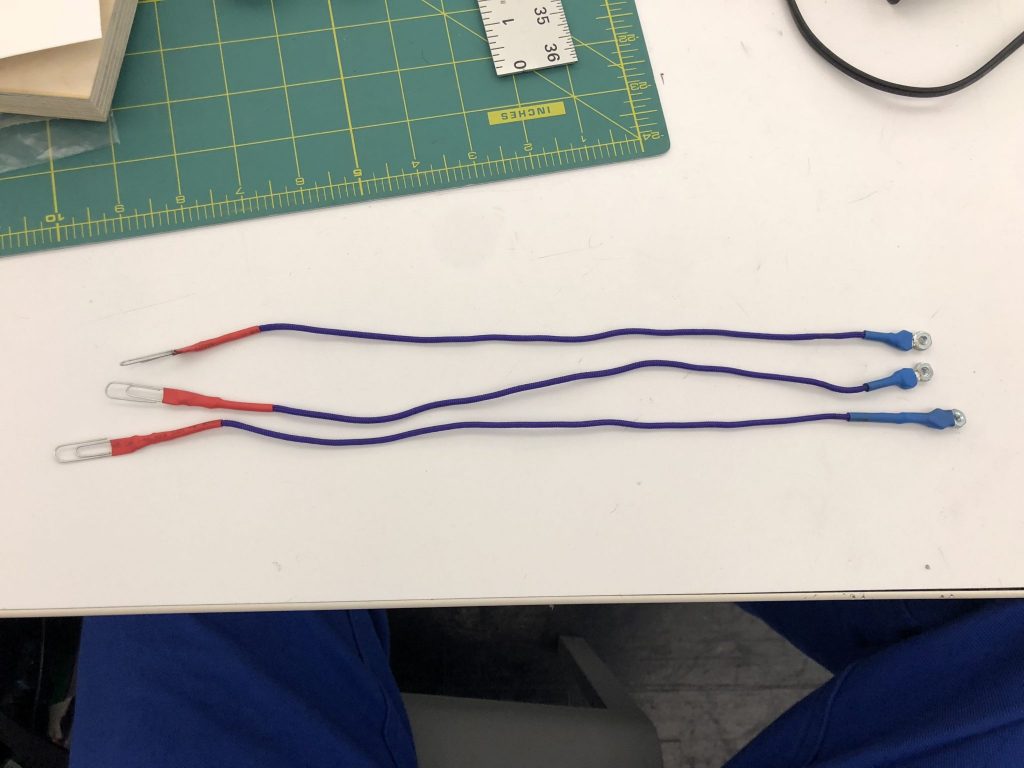
I wanted to give a thought to my connectors to the ones I might be using in my practice.  I have two different sizes of plastic clip and a safety pin. I used copper fabric, conductive thread, heat shrink tubes and I assembled them to be resistant.

3. Invention

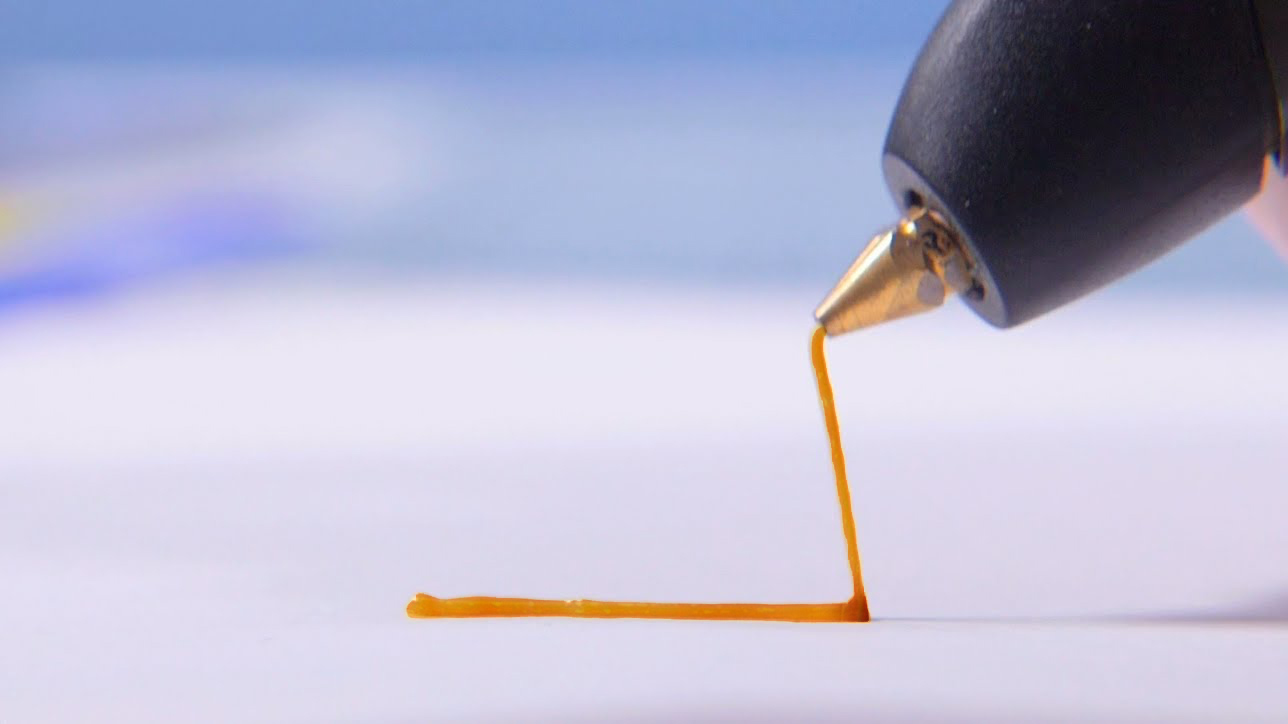
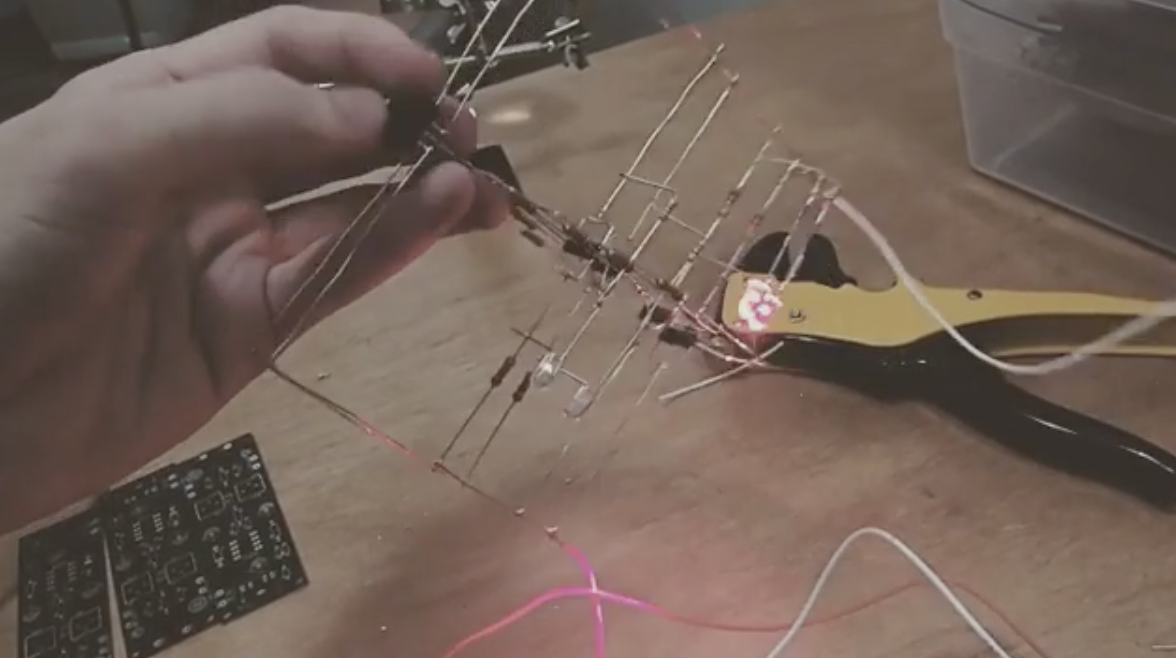
I wish I could have a 3d doodle printer that could fuse copper fluid to create an amazing geometrical structure including some electronic components.

Week 5- Nodes and Connectors

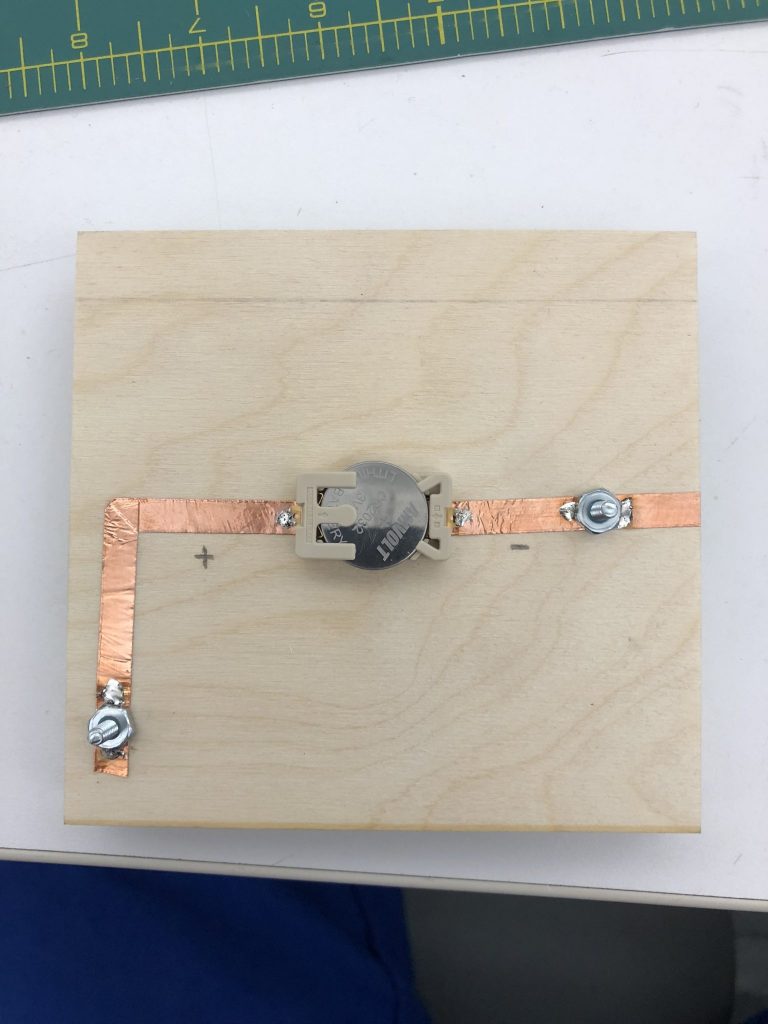
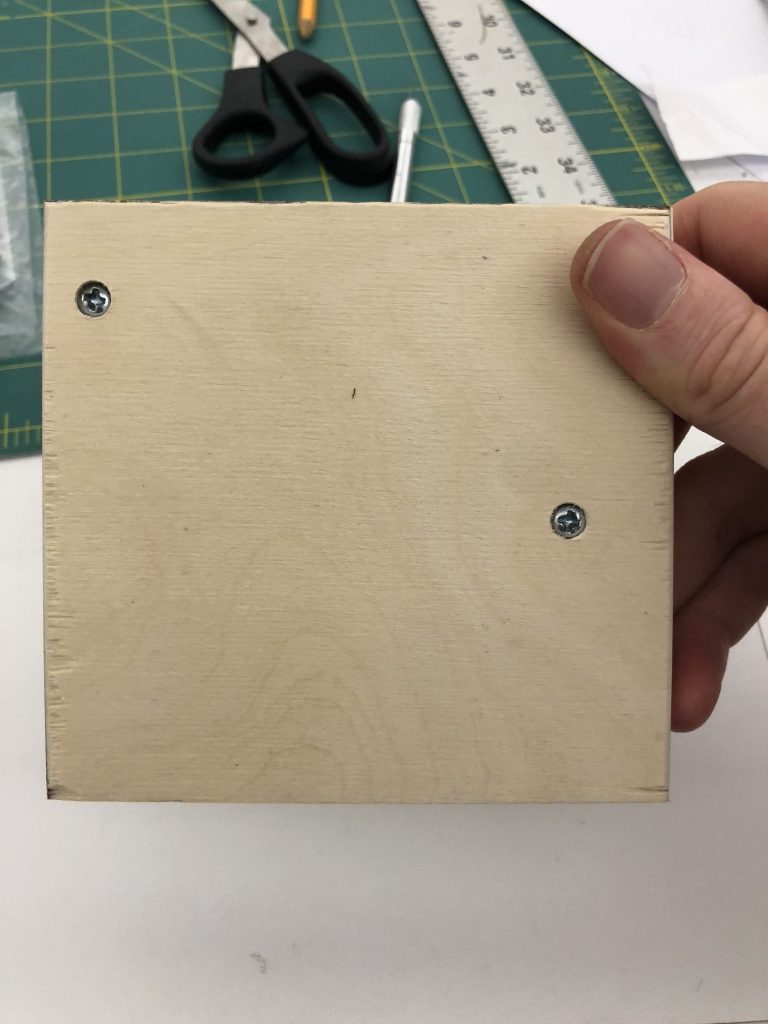
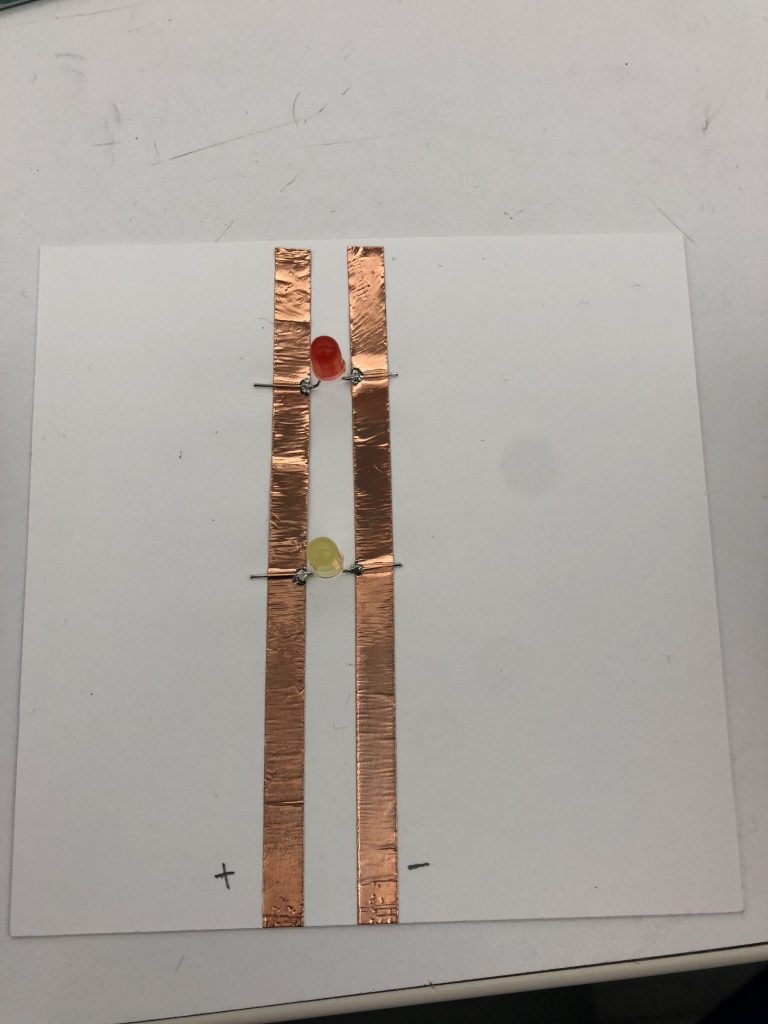
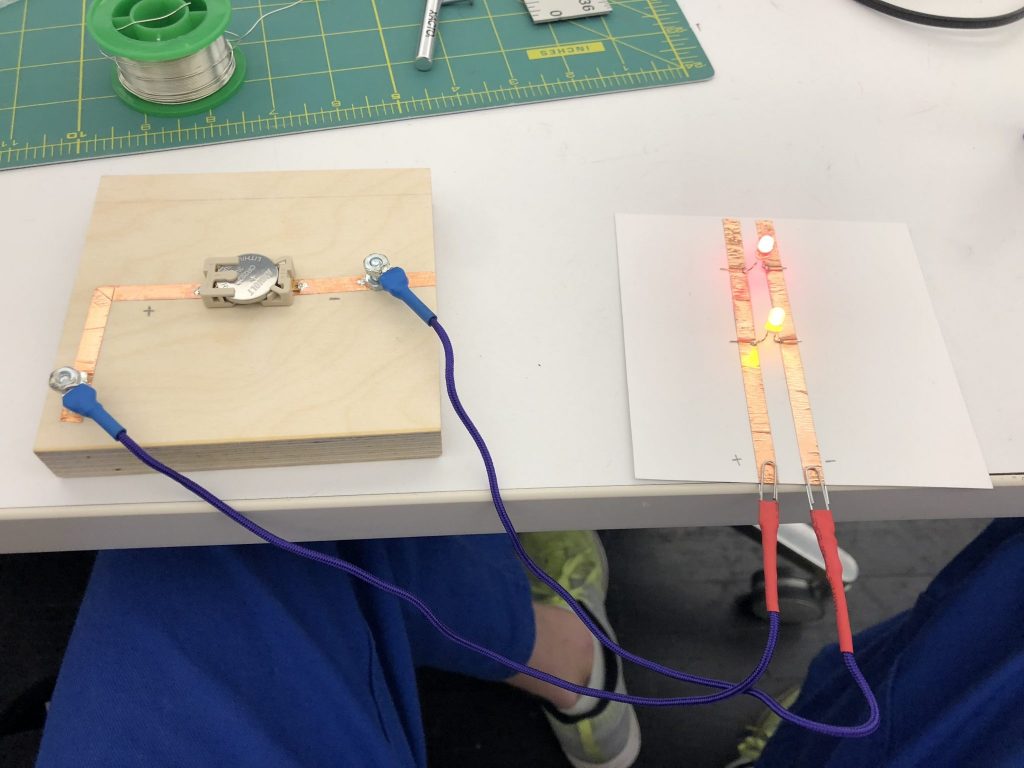
For this week I created two nodes, one from wood, the other from paper. As usual I really enjoyed using the different tools in the wood shop to create the node that is the power source. I would have liked to create my own battery holder rather than using one of the ready made ones, but this gives me an excuse to continue experimenting. Below are pictures of the nodes.

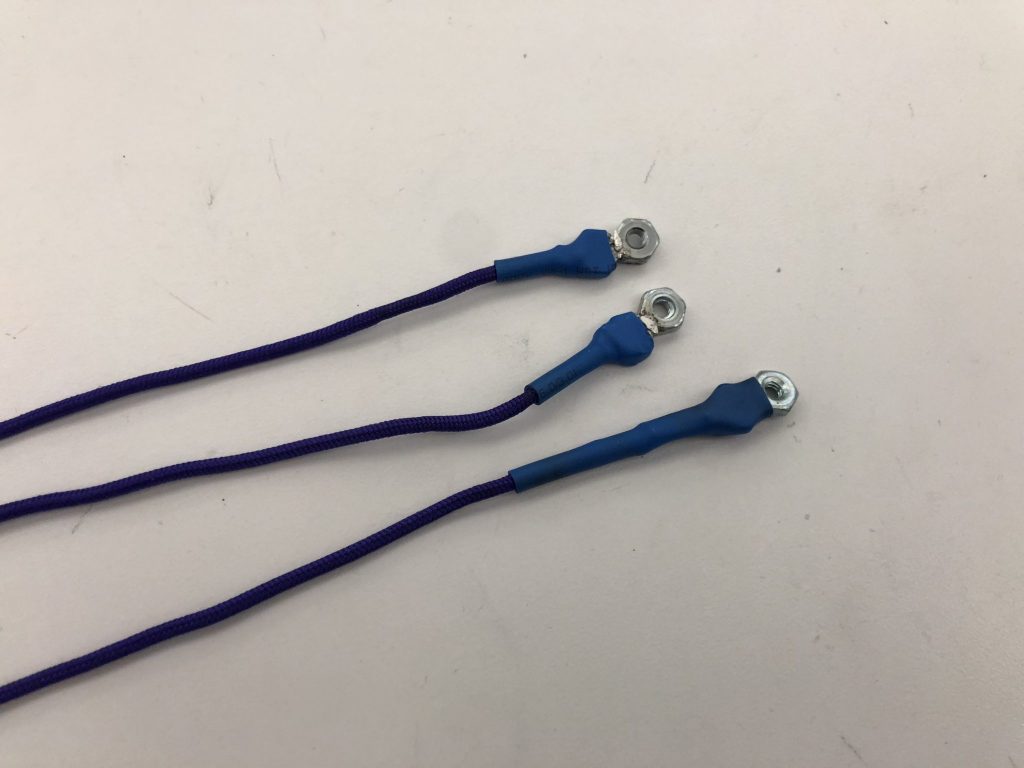
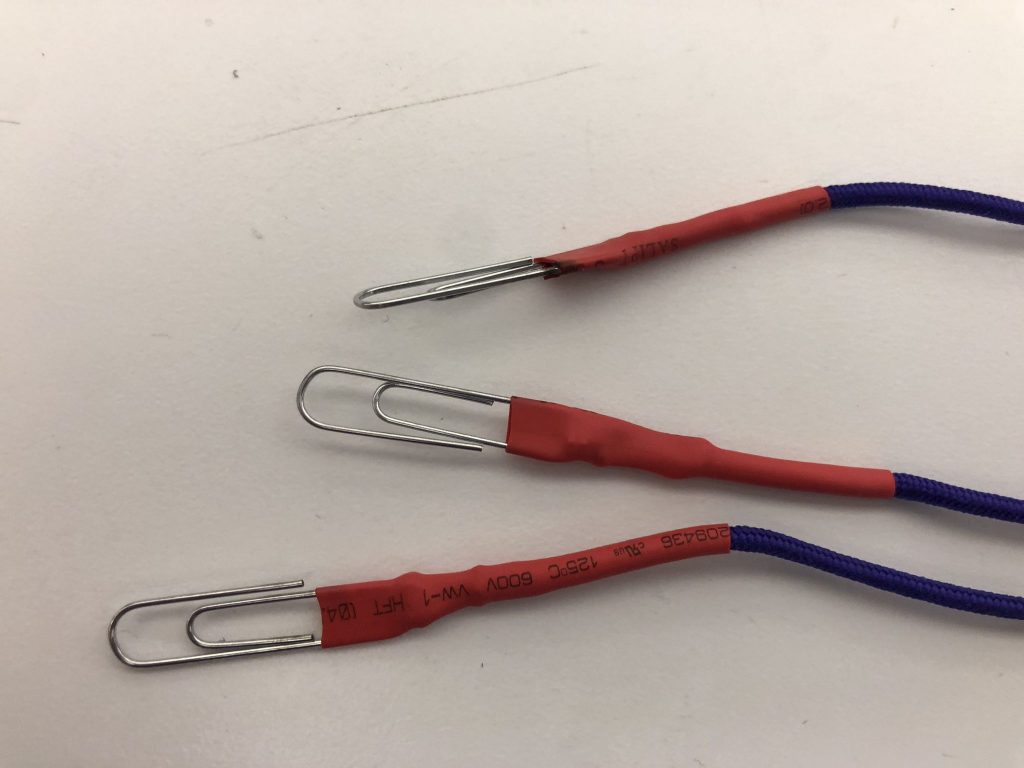
The connectors I created were equally enjoyable to craft. To connect to the wood node I used two nuts soldered together, one of which is covered by heat shrink. I discovered that soldering is not very strong, if I were to continue iterating on this I would first super glue the nuts together before soldering them. Attached are pictures of the flexible connectors.

As far as new tool I would like to have a tape gun that dispensed copper tape!

Week 5 – Erica

Nodes and connectors

The two nodes I created for this week’s assignment are 1- LED textile node and 2 – fabric battery holder. I solder the LEDs on the fabric ribbon then sew it on the base. I used conductive thread and metal snap buttons to link this node to the battery node. The battery node is also on top of a piece of fabric swatch and has conductive threads with metal snaps. Two of the connectors are made with conductive thread + metal snap and the other one is made with the little clips from Liza.

The tool I want but does not exist yet is a sewing machine for conductive threads and conductive materials. The current machines are not always great with conductive threads so having a machine just for that will make my life a lot easier. Maybe the bobbin and needle are made with special material.

Week 5 – Neil V. Techapanichgul

Nodes and Connectors

CONNECTORS

I try to make the basic connectors with different materials that I have. I come up with Fabric tape connector, Button connector and Snap and Needle connector. I use playful materials to experiment with conductivity for each one. They all work perfectly.

3 Connector Tools:

  1. conductive fabric
  2. conductive thread, metal button
  3. alligator clip and needle

NODES

So the battery node is using the folding technique to let you easily change coin cell battery. For the LEDs, I use three lights as the indicators to test the circuit works.

Week 3 & 4 – Neil V. Techapanichgul

NEW CRAFT

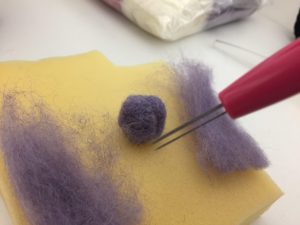
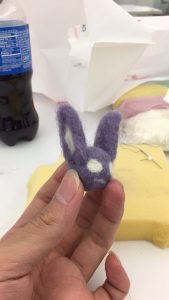
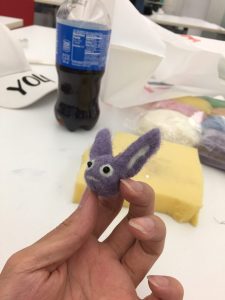
I chose Felting because the way you can sculpt an object by poking into a shape looks fun. I never have this kind of experience before but, it is so relaxing and mesmerizing.

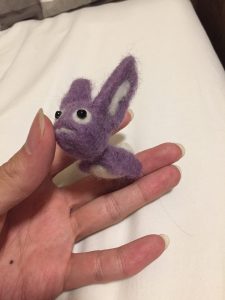
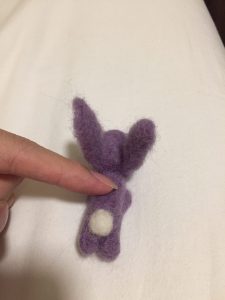
So I tried to make a sphere which took me about 3 hours to form the model. Anyway, I achieved the head of my rabbit, and I continue to work on the body.

There we go! We got a little purple bunny!

SWATCHES

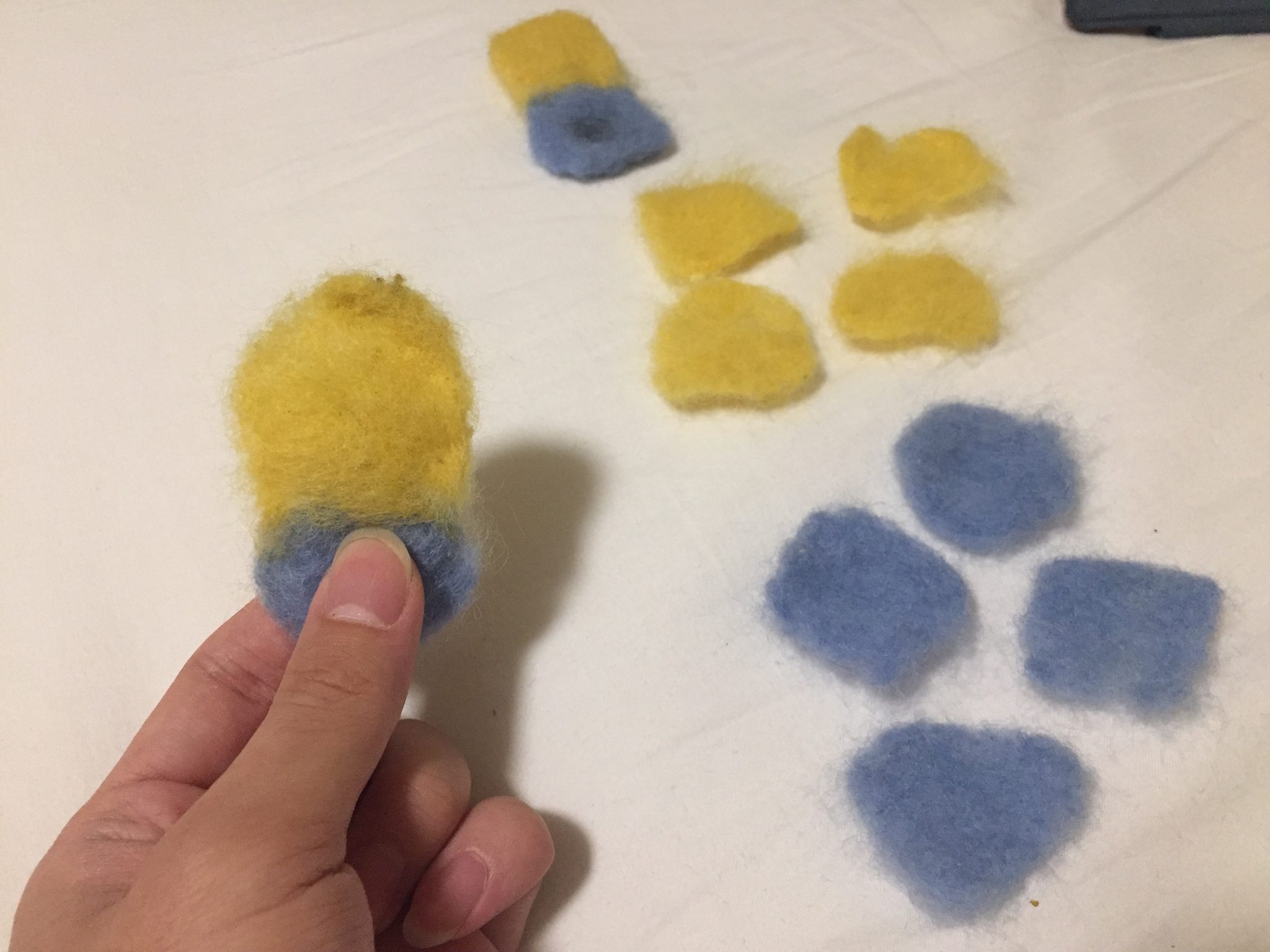
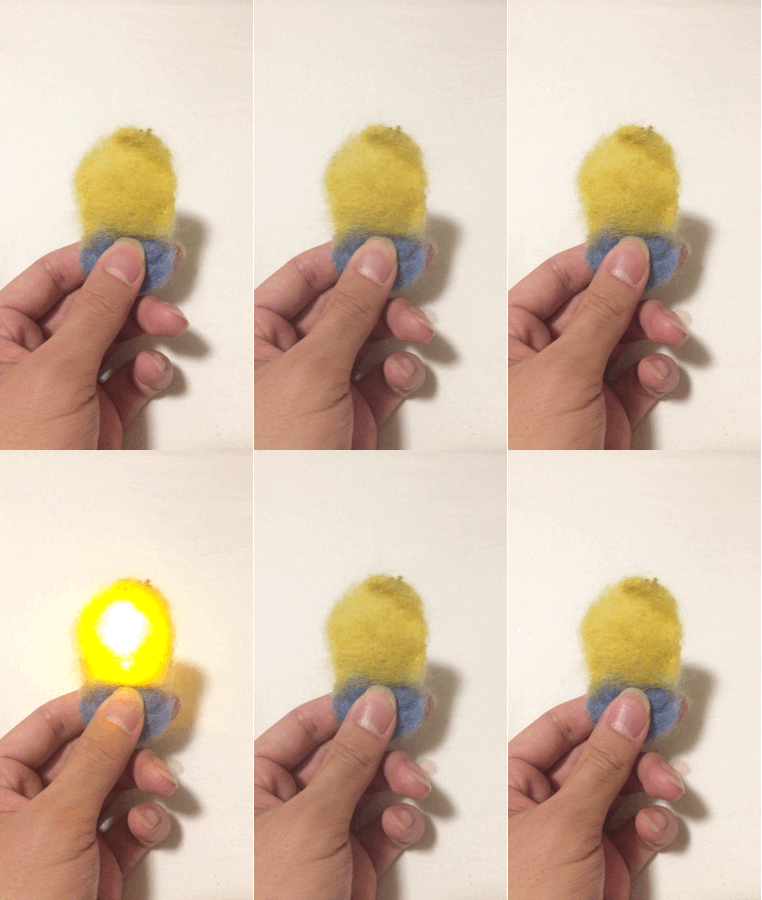
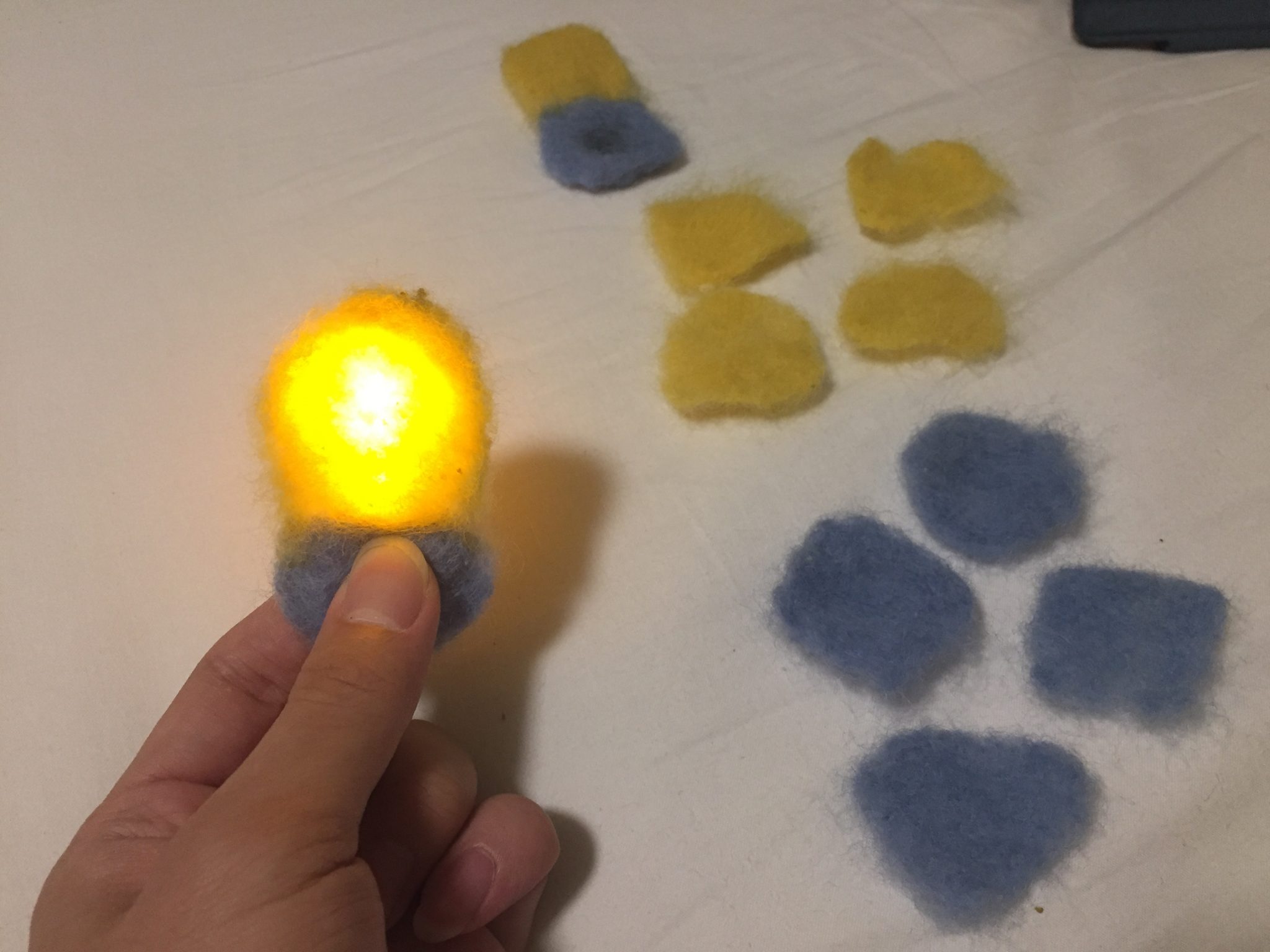
For the swatch exchange, I’m also trying to make a light bulb by using felting technique to make one. It’s a little bit tricky and hard to put electric components inside a piece of wool.

So I make two parts which a front and a back piece to connect to each other between a battery and a led.

I had fun working on these projects.

Thank you, Liza, 😀


Week5_Yixun

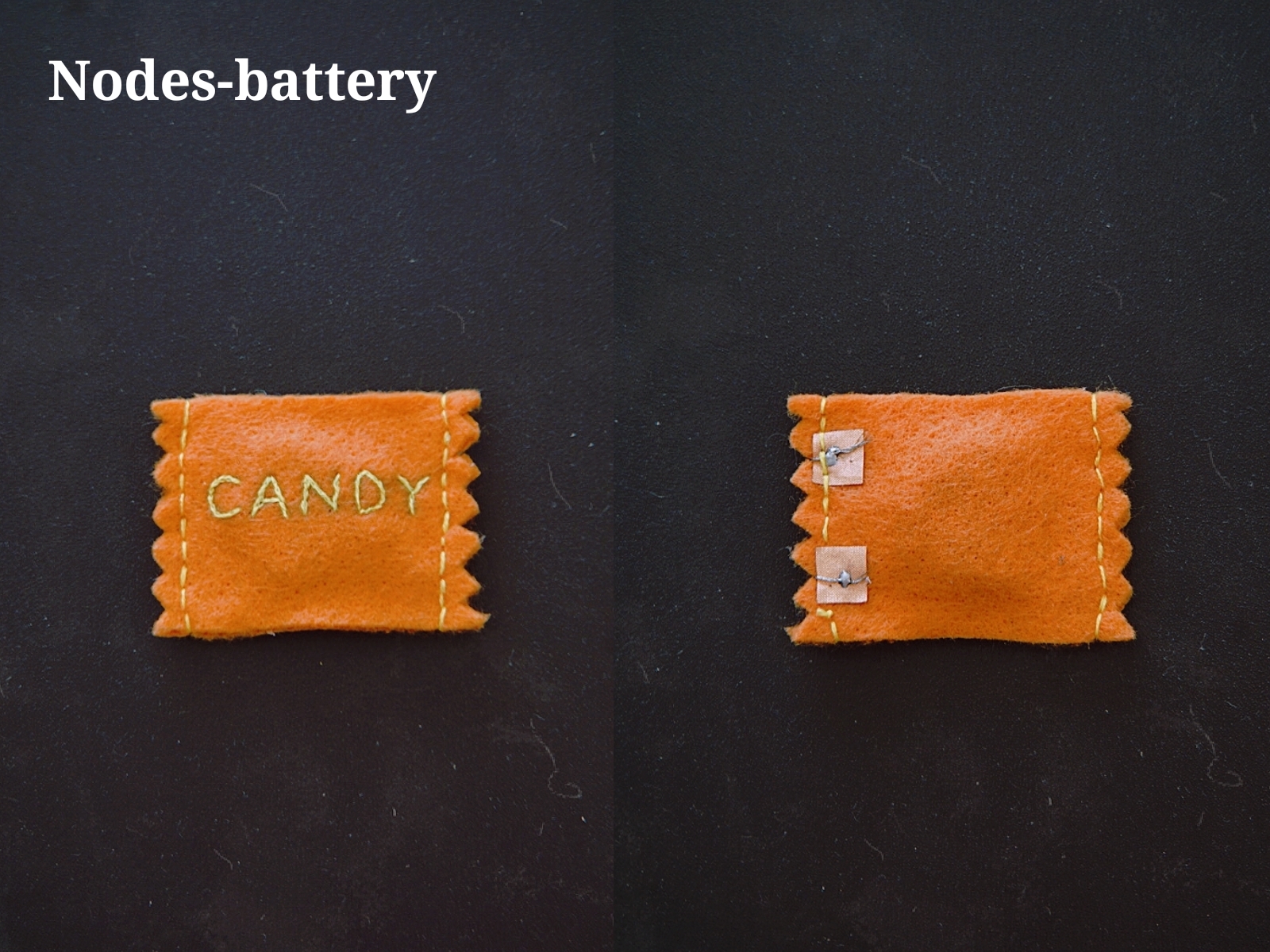
I used felt, conductive thread, and conductive fabric to make the battery node. The shape of this node originates from the candy wrappers.
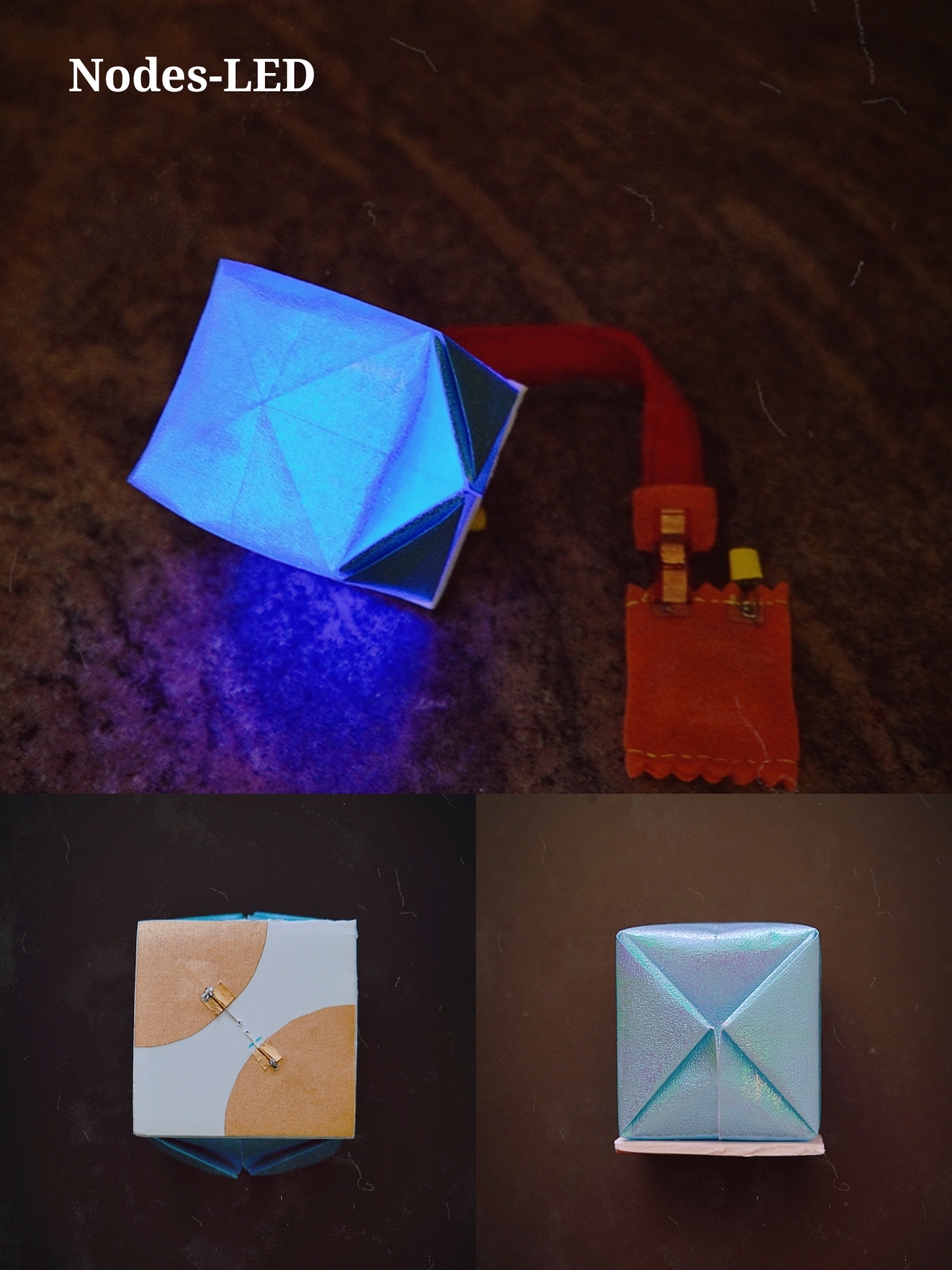
The LED node is made by paper, foam plastic and conductive fabric. Use clips to attach to the foundation of the lamp a battery will turn on the light.
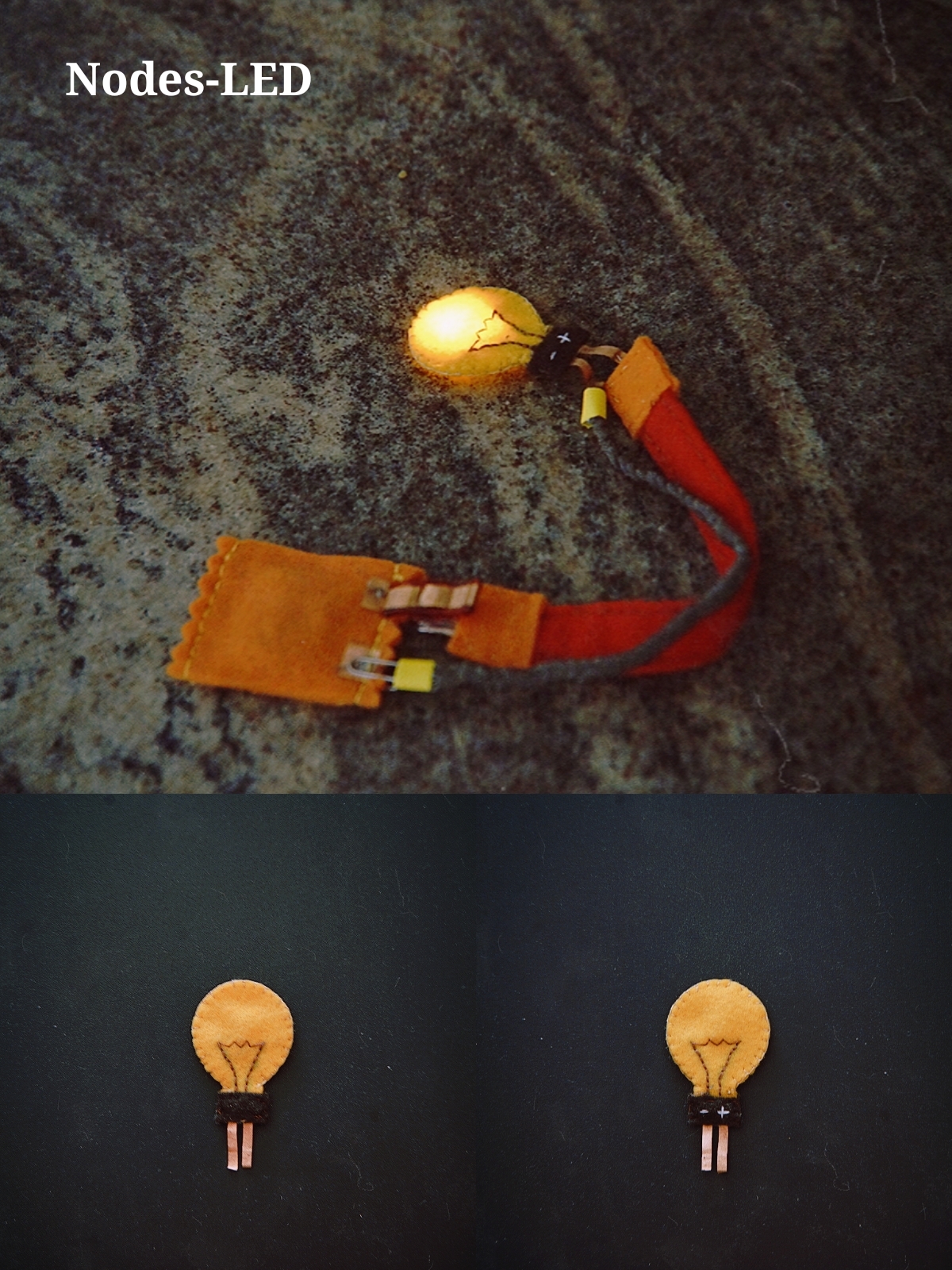
Another LED node is made by felt and conductive fabric.
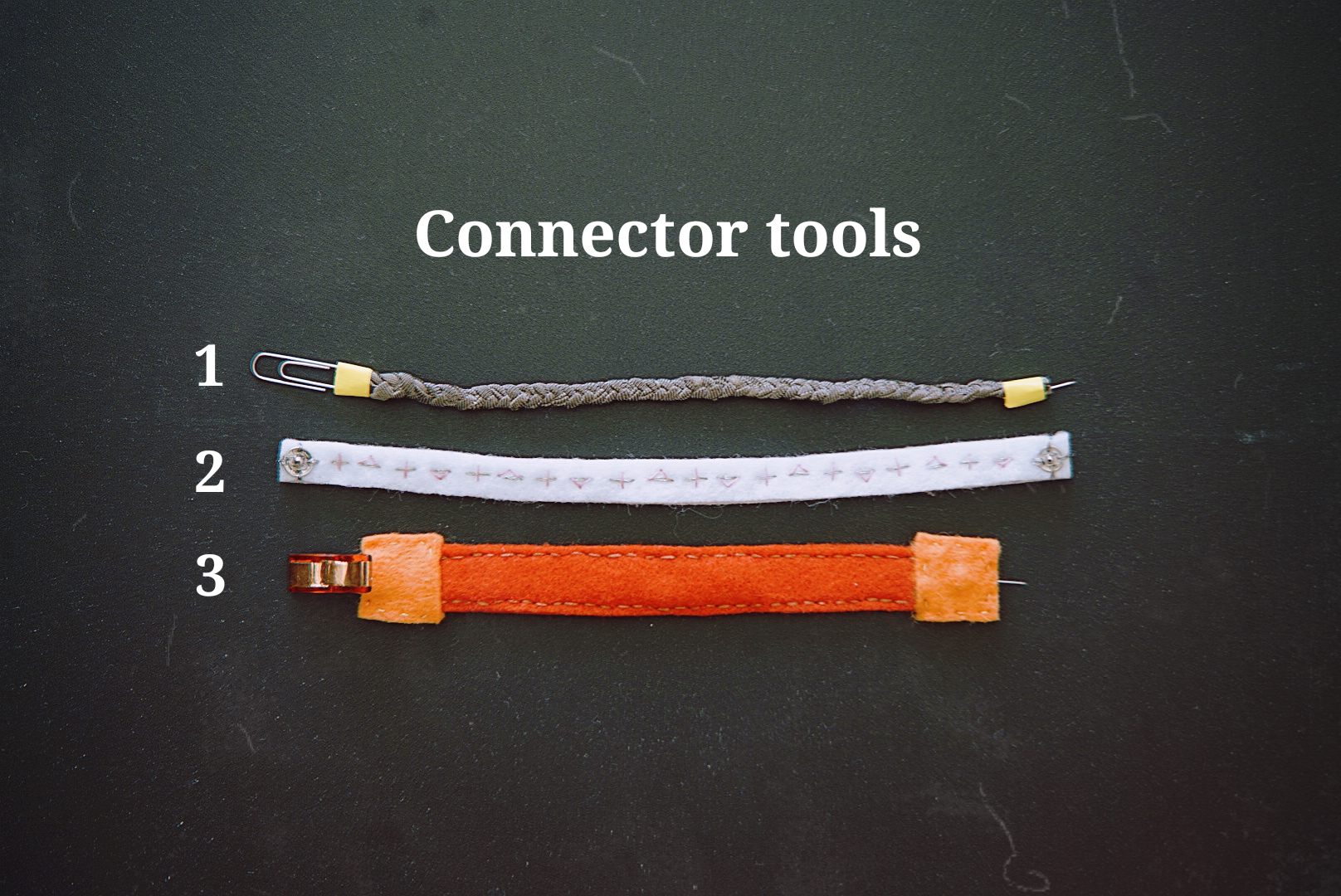
3 connector tools:
1. conductive fabric, pin, clip;
2. conductive thread, metal button, felt;
3. plastic clip, pin, felt, conductive fabric, conductive tape;

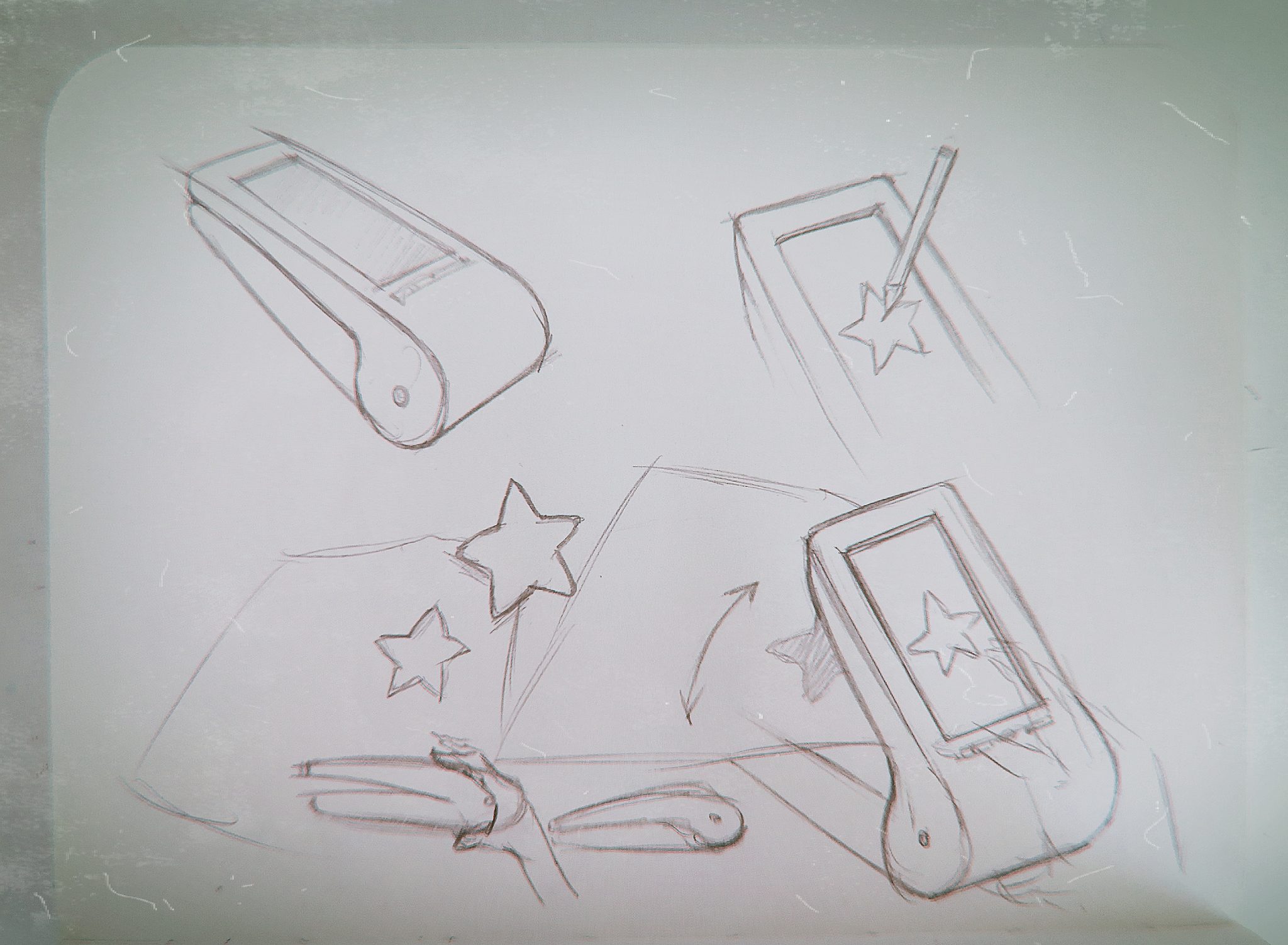
The tool I designed is for cutting patterns out of soft materials, such as paper, fabric, and foam plastic. It looks s like a stapler with a screen. Users are able to draw the pattern that they want to cut on the screen, and then put the material in the tool. Press the stapler to get the cutted pieces.
Week 3 + 4 – Lisa Ho

New Craft – Embroidery
I started my homework with learning a new craft which was embroidery. I actually always wanted to embroider but never got my hands into starting one. This homework is my perfect reason to start.

I would consider myself a storyteller, maker, designer, and a craftsperson. I love anything that is hand-made which I feel really gives another aspect of warmth to it. That is why I would say I’m a craftsperson. I love anything physical that you can hold. I also love to tell a good story and hear a good story. I realized that storytelling’s importance from last semester’s motion graphic class in engaging other people to understand your situation or your perspective. I’m also a designer because I love to solve problems or even just noticing an issue and trying to design for or with a specific goal/outcome in mind.

I love hand lettering and embroidery. These two are something that really makes me relieved and relaxed. Although I am not an expert in both of these tools, I love using them to make things. The repetitiveness of these two tools somehow soothes my mind and makes me really clear-headed and satisfied.

Learning embroidery was really fun. I think the most frustrating part for me was that it takes so long and requires precision for it to look nice but hard work always pays off and the end product makes you really happy and satisfied. Therefore, I would suggest beginners give their full attention to it for the first time. I think learning it was not as intimidating as it looked and there are a lot of great instruction videos on YouTube and I would suggest beginners to start searching there.

Swatch – Poki Dots

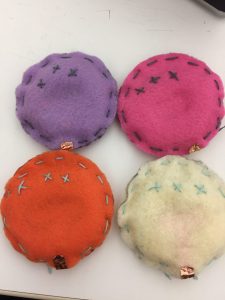
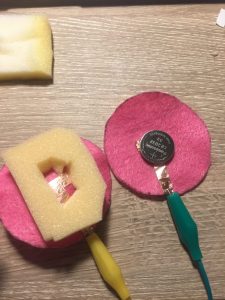
The inspiration for my swatches was my love for polka dots. I decided to make polka dot push sensors. When you push on my poki dot swatch, you can turn on a LED. The materials I used were felt, yarn, conductive tape, and sponge. I was going to use conductive fabric did not find enough fabric and resorted to tape in the end.

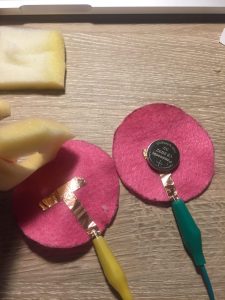
The swatch was made by me cutting same sized circles and sewing them together. Inside I would tape the conductive tape inside with two stripes of conductive tape making a T shaped track and put a sponge in the middle to make the push button. I put the 3-vott battery to try if the circuit is ok and it worked fine.

Continue reading

Midterm Assignment

TRACK 1

Design a lamp using the techniques, tools, and materials we have been learning over the course. Lamp and presentation are due OCT. 18. You will have seven minutes total to present. I suggest 5 minutes for presentation and 2 for feedback. You do not need to have a slide deck unless you want to. You should plan to demo. Instructable due Tuesday, Oct. 23.

Constraints:
1) MUST use a switch or sensor. RE: You must have a way of controlling the circuit.
2) Must have at least two states (e.g. on/off, fading fast/slow, red/blue, etc) or more.
3) You do not have to use Arduino.
4) You cannot use jumper wires *unless* it is to connect your circuit traces to the Arduino. In this case, you should consider how to integrate your Arduino into the design. Depending on your time and financial constraints, you may want to explore other types of Arduinos that better fit your design, such as a Lilypad, Flora, Gemma, Arduino Mini, etc.
5) The midterm is an individual project.

NOTE: Please do not use a breadboard for the same reasons as the Arduino constraint above. Again, the goal of this project is to evaluate your comprehension of the materials, techniques, and processes. Only using wires and a breadboard or Arduino will not help me understand that you have mastered what we have been doing in the semester.

I will be evaluating you along the following categories:
Process
– Paper prototyping interaction and structure
– Grasp of assembly and how to integrate electronics with materials
– Material is appropriate for the project

Concept + Design
– Clear design goal
– Desired interaction accomplished (What should the user be doing or feeling? What action do you want them to perform?)
– Intuitive interface (or convoluted depending on the design goal)
– Articulated audience – who is this for?

TRACK 2

You may propose another project for the midterm, but it MUST be approved by me first. This can take the form of in-depth material research, etc.

ALL TRACKS

Documentation
– Create an Instructable documenting your project. Due October 23.

DUE OCTOBER 11
Post initial ideas, sketches, and any prototypes to the blog.

Week 3&4 – Youchun Zhang

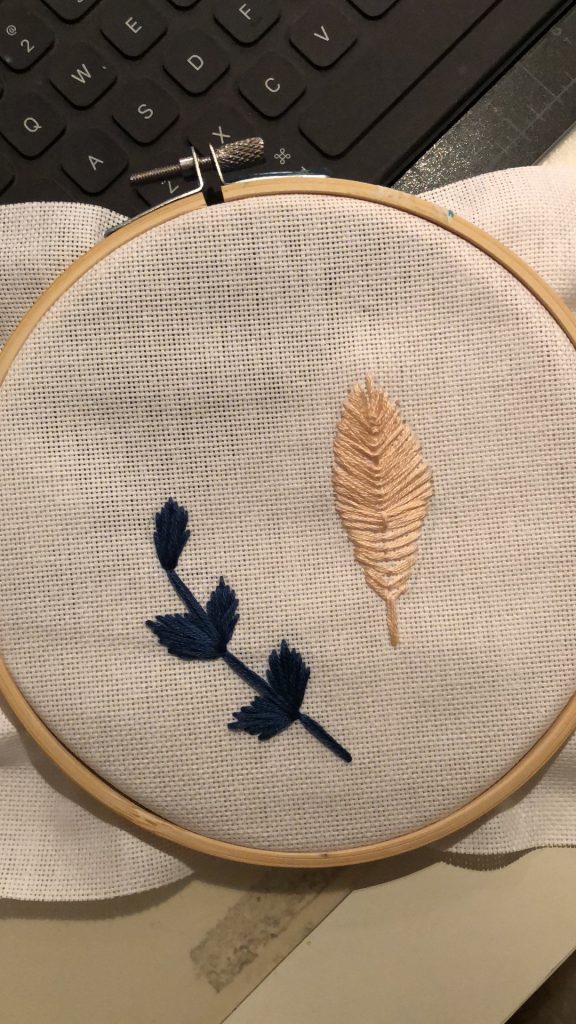
Learning embroidery

I started this week by learning a new craft – embroidery. I always enjoy the texture created by embroidery and how simple but persuasive about the threads that form their own visual language. In this practice, I think I am a maker, learner, and craftsperson. I spent most of the time getting used to the techniques and trying different topics until I get to the current version: plants. My favorite tool inside this process is the needle threaders. I like the mechanism of how it works, smart and helpful. My most frustrating moment during the process is when I was standing at Michael’s and trying to decide what are the right tools. Following a simple YouTube video is definitely an option, however, due to the fact that there are so many tools targeting at so many things, it is better to learn the system first.

Swatches

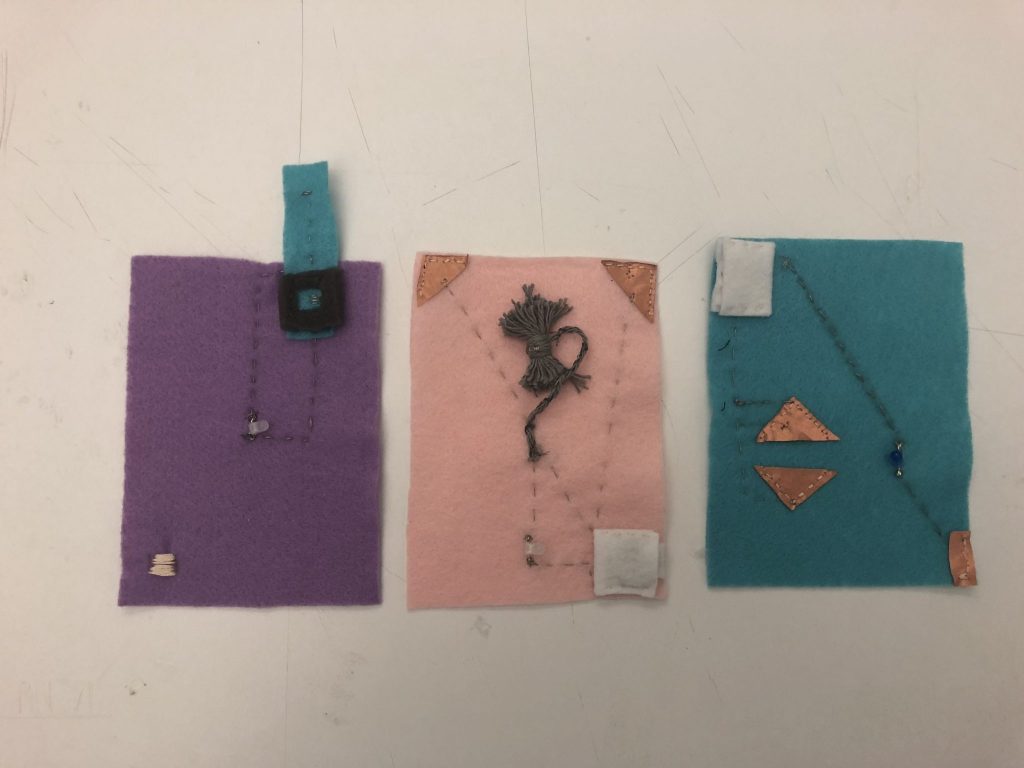
Title – Trace the Light

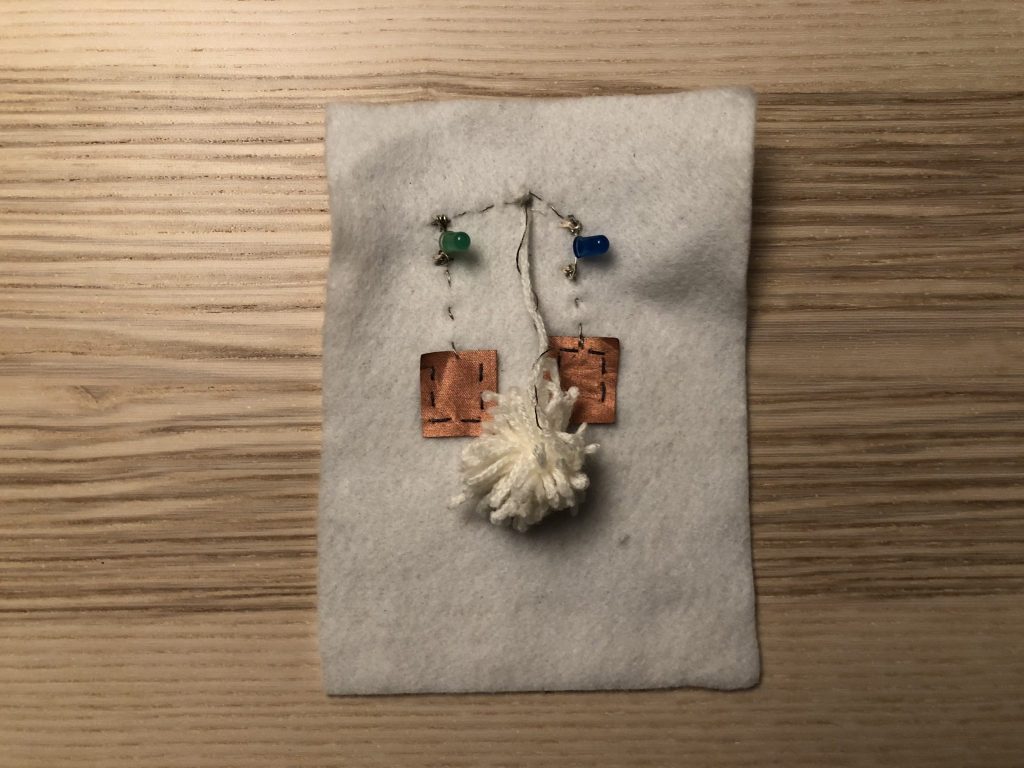
Description – Trace the Light is a set of switches that play with the pattern and the control of lighting up LEDs. It uses a battery pocket, tilt switch or the most simple switch but you will need to solve the puzzle.

Materials – Felt, conductive thread, conductive fabric, yarn

Techniques – The main technique I used is hand sewing. The two key parts are using felt to make a small pocket that holds the battery and using yarn to make pom poms.

References – https://youtu.be/uMBjCjk19GU

I started with thinking about the batteries and then working on positioning different components on different places. I saw this video explaining how to use yarn pom pom as part of the tilt switch, and I really liked it. Although most of the soft circuits were quite similar, I altered the style of the felt and the color of the LED to make it a different piece in the same set. I did see how I gradually have a more mature planning when I hold the felt and start my first thread.