Week 5 – Anna Garbier


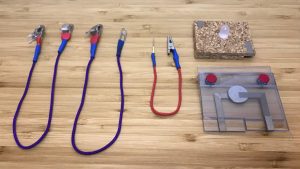
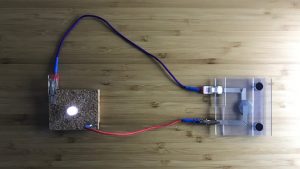
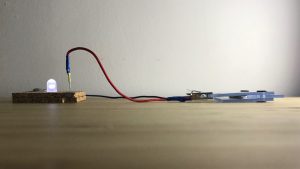
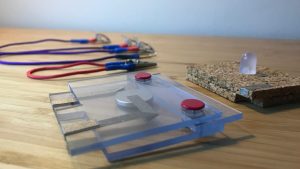
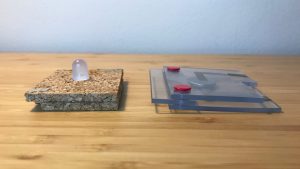
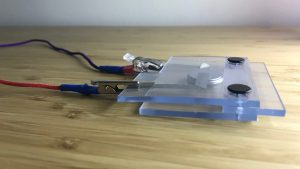
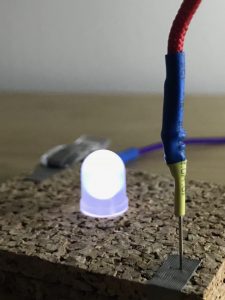
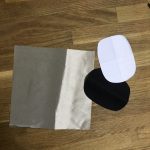
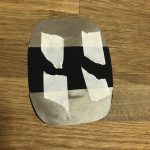
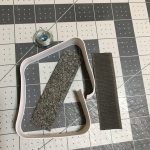
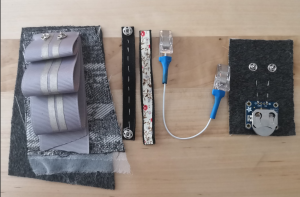
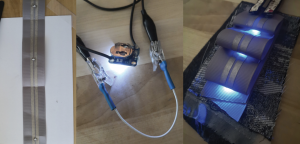
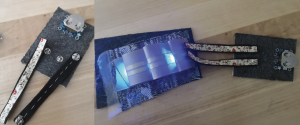
Node materials: two layers of cork with conductive fabric tape between, superglue, LED (node 1); soft plastic held together with push pins, visible conductive fabric tape circuits, removable cell battery (node 2)

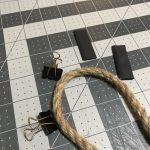
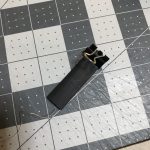
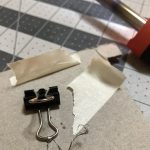
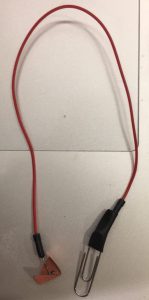
Connector features: pin to gator clip (connector 1), plastic clip with conductive tape to plastic clip with conductive tape (connector 2), clip and plastic clip with conductive tape to paper clip (connector 3)

Design considerations: Short and long tape signify negative and positive ends when connecting to the LED node; these connecting points can be clipped onto or pushed into. Black and red pins help show positive and negative side of cell battery at a glance.

Week 5 – Dario Narvaez

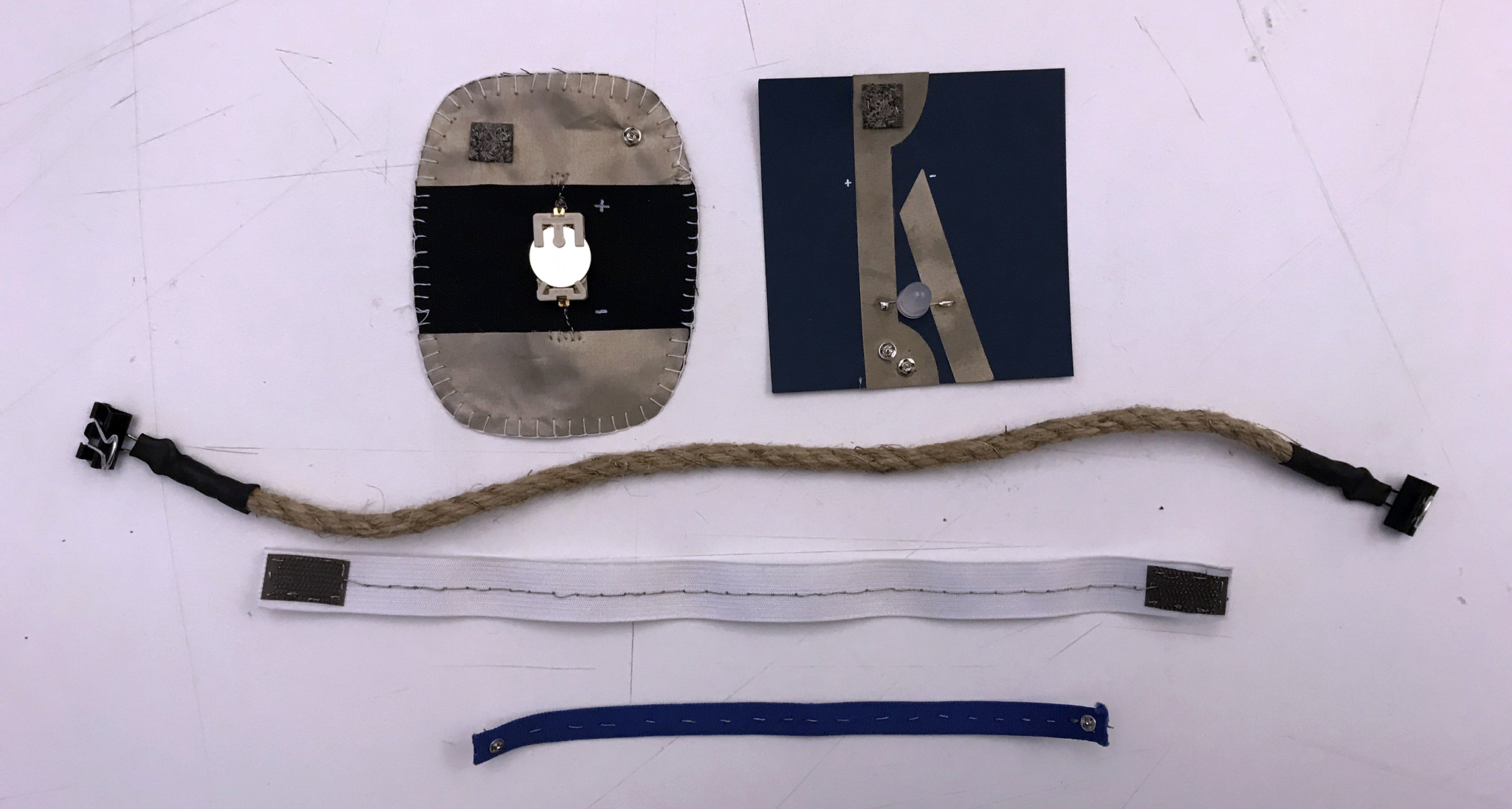
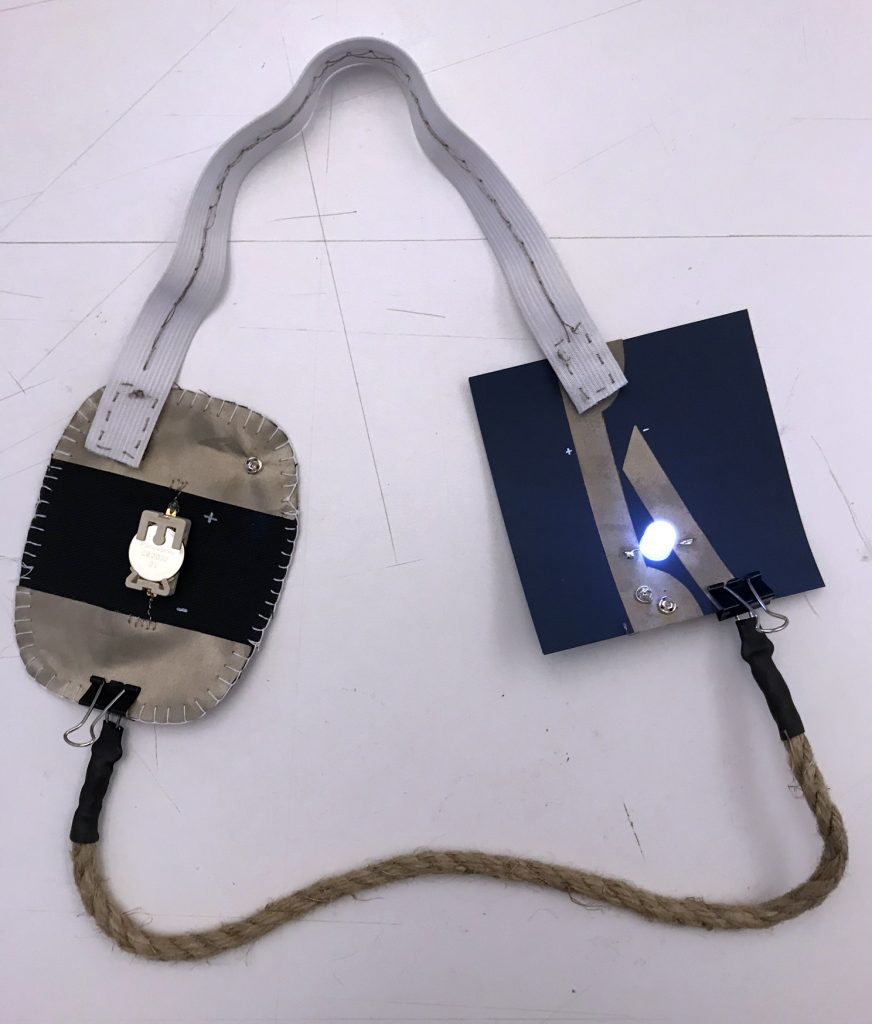
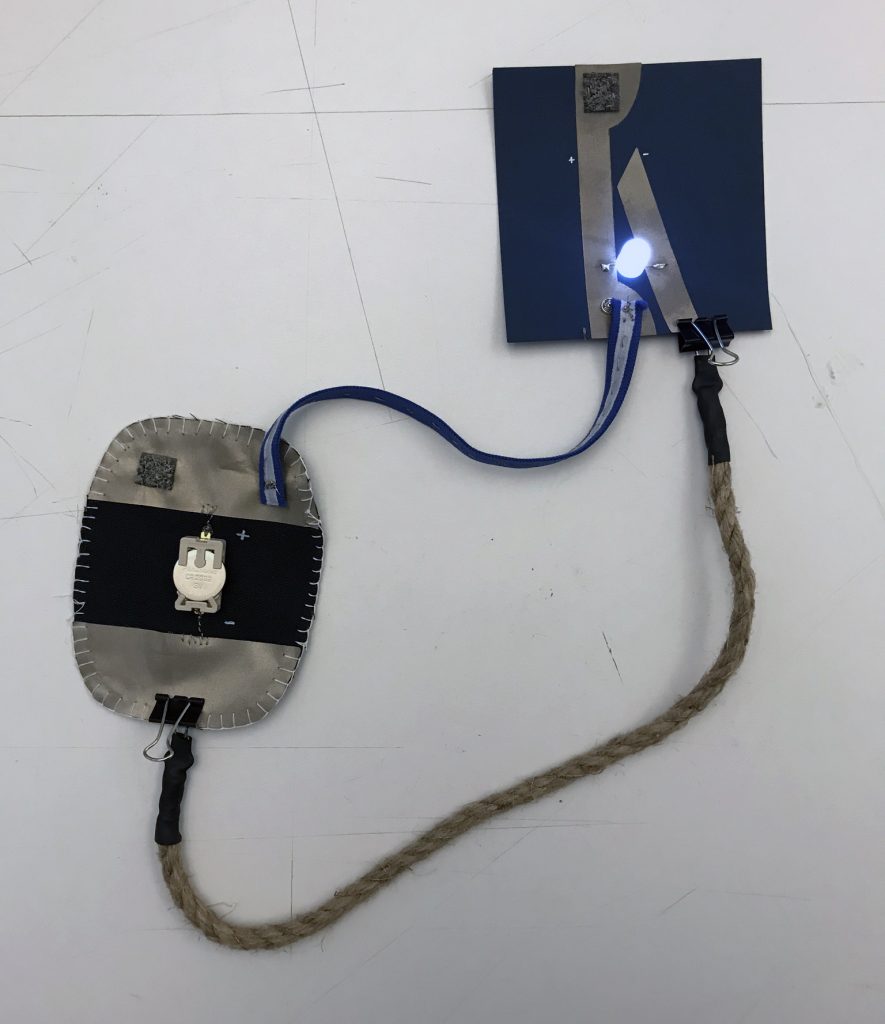
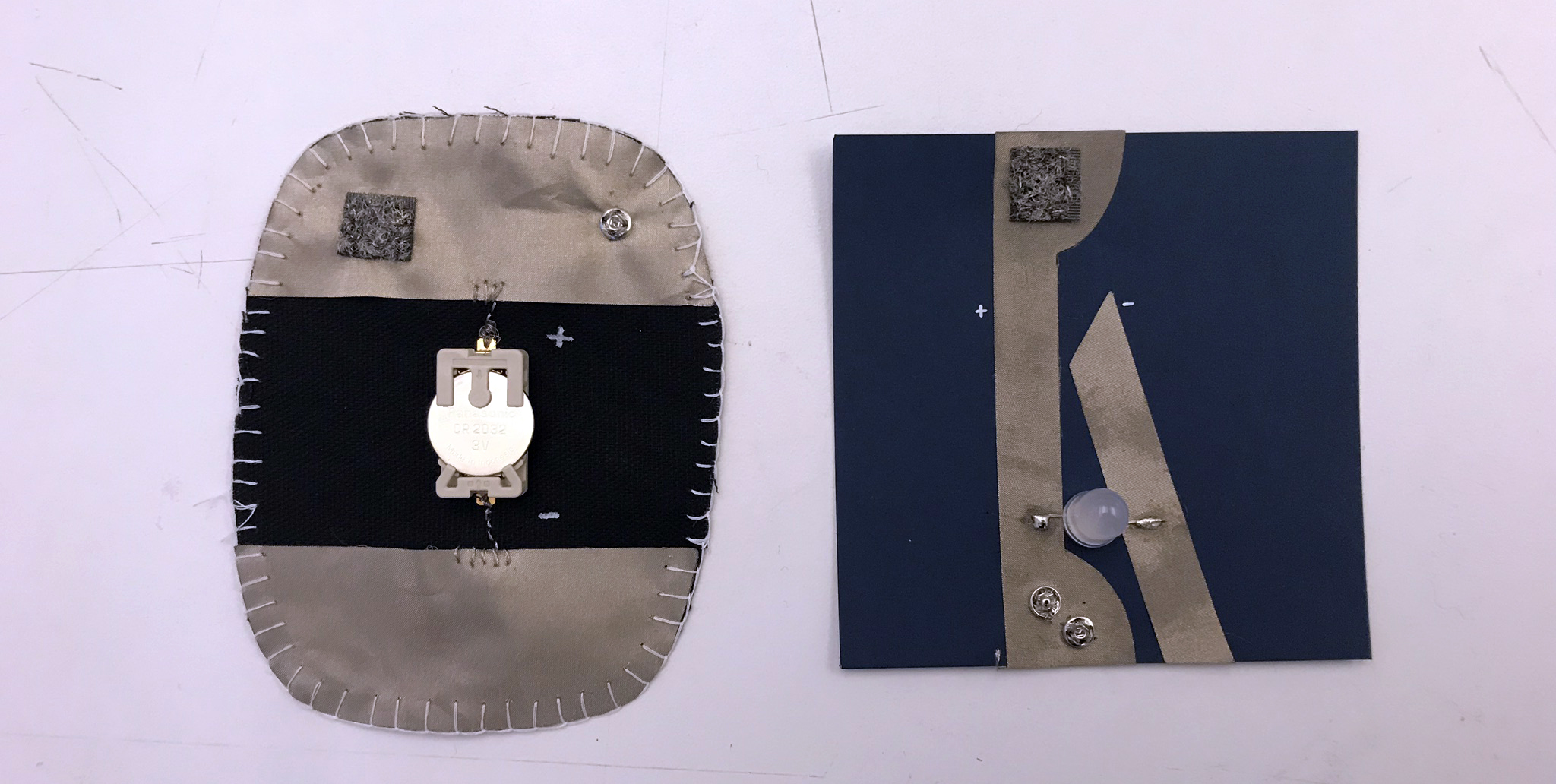
For this week I built 2 soft-circuits nodes made out of fabric and paper, as well as 3 connectors. These components explore the properties of different materials such as with woven conductive fabric, conductive Velcro, natural jute and sewable metal snaps.

Materials:

Fabric Node:

  • Regular Fabric. Piece of around 3inx3in
  • Woven Conductive Fabric
  • Sewable Metal Snaps
  • Conductive Velcro
  • Battery Holder
  • Conductive Thread

Paper Node:

  • Paper Square 3inx3in
  • Woven Conductive Fabric
  • Sewable Metal Snaps
  • Conductive Velcro
  • LED
  • Conductive Thread

Connectors:

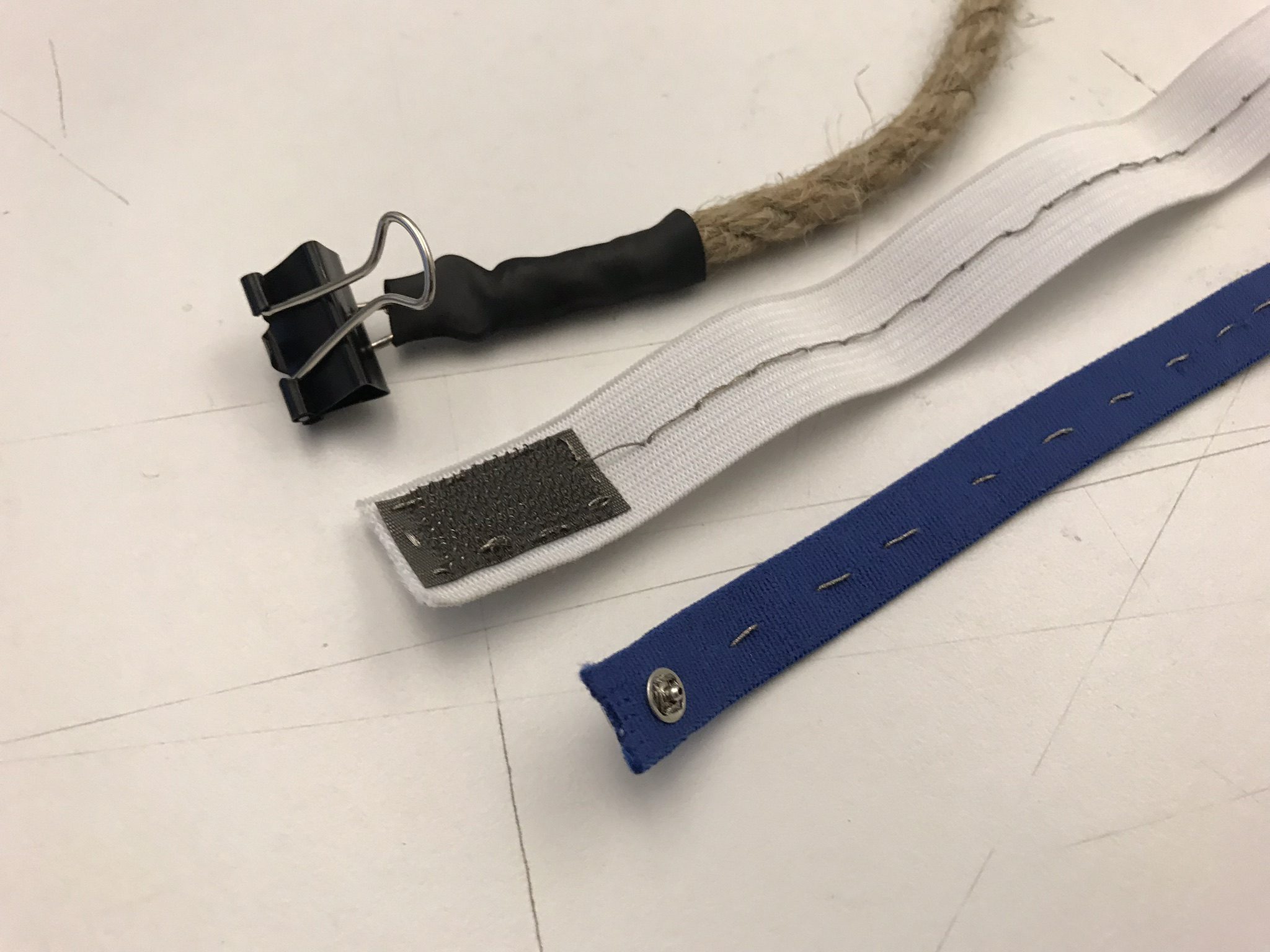
  • Fabric Straps
  • Natural Jute
  • Conductive Thread
  • Conductive Velcro
  • Sewable Metal Snaps

Construction Process:

Sew all the components joining positive and ground nodes and areas, as well as the LED to the conductive fabric. The connectors were made by joining the snaps, the Velcro and the paper clip using conductive threat.

Important Note:

For the Paper Clip I connected the 2 silver components with conductive thread. The black part in the clip is NOT conductive. 

Idea of a Tool!

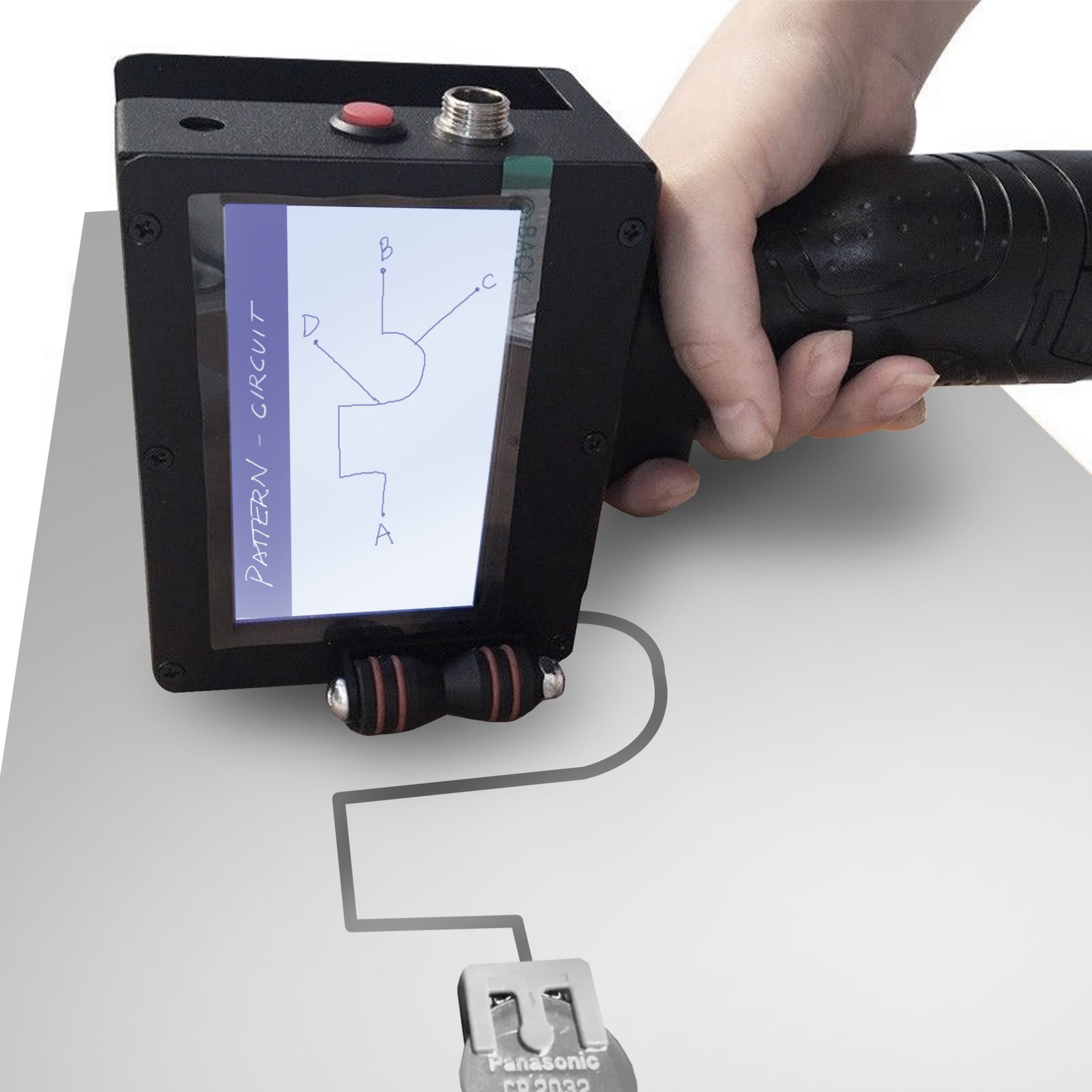
I’m thinking in a handheld printer (similar to the handheld inkjet printers), but where you can select the pattern (or upload your vector design, or predetermined lines, circles or geometric shapes), and  this pattern can be printed on paper or fabric , generating conductive pathways.


Week 5 – Carla

1. Nodes

When creating my nodes I wanted to experiment with different materials I’ve never used before. I wanted to have fun too, so I added some crazy ideas!

SWITCH

The first piece I used felt as a substrate and copper fabric and stretchy fabric for the different modules of the node. The switch is compound by two sides that need to be connected by folding the fabric to make the stretchy fabric connect the two small pieces of copper.
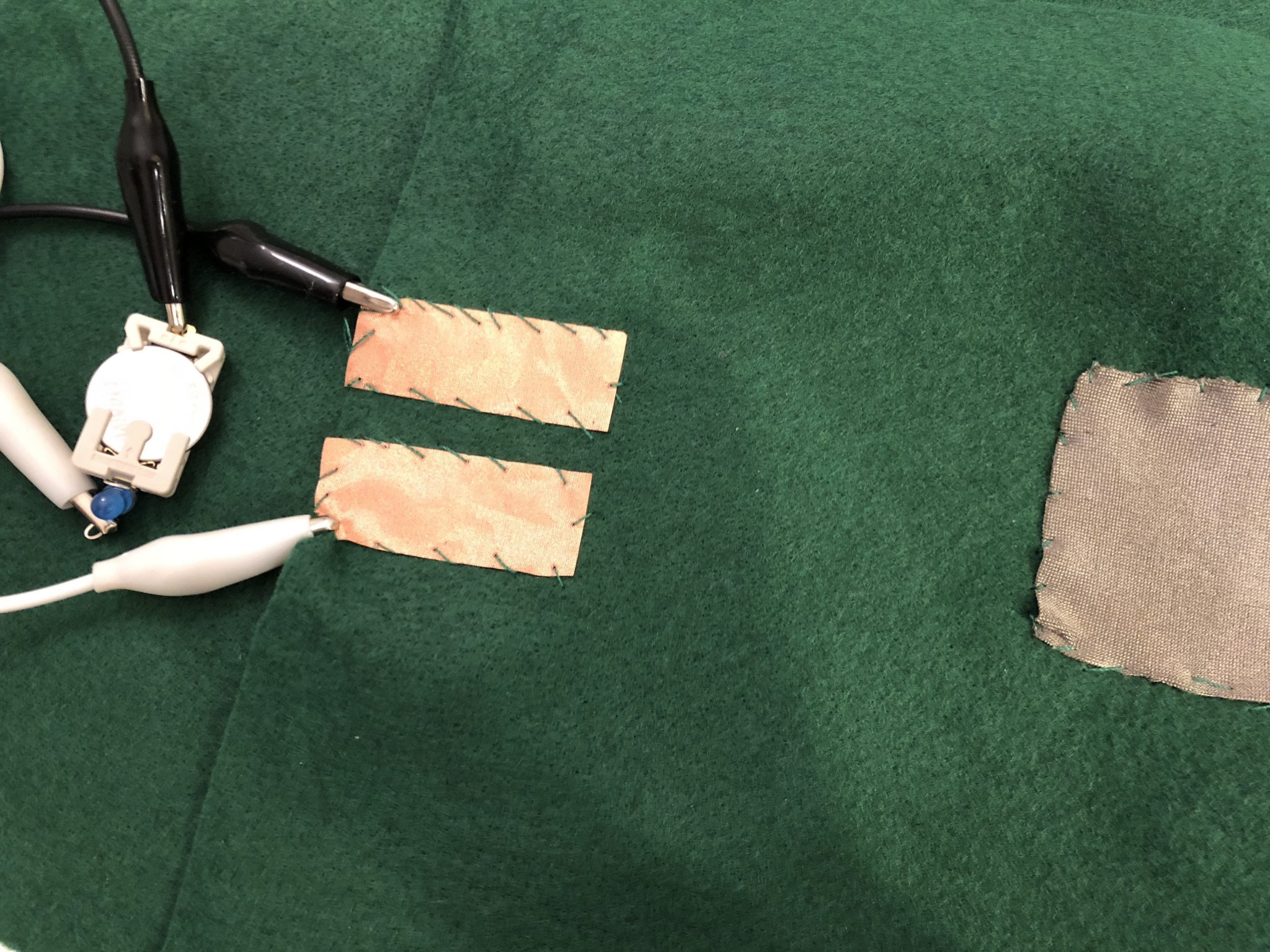
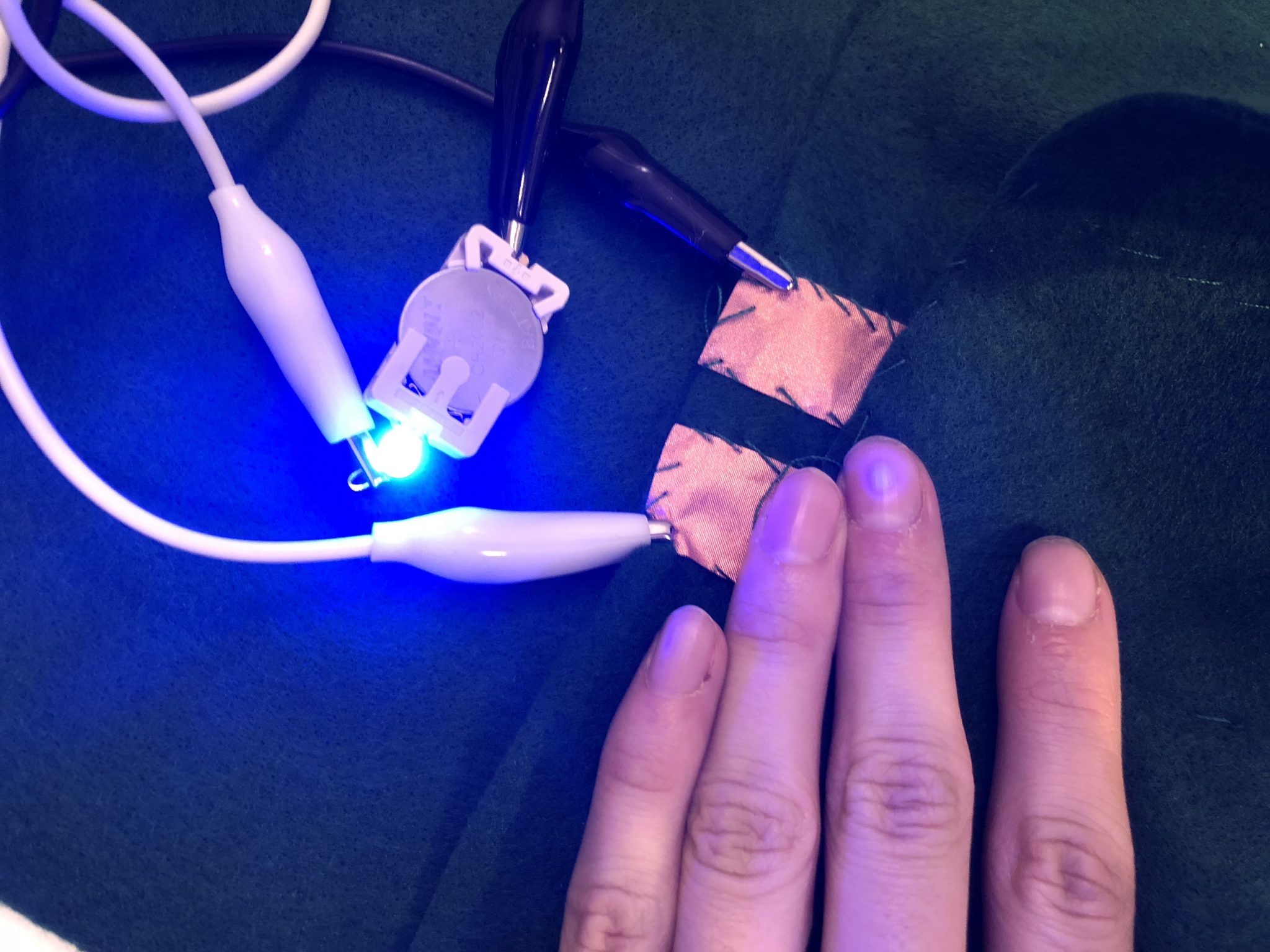


I wanted to test the switch and at the same time try a vibrating mini motor disc that fit nicely on the top of the pieces with copper tape.

LED

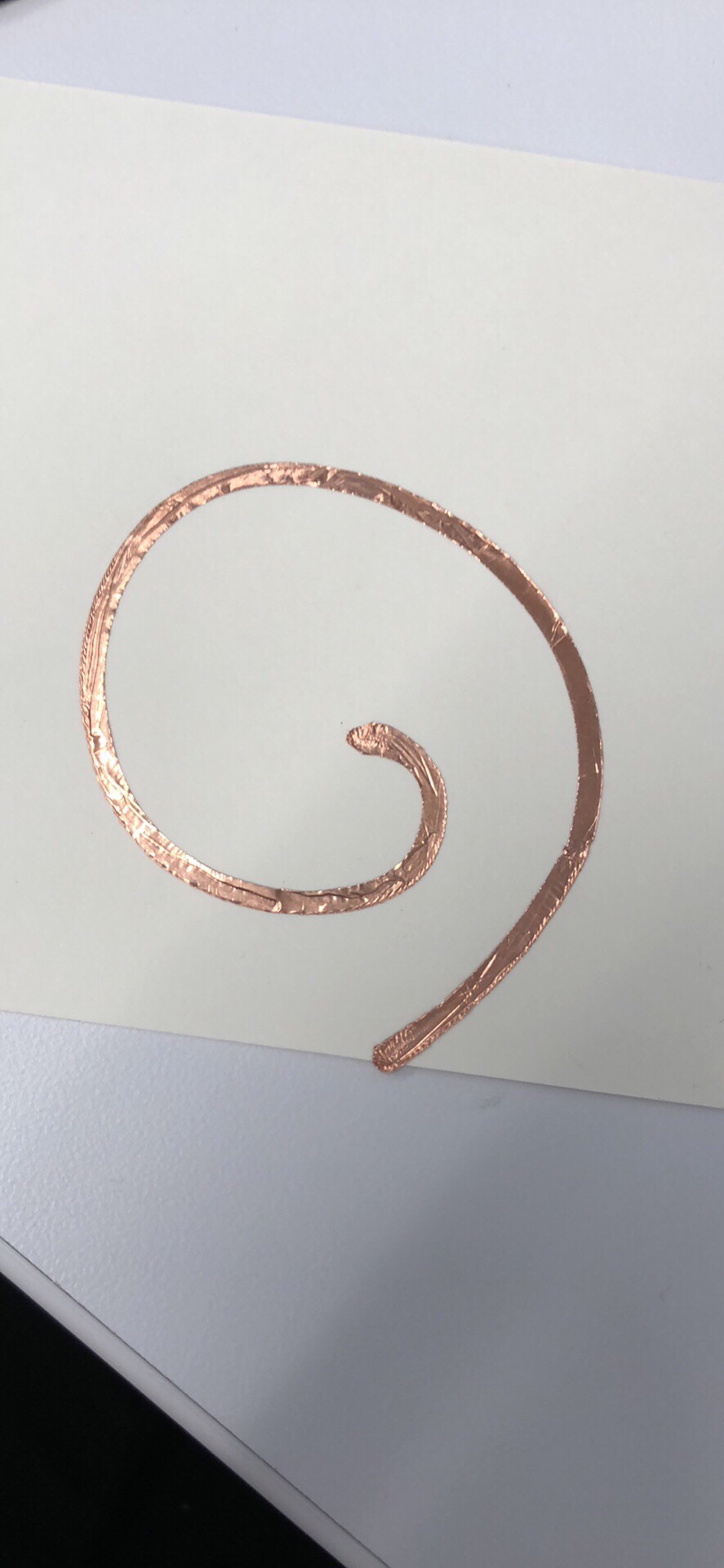
I created a coil using a piece of adhesive copper surface. I designed the shape using illustrator and I used a vinyl cutter to cut the desired shape and I transferred manually into a paper. I could user transfer paper because the circuit was very fragile.
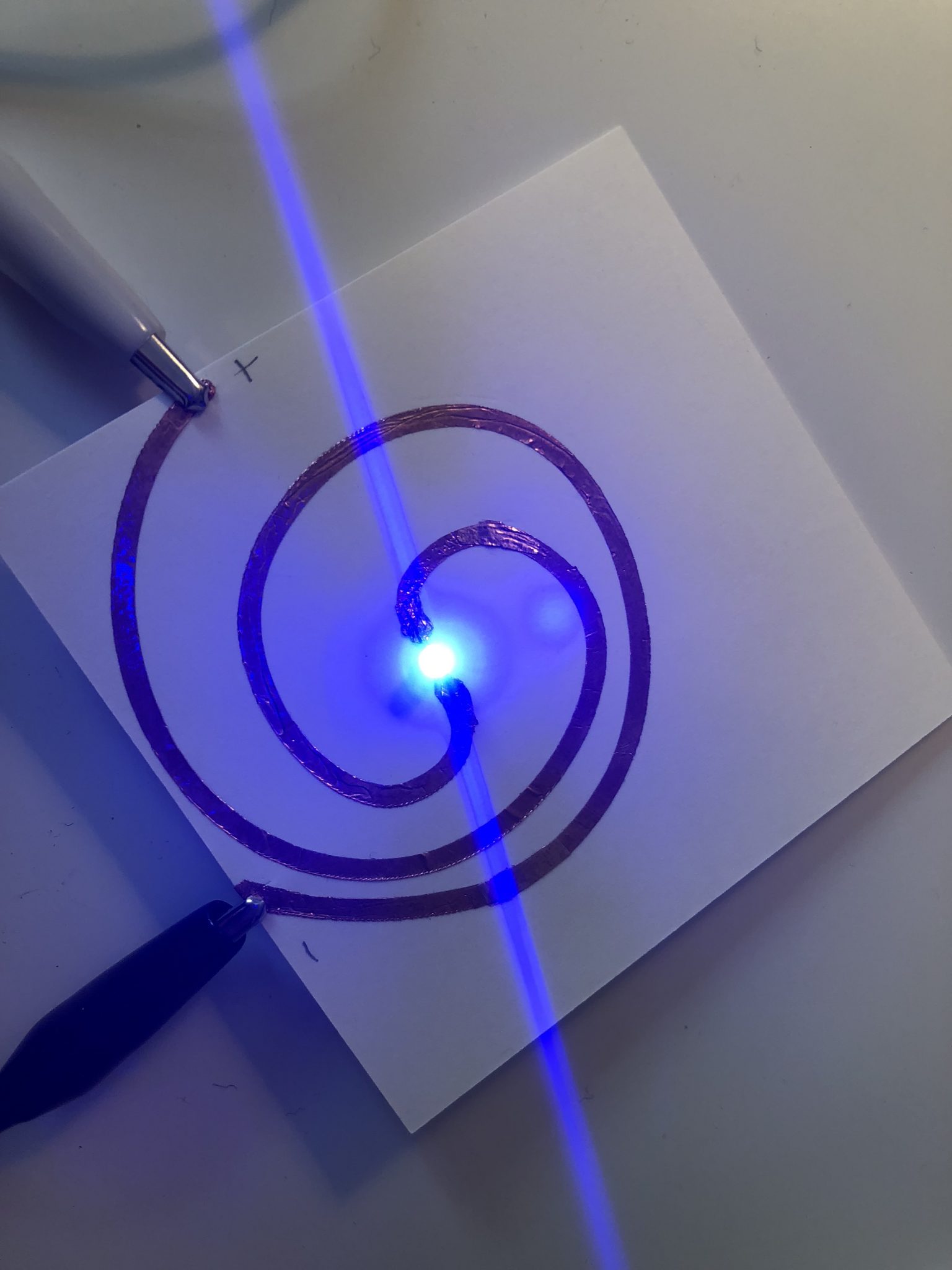
Learning curve- machine defects

The material is really delicate and it requires a lot of care when manipulating. The Vinyl cutter that I used it had a damaged blade which created lots of tears on the material.  I had to manually transfer and fix with patches.
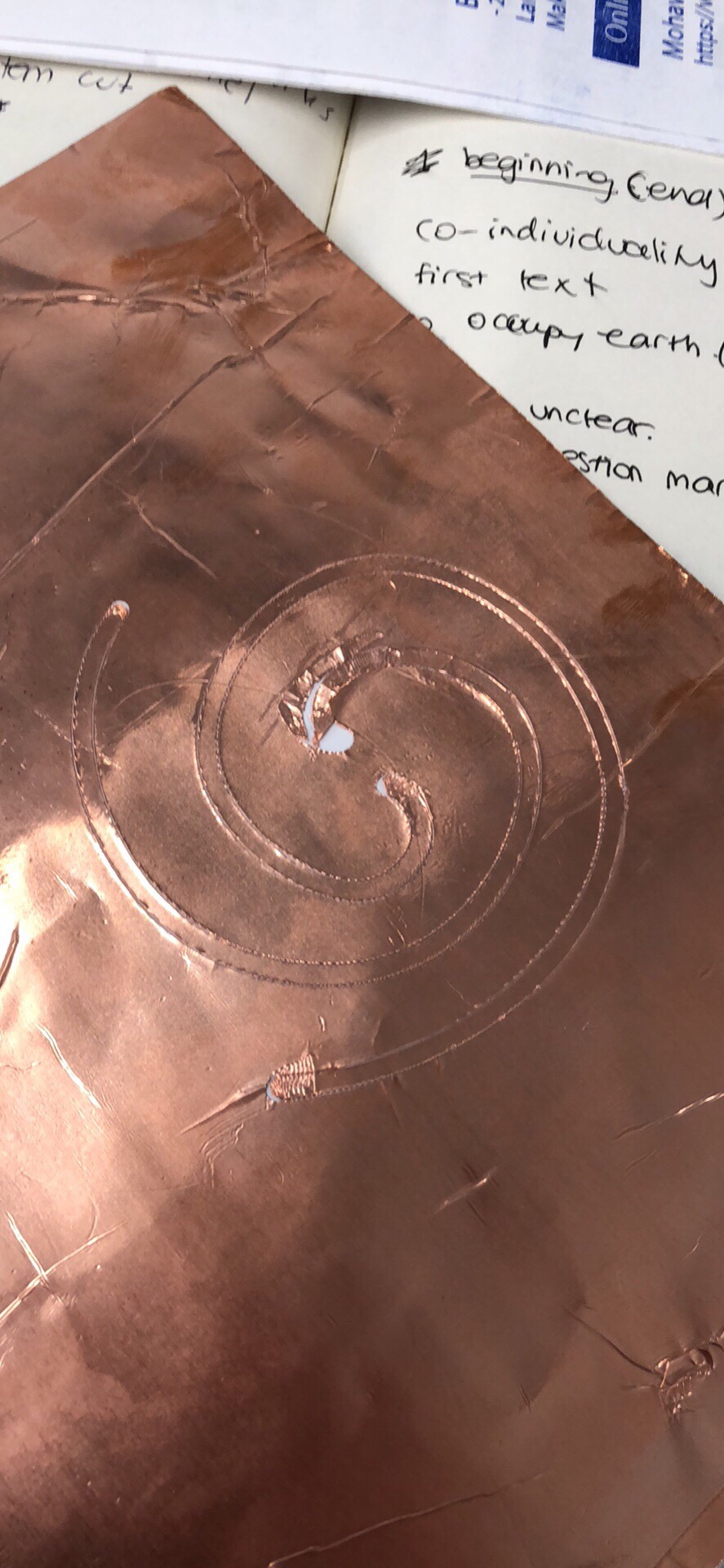
2. Connectors

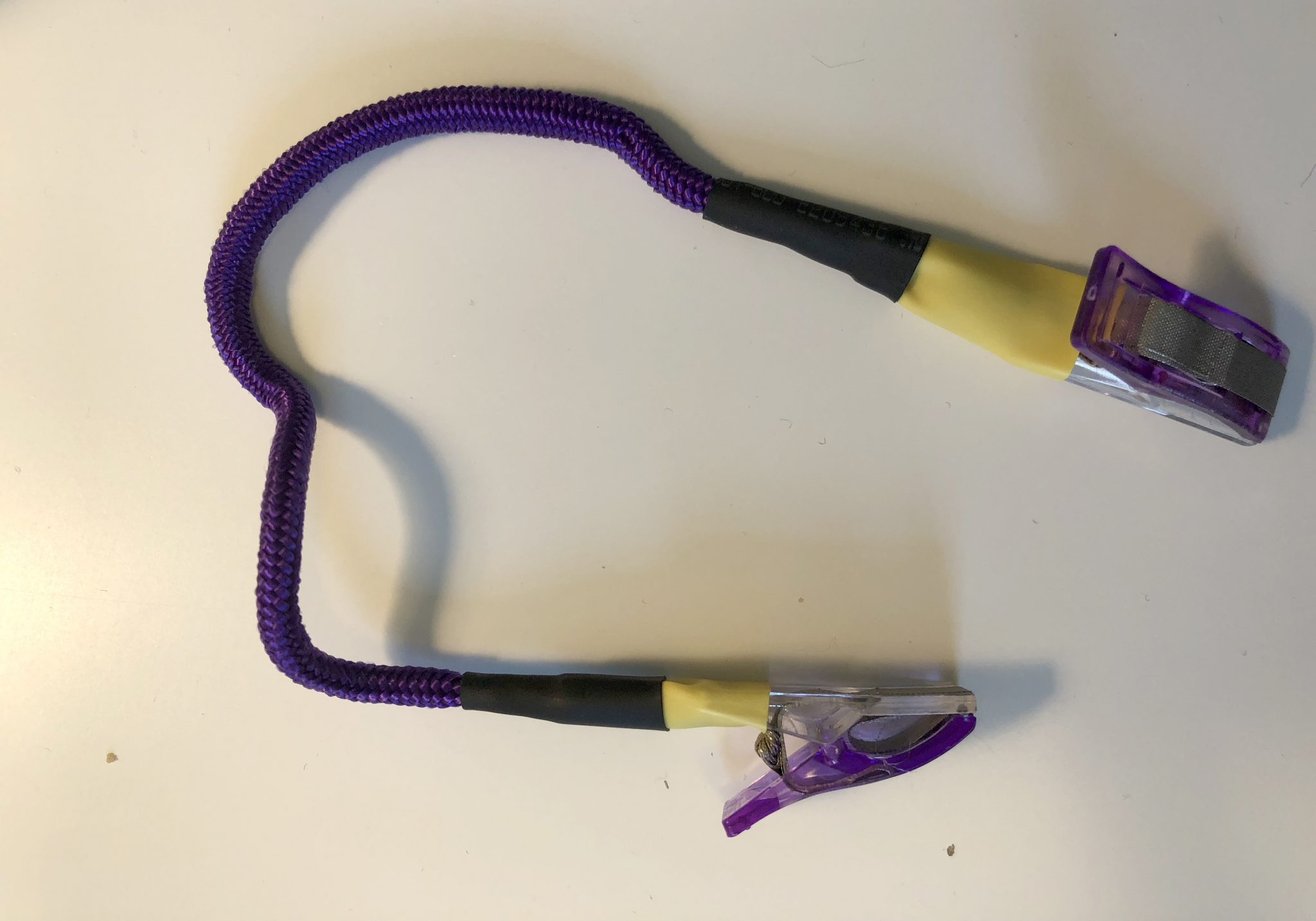
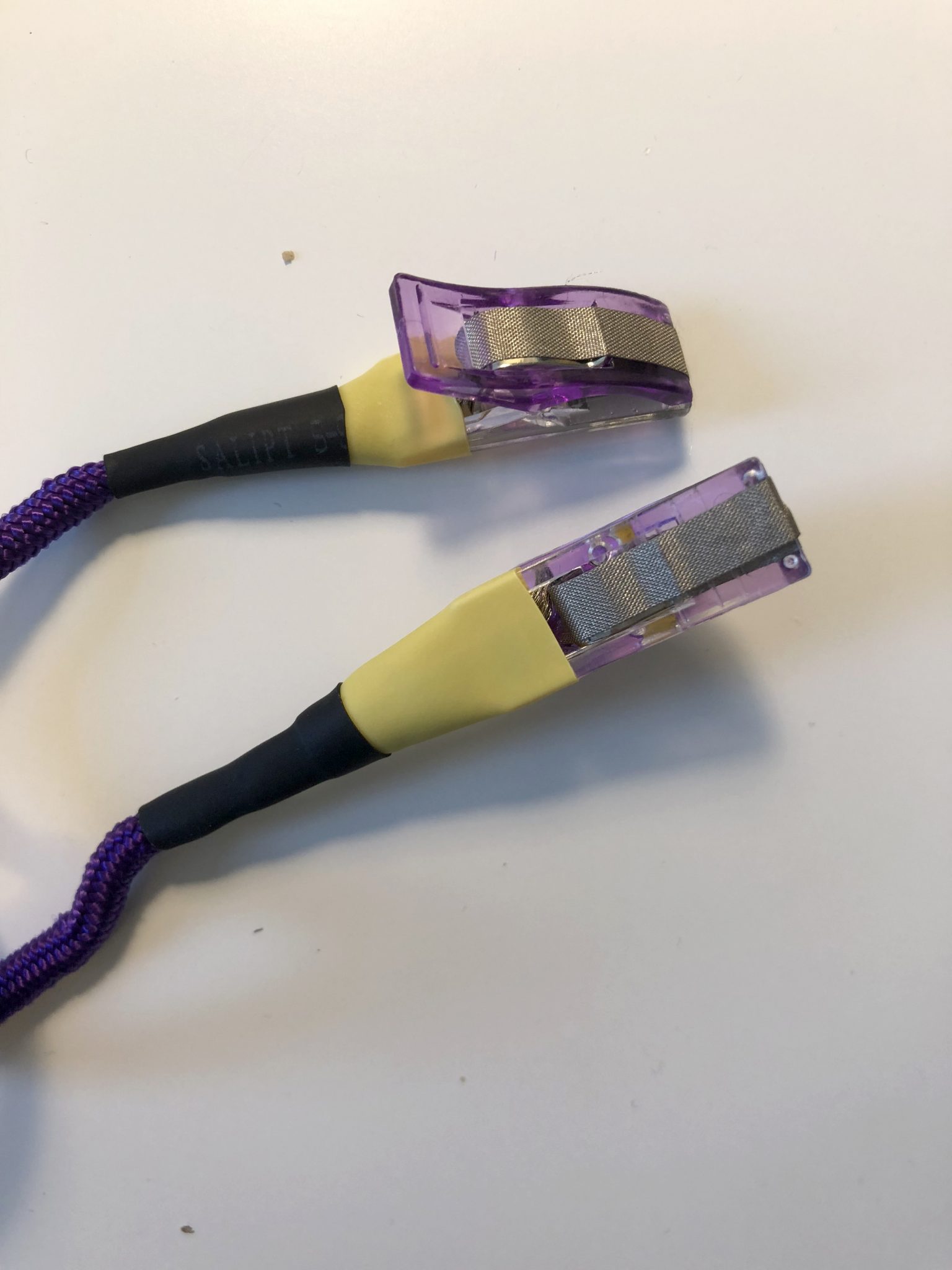
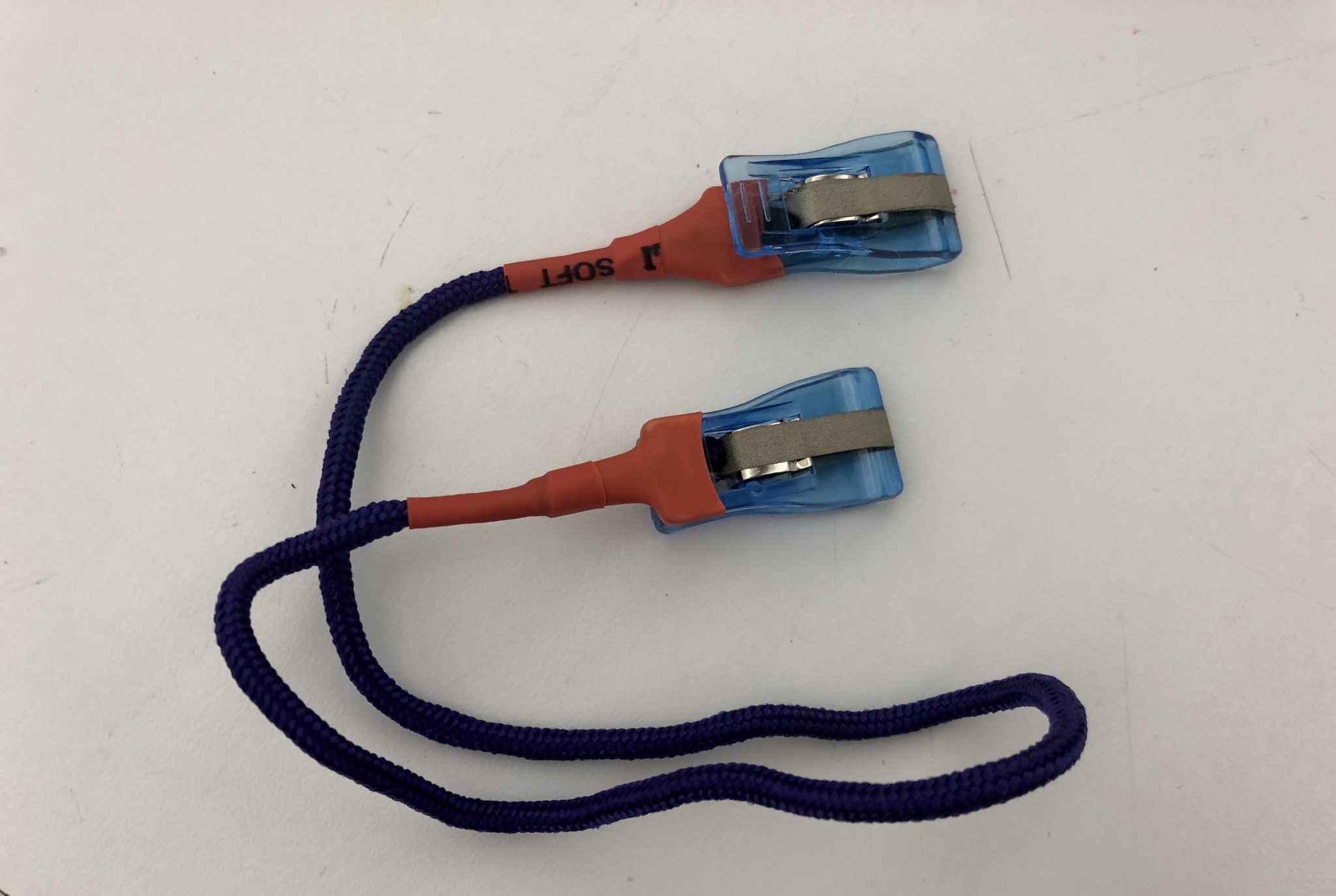
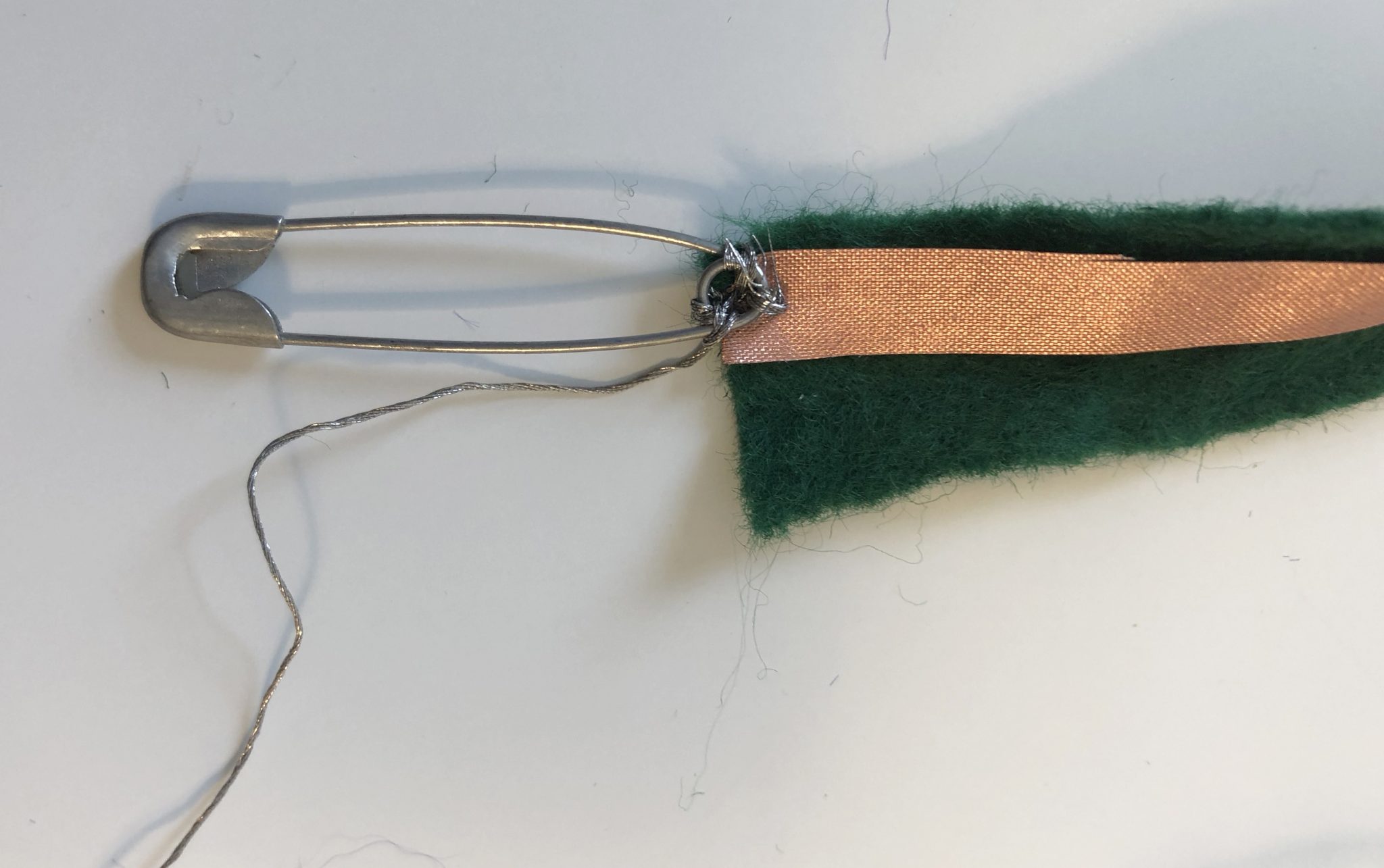
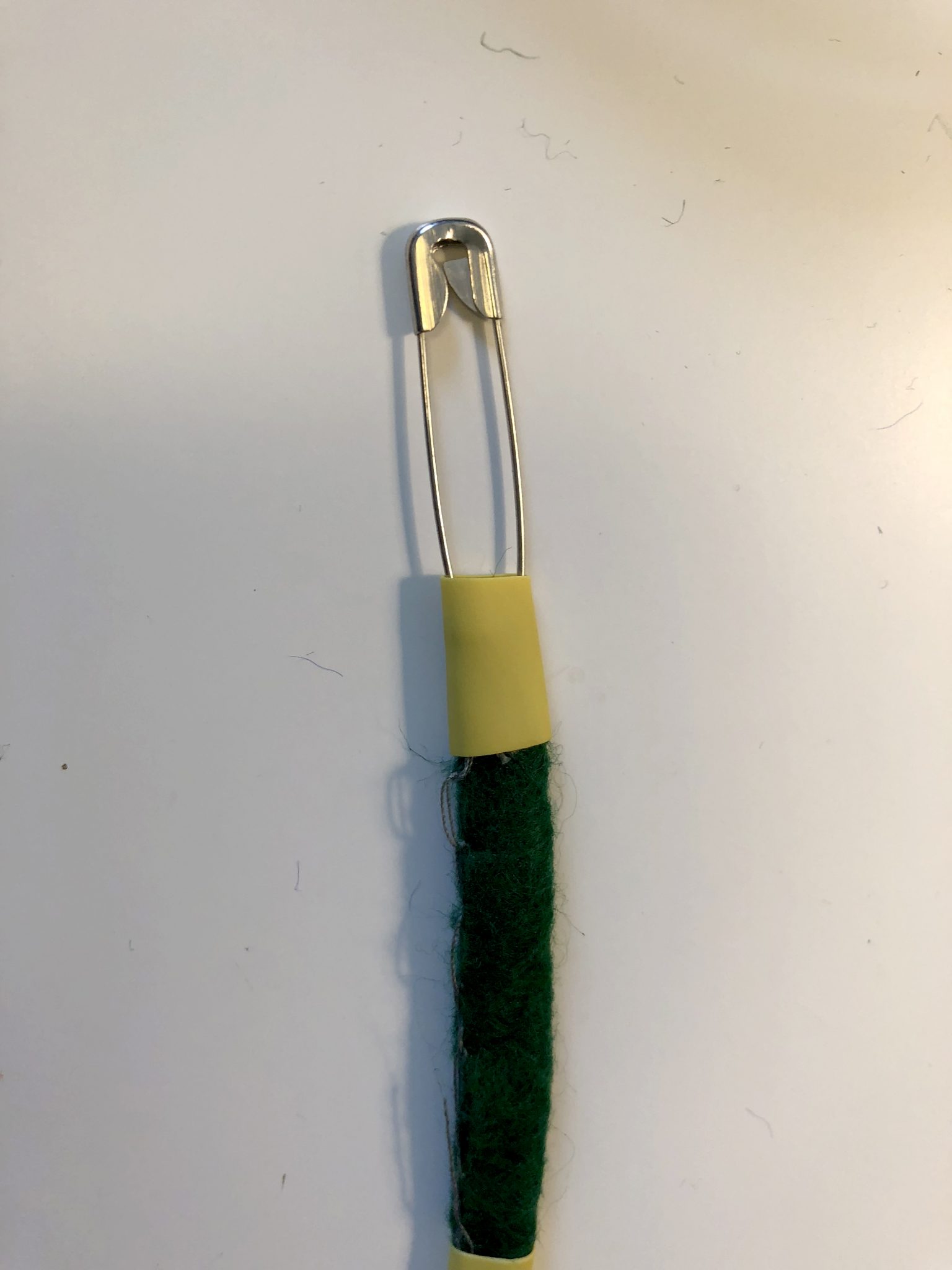
I wanted to give a thought to my connectors to the ones I might be using in my practice.  I have two different sizes of plastic clip and a safety pin. I used copper fabric, conductive thread, heat shrink tubes and I assembled them to be resistant.
3. Invention

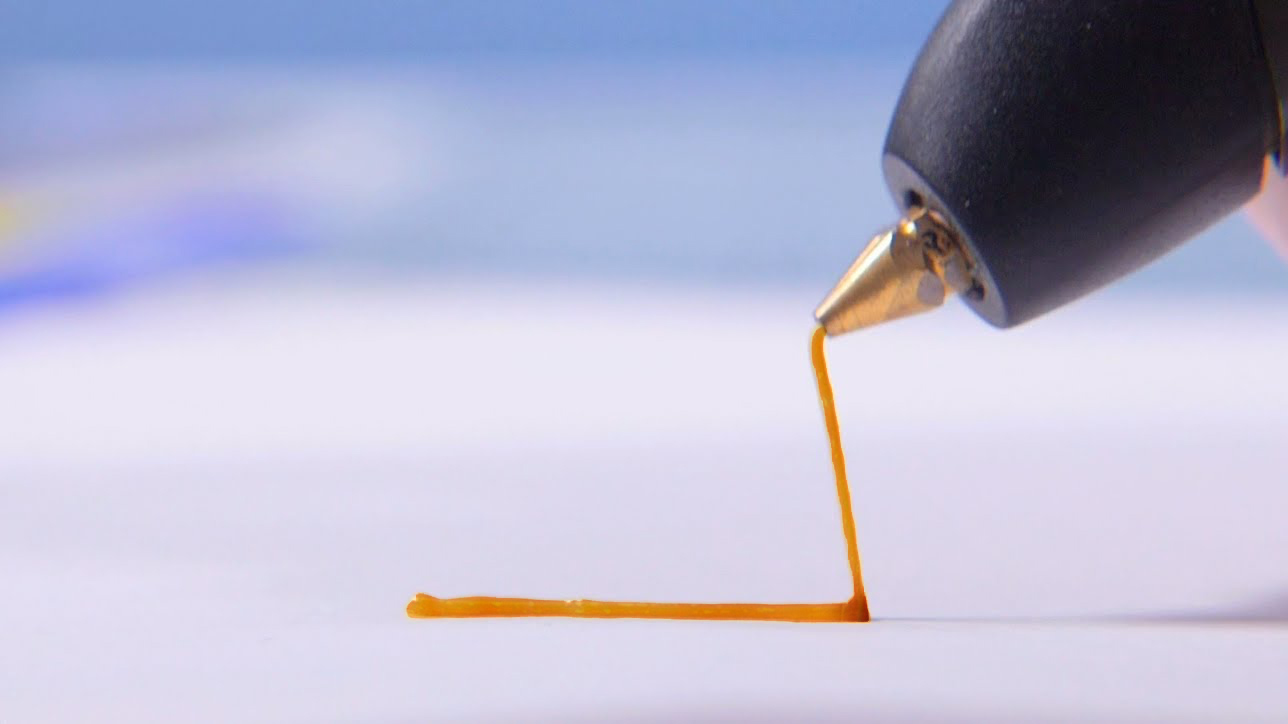
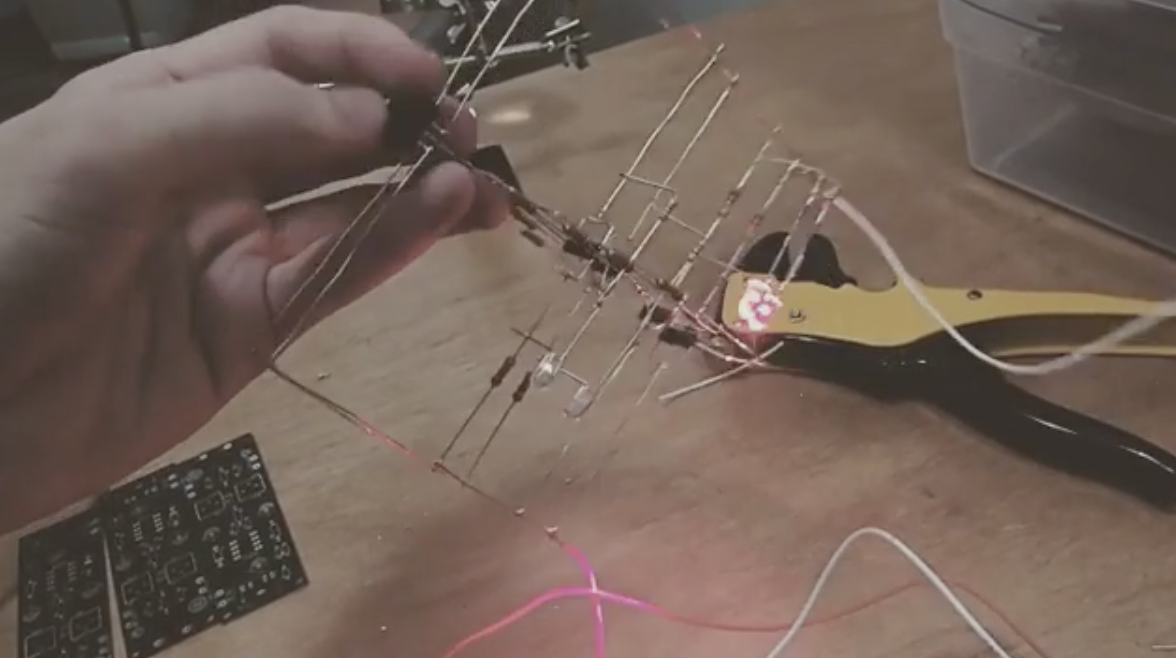
I wish I could have a 3d doodle printer that could fuse copper fluid to create an amazing geometrical structure including some electronic components.
Shenyue’s Assignment 5

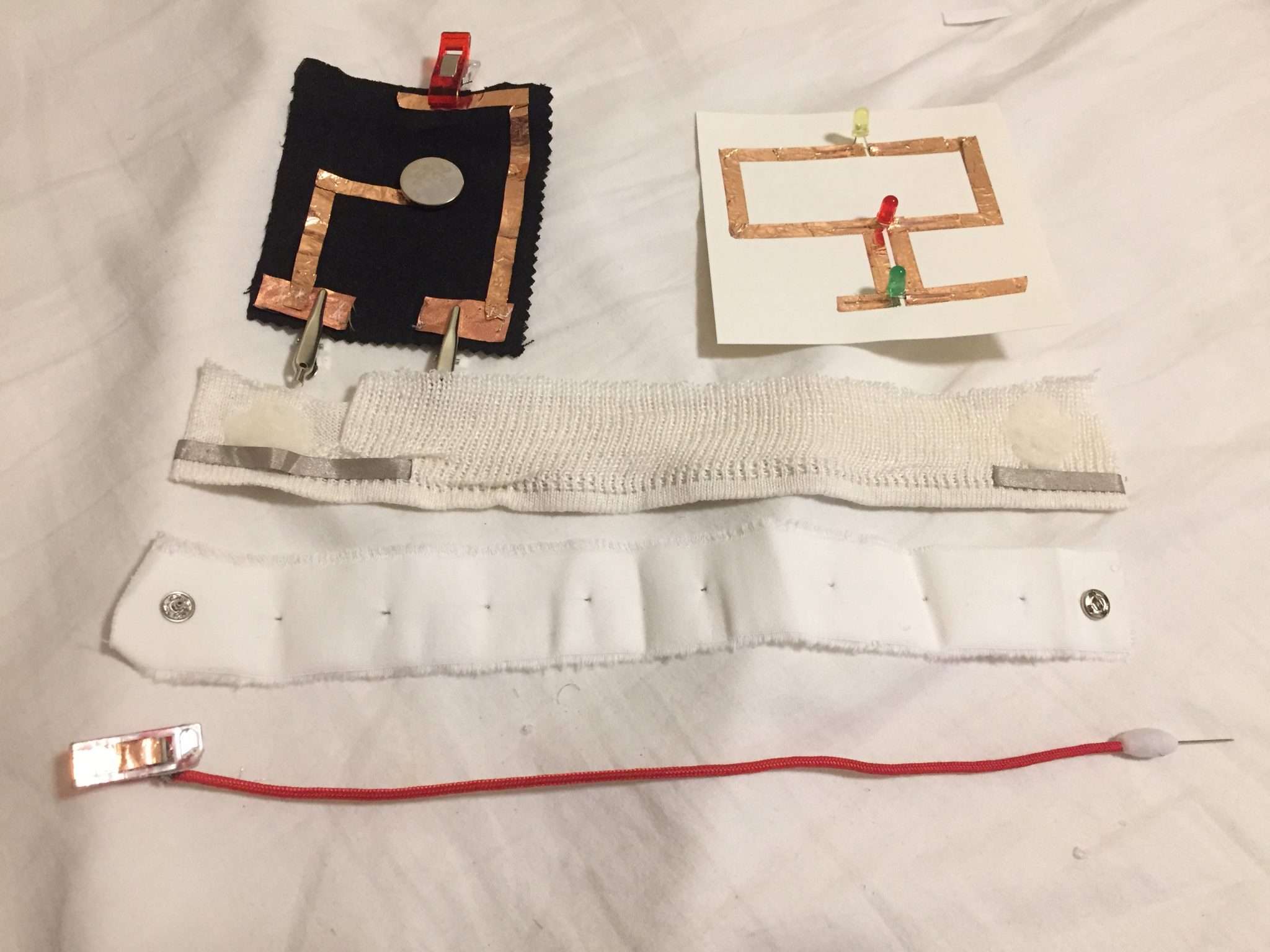
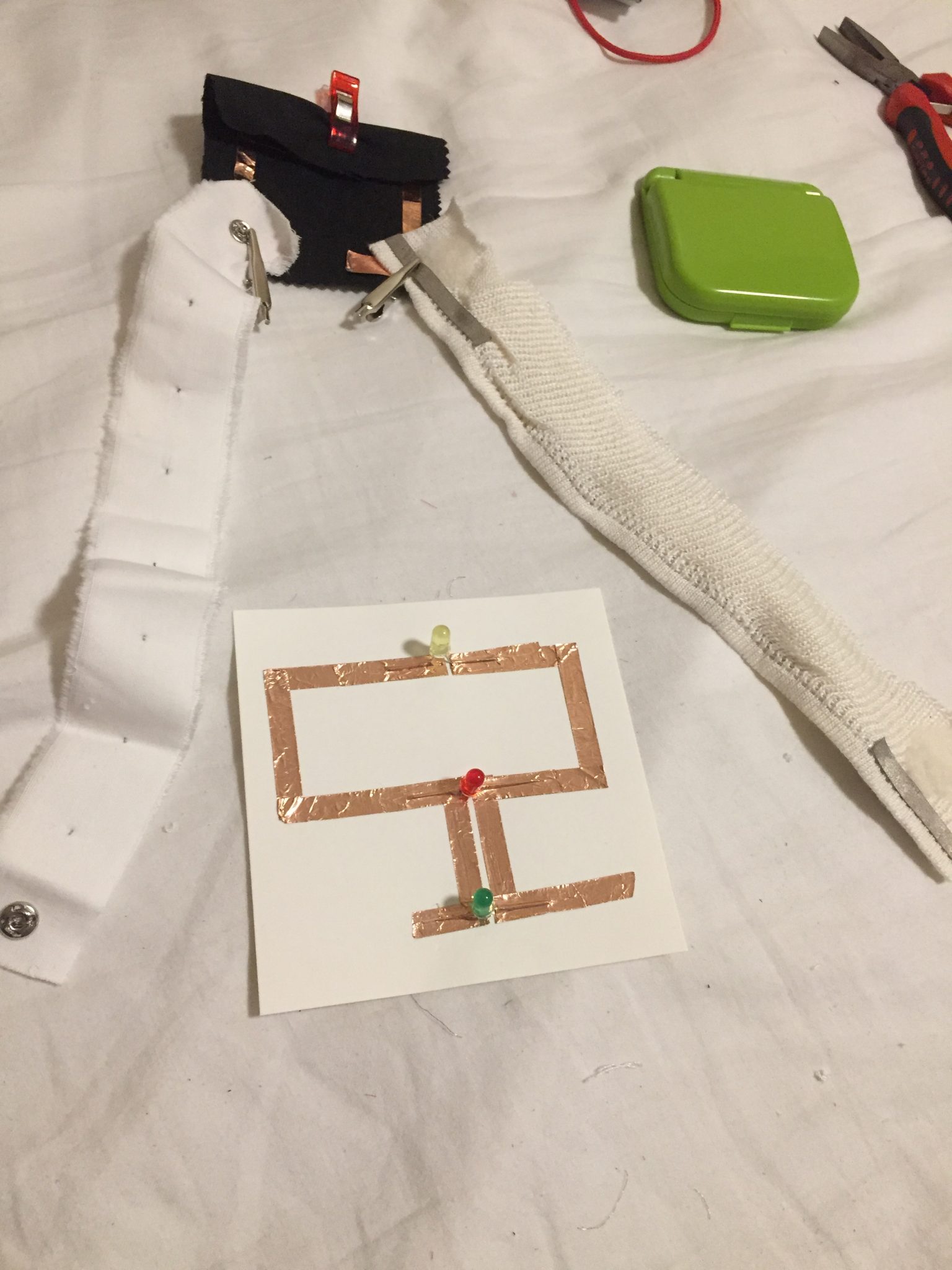
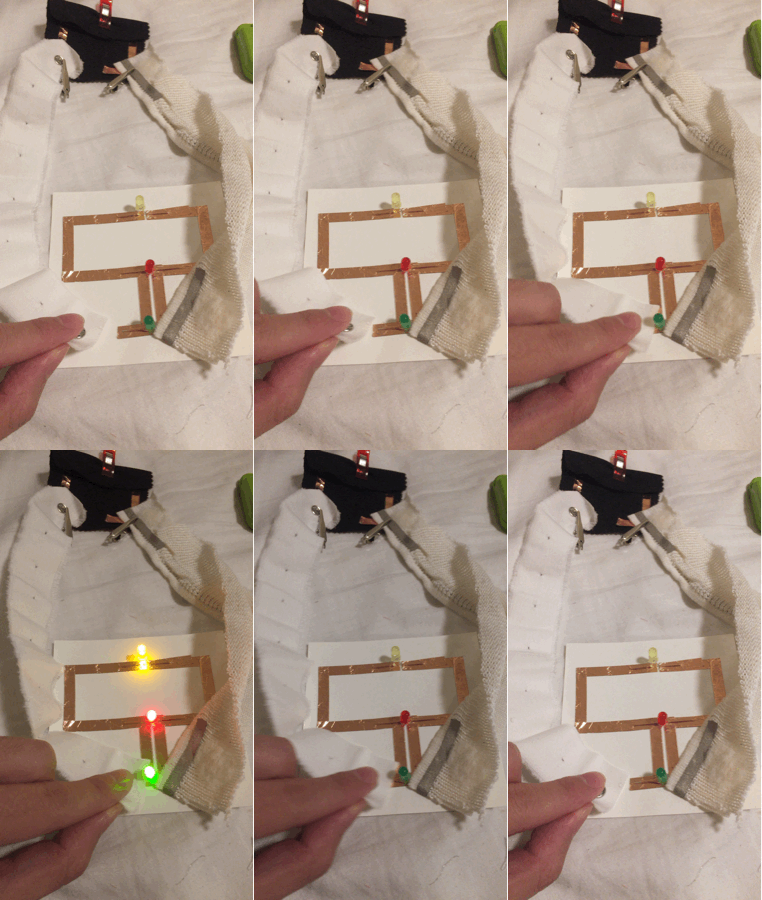
The first node I created is a circuit in series with red, green and yellow LED light.

For the second one I incorporated the switch I did for the last assignment that allow us to control the red light.

The tool I want to create is a punch for sewing that can be used for punching a straight line of little holes. It would be easier when we sew in a way that we don’t have to push very hard to pierce the fabric and it should be helpful to keep the sewing straight.
 

Assignment 3

I used painting canvas and cardboard as materials to create the switch/sensor and it turns on the light bulb when you press it hard and turns off when you release you finger. I sewed on the edges of canvas to close it, with a cardboard and copper tape inside. And for the new skill, I practiced on sewing. In the beginning I found that it is hard to find a hole to pierce through but as I was getting more familiar with the technique, I get used to it by pushing the needle harder.

IMG_0624


Week 5- Nodes and Connectors

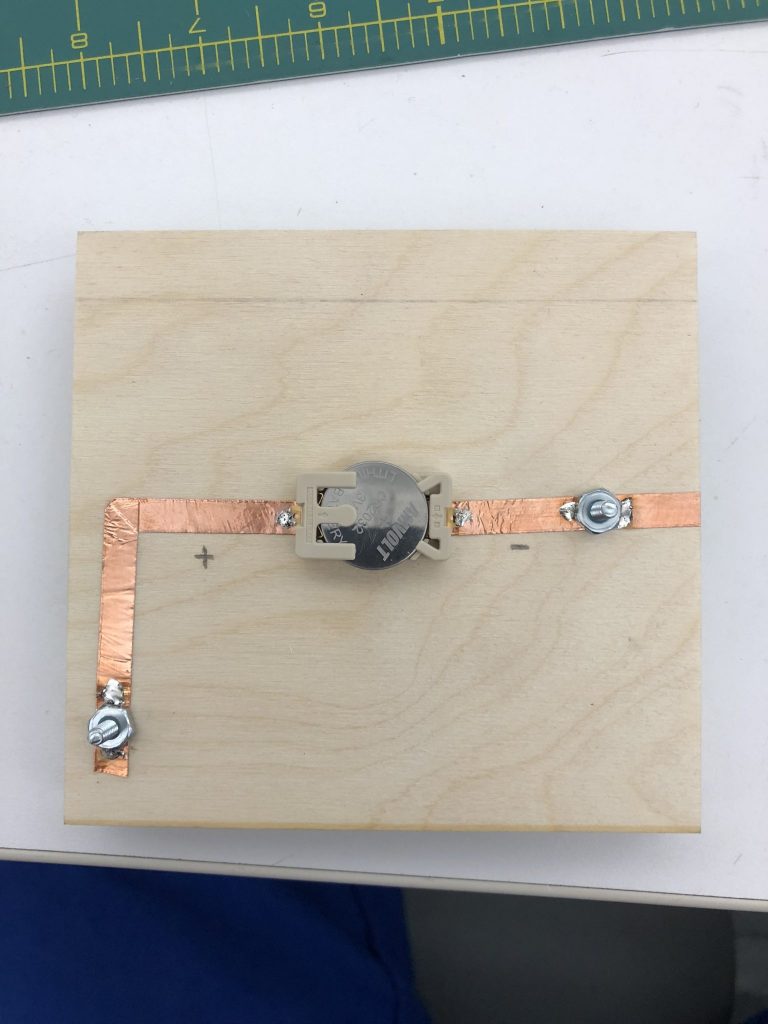
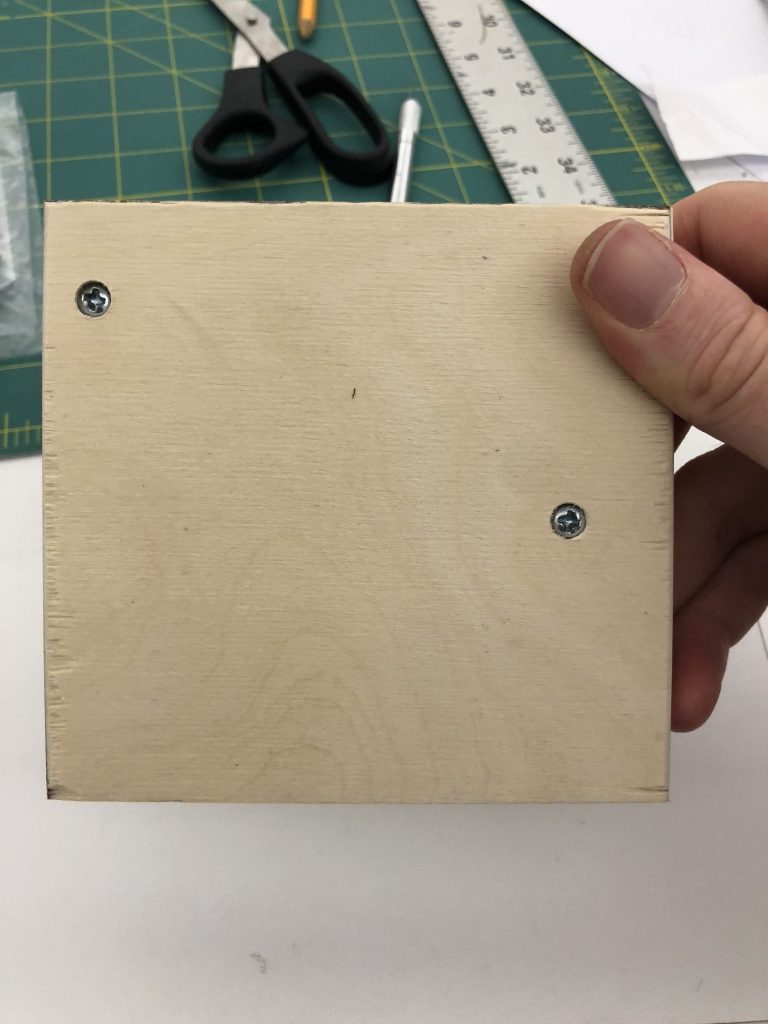
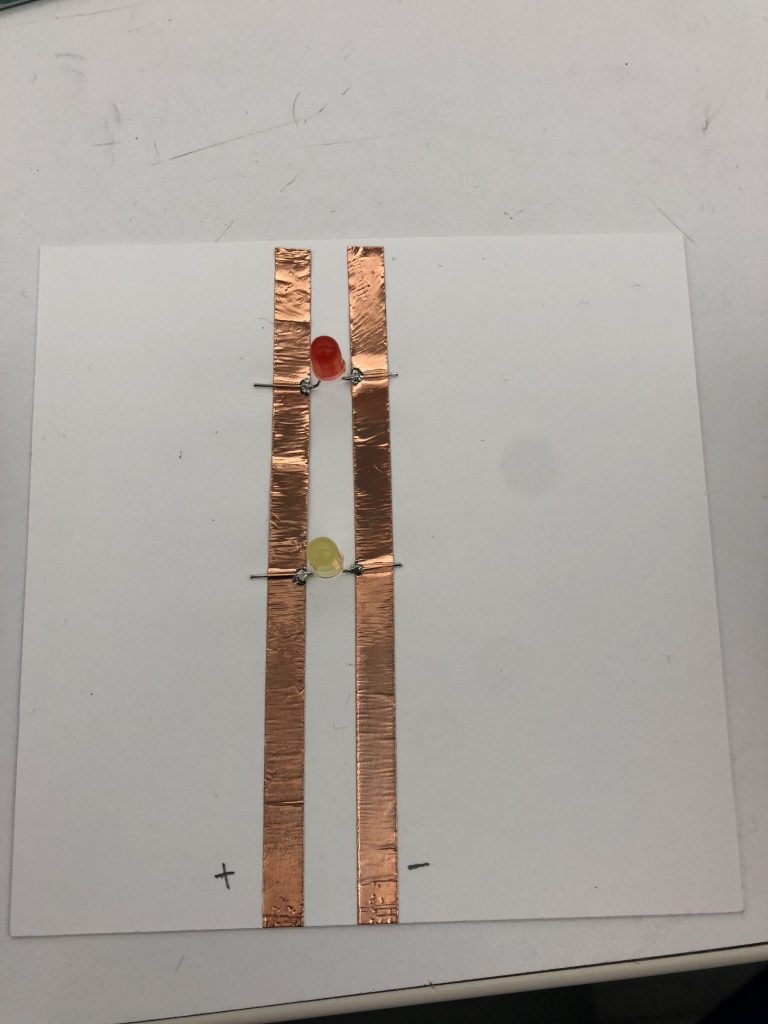
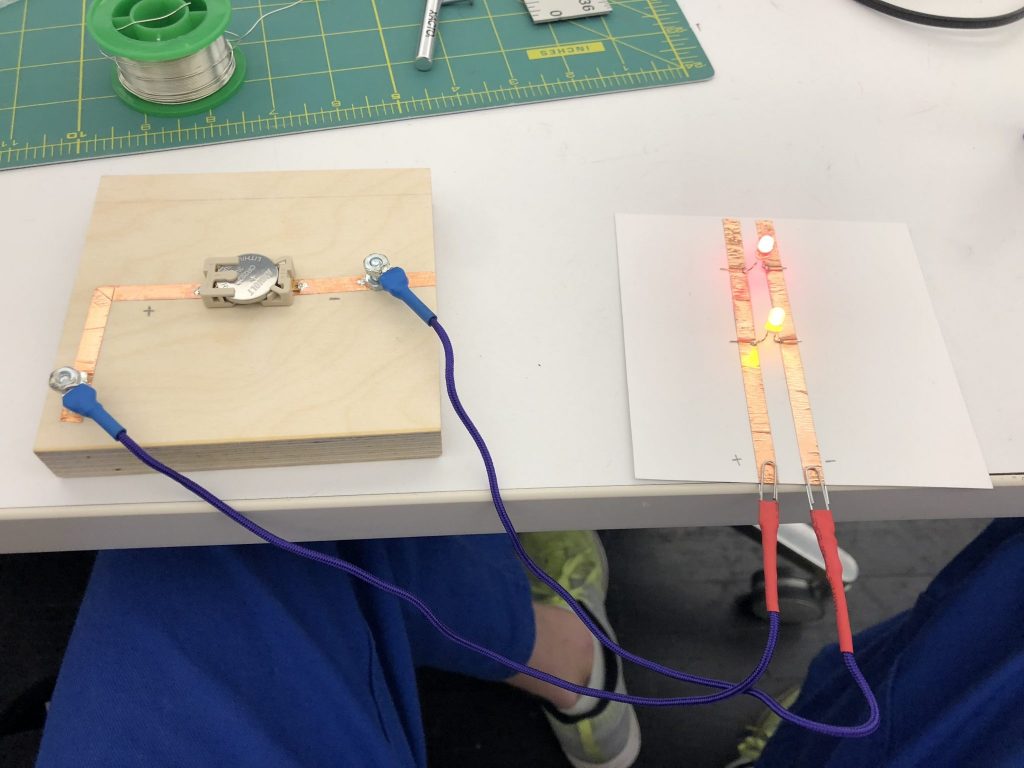
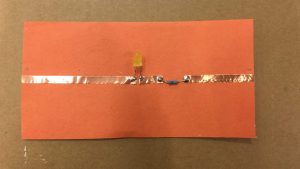
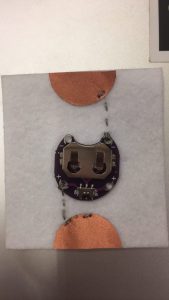
For this week I created two nodes, one from wood, the other from paper. As usual I really enjoyed using the different tools in the wood shop to create the node that is the power source. I would have liked to create my own battery holder rather than using one of the ready made ones, but this gives me an excuse to continue experimenting. Below are pictures of the nodes.

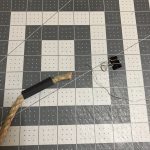
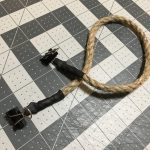
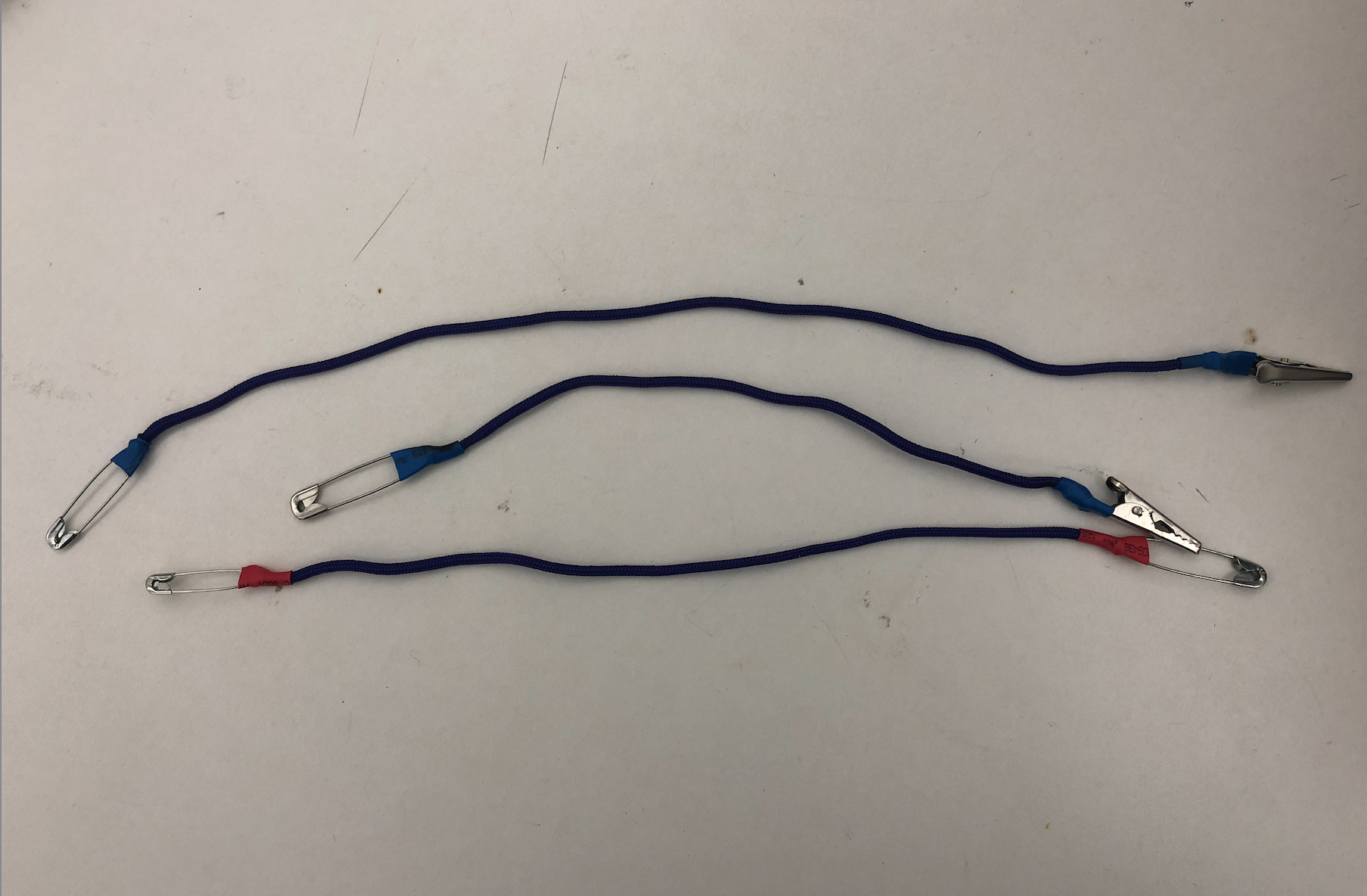
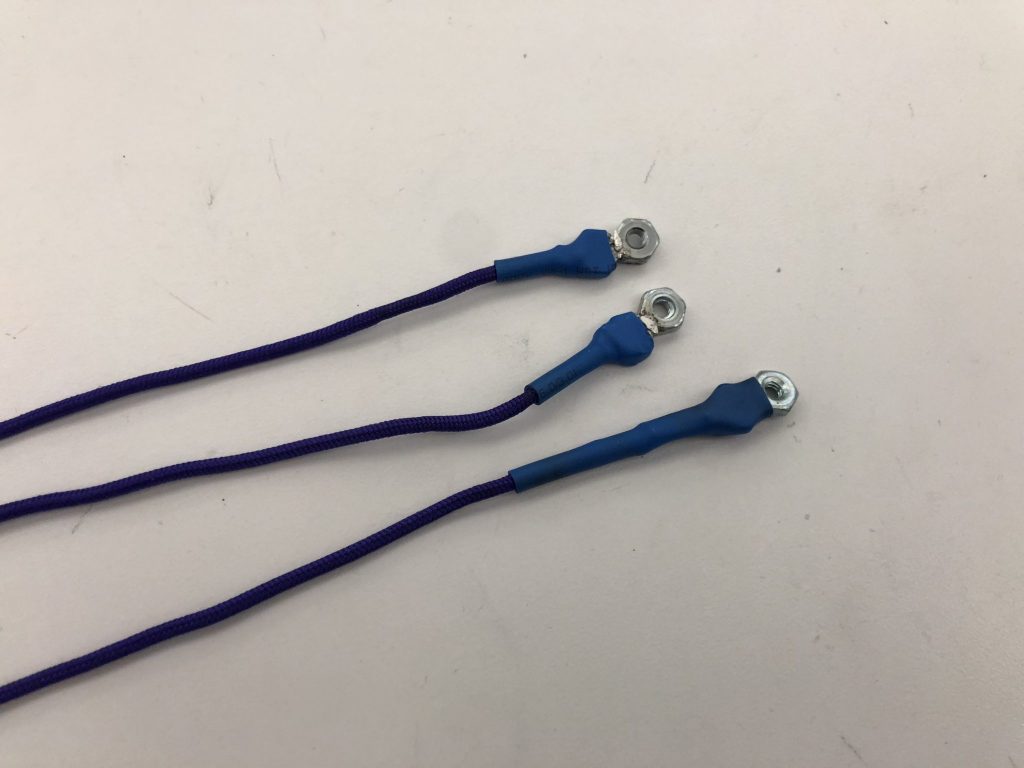
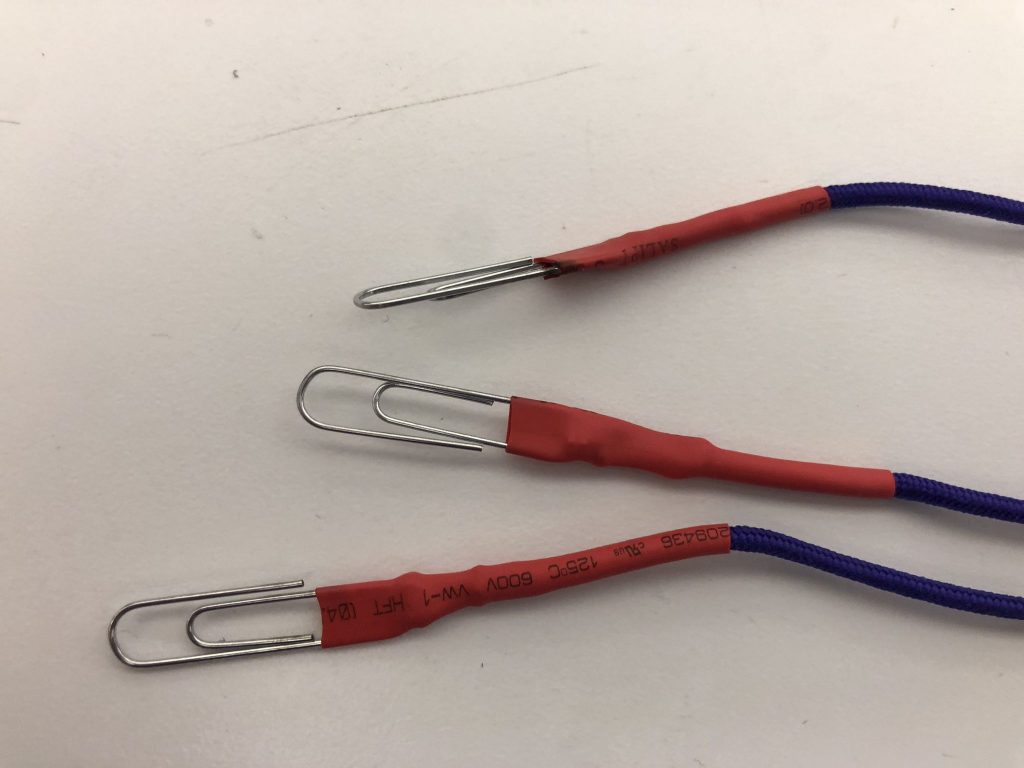
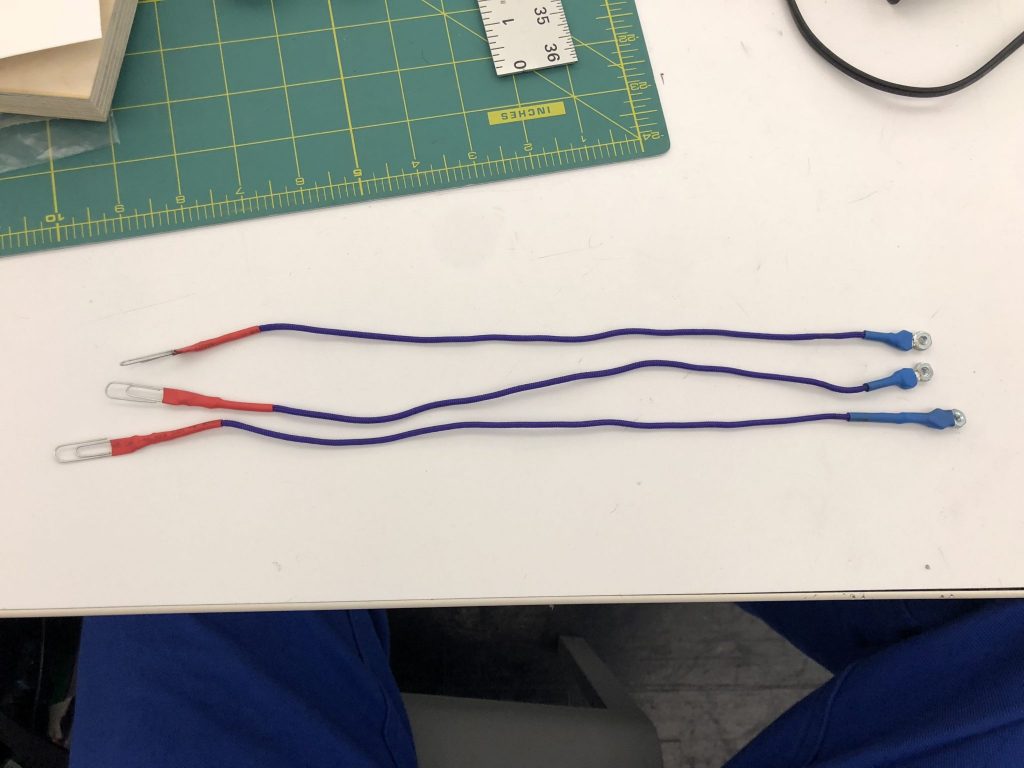
The connectors I created were equally enjoyable to craft. To connect to the wood node I used two nuts soldered together, one of which is covered by heat shrink. I discovered that soldering is not very strong, if I were to continue iterating on this I would first super glue the nuts together before soldering them. Attached are pictures of the flexible connectors.

As far as new tool I would like to have a tape gun that dispensed copper tape!

Week 5 HW – Zhenyuan Shi

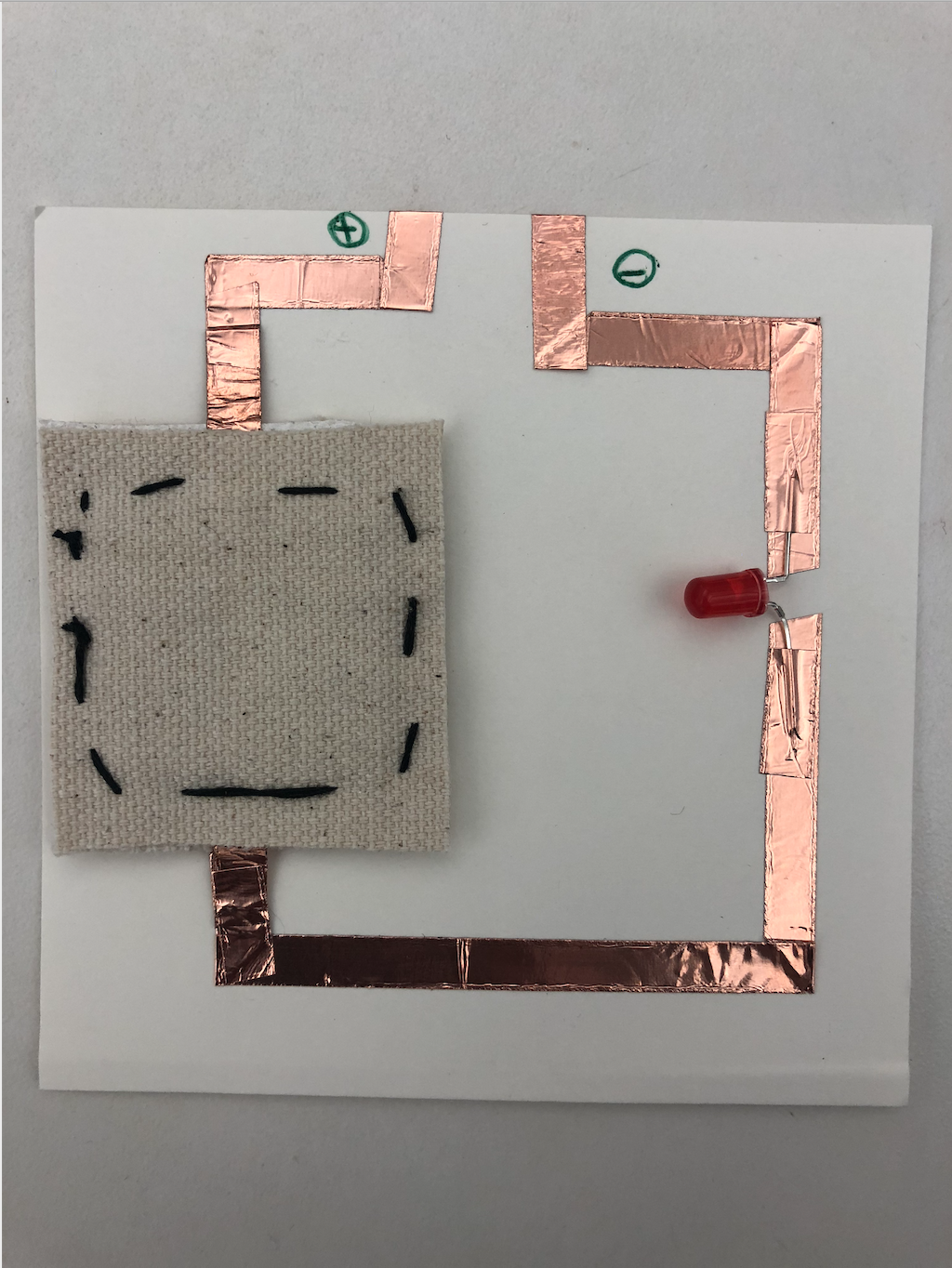
For this week, I created a node for battery with felt and conductive thread, then I made a node for LED with paper and copper tape.


Then I created three nodes(two kinds), the first two with felt and buttons, then one with wires, paper clip, and conductive fabric.


Week 5 – Erica

Nodes and connectors

The two nodes I created for this week’s assignment are 1- LED textile node and 2 – fabric battery holder. I solder the LEDs on the fabric ribbon then sew it on the base. I used conductive thread and metal snap buttons to link this node to the battery node. The battery node is also on top of a piece of fabric swatch and has conductive threads with metal snaps. Two of the connectors are made with conductive thread + metal snap and the other one is made with the little clips from Liza.

The tool I want but does not exist yet is a sewing machine for conductive threads and conductive materials. The current machines are not always great with conductive threads so having a machine just for that will make my life a lot easier. Maybe the bobbin and needle are made with special material.

Week 5 – Neil V. Techapanichgul

Nodes and Connectors

CONNECTORS

I try to make the basic connectors with different materials that I have. I come up with Fabric tape connector, Button connector and Snap and Needle connector. I use playful materials to experiment with conductivity for each one. They all work perfectly.

3 Connector Tools:

  1. conductive fabric
  2. conductive thread, metal button
  3. alligator clip and needle

NODES

So the battery node is using the folding technique to let you easily change coin cell battery. For the LEDs, I use three lights as the indicators to test the circuit works.