Week 9: Assignment

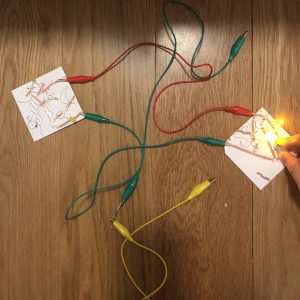
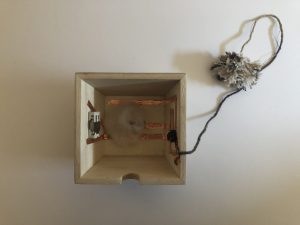
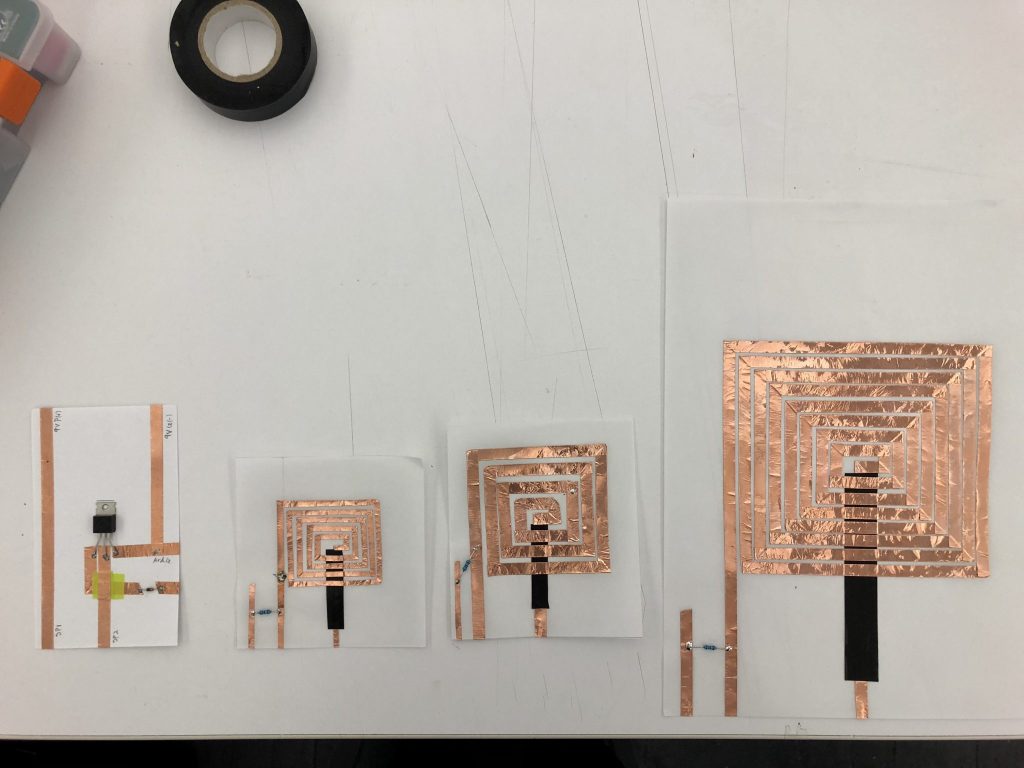
For this absolutely magical assignment I made my speakers in three different sizes, small, medium, and large. While I was working on this assignment on D12 people were various curious. Once I had finished making the speakers my classmates had so much fun listening to them!


Midterm_Sungmin Ashley Ro(updated)

MIDTERM ASSIGNMENT: LAMP FOR A CLOSET!

  • link to Instructable website: https://www.instructables.com/id/Light-Hanger-1/

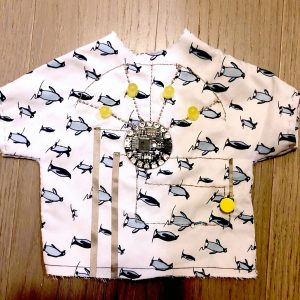
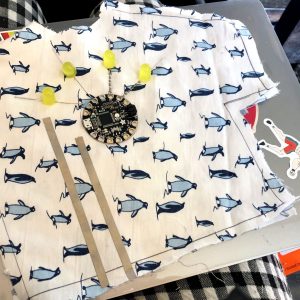
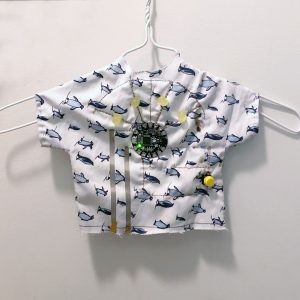
I often thought that I needed a separate light just for a closet. There were some situations when I did not want to turn on my room light to grab something out of closet.. especially not to wake up my roommate and pets. So I thought about creating a moveable light on a hanger.

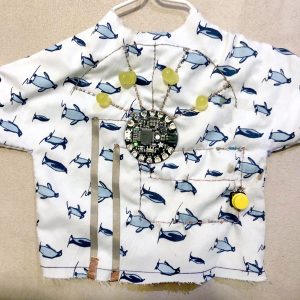
I planned to make the circuit directly onto one of my shirts, however, it did not quite work out because the shirt was too stretchy. Instead, I used pillow case fabric to make a mini shirt that can be hung on a hanger.

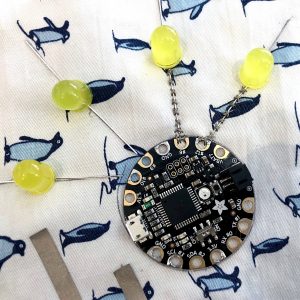
I created a circuit using Flora, LED lights, and a button that controls turning on/off the lights. When Flora is connected to a battery, a button is activated to control the lights.

 Materials used:

  • Pillow cover
  • LED lights * yellow
  • Flora (arduino)
  • A button
  • Conductive thread
  • Conductive fabric
  • Copper thread

Future iteration:

  • make more than one state for lights. (ex: blinking, lights partially on, etc)
  • make both side of the shirt work (add more lights on the other side of the shirt)


Shenyue’s Midterm Documentation

Here is my link for Midterm project on Instructables: https://www.instructables.com/id/Starry-Light/

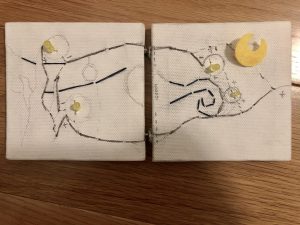
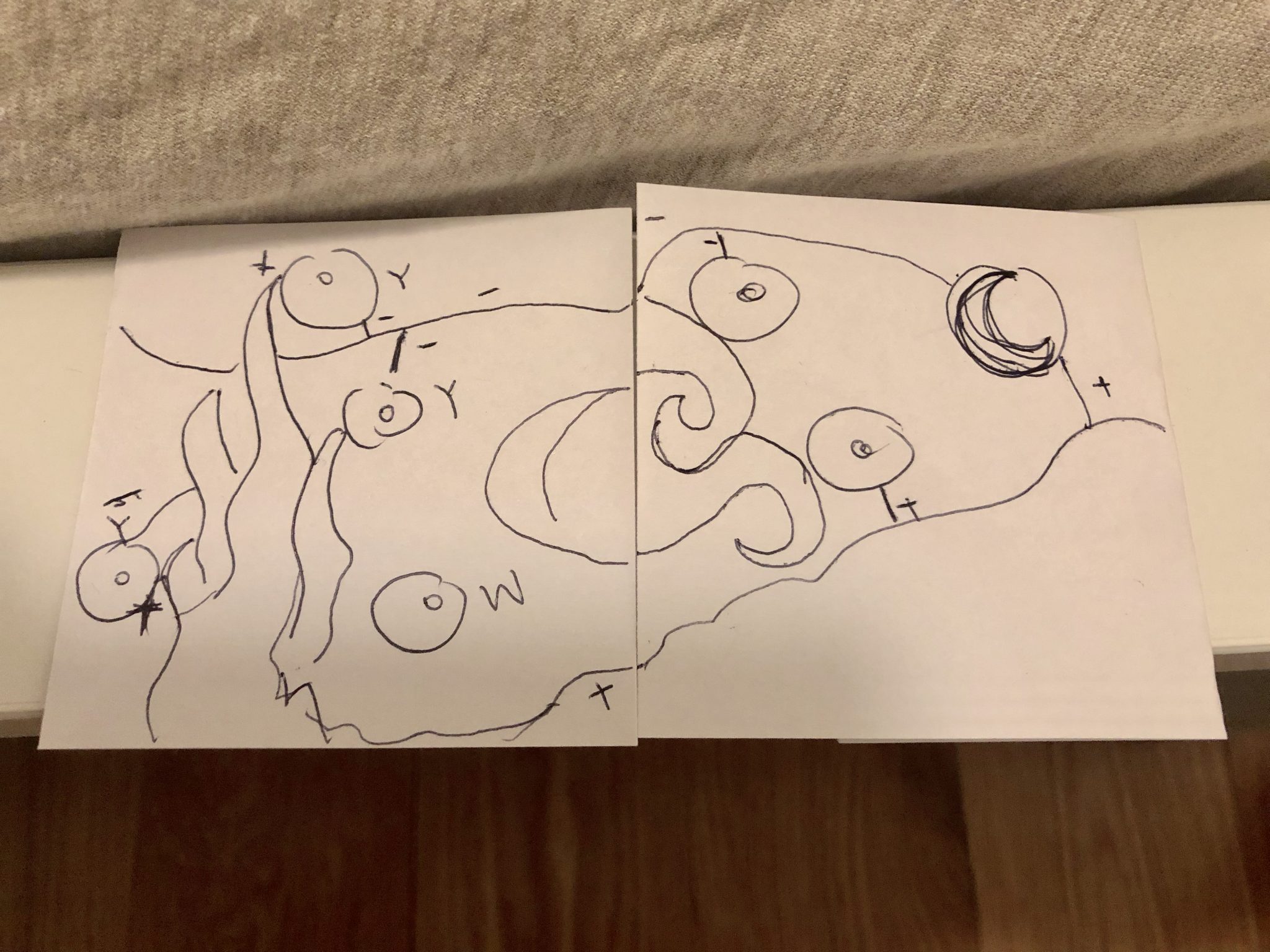
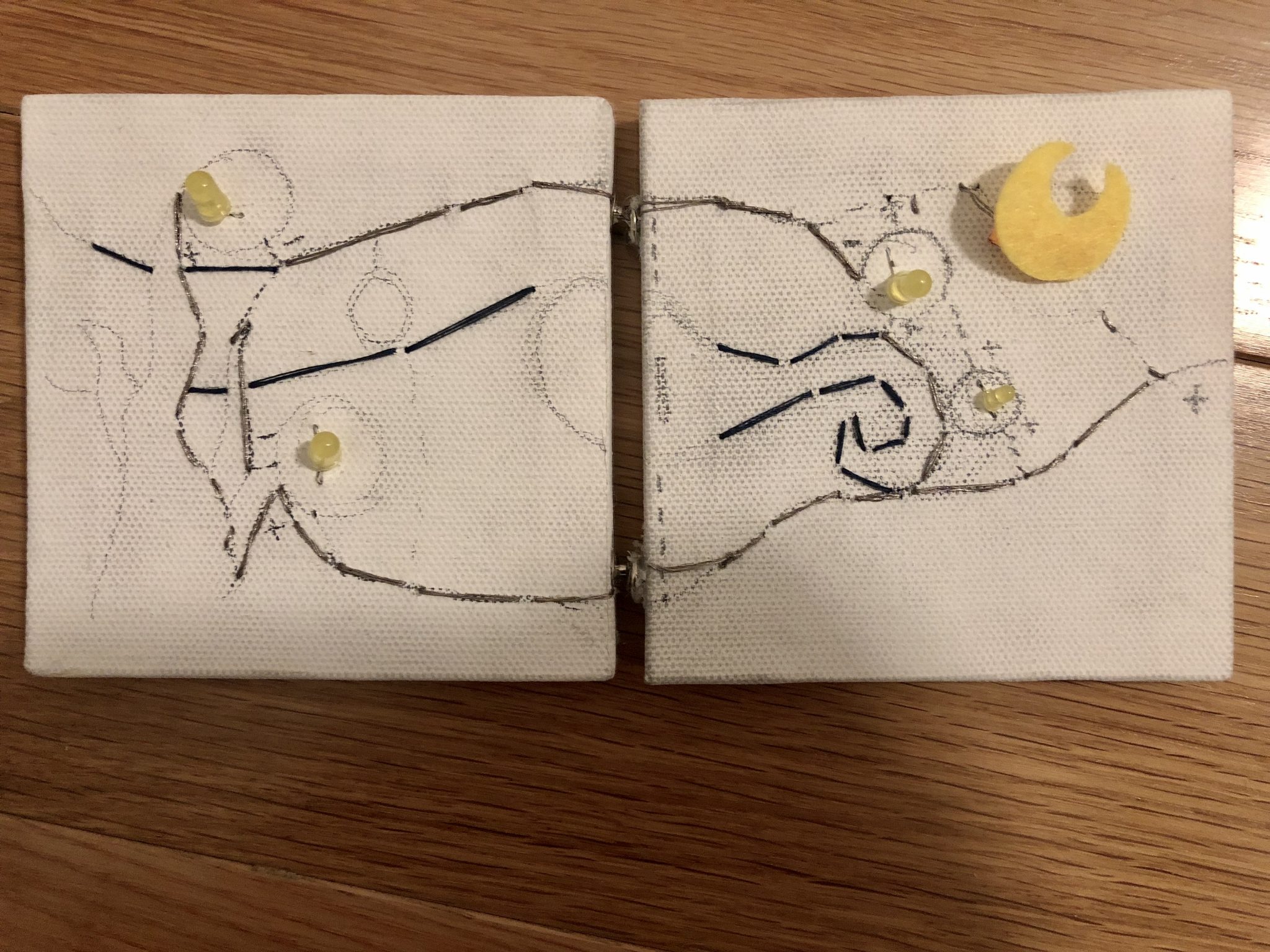
I intended to created a painting inspired by Starry Night, by Vincent van Gogh, using hand sewing on canvas. The stars in the sky have been designed to be LED lights that when connected the battery to the circuit, the yellow lights will light up. Also the painting is divided into two parts. The right one has switch that can control the circuit while the left one is simply a part of circuit. When they are separate, only the right part can be a complete painting in which we can use switch to control the lights. When they are connected, they form a whole larger painting, which the switch can control the whole lights.

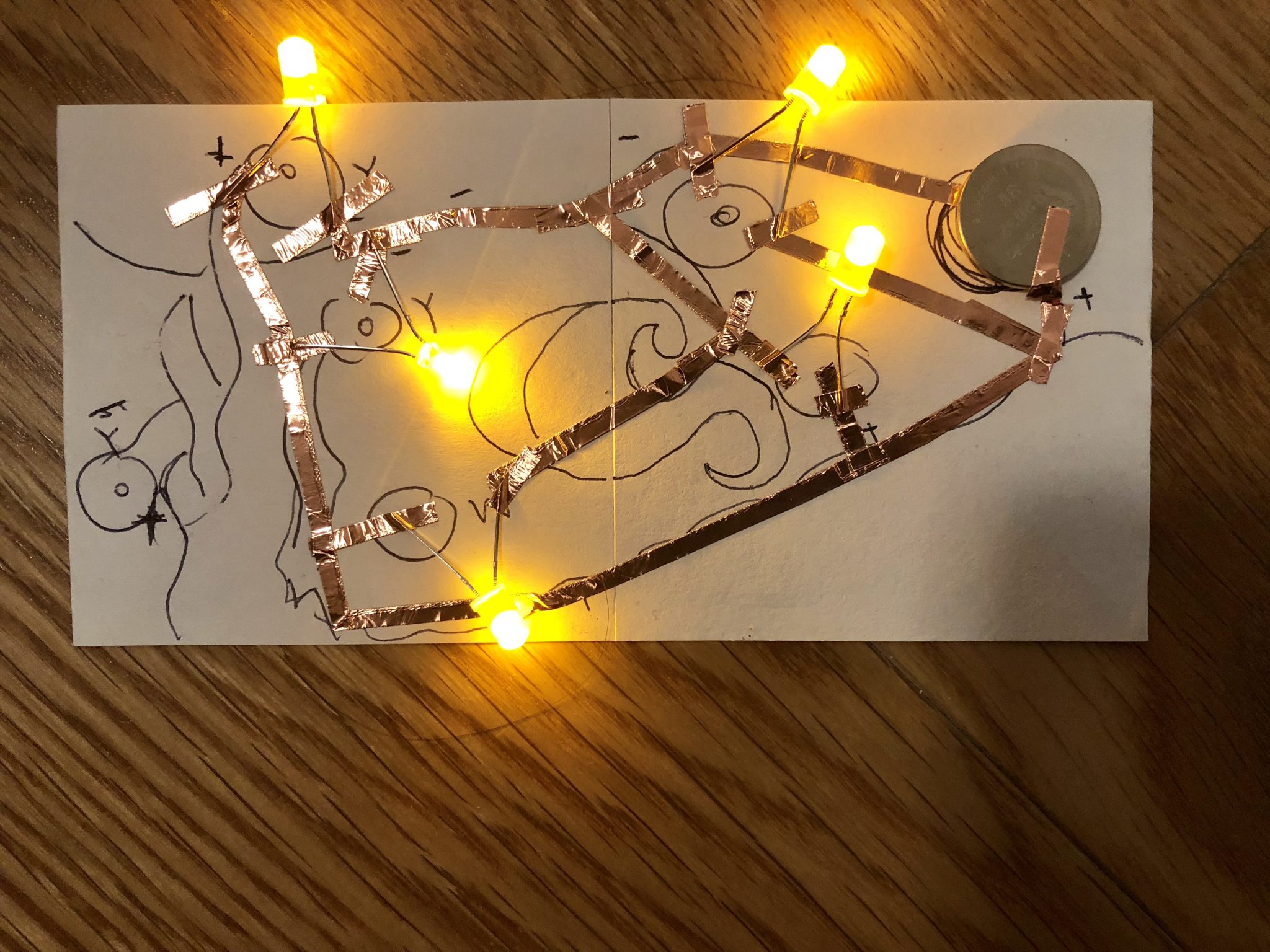
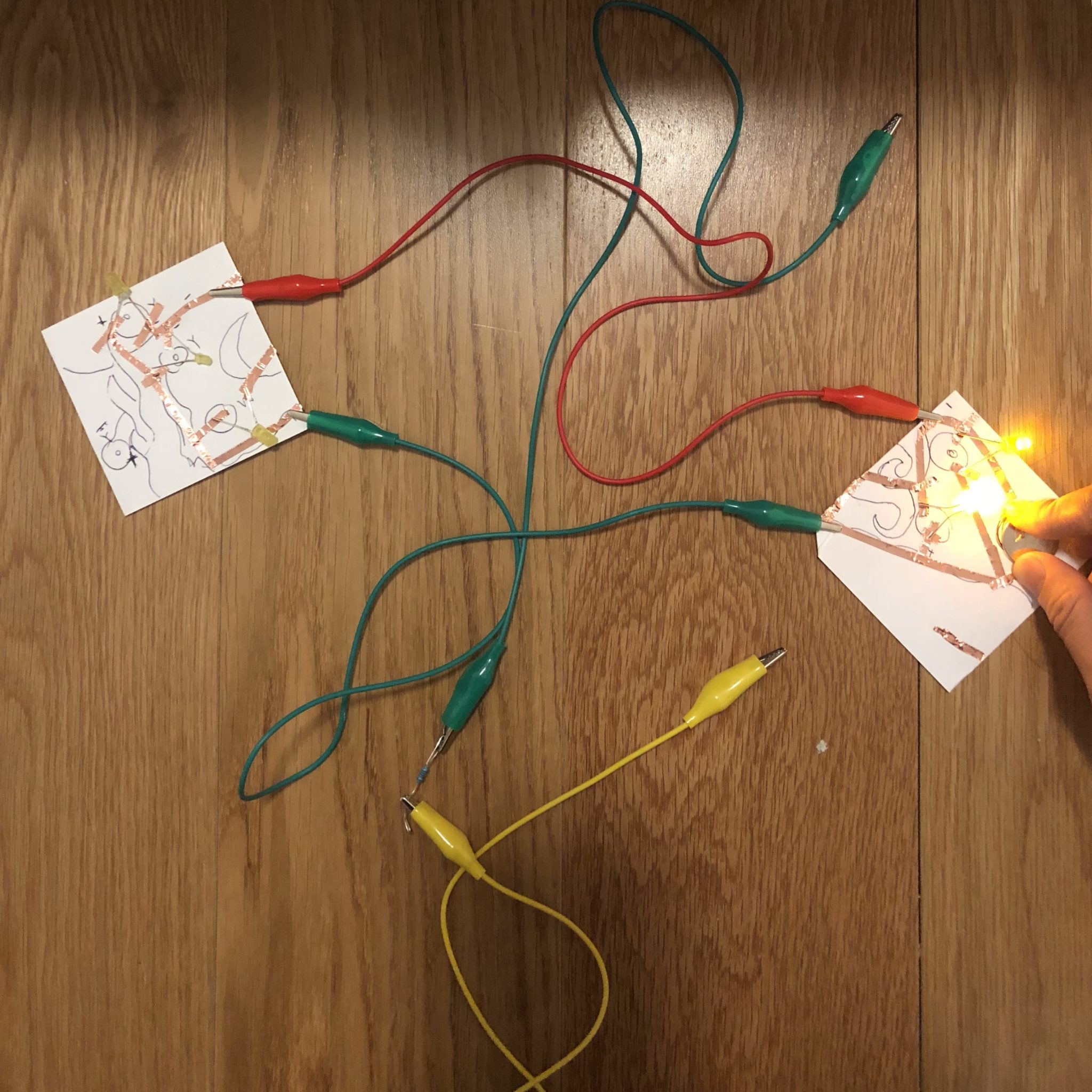
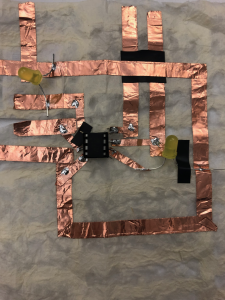
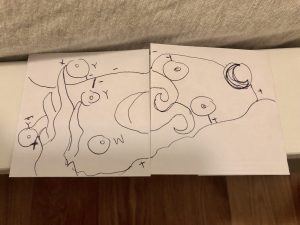
At the beginning, I drew the circuit on the paper, intending to incorporate circuit into lines of drawing. I used copper tape to cover the circuit to test everything was working and there was no short circuit.
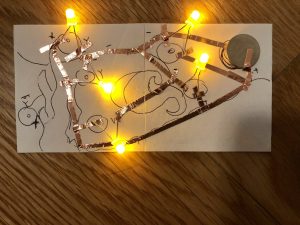
Then, I drew the draft on the canvas and started sewing the conductive thread onto the canvas.
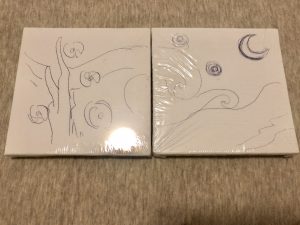
After checking my conductive thread and lightbulbs were working, I sewed more colorful thread for the decoration. Below is the final version of the project.

IMG_2942.TRIM


Week 7 – Anna

Midterm

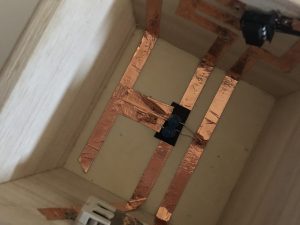
I created a coaster that uses an existing interaction (putting a glass on a coaster) to close a circuit and complete the lamp. My original hope was that when different glasses/drinks were placed on the coaster, different colors and shapes of light would be  illuminated– a modular lamp of sorts.

The circuit works as hoped: the lights shine when (and only when) a glass is on the coaster. But if I were to do it again, I’d use brighter lights and/or a more transparent surface for the lights to shine through. As is, it’s a little dim.

Instructables link: https://www.instructables.com/id/LED-Coaster

ATtiny

Week 8 – Xu Han Midterm Documentation

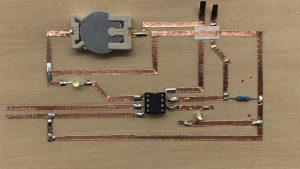
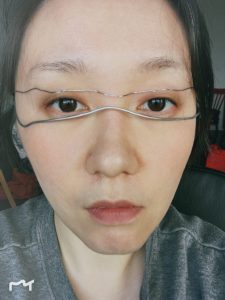
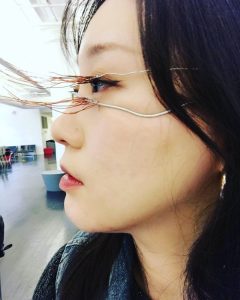
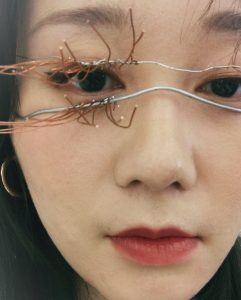
I am interested in human unconsciousness activities like blinking eyes. This small action is necessary for keeping eyes functional which always open and close. I was wondering if I can make a speculative switch based on these on-offs to control turn on and turn off the light.


For further step, I want to create information (language) according to Morse code by using this switch.

Documentation with a light bulb.

Week 7 & Midterm – Youchun Zhang

Instructable link: https://www.instructables.com/id/Yarn-Globe-Meditation-Lamp/

I was inspired by the breathing rhythm from the fading effect. So I made this bird nest style lamp that can help people medidate when they feel really stressed.

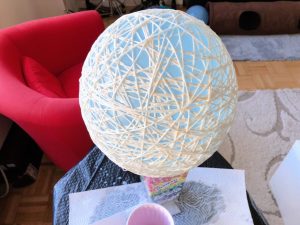
I started the process with making the yarn globe:

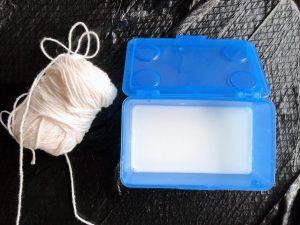
Soak the yarn into school glue

Wrap the yarn around a balloon

The code part is a combination of the ATtiny exercise (link) and the fading example.

Testing the ATtiny touch sensor

The yarn pom-pom is being used as a touch sensor. When holding it, the LEDs will be lit up with the fading effect. I only soldered two LEDs, therefore, it is not bright enough. For the future iteration, I am planning to use a brighter set of LEDs and also consider making several of them with different rhythms.