Learn a New Craft: Sewing with Jane + Cathy (Week 5)

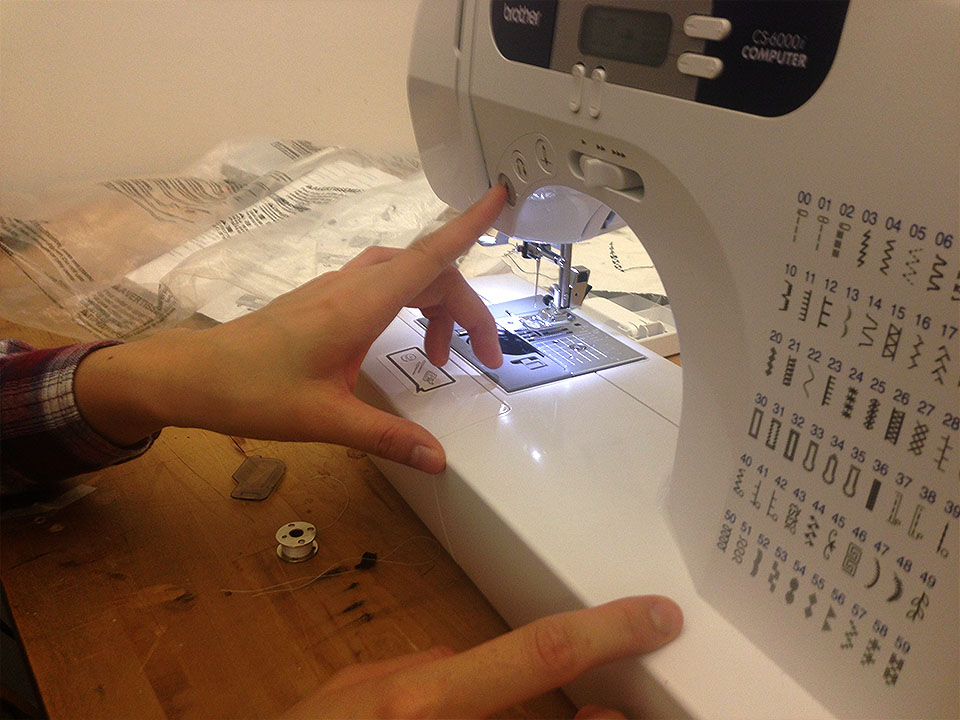
This week, Cathy and I learned how to use the sewing machine that’s kept on D12 above Sven’s locker (to the left of the bathrooms – also, not sure if this is it’s permanent place, but that’s where it is now). The machine that we have is a Brother CS6000i….and it’s great. It’s computerized, meaning it comes programmed with a bunch of different stitches/patterns, and has a ton of features that make it super easy to use.
CS6000I_2_L

Brother CS6000i

There are three main things that you should know in order to start sewing:

  1. The parts of the sewing machine
  2. Winding/Inserting a bobbin
  3. Threading the sewing machine

(and then, of course, actually sewing) :)


1. THE PARTS

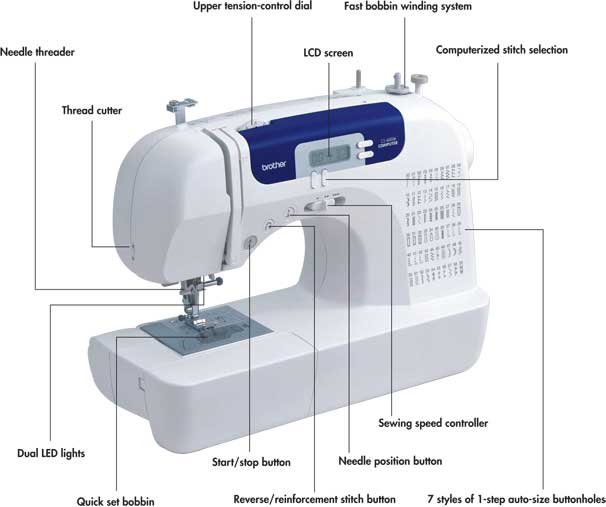
These are the basic parts of any sewing machine:

  • Spool/Spool Pin
  • Bobbin Winder
  • Thread guide
  • Needle Threader
  • Needle Plate
  • Presser Foot

And this is a diagram of the specific sewing machine that we’ll be using:
1380789627-3735500371

2.1  WIND THE BOBBIN

s4jhh

In order to start sewing, you’re going to need a bobbin that has been wound with thread.

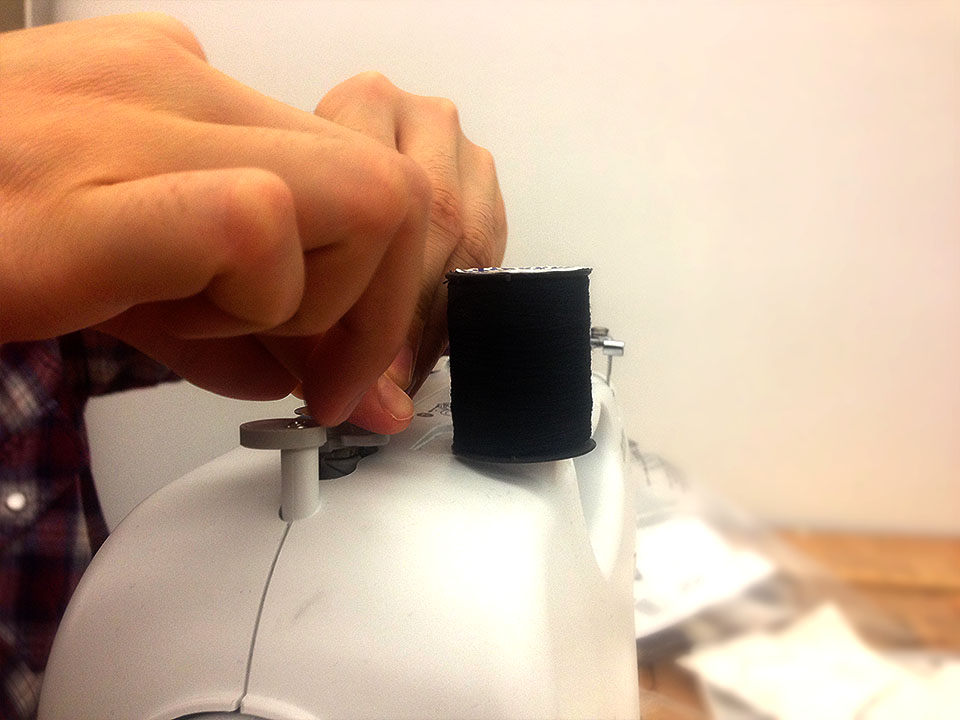
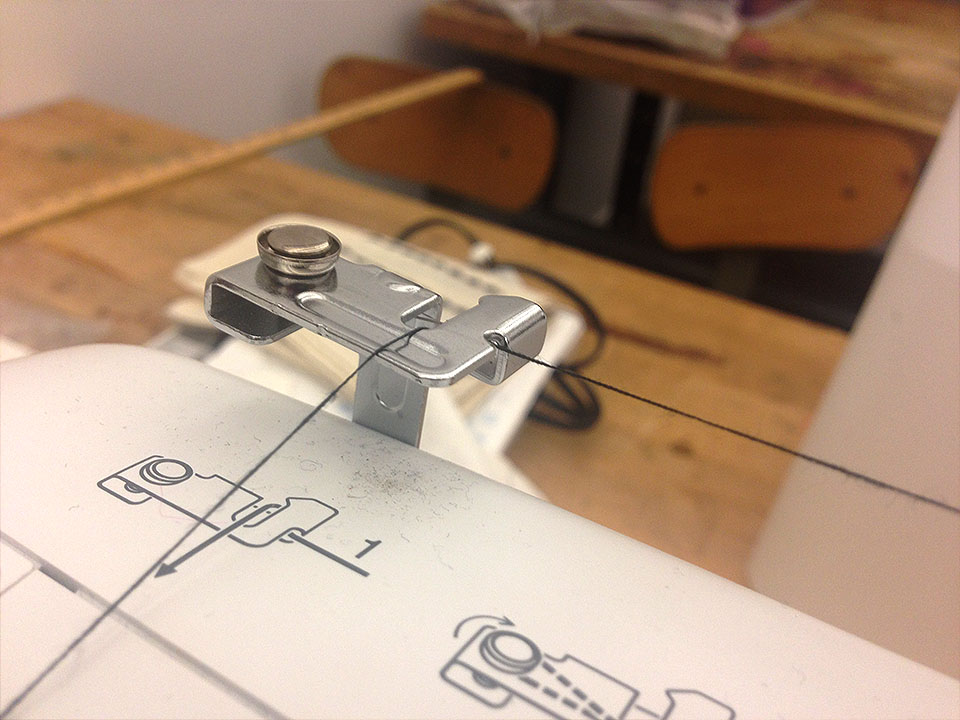
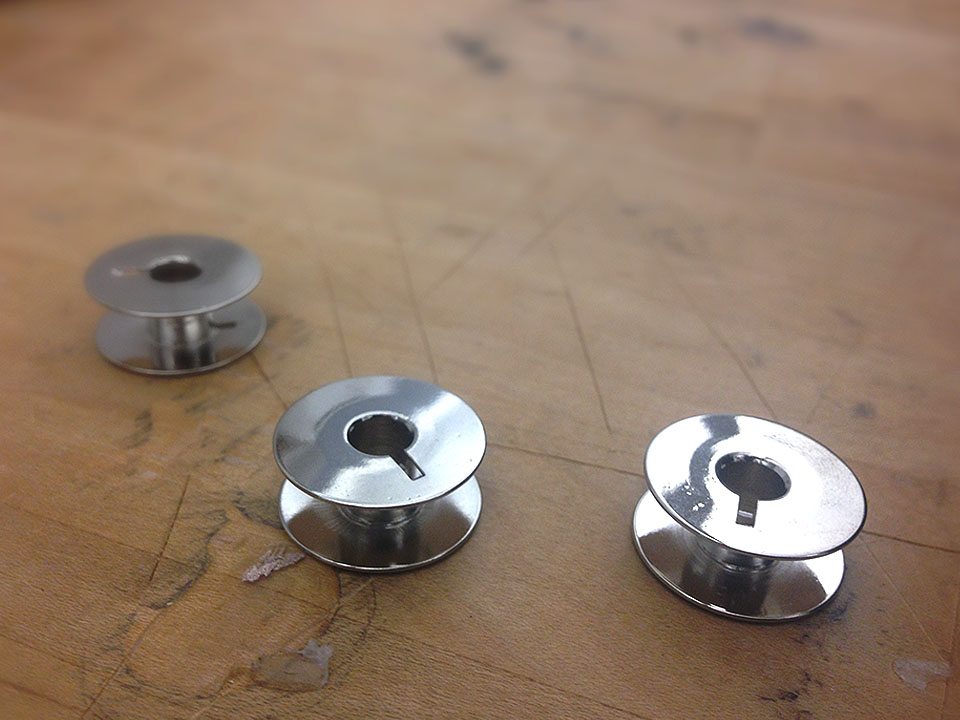
To wind your bobbin, put the bobbin spool on the bobbin winder pin on the top of the machine next to your main spool of thread. Next, follow the diagram at the top of the machine,  weaving the thread from the thread spool around the guide and back to the bobbin. Finally, turn the bobbin winder, turning it off when the bobbin is full.
CompCraft-Sewing-2 CompCraft-Sewing-3

2.2  INSERT THE BOBBIN

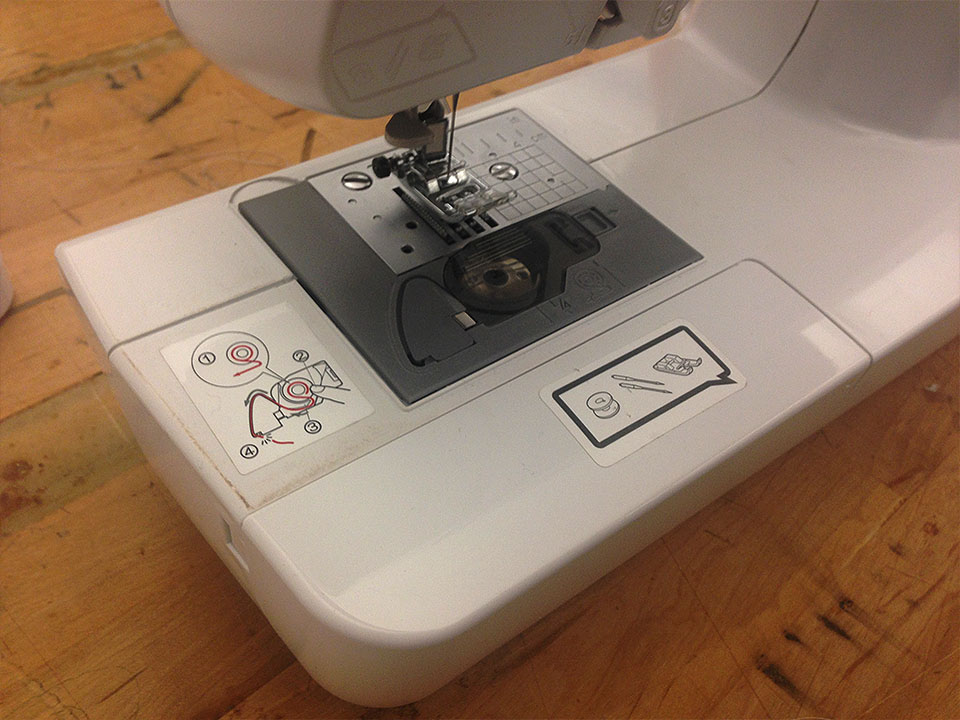
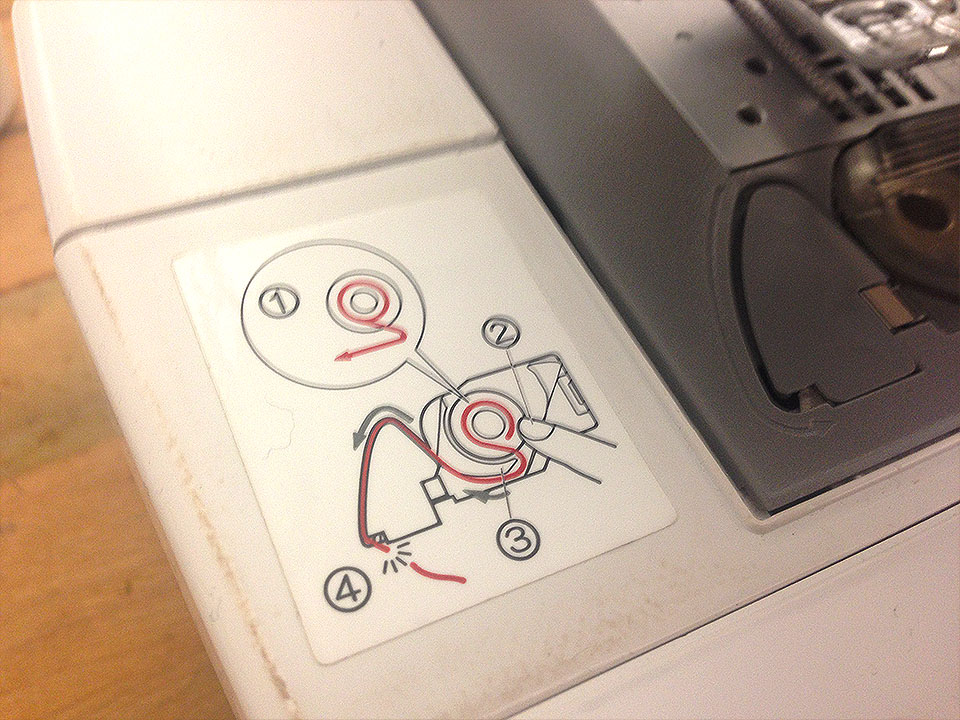
Once you have your bobbin wound, follow the diagrams on the base of the machine to properly insert the bobbin. Every machine is different, but ours makes it really simple by providing a clear guide.
CompCraft-Sewing-5 CompCraft-Sewing-6

3. THREAD THE MACHINE

CompCraft-Sewing-7 CompCraft-Sewing-8 CompCraft-Sewing-9


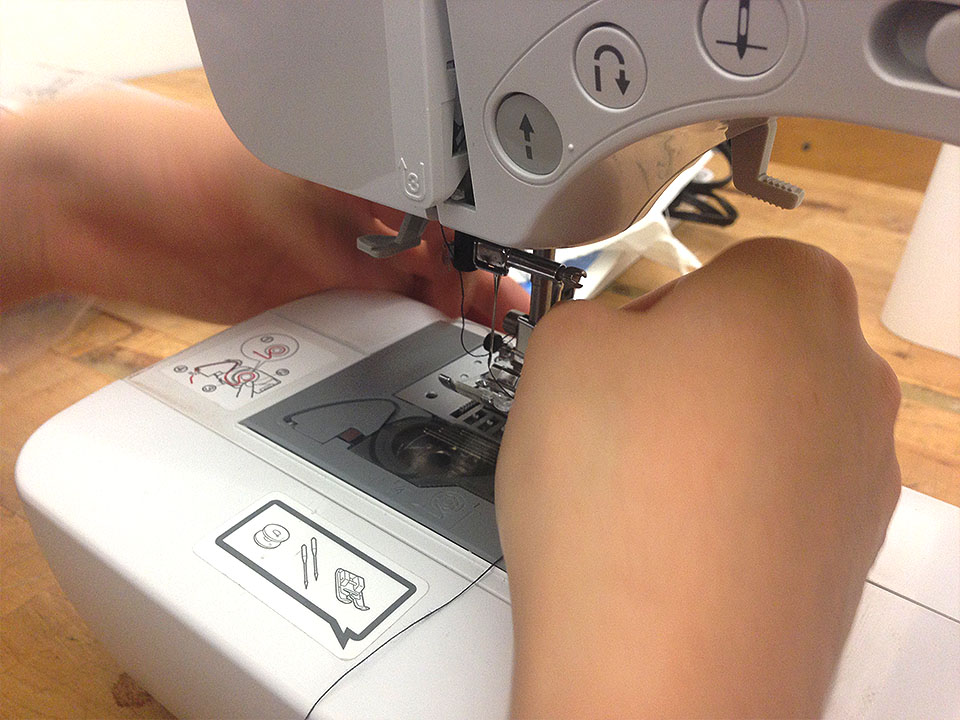
Just like the previous steps, you’ll follow the visual diagrams printed on the machine in order to thread the needle. First, you’ll move the thread through the guides down to the needle. Next, you’ll use the machine’s built-in automatic needle threader (!!!) to actually thread the needle. Here’s a video that shows an up close view of this awesome feature in action.

Once you have your bobbin and needle ready, you can start sewing! This machine has button controls to control the speed and direction of the stitch. You can also change the type of stitch using the LCD display and inputs at the front of the machine.

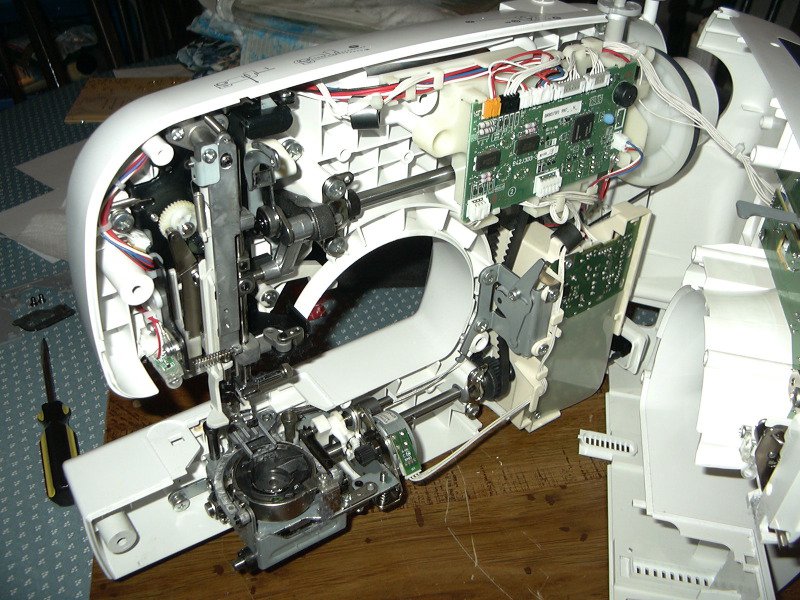
This is just a brief overview of what we’ll be showing you tonight, but hopefully you feel a little less intimidated about sewing! Bonus: here’s a picture of the inside of the machine since we love hacking electronics
rear


Reflection (Week 5)

How do you identify / classify yourself? Choose as many as you would like from the following and feel free to add to it. Briefly explain why you chose them.

  • maker
  • student/researcher
  • designer

I think this is a really interesting/important question to pose to us as students in this program. This was a question I had to ask myself when considering graduate school – when I wasn’t totally sure how to put into words what I enjoyed doing, how to categorize my work, or what I wanted to do when I “grew up”. That’s why I’ve always loved the word “maker” as a title: it’s vague enough to include multiple disciplines, but descriptive enough to emphasize the act of “making”, of creating new things that are tangible or material. I also consider myself both a student and teacher. I always try to learn new ways to make things or express ideas, and try to share my methods and ideas with others. Finally, I would also call myself a designer. I studied Visual Art and Art History in college, and always felt really dissatisfied with my studio art practice. I felt that I was creating things that were briefly shown in a gallery, possibly/passively experienced, and then archived, never to be seen or used again in the real, physical world. Because of this, I chose to study design – where my work would be not only aesthetically pleasing but also functional and purposeful.


What is your favorite tool and why? 

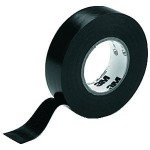
My favorite tool is tape. More specifically, I love two different types of tape: electrical tape and gaffer’s tape.

electrical_tape

Electrical Tape

Electrical tape is great as a quick, easy insulator for conductive materials. I always have some around whether I’m using wire or conductive thread. It also helps to hold things in place temporarily while I’m testing circuits or making sure I don’t have any issues with short circuits.

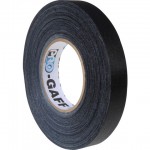
pro-tapes-gaffers-tape-gaffer-tape-black-1-inch-large-2069

Gaffer’s Tape (i.e. the best tape)

Gaffer’s tape has been my favorite “tool” since I discovered it in my high school photography class. It’s usually used for stage lighting or to secure cords to the floor, a task that it’s great for as it’s similar to duct tape in that it’s super strong, but it can be easily removed from materials without leaving sticky residue. It has a matte fabric backing, making it awesome to use when labeling things or when you want to use tape that looks a little more “classy”. The fabric backing also makes it really easy to rip with your hands (like duct tape). Basically, it feels like it should be this heavy duty, super temperamental / permanent tape, but it’s really forgiving: it doesn’t stick to itself, sticks to (and comes off of!) all sorts of materials, and is durable while also being aesthetically pleasing. I’ve literally used this tape in 20+ different ways and find new ways to use it everyday. 10/10 would recommend this tape to anyone who has never heard of it. It’s great. Go buy it.

Also, Wikipedia does a great job explaining everything that makes Gaffer’s tape the best:

https://en.wikipedia.org/wiki/Gaffer_tape

Continue reading

Week 5 Assignment


I identify myself as 

  •  learner: I’m always ready to learn. Self-development flourishes my life.
  •  artist: I have painted and drawn for over twenty years and taught art for ten years.
  • craftsperson: I became a craftperson when I was 10 years old. I made my own binder with hard cover for my diary many times and gave my friend the covers for their birthday. At the first work, I wasn’t saticfied with my cover, because it wasn’t a good looking. Through trials and errors I made better quality covers.
  • maker: I have a huge tool box in my hometown. I wish I can bring it to here. I enjoy cooking. I care process of cooking, taste and presentation of food.  When I have homework I try different  methods to fufill the assignment by making something to show.
  • designer, researcher : I majored in product design. I made furniture and products in college years. It was really fun and rewarding when I saw finished work and used them! but physically I was really worn out. Research is the integral method that help rationalize your design. I am not a good researcher but I try to be.  I’m in a moment of flow whenever I paint and draw, and make something. 
  •  What is your favorite tool and why? Pens and pencils. I love drawing with thin and thick lines becasue it gives me a sense of freedom of expression and a feeling of contentment like from the article what people feel when crafting something. I can own and reinforce the memory of the moment that I captured. That’s why I have drawn and painted over twenty years.
  • Bully+Web4Scan 14Scan 16 9.59.58 AMReflect on your experience learning a new craft (both independently and from other people in class) and teaching it to other people : I absorb a new craft well either indepentently or from other people. It is dynamic between other people and I is what shapes my disposition to learn a new craft. Interacting with others helps me learn better and faster because I use a sense of hearing and sight while looking at what other people do. Also, I can ask questions when I am stuck with some part. I can get constructive feedbacks and more information from other people who have more experience than me. I absolutly learn a new skill better when I teach it to others. As I teach people a new skill, I have to be knowledgeable with it so as to give the best instruction to them. Later, because of the effort to deliver it, the skill become a part of me.
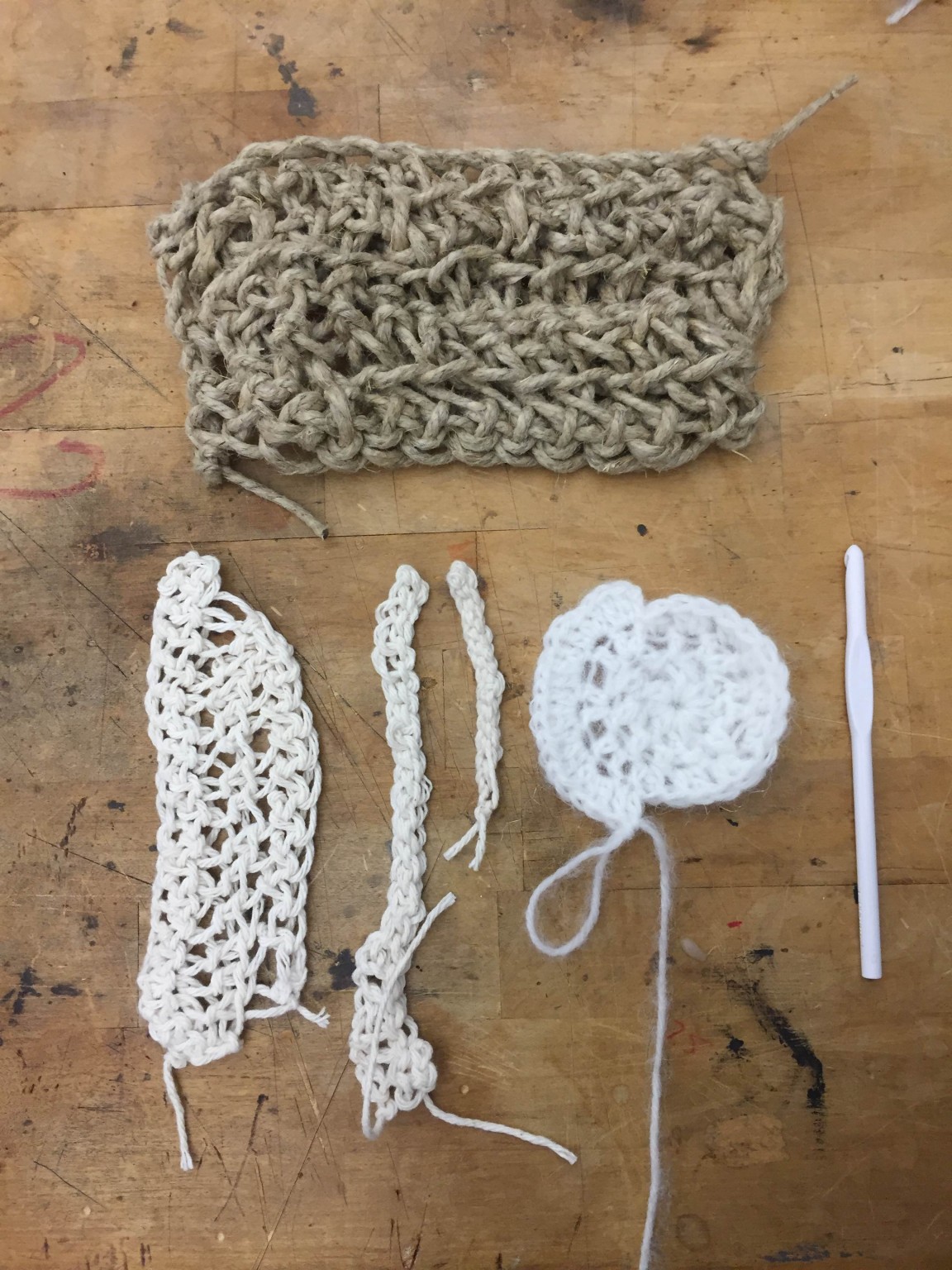
  • What did you like about the process? I liked the moment when I started making an actual shape, for example, with just a worsted weight yarn and niddle after struggling how to croche for quite a bit of time.  “I’m getting there!!”
  • What was frustrating? When I repeat the same work that is necessary to master a new skil!!
  • What insight did you gain?  be patience and persistance then it will pay you off!


Reflect

I am a designer, artist, storyteller, maker, craftsperson who is not only keen to solve problems but also create problems. I respect my occupation and the designers who care about their works and enjoy polish details.

Except for my Apple mouse and Apple keyboard, my favorite tool is the very cheap and common ball pen. When I design, draw or think, I always sketch on paper at the very beginning. Sketching on paper gives me magic and inspiration. I can’t think when facing my computer. That makes me sick and dizzy. I feel freedom when I sketch. When I feel depressed or anxious, sketching on paper also help me relax.

For learning the new crafts, I feel I like the handmade process, although they’re time consuming. The most frustrating thing is that I can’t use command + z anymore. That’s why I still love to use computer… But I like the handmade looks. They are so natural. For weaving, I may change the process a bit. Maybe combine with knitting to make some more stereo looks.

Keyboard Hacking (Week 3)

Dog toy memory keeper

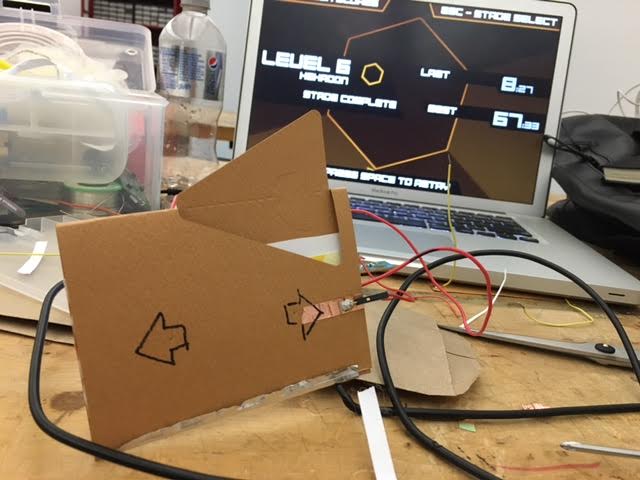
For my keyboard hack, I made a dog toy push/squeeze switch that plays a video of my dog playing with the same toy in the past. My dog is back home in Miami, so I wanted to create an interface that could make me feel like I’m playing with him even though he’s not actually here. The video plays when you squeeze the toy and pauses when you release it.

Materials:

Continue reading

Week 5 Assignment

Amazing job last night everyone!!

As I mentioned, this is one of the few weeks where you will not be making. One major goal in this exercise was to begin to think not only about the process and the craft, but also the communities and identities that exist around them. This week, let’s spend some time with theory, history, and anthropology to step back and reflect a bit:

  1. Bring your Arduino and supplies
  2. Watch “Arduino The Documentary”
  3. Read this article about Arduino v. Arduino (post a comment if you find another article around this that you’d like to share)
  4. Read this paper: (I will email it to you)
    • Buechley, L. and Perner-Wilson, H. 2012. Crafting technologies: Reimagining the processes, materials, and cultures of electronics. ACM Trans. Comput.-Hum. Interact. 19, 3, Article 21 (October 2012), 21 pages. DOI = 10.1145/2362364.2362369 http://doi.acm.org/10.1145/2362364.2362369
  5. After doing all of the above, write a blog post that answers the questions below. It doesn’t have to be long, but I would like you to spend a good amount of time reflecting on these:
    • How do you identify / classify yourself? Choose as many as you would like from the following and feel free to add to it. Briefly explain why you chose them.
      • storyteller
      • maker
      • engineer
      • coder
      • designer
      • artist
      • learner
      • hacker
      • research
      • educator
      • gamer
      • craftsperson
      • [other?]
    •  What is your favorite tool and why? (I’m going to put one restriction on this – you’re not allowed to say computer:)
    • Reflect on your experience learning a new craft (both independently and from other people in class) and teaching it to other people. Some questions you could address: What did you like about the process? What was frustrating? What insight did you gain? What would you do differently next time?