DIY-ing With LEDs (Week 2)

Class creations:

In-Class:

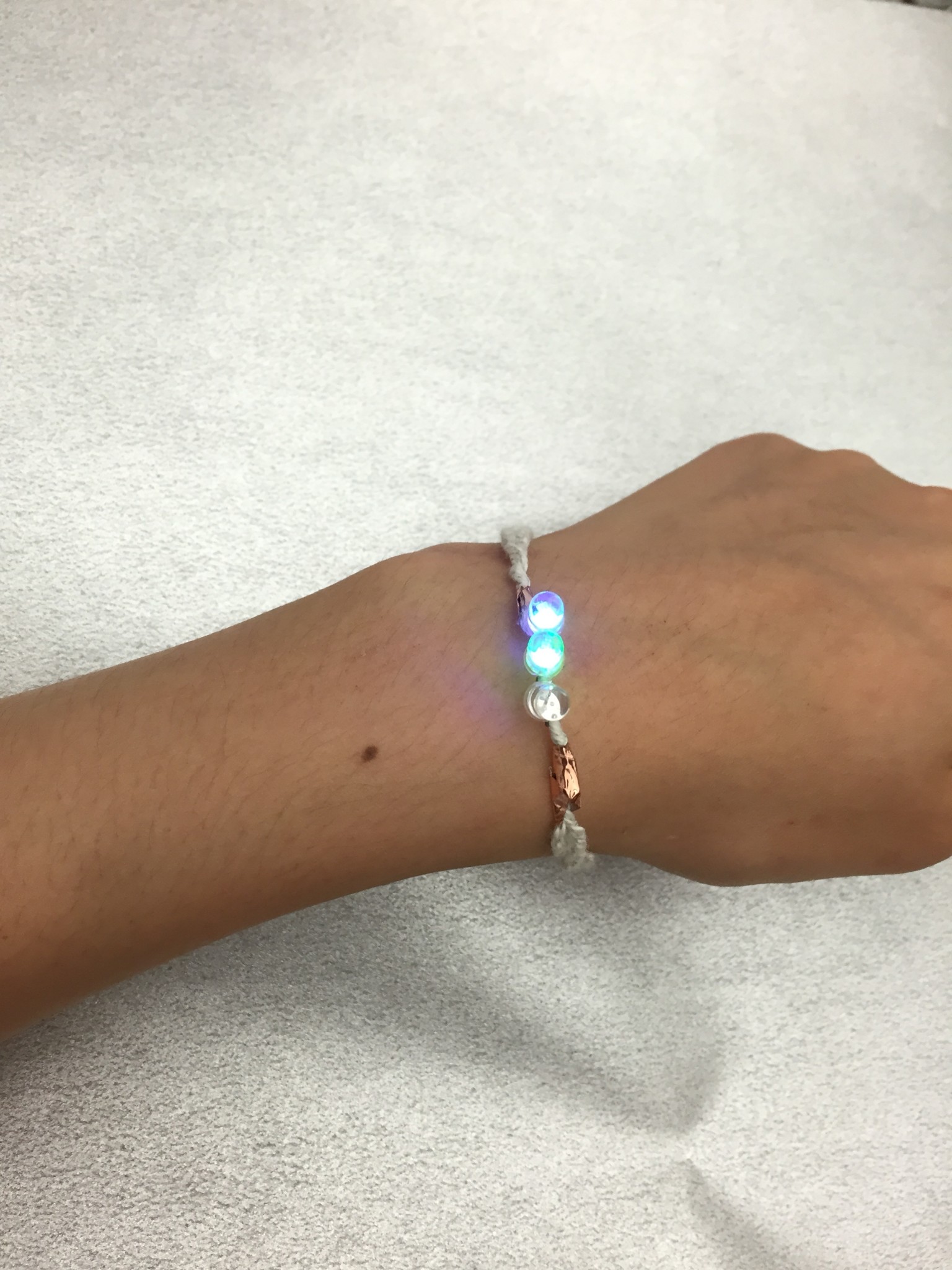
A multi-coloured DIY bracelet.

2015-09-08 20.39.09-12015-09-08 20.38.26


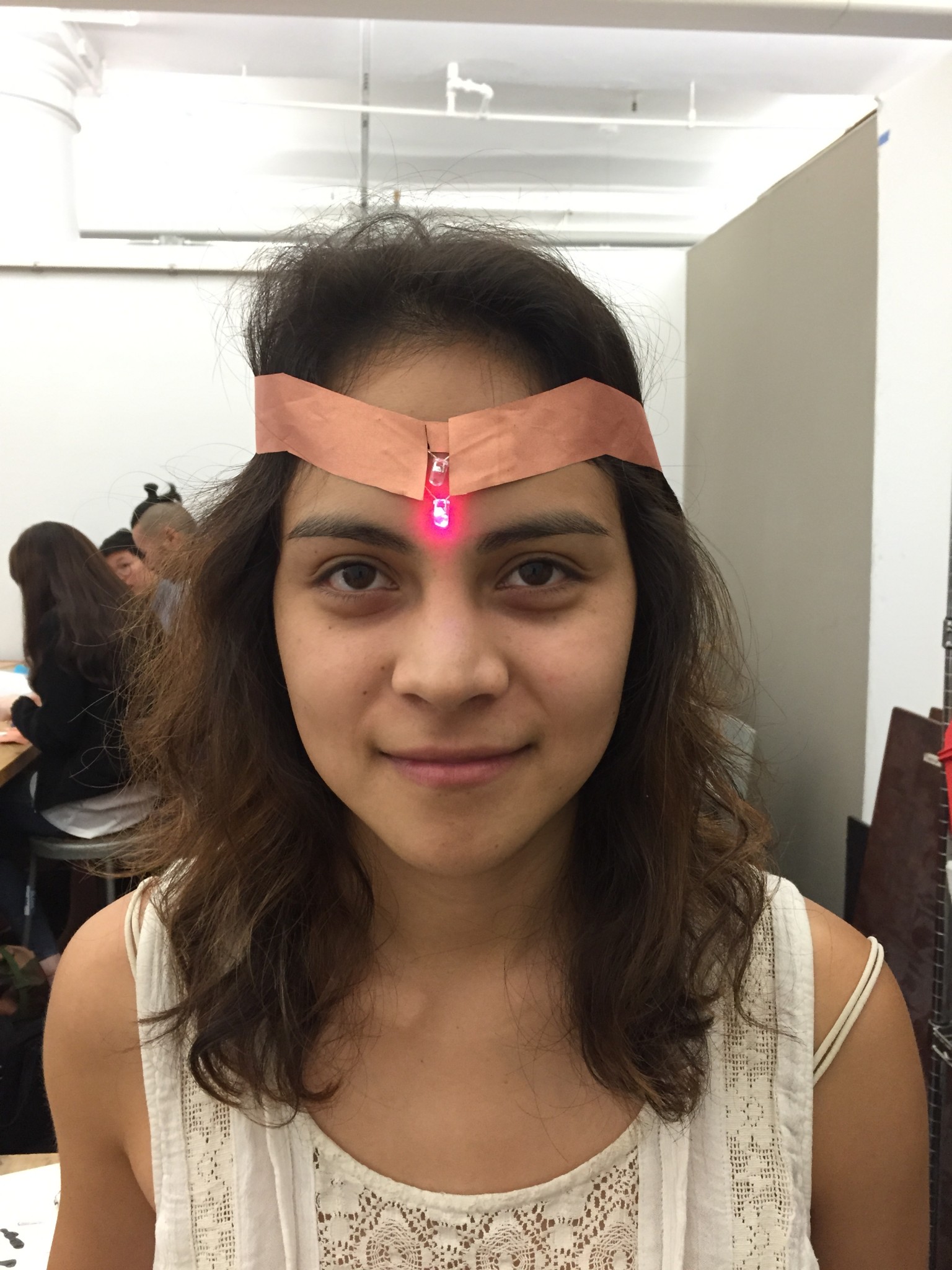
A mini-tiara with LEDs:


2015-09-08 20.59.15


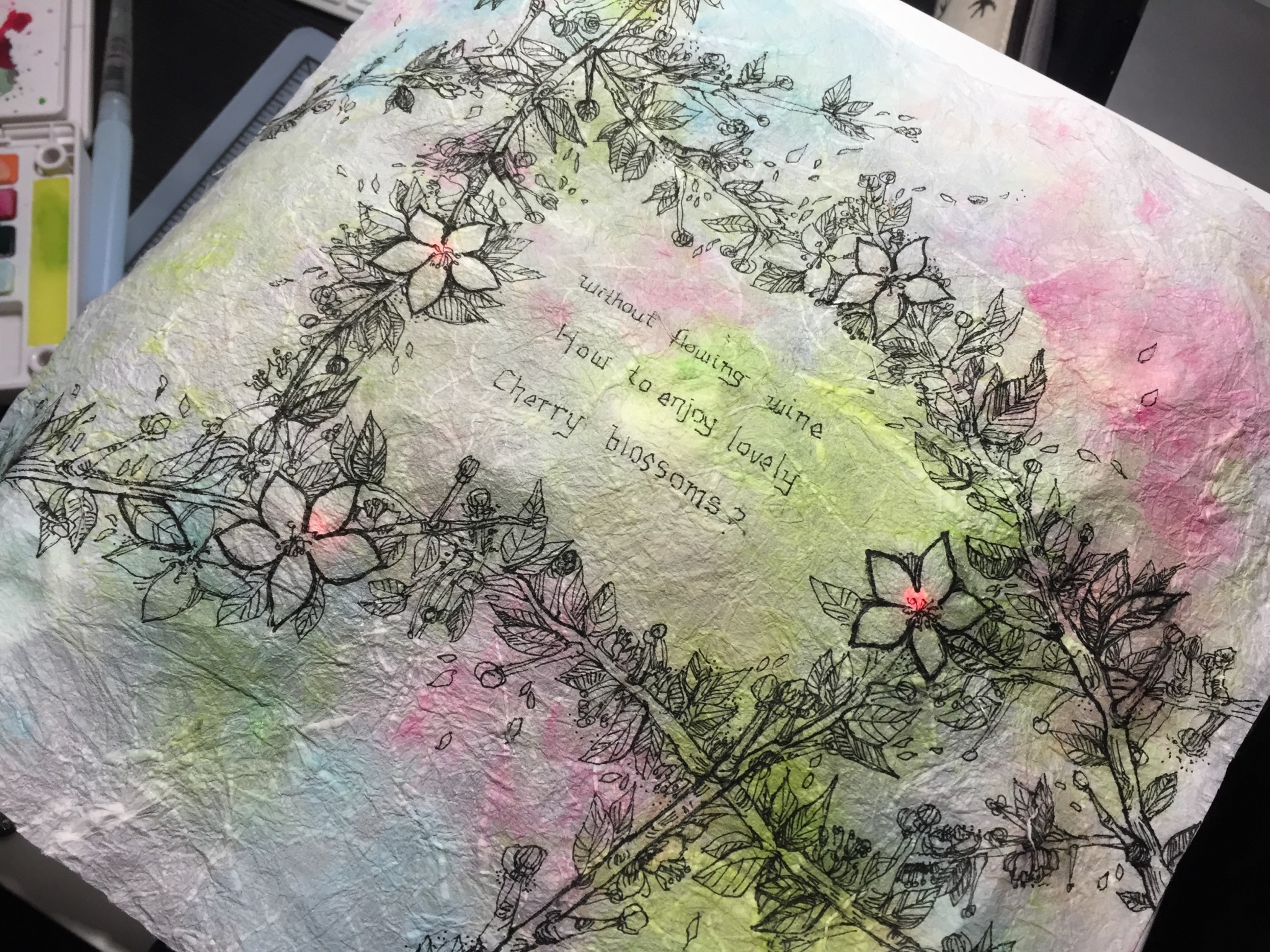
For my illustration project, I used a haiku that I found:

Without flowing wine/How to enjoy lovely/Cherry blossoms?

– Anon.

The lights are underneath the illustration that has two power lines hanging out from the end. When the ends are put into water (or wine!), the lights light up, lighting the blossoms.

There are two pieces of paper that make up this, one that has the actual wiring and LEDs, the other on top of it is a slightly transparent piece of paper with the illustration. I wanted to use copper tape to do the wiring, but the copper tape I bought seems to be too thick or something, because they wouldn’t light up the LEDs, so I used the copper wire I had at hand. I also wanted to do more lights and flowers, but I broke most of mine trying to get them into place (those legs are fragile!).

When I tested it out with water, it didn’t seem to work, but then I put a ton of salt in the water and it worked well enough.

Link to video: https://youtu.be/qt_VS5B9HOA

Hopefully it will make its way to class in one piece.
 

2015-09-12 23.28.31


HIBOU

medium_hfU8VizSaWNAB0Q0lHMQ
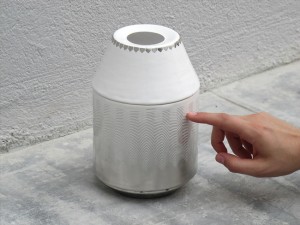
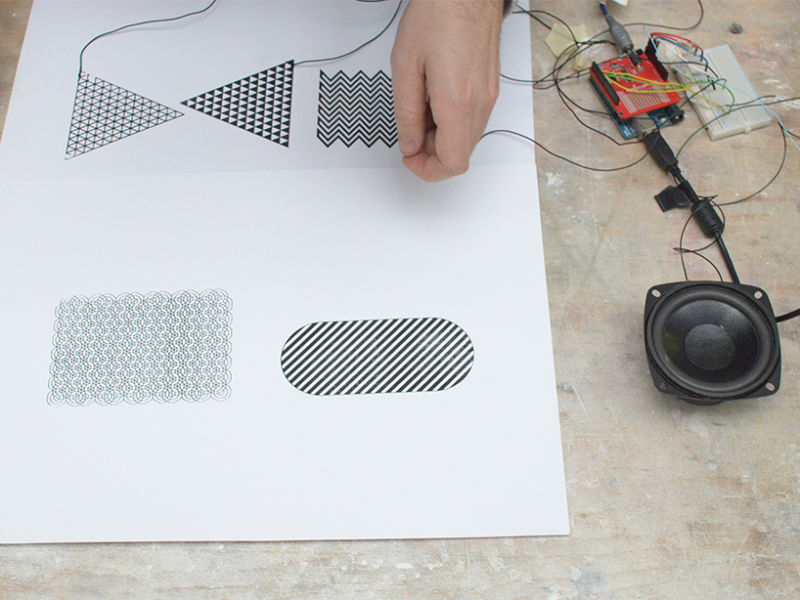
This gilded ceramic structure is more than meets the eye. By using palladium paint the user is able to transform the structure into a workable radio with on/off, volume and frequency. It uses simple patterns paired with touch/sliding UI to harness these components. Besides being fully function this radio also has a beautiful aesthetical value with is ceramic construction. A truly unique and multifunctional piece.
18qq1ccgztlvsjpg

Inspirational Projects (Week 1)

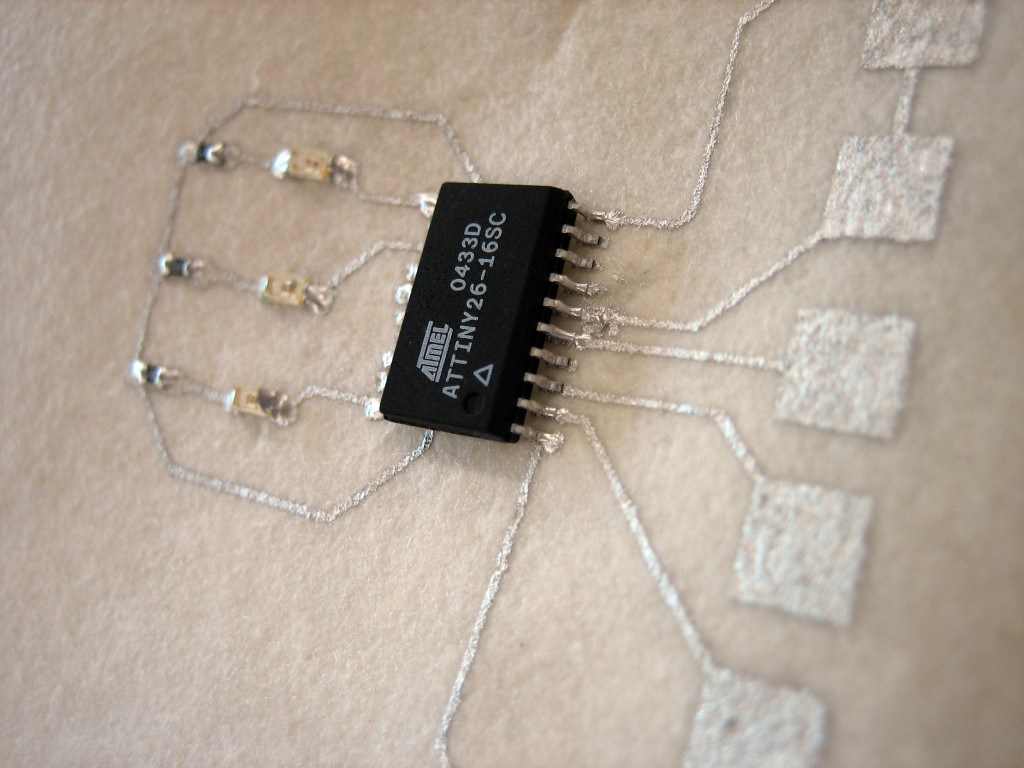
I’m particularly interested in the pulp based computing by Marcelo Coelho. I love the idea of making computers beautiful. I remember back when I was young, computers were still ugly gray boxes, but now, we spend a lot of time designing not just the inside of computers, but also the outside. Even though we’ve done a lot of thinking about these machines we use each day, I think there are many more directions we could take. 

Marcelo Coelho is definitely pushing the boundaries of what a computer can be. His paper-pulp computers are made out of paper and contain circuits, lights, and buttons all within the paper pulp. It’s a whole new way of looking at portable computers and is completely fascinating!

Marcelo Coelho

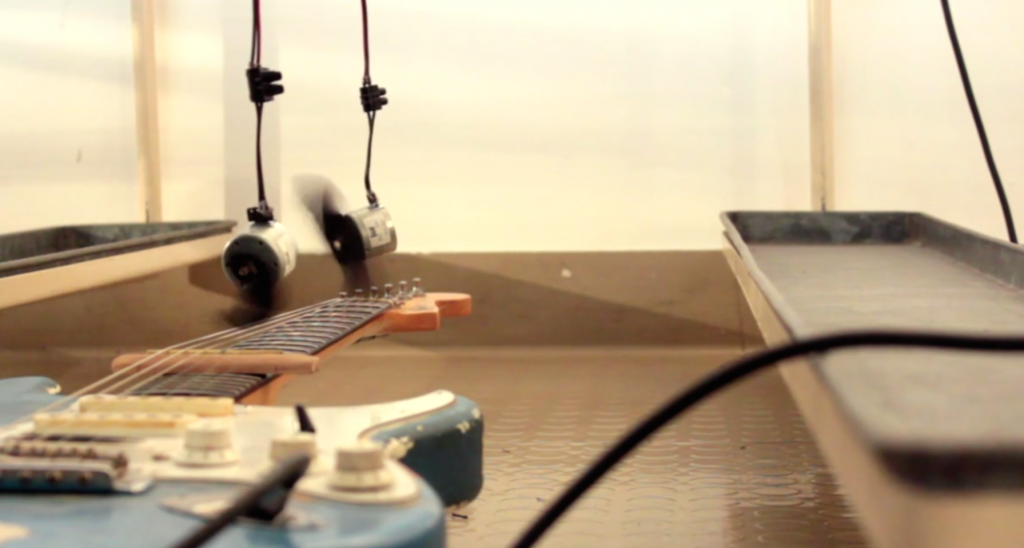
I’m also interested in exploring ideas that relate to other senses. I really love this sound installation called Marea Baja by Ruben Dhers. The sound that results from the pieces of fabric hitting the strings of these different guitars create an amazing feeling in the room!

Marea Baja

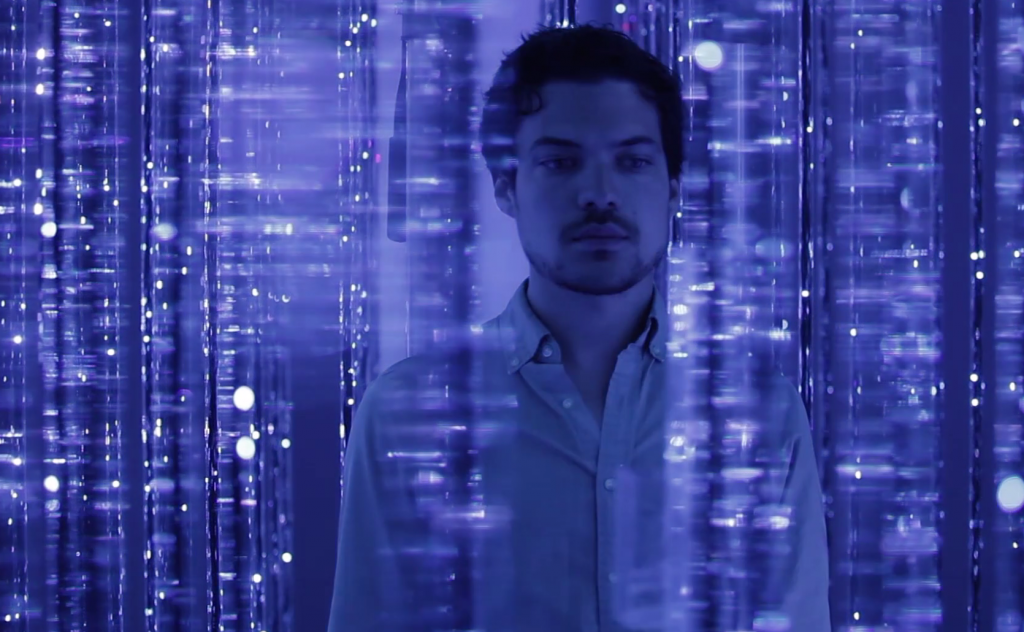
Another project that I recently saw here in NYC that created an all-encompassing feeling, similar to that of Marea Baja was called Prana. A person is instructed to stand in the center of the room in a very particular spot. When that person breathes in, a sea of LEDS light up in changing colors, and then fade away as the person exhales. It’s a really relaxing experience.

Prana

Week 2 Assignment

1) Construct TWO parallel circuits according to the following constraints:

  • Use two or more LEDs on each.
  • Use two different types of conductive material.
  • Document how you made each one and post it to the class blog as an in-class assignment. If one did not work, hypothesize why it did not and what you would do to make it work. (This should not take you too long.)
  • Bonus: Make one of them 3D.

2) Illustration project
Pick sentence or passage from a story that you like (children’s storybooks work VERY well). Illustrate one scene from that book and integrate a circuit into it using the materials we discussed in class. Post documentation to the blog and bring your final product into class.

3) Email me your group and craft for the Learn a New Craft project.

4) Bring a toy piano or an old keyboard. The Green Supply Center is a good place to start looking.

Learn a New Craft Project! (due Sept 29)

Key Dates
September 15 – One member of your group must have emailed me with names of group members and the craft you will be learning.
September 29 – Each group must be prepared to give their workshop in class.

Goal
Through this project you will learn the basic skills, techniques, and history of a craft practice. The goal of this is to experiment and try a new process without the use of embedded electronics. This could include any of the following:

  • sewing (by hand or on the machine)
  • embroidery
  • knitting
  • crocheting
  • draping
  • paper engineering
  • woodworking
  • silkscreening
  • surface design / fabric printing
  • etc, etc, etc

Outcomes
You will work in groups of 2-4 to design a 20-30 minute hands-on workshop or demo. Your group will give this workshop in class on September 29 to me and your peers.

Your workshop should include:

  • a brief background or history of the practice
  • the materials and tools needed
  • an overview of the process
  • a hands-on activity
  • ideas for incorporating into circuit construction

Your group is responsible for ONE post documenting the workshop with links to resources.

Week1_Cihang_InteractiveSculputure_Cloud

This is a interactive Sculpture project called Cloud created byCanadian artists Caitlind r.c. Brown & Wayne Garrett.  Is was made from 6000 light bulbs that build a giant cloud in the public space.Each of these bulbs is attached to a pull-string, allowing viewers to control the illumination of the structure – like lightning in the CLOUD above them. I really like this work because I do like the result that people can interact with installation in the public space and is actually many people can engaged. So, what the cloud looks like depends on many people’s behaviours . Moreover, I like this installation is not using too much super tech inside of it. I mean a lot designers and artists dive into the technology recently which they try to integrate the tech such like sensors, AI, projection in their projects. I think maybe people over use  technology in their project. I think sometimes just very simple material can arouse people’s emotional resonance. It does not have to be very high-tech. I do love this project is very pure and low-tech but I think is very smart and at the same time it let everyone engage with it and enjoy it. It makes me start thinking I should consider factors in the future when I do a interactive project. Sometimes is more about material that you choose, more about user experience rather than thinking about technology all the time.

INTIMACY 2.0 (WEEK1)

By Studio Roosegaarde

“INTIMACY is a high-tech fashion project exploring the relation between intimacy and technology. Its high-tech garments entitled ‘Intimacy White’ and ‘Intimacy Black’ are made out of opaque smart e-foils that become increasingly transparent based on close and personal encounters with people.

Social interactions determine the garments’ level of transparency, creating a sensual play of disclosure.
”  — Studio Roosegaarde

Parts of the dress turn transparent when the wearer’s heart rate rises. It can render visible the wearer’s innermost thoughts. I find this project interesting because it explores several field – fashion, technology, social interactions, and human body.  We tend to hide our excitement, tension and anger from others. We feel vulnerable when people knows our thought just like we are naked. The dress became a part of the wearer and contribute the most honest interaction with others.
Materials: Smart foils, wireless technologies, electronics, LEDs, copper.

Touching world (Week 1)

This project is called Birth Installation, which is designed by Sebastian Wolf, Julien Simshauser and Claudia Symank.

It’s an installation presenting a new world to audiences with animations. There is a physical thing called Mega Joy which is made of conductive fabrics. Audiences can touch the body of Mega Joy or bend its tentacles to interact with the animations on the projection to see different worlds.

This project combines digital media and physical interaction. People can actually touch the physical thing to interact with the digital world. I think physical ways of interaction can give audience more real feeling of communication. I’m also interested in combining physical and digital ways of interaction to help people communicate with each other. That’s why I like this project.

material: conductive fabric