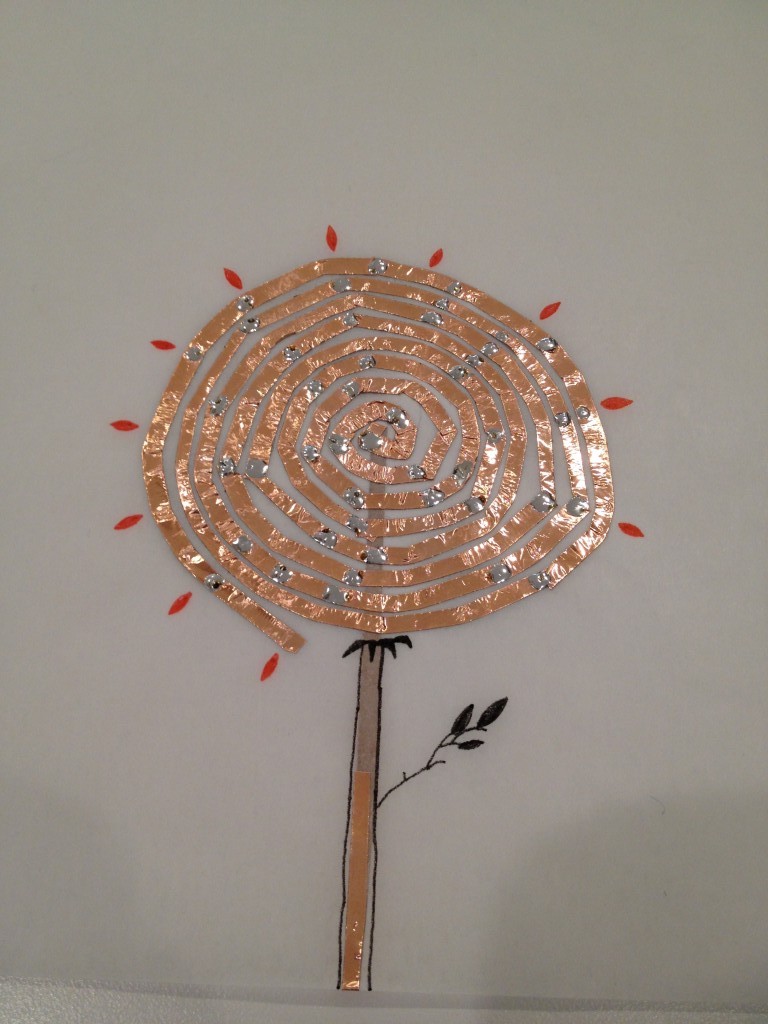
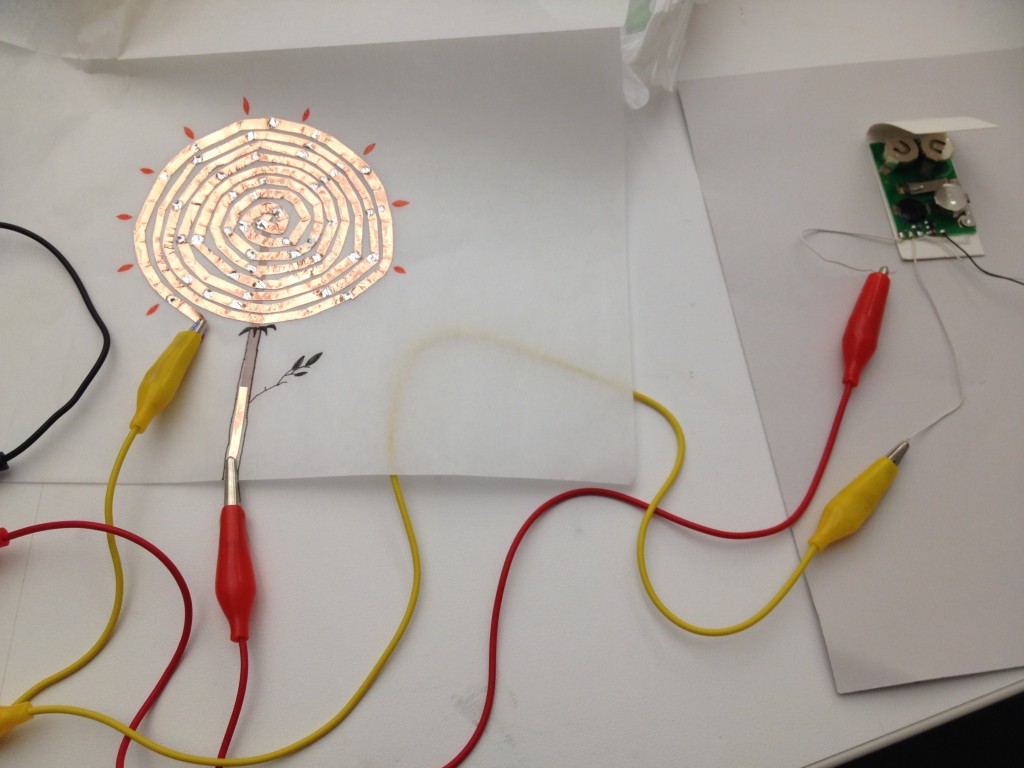
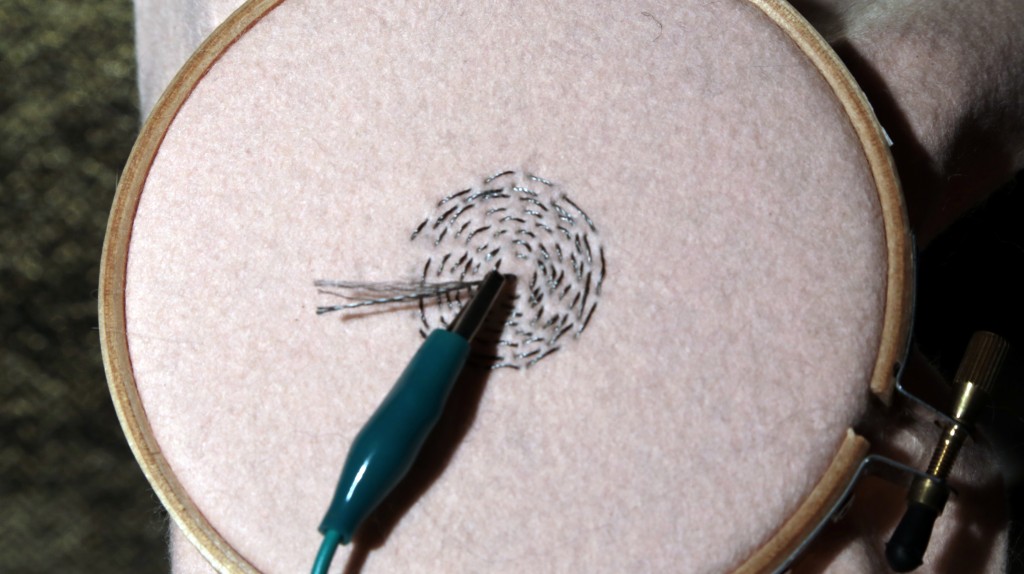
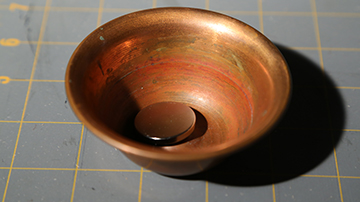
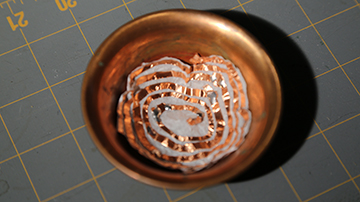
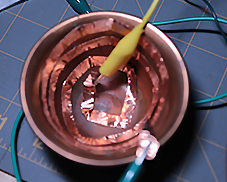
Paper: worked pretty nicely. We found that if the magnets are in more stacks, spreading the surface area, it amplifies better than in one high stack. Wood. Not so great, it absorbed too much of the waves. Glitter acrylic. It should be good because it is glitter. It is not, which makes us angry.
Fingernail. Conductive paint on the fingernail. We were REALLY excited about the possibility of this working. It didn’t. Our dreams are demolished. We’re thinking about rings now.
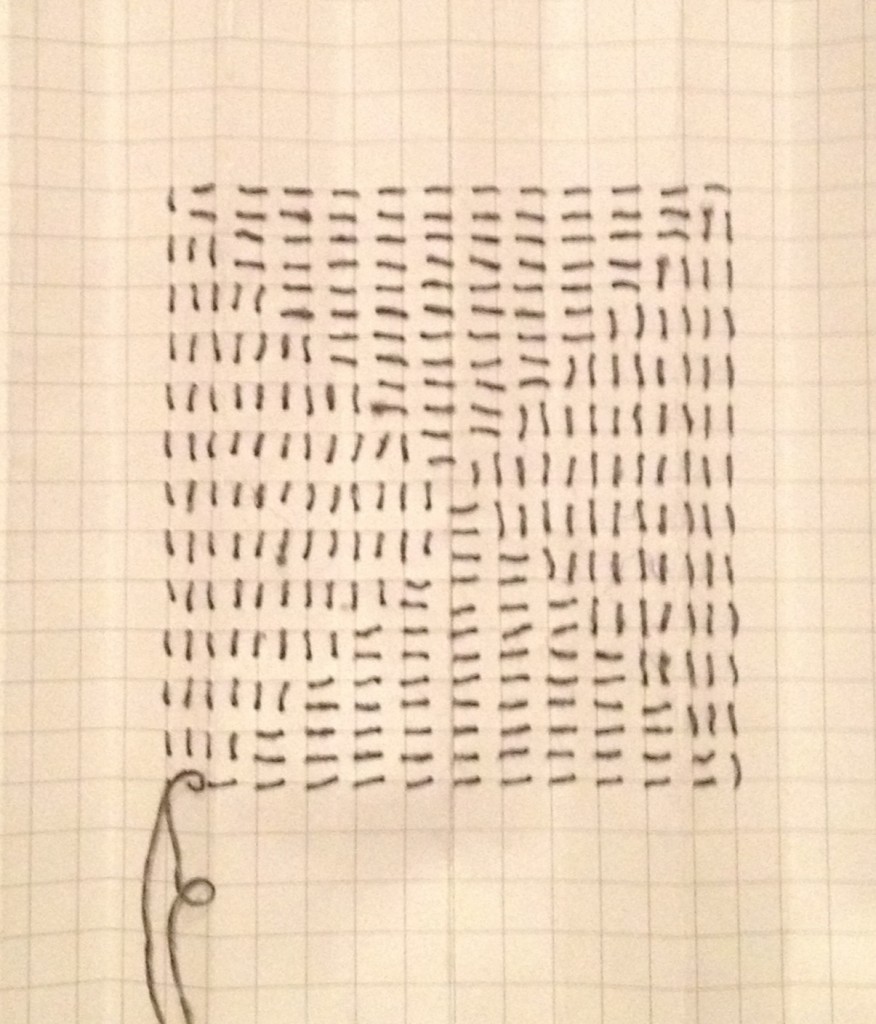
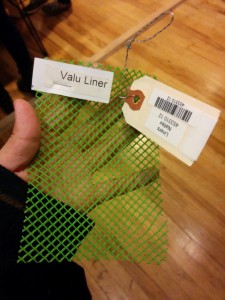
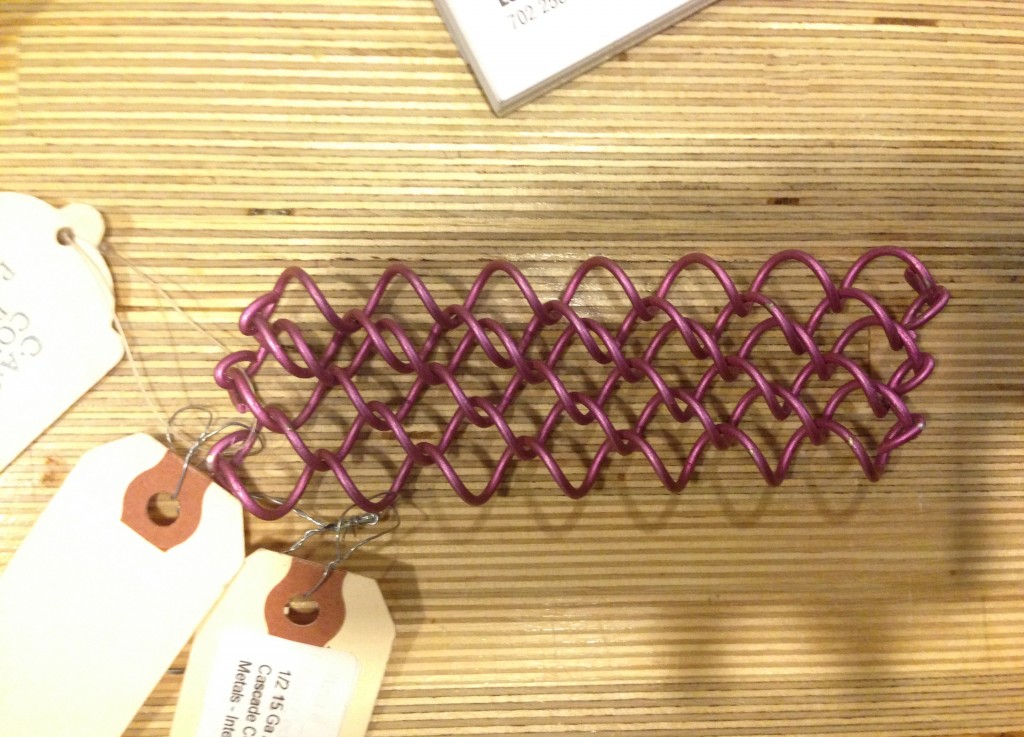
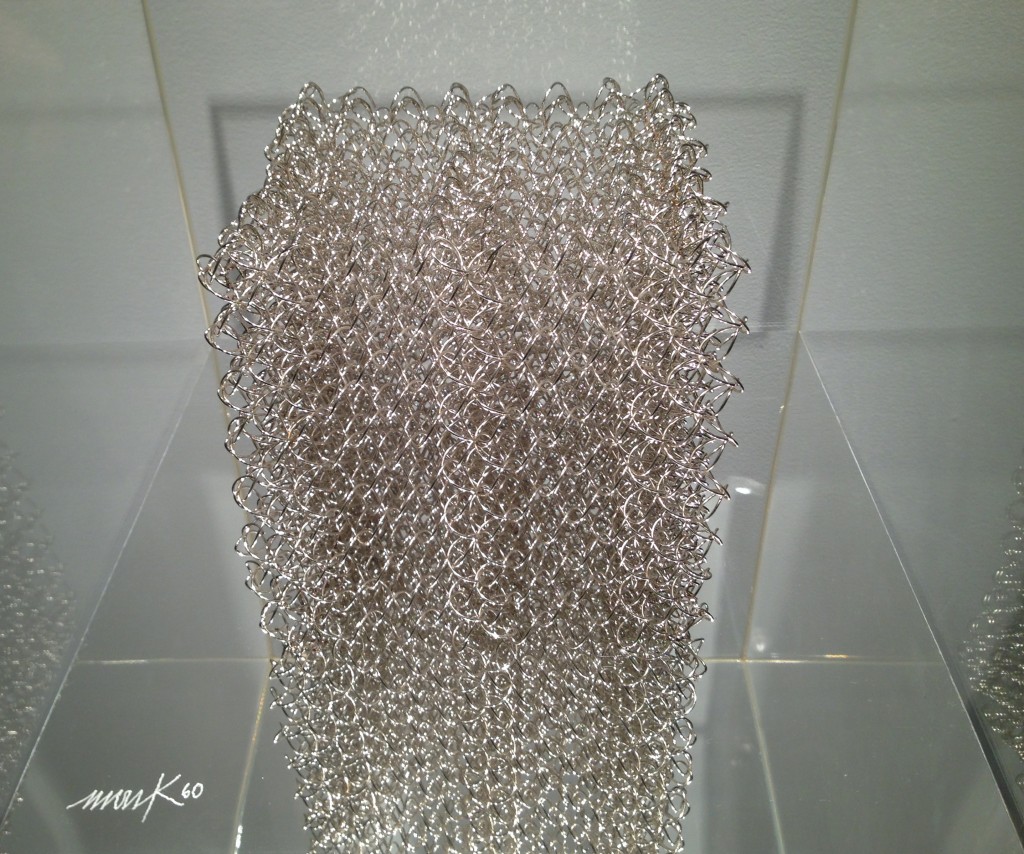
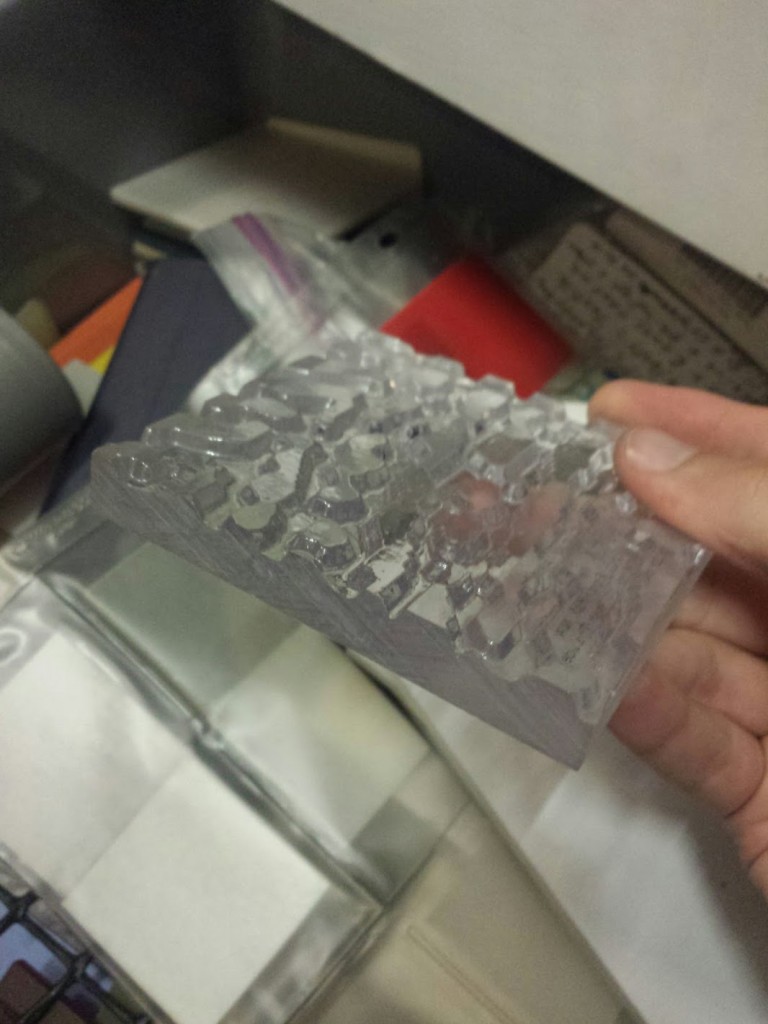
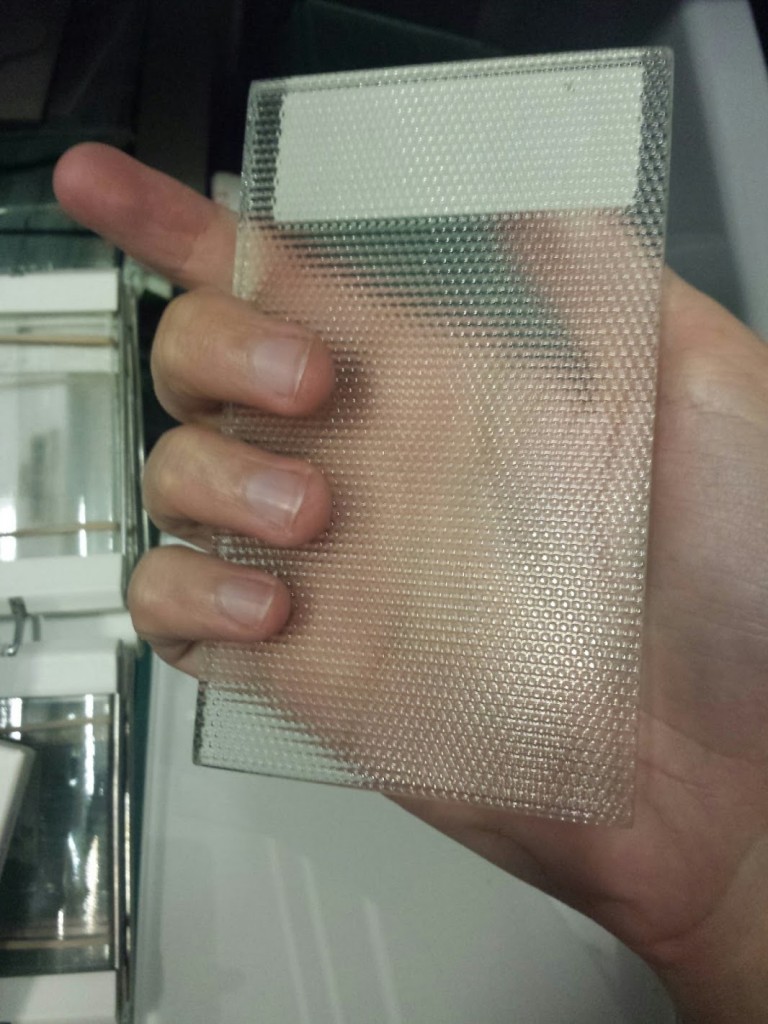
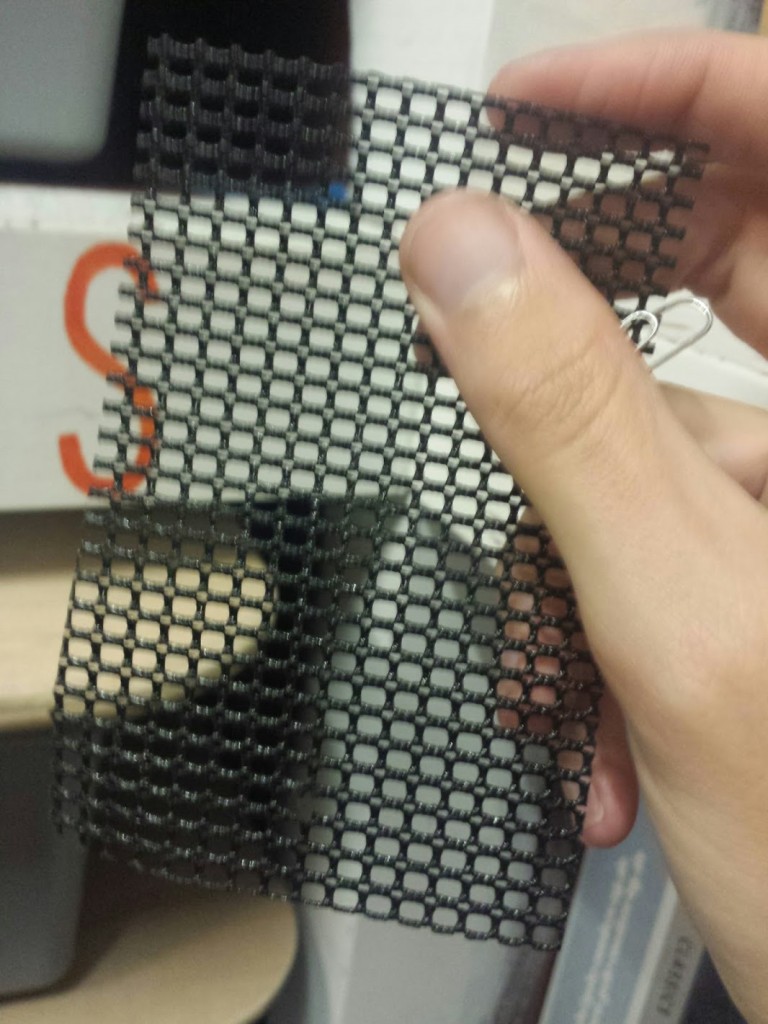
What I found interesting about this material is that it can be resized easily. It can be integrated into an interactive piece. Last week I encountered one of the pieces of Heinz Mack at the Sperone Westwater gallery that reminded of this material.
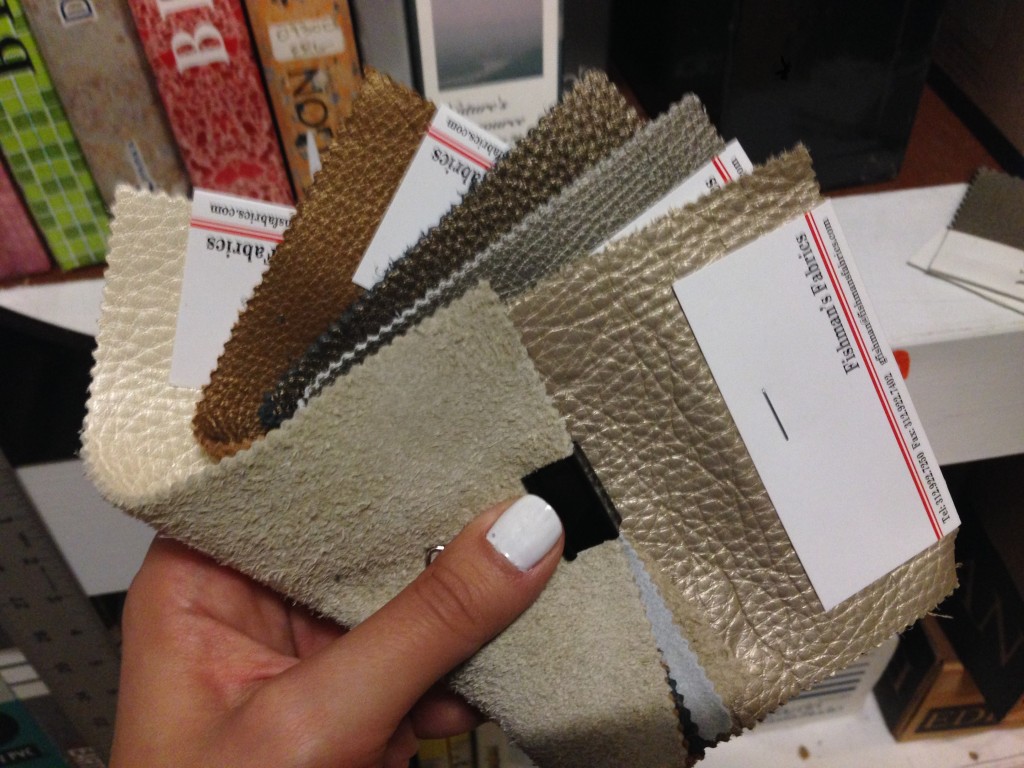
2. Samples of Italian leather
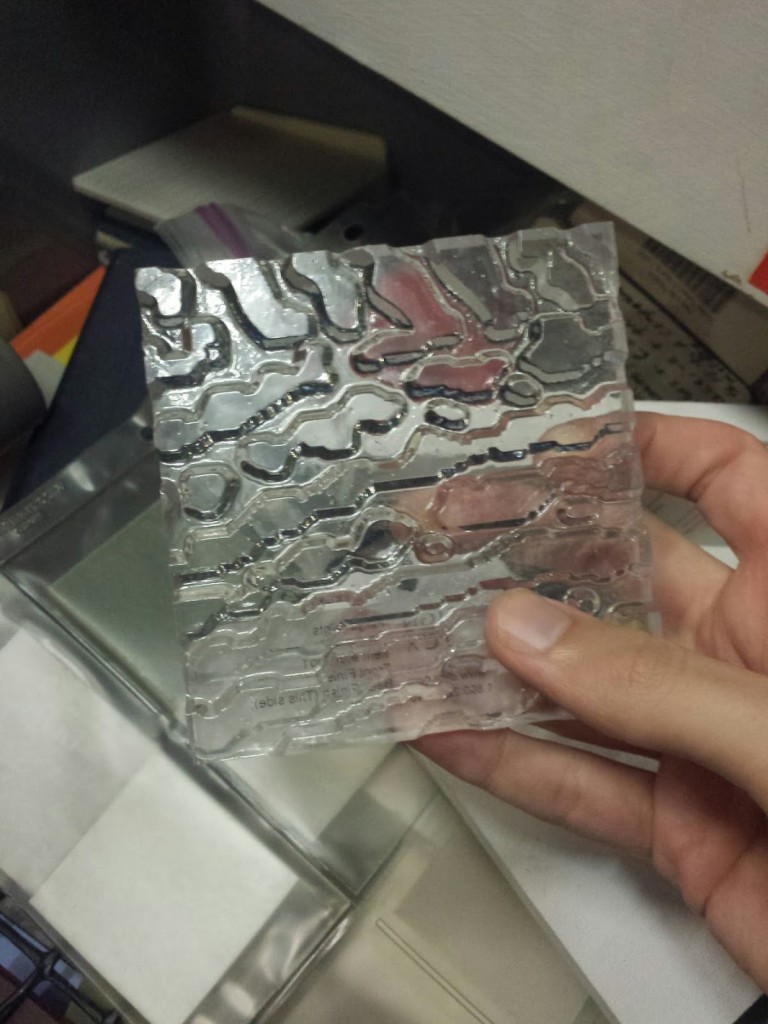
In addition to the fact that leather is a very beautiful material especially in wearables and accessories, I found it interesting how leather has two different textures on opposite sides.
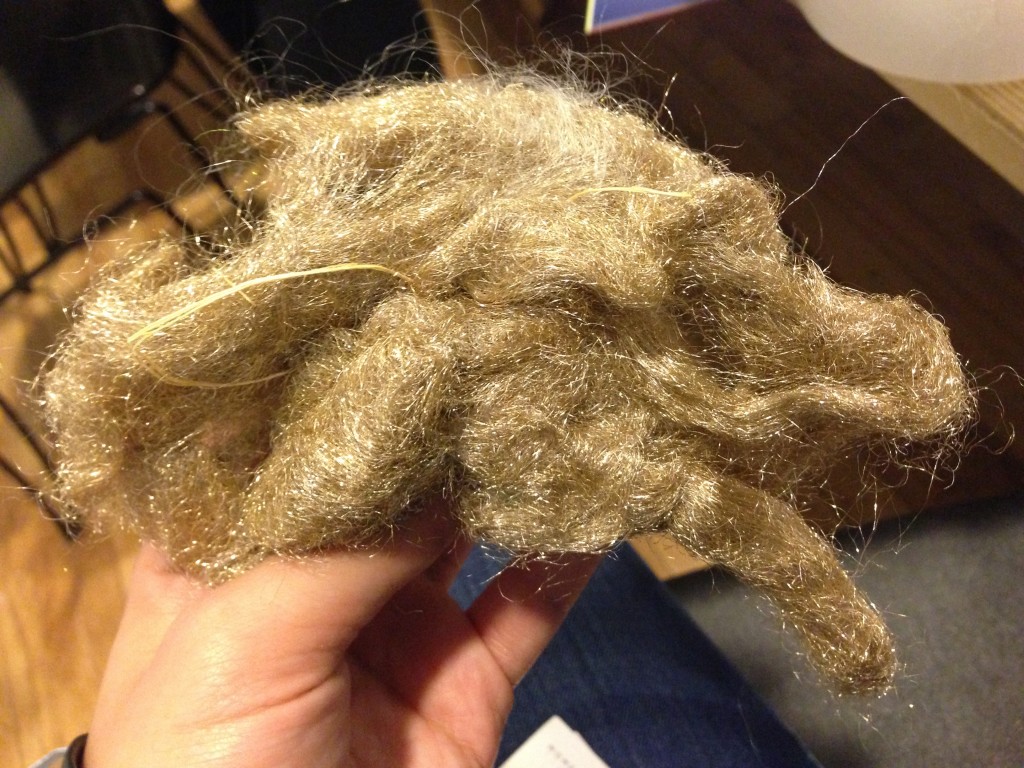
3. Conductive sponge looking metal
I forgot the name of this material but it is highly conductive plus aesthetically pleasing.
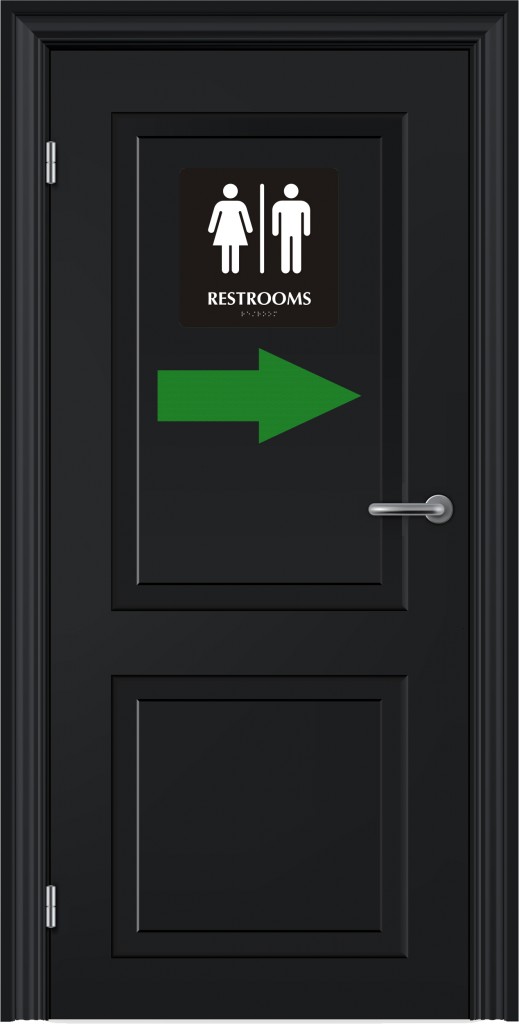
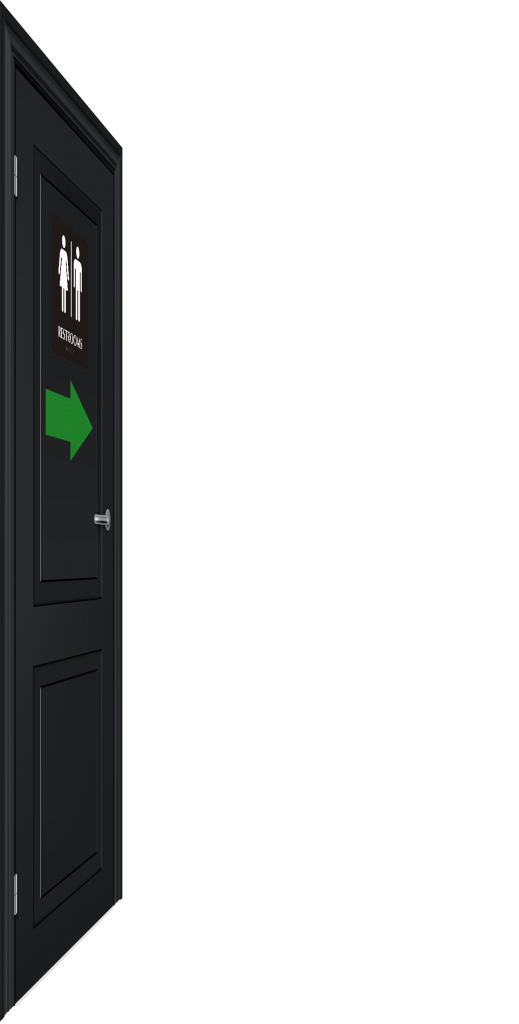
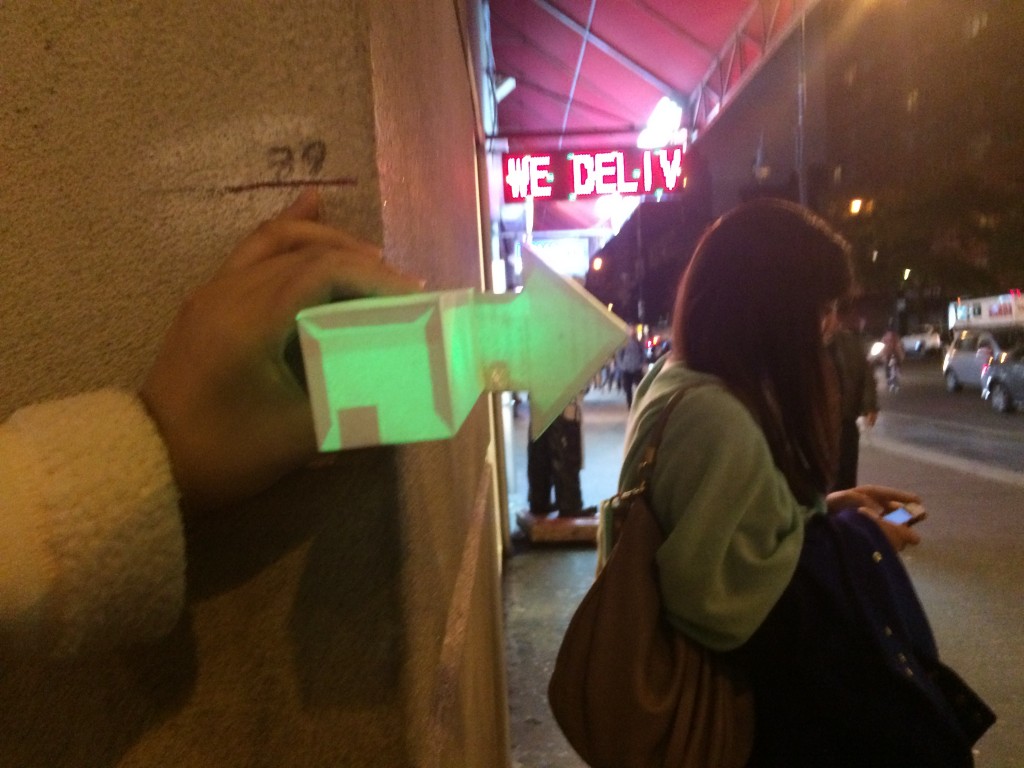
I’ve been having this problem for long: if the bathroom sign is hang on the door and the door is open, I don’t know which direction it points. Sometimes I can’t even see the sign from certain angles.
Also, I’m having a hard time recognizing some 2D signs which share the same meaning but look differently. There are also directions that 2D signs are hard to represent. [Concept]
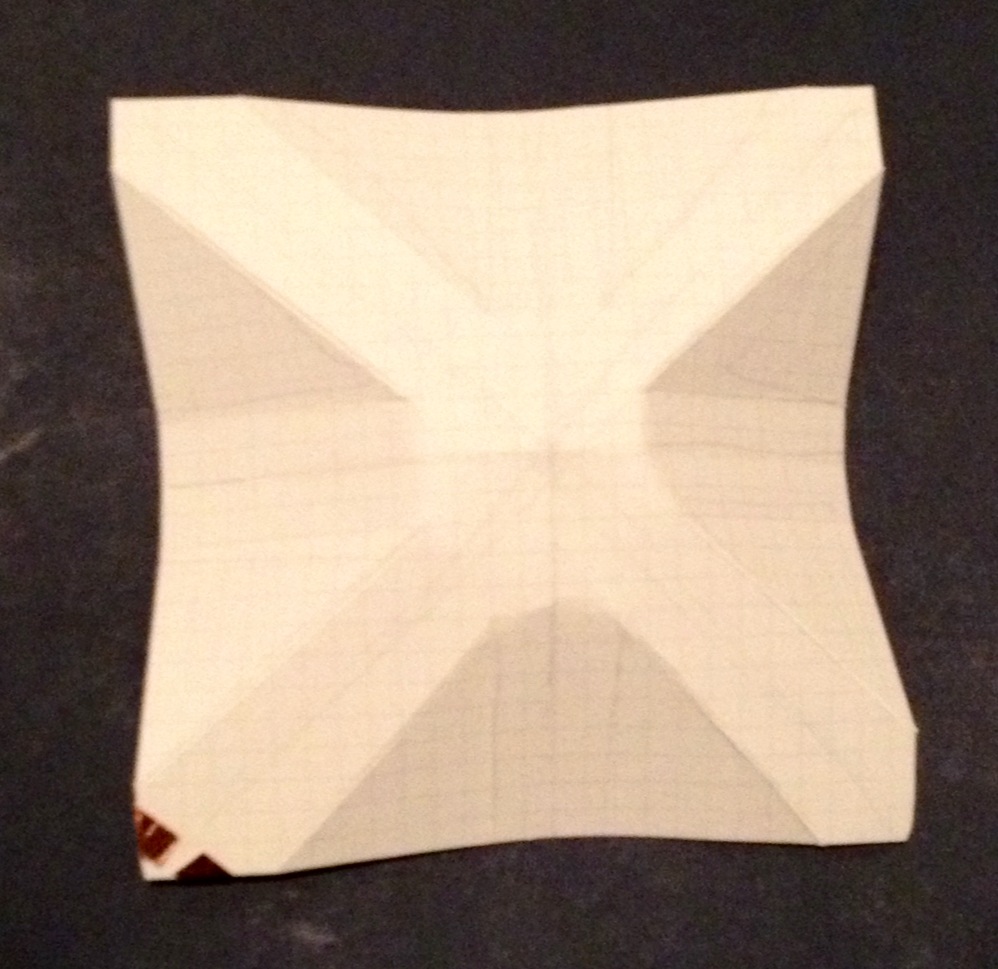
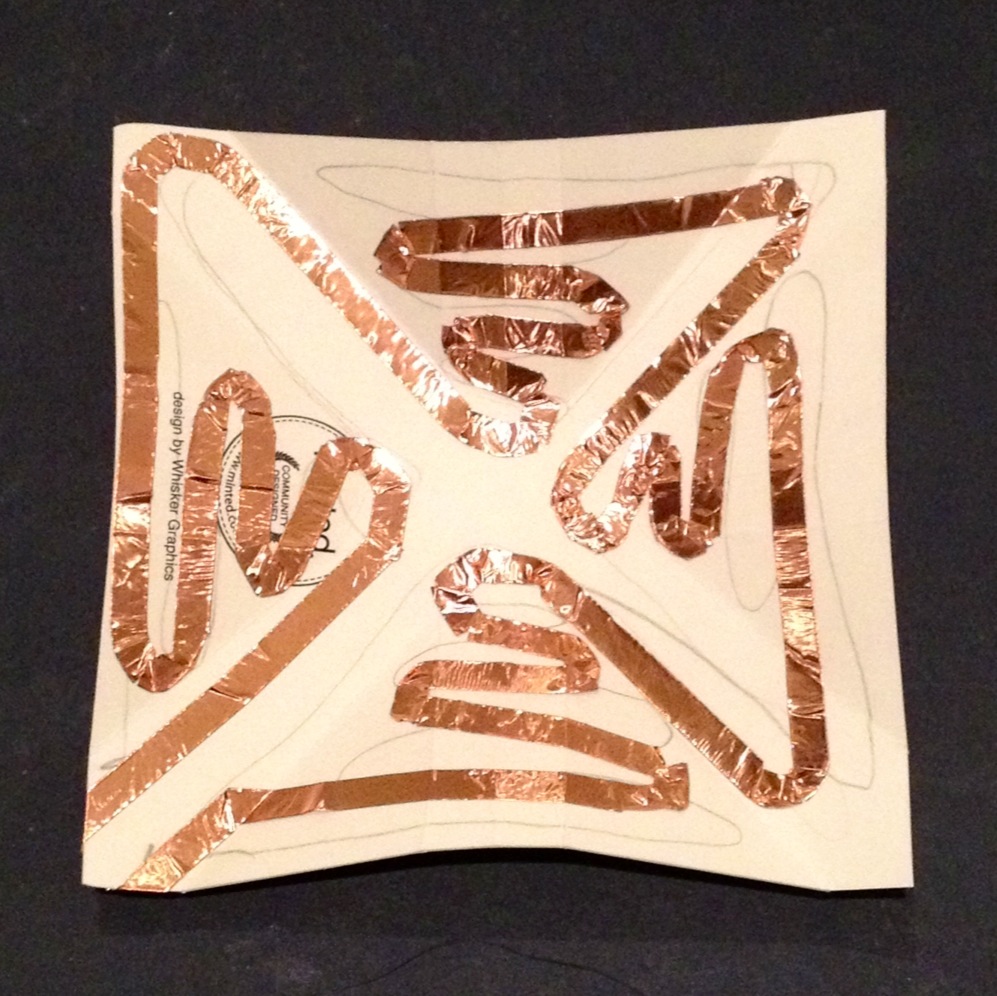
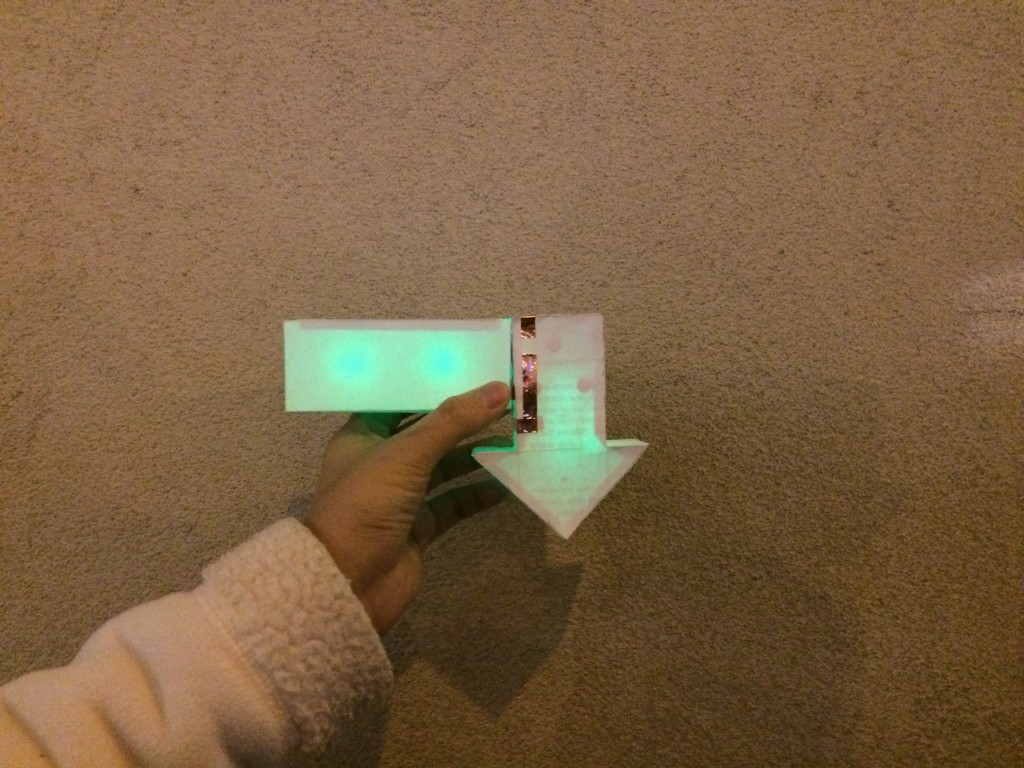
To solve my problems above, I decided to make a sign lamp that can easily change its pointing directions in a 3D space using basic soft circuitry.
[Prototype]
The lamp includes two part: the base lamp and arrow lamp.
Benefit 1: Simple click to change directions
Benefit 2: Change dimension easily when needed
Benefit 3: Point to directions that are not easily represented in 2D signs [Challenge]
1. How to make both parts light up when snapped.
2. How to design layers of circuit so that it works in four sides of the arrow lamp.
[Documentation]
Want to know more about how I designed the soft circuit? Check out my Instructables!
We propose technology for designing and manufacturing interactive 3D printed speakers. With the proposed technology, sound reproduction can easily be integrated into various objects at the design stage and little assembly is required. The speaker can take the shape of anything from an abstract spiral to a rubber duck, opening new opportunities in product design. Furthermore, both audible sound and inaudible ultrasound can be produced with the same design, allowing for identifying and tracking 3D printed objects in space using common integrated microphones. The design of 3D printed speakers is based on electrostatic loudspeaker technology first explored in the early 1930s but not broadly applied until now. These speakers are simpler than common electromagnetic speakers, while allowing for sound reproduction at 60 dB levels with arbitrary directivity ranging from focused to omnidirectional. Our research of 3D printed speakers contributes to the growing body of work exploring functional 3D printing in interactive applications.
Yoshio Ishiguro (Disney Research Pittsburgh)
Ivan Poupyrev (Disney Research Pittsburgh)

 Wood. Not so great, it absorbed too much of the waves.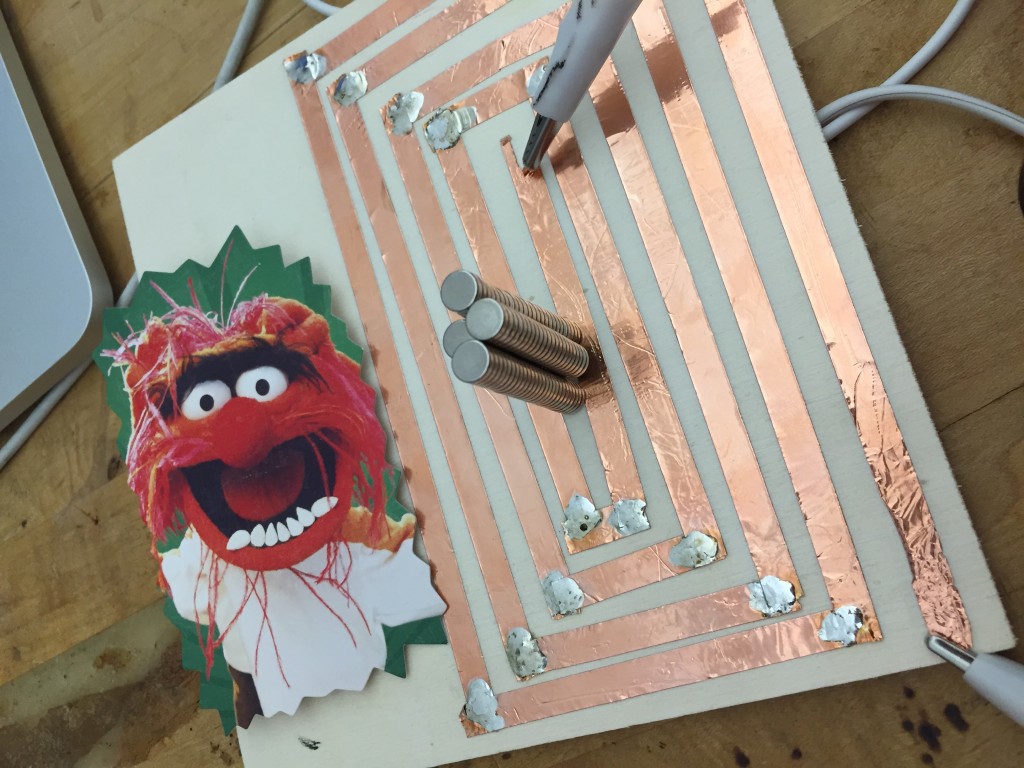
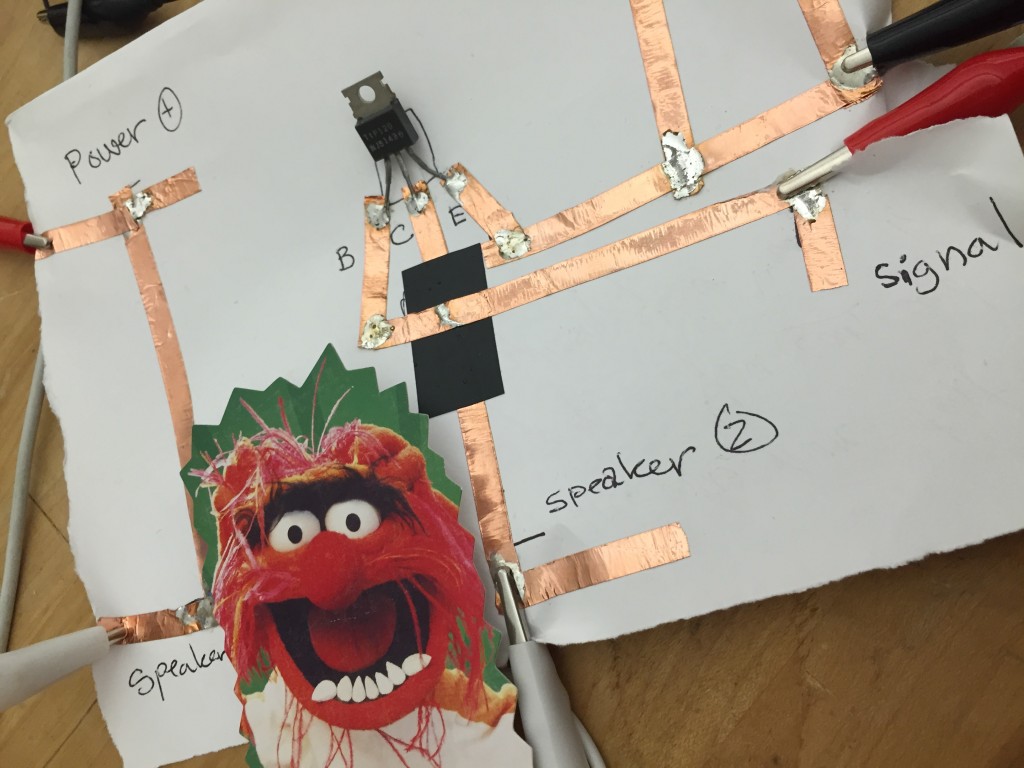 Glitter acrylic. It should be good because it is glitter. It is not, which makes us angry.
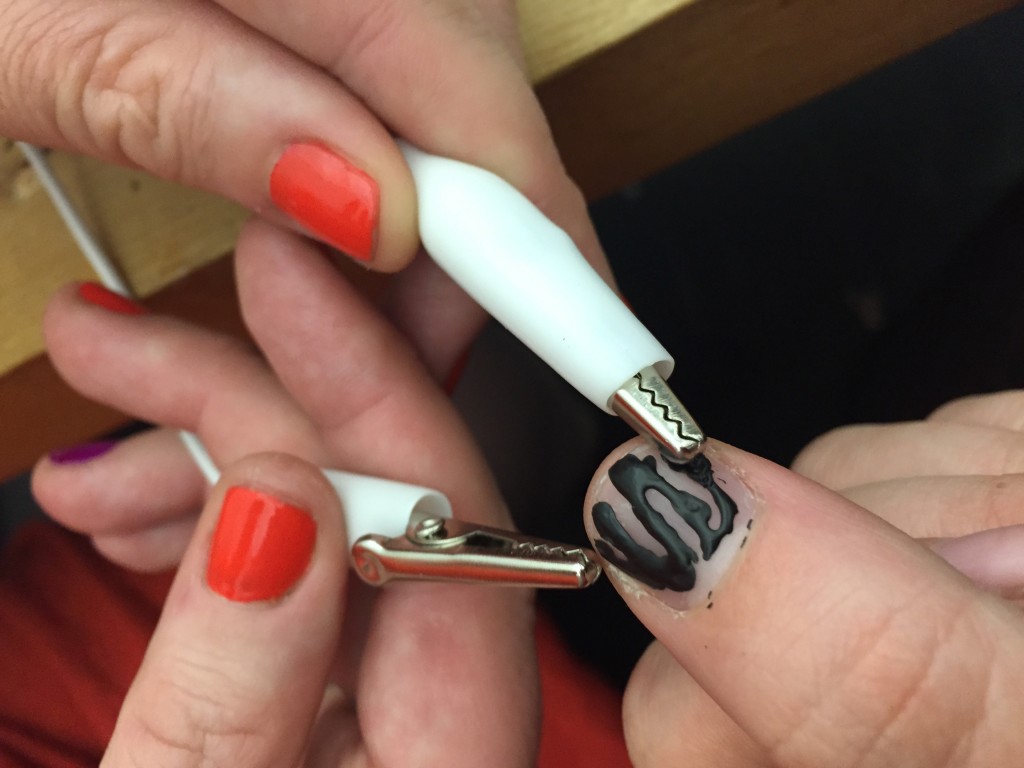
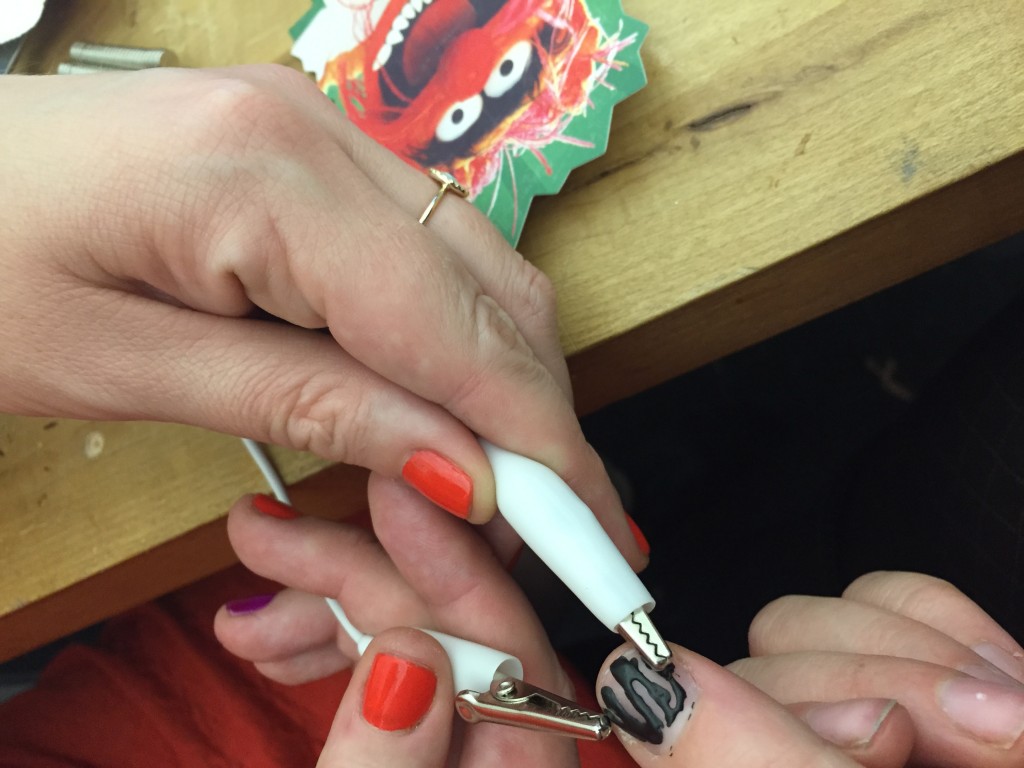 We’re thinking about rings now.