Category Archives: Uncategorized

Sensor Homework

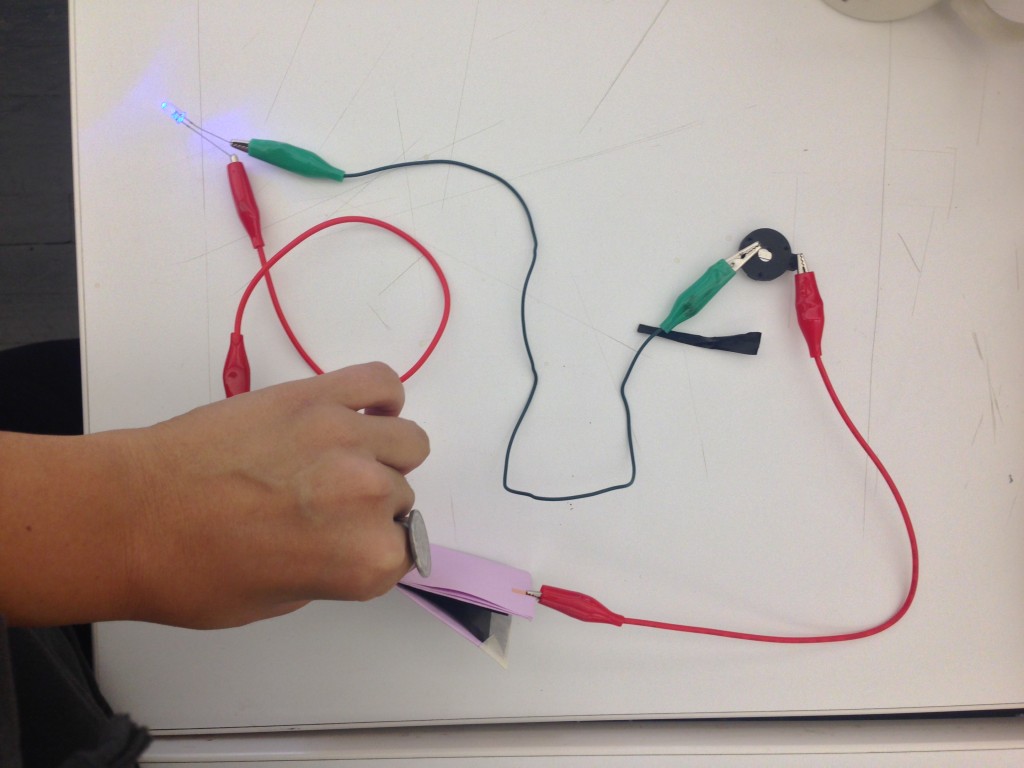
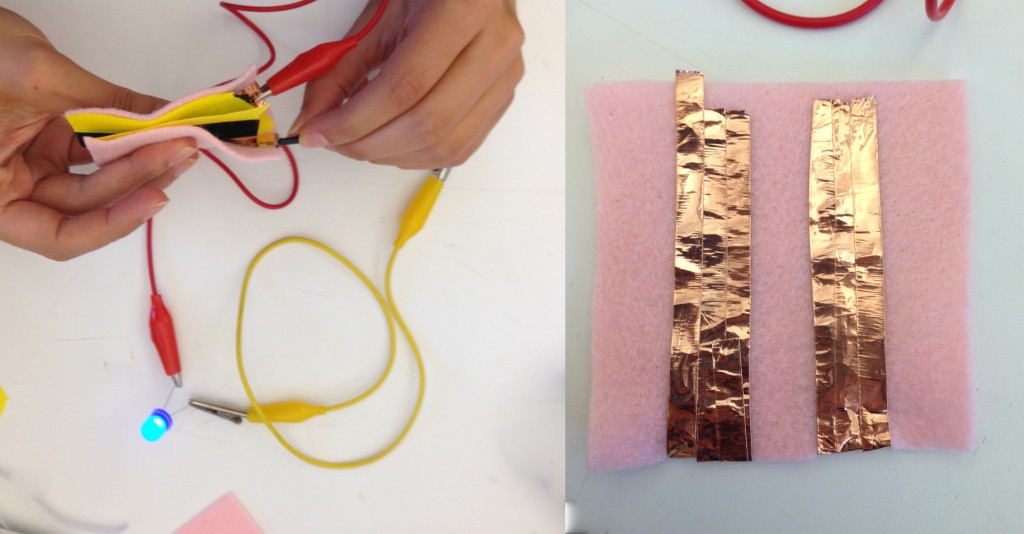
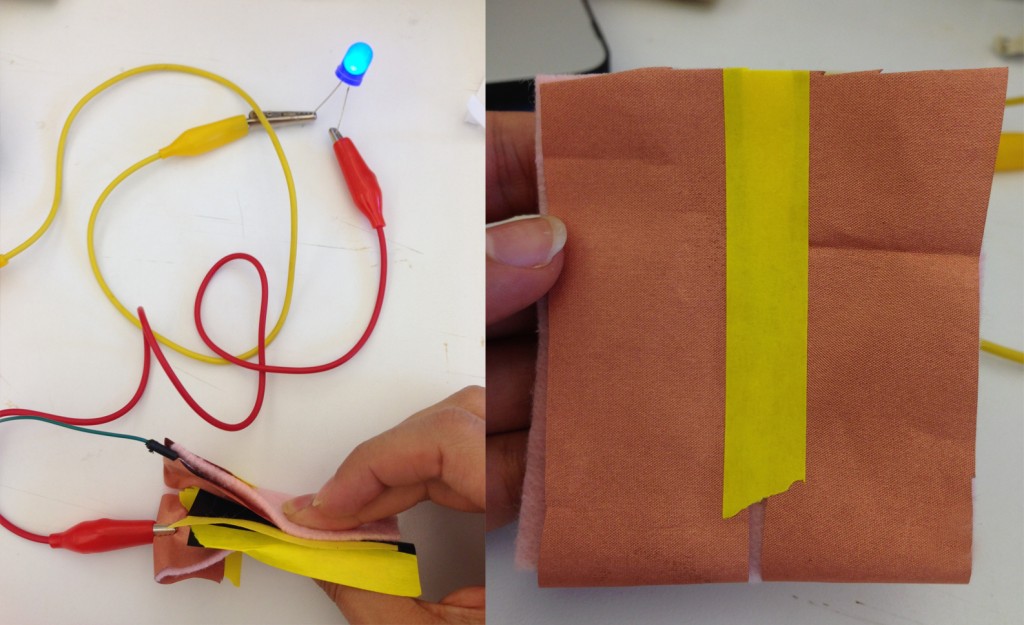
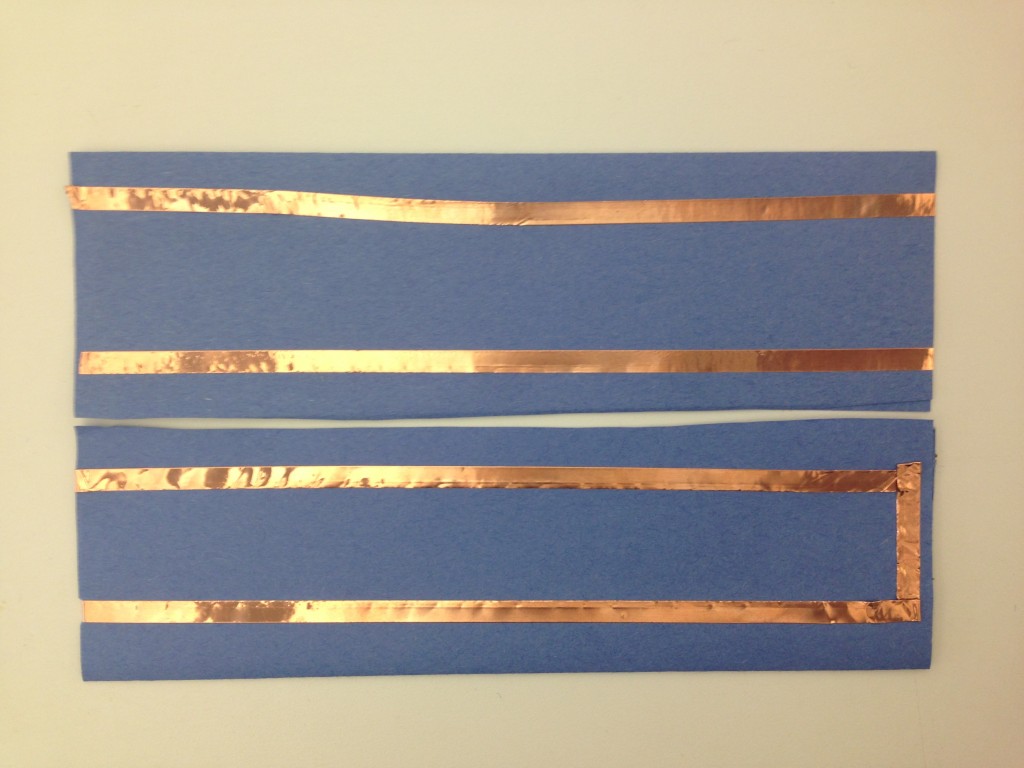
I tested making flex sensors with paper, copper tape, and velostat.  I tested how the number of rows of copper tape effected the sensitivity of the sensor.

Hypothesis:  (1) Increasing the number of rows of copper tape on one side of the paper will make the flex sensor more sensitive.  (2) If you wrap the rows around to both sides of the paper, it will decrease the sensitivity.

Results:

Tape on both needs of the paper made the sensor more sensitivity; therefore, the user does not need to bend or squeeze the sensor very much to see the full brightness of the LED.
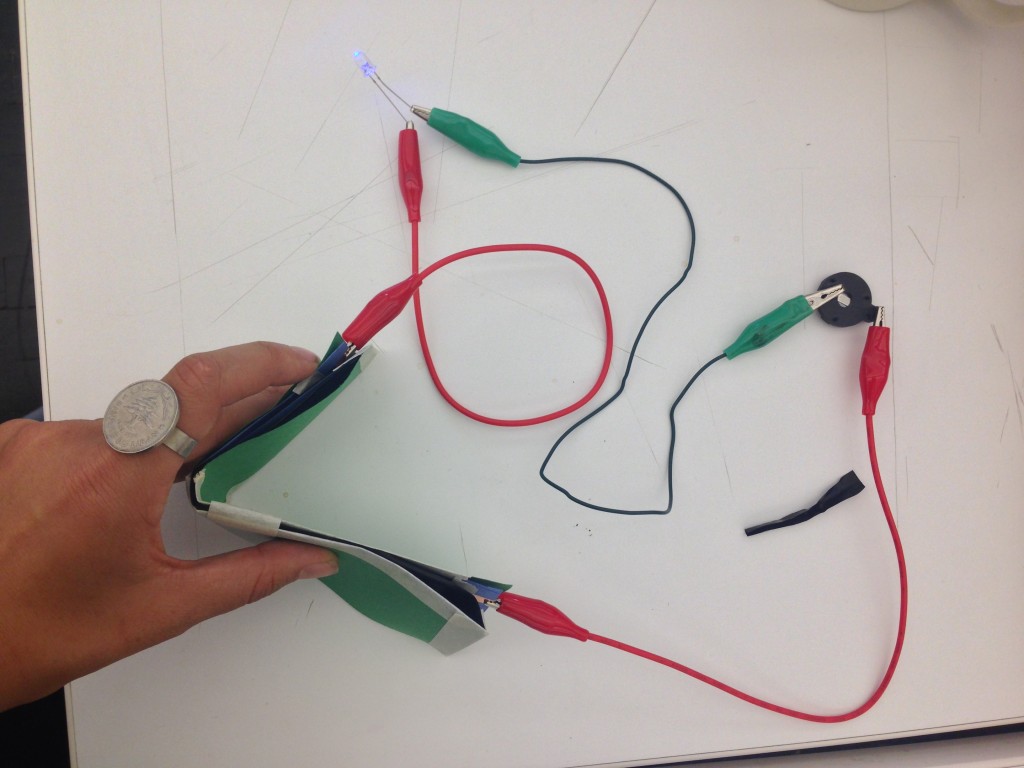
sensorTest1 sensorTest5


Tape on one side of the paper created the best sensor in terms of not being too sensitive and not sensitive enough.
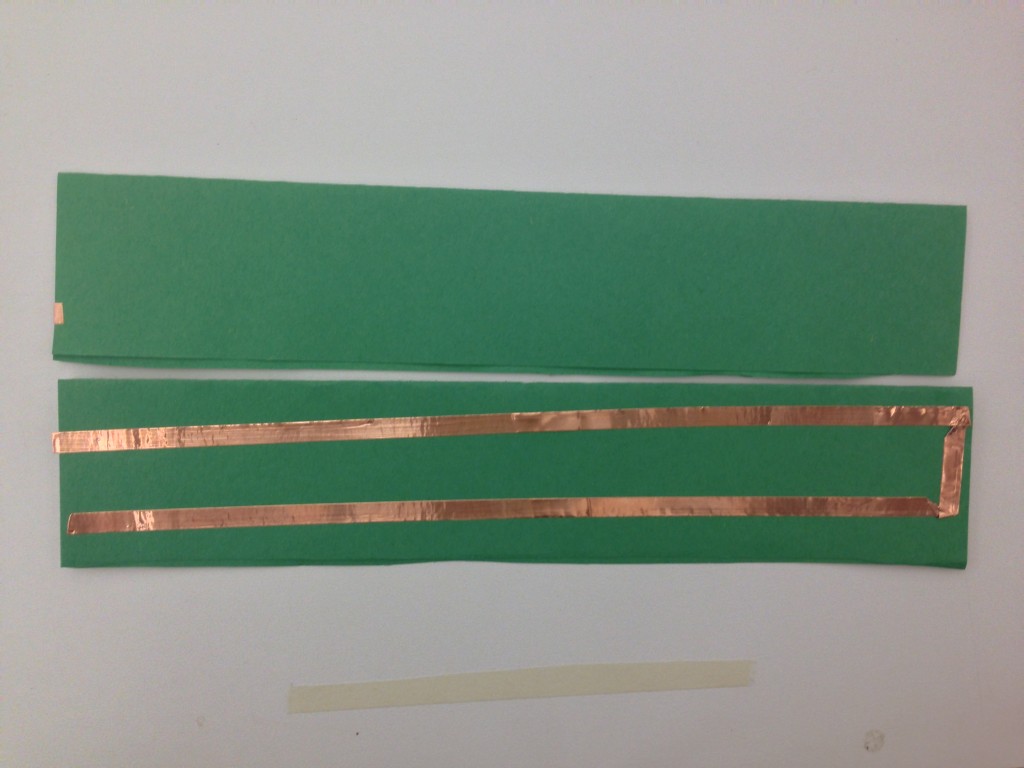
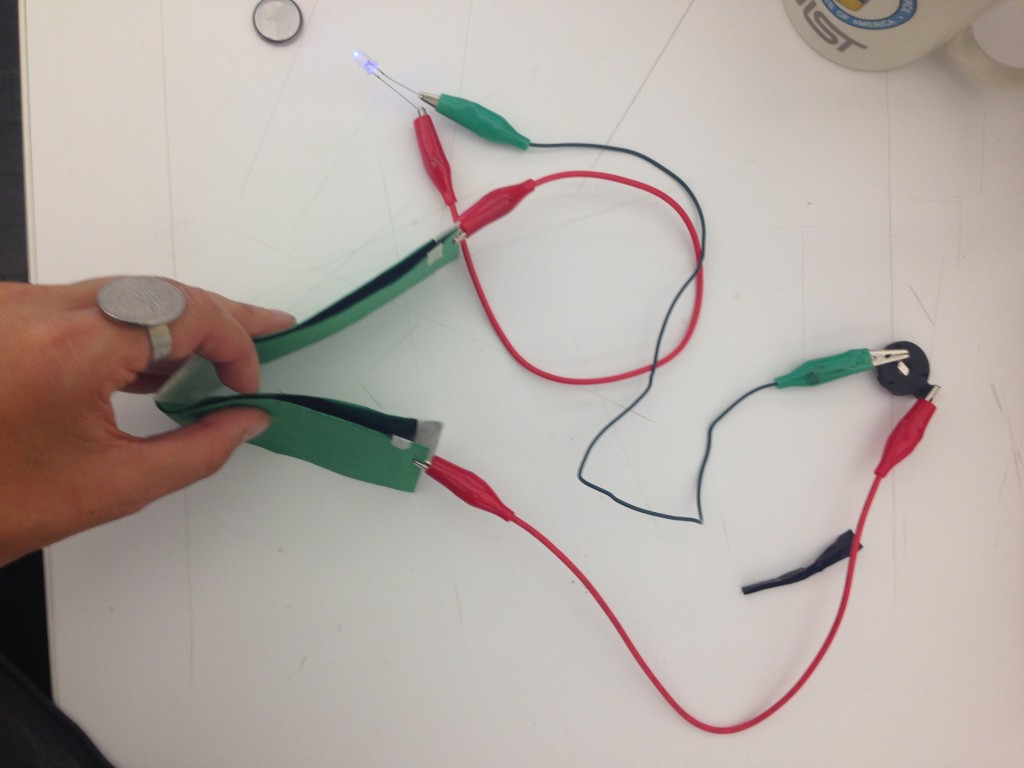
 

sensorTest2sensorTest4


One row of tape was the least sensitive sensor, and the user needed to bend the sensor a lot.  Even if the sensor was bent in half, the sensor did not .  However, you could squeeze the sensor very tightly to see the full brightness of the LED.
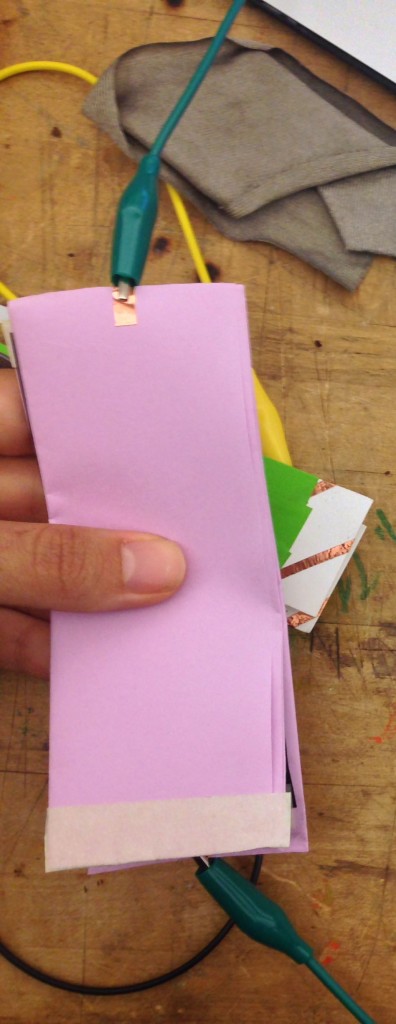
sensorTest3sensorTest6

New Craft // Paper Engineering

Team // Denah Emerson, Lama Shehadeh, Nicole Messier, Niki Selken

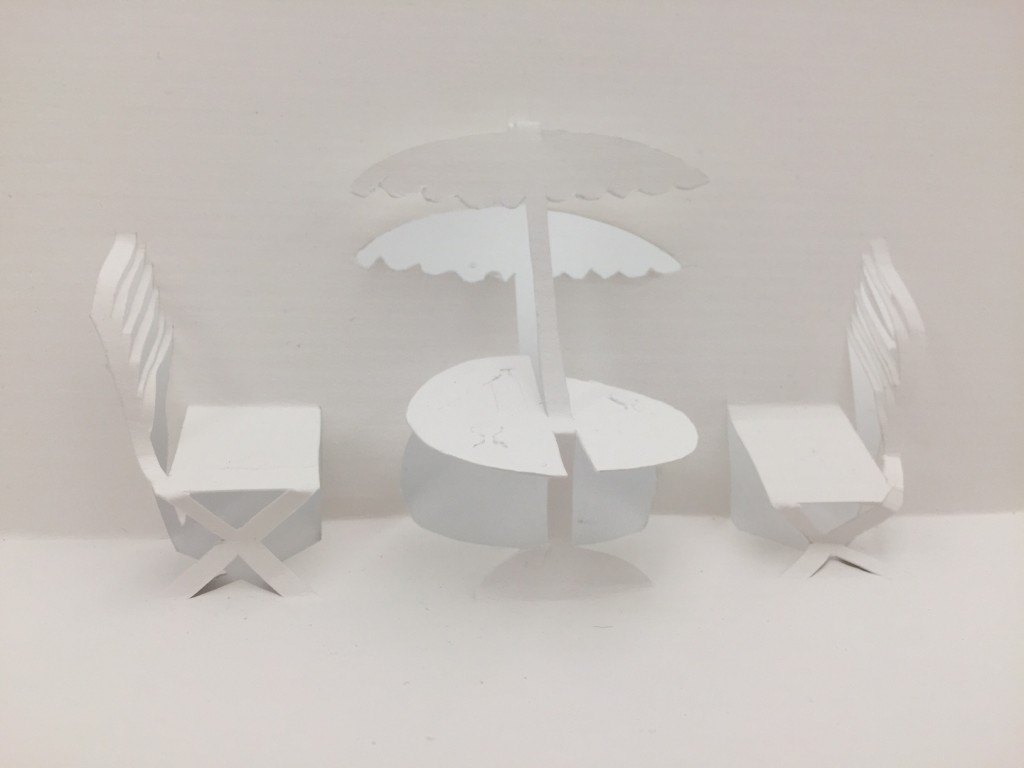
We found this project to be really interesting. Each one of us took a different approach because we wanted to expand more the subject. We all had similar experiences even though we did different techniques. Patience, the right choice of material, and scoring the folds were lessons we learned the hard way.

1. Pop-up technique //

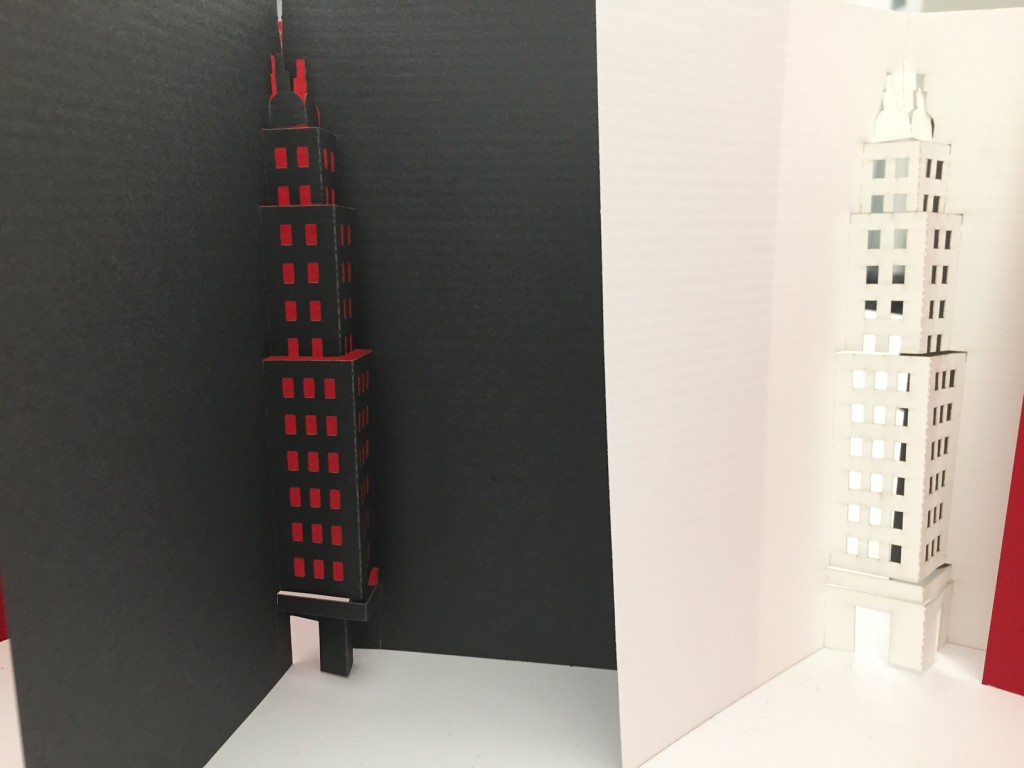
The building was done in Illustrator and then laser cut with scoring, which makes it deceptively simple to build. You probably want to ease up on the scoring, so that it is less fragile.

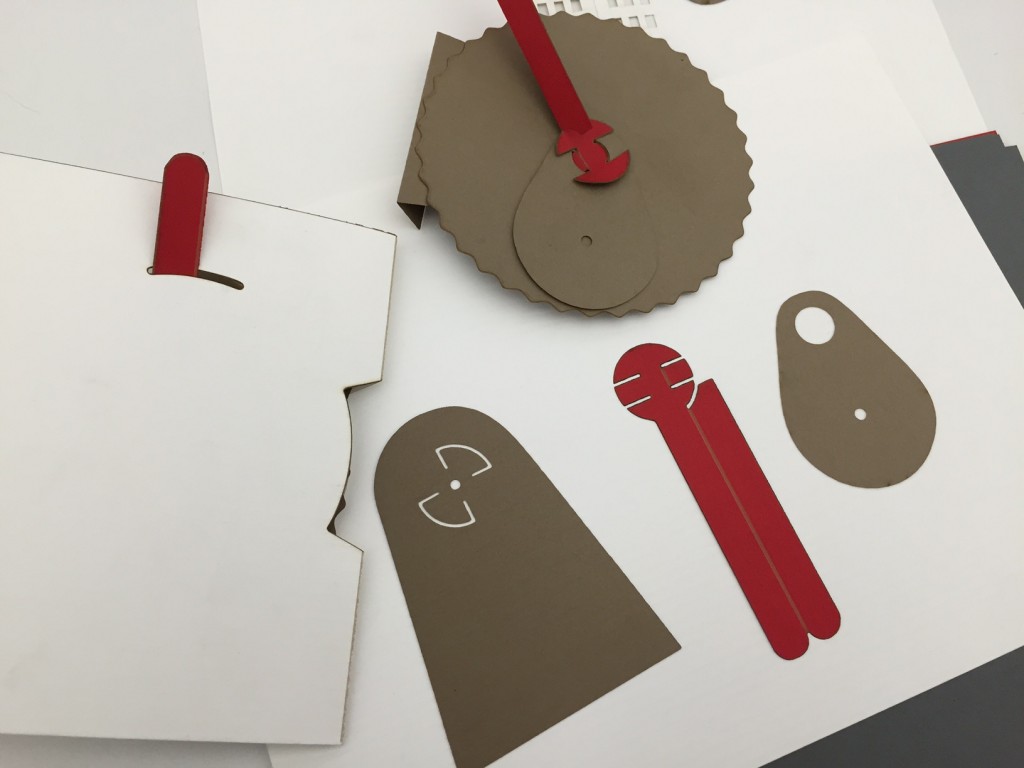
The pop-up book element (wheel with cam and rotating arm) is near impossible by hand, but quite wonderful when laser cut. You can attach some little figure to the rotating arm and then it goes back and forth like a little party as you wind the wheel. I love the little pivots. They’re secretly ingenious.

The red laser cutters are worlds better than the grey. Stay away from grey.

IMG_0115

IMG_0119

IMG_0120

2. Dynamic Origami //

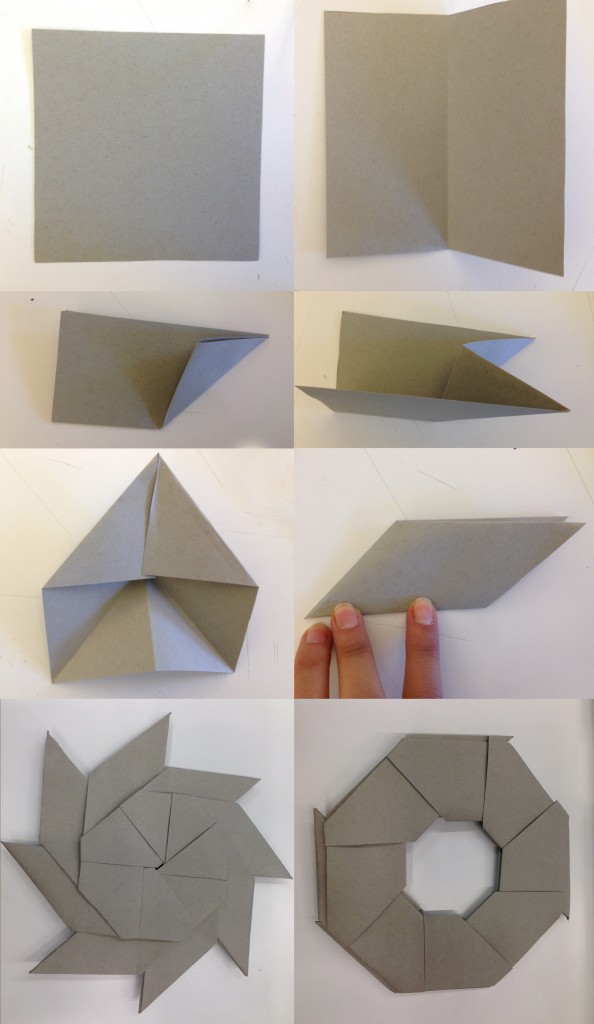
A star that transforms into a circle.

origami

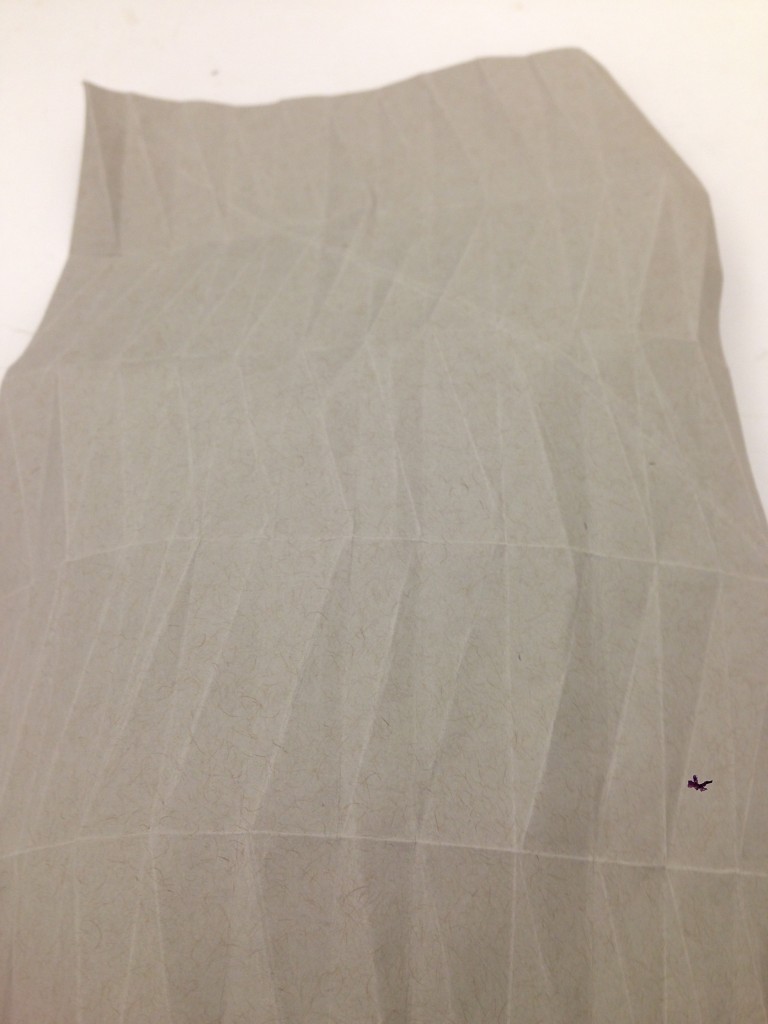
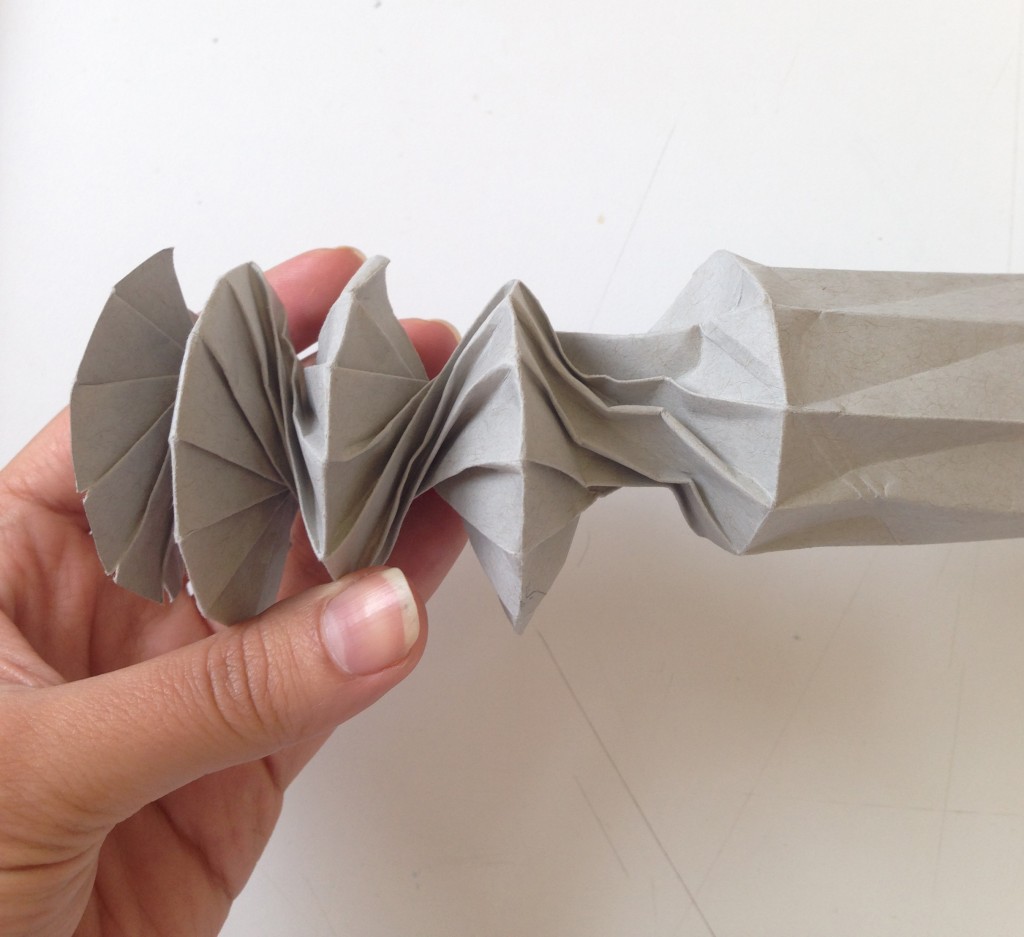
At first I tried to do a a cylinder that can compress and decompress, but the choice of paper made it impossible to have a neat execution. I tried three weights and it still failed, but it is still worth experimenting.

IMG_3868

IMG_3900IMG_3901

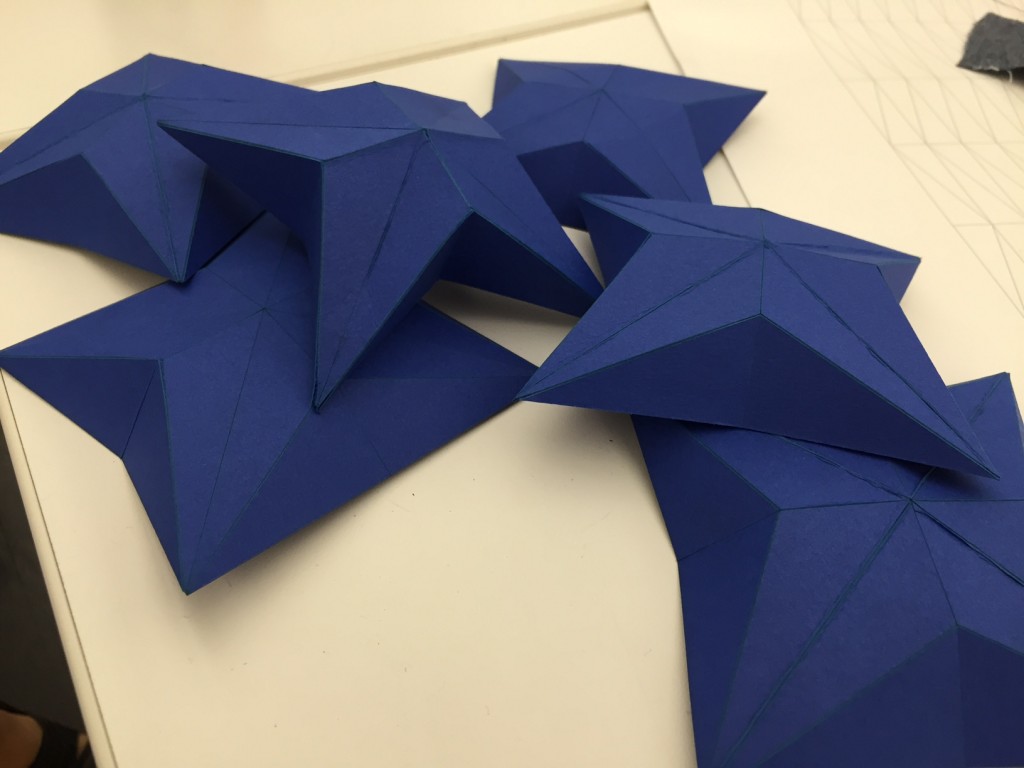
3. 3D Star //

IMG_0121

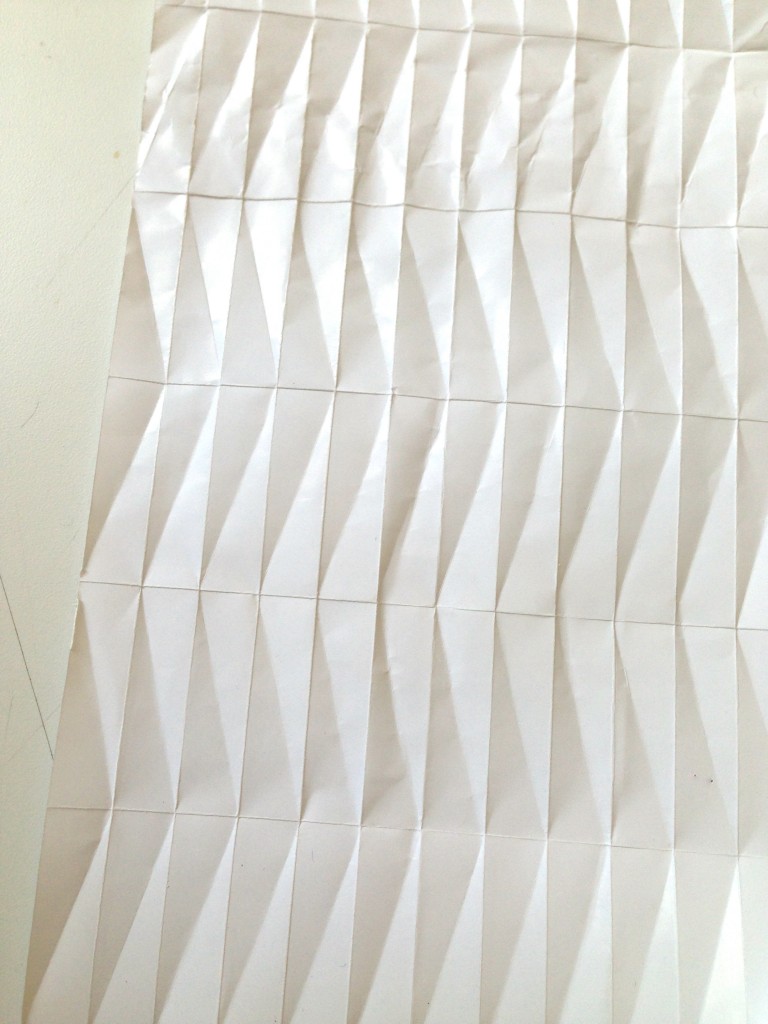
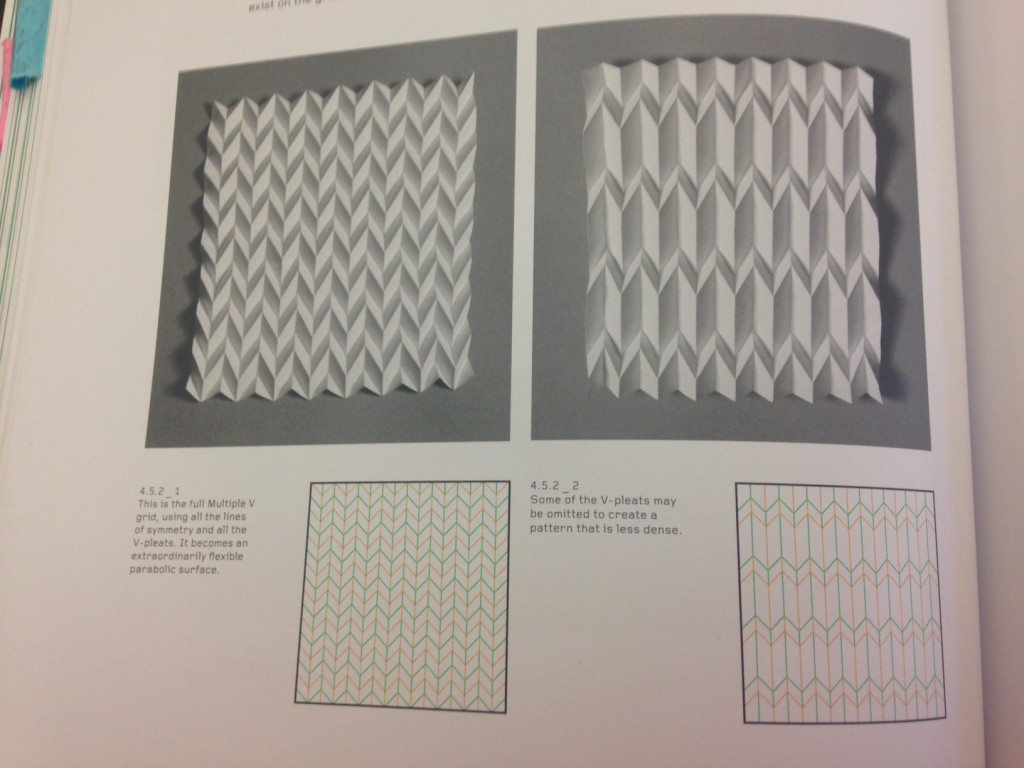
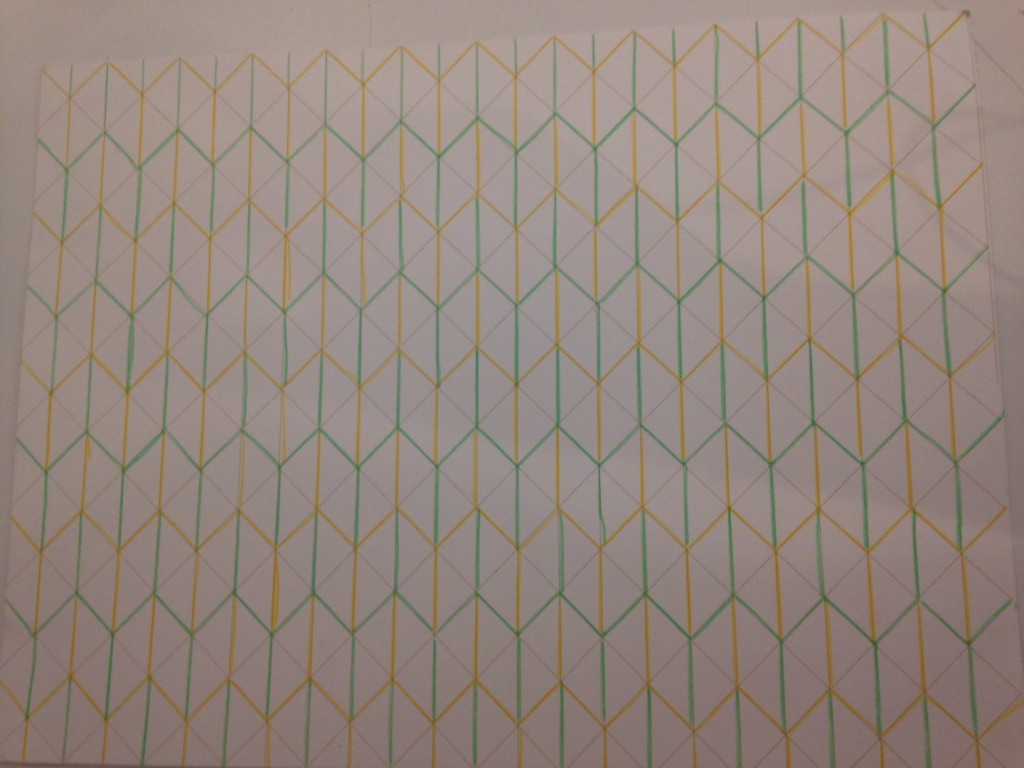
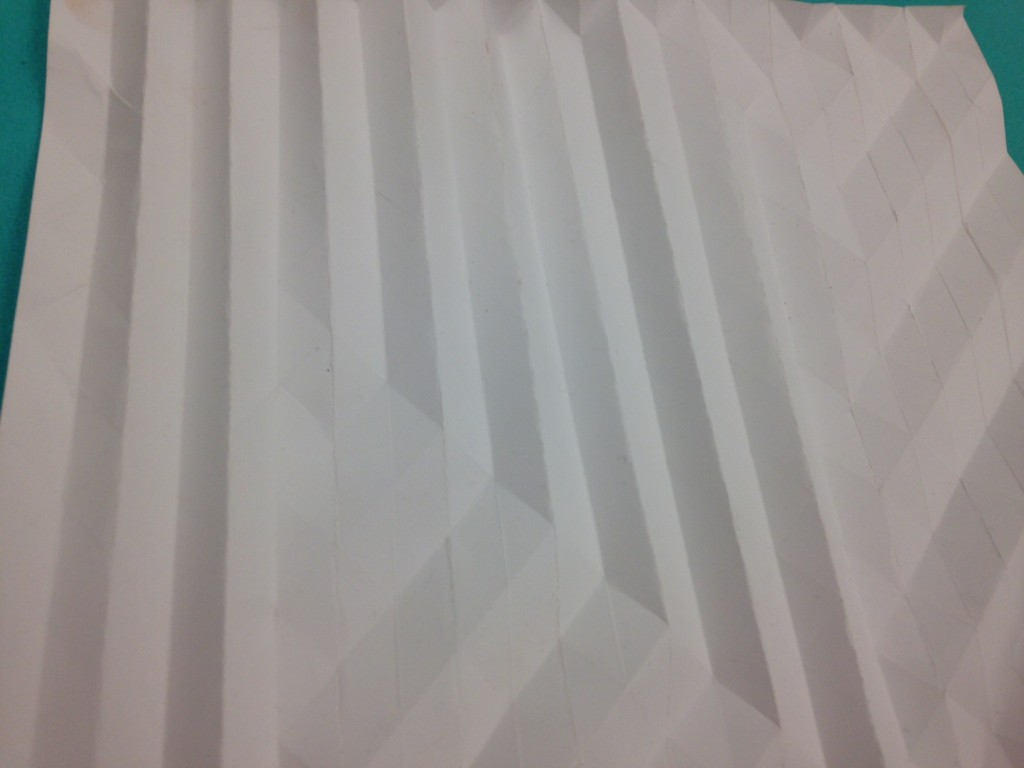
4. 3D Pattern //

IMG_0633

IMG_0635

IMG_0637


Assignment 4 // Sensors

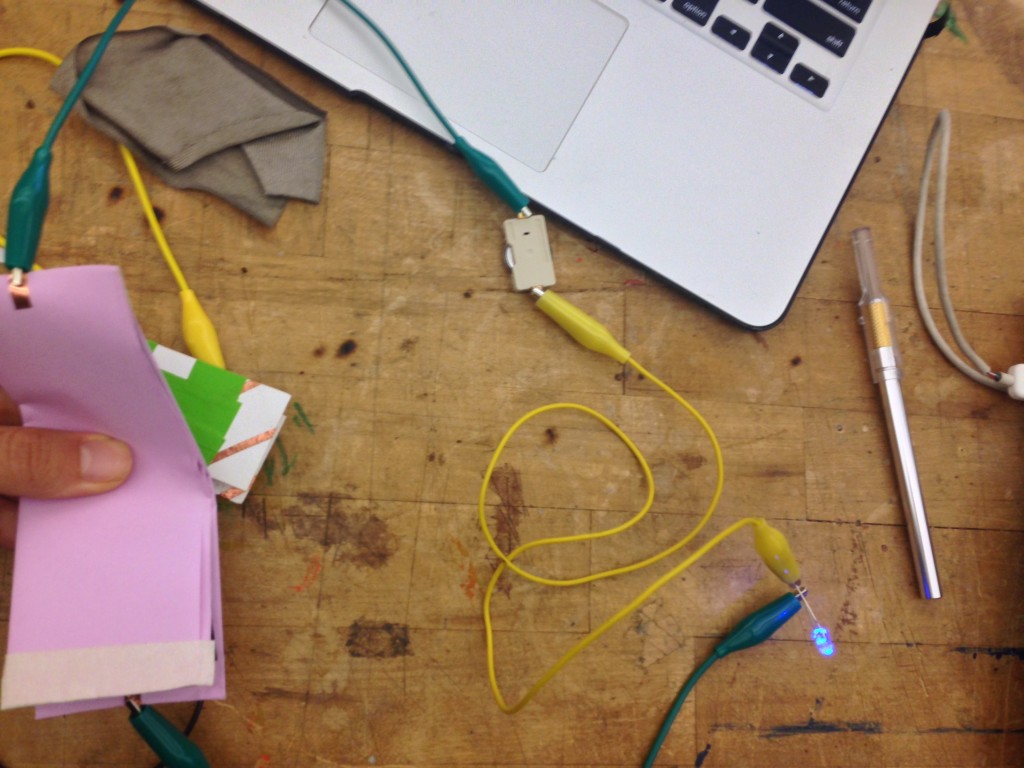
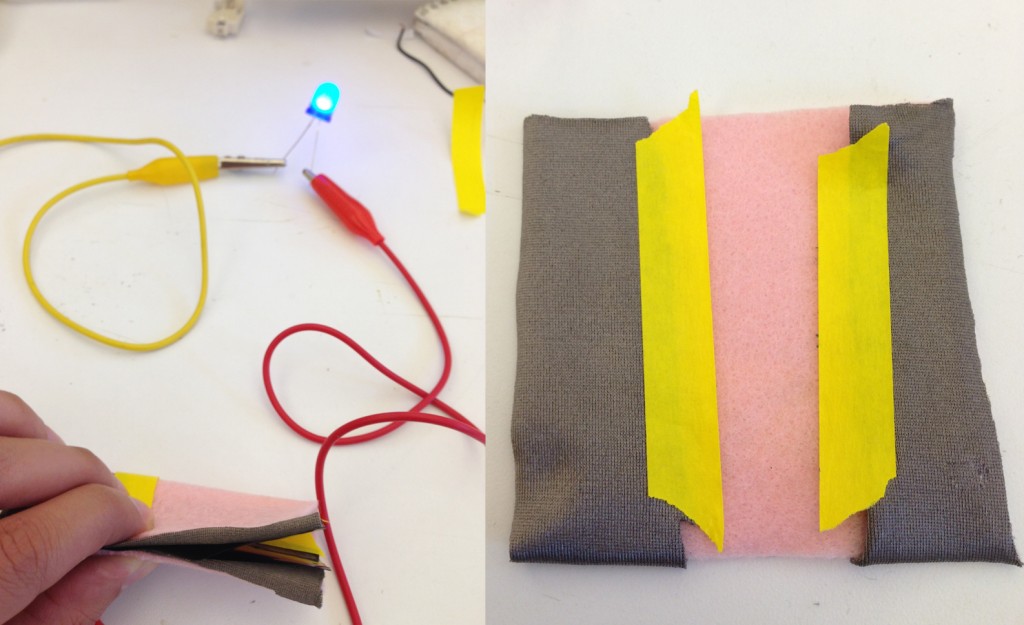
I decided to use the conductive material as my variable. I used an LED light, alligator wires, wires, a coin battery, a piece of regular fabric, velostat, and 3 conductive materials: copper tape, copper fabric, and med tex fabric. I first assumed that the fabrics would be more conductive than the tape thus allowing the LED to shine more, but surprisingly the light was just as bright.

Copper tape

Copper Fabric

Med Tex fabric

week4 homework- BirceEzgiJuno

1stprototype

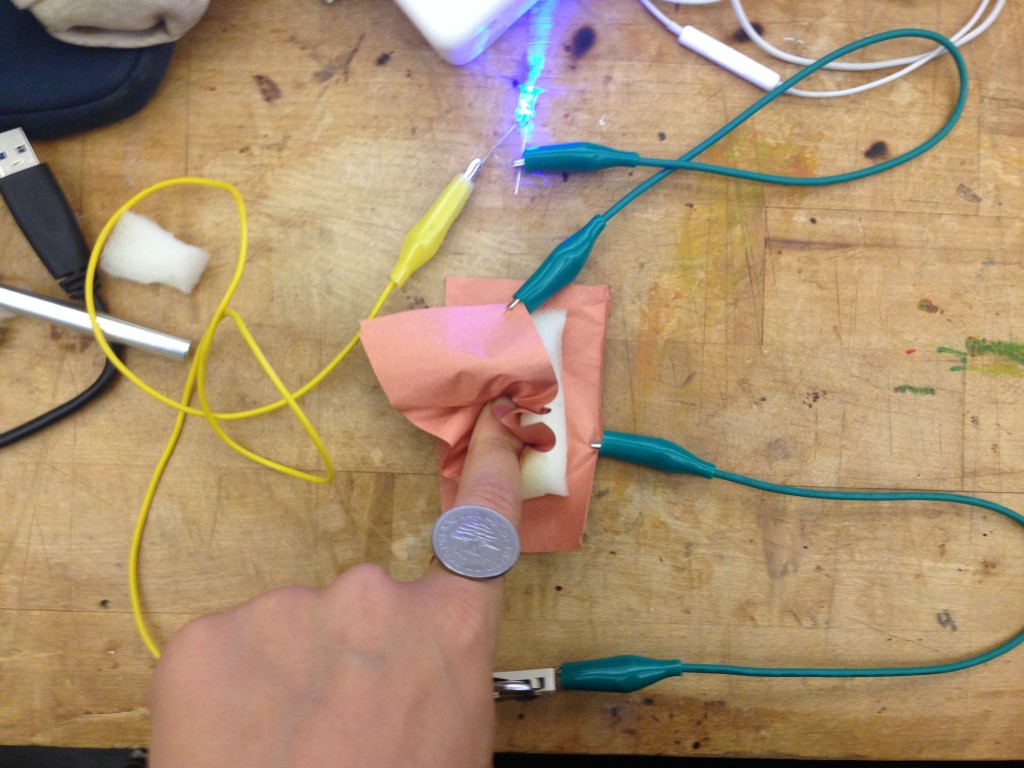
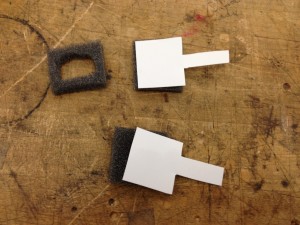
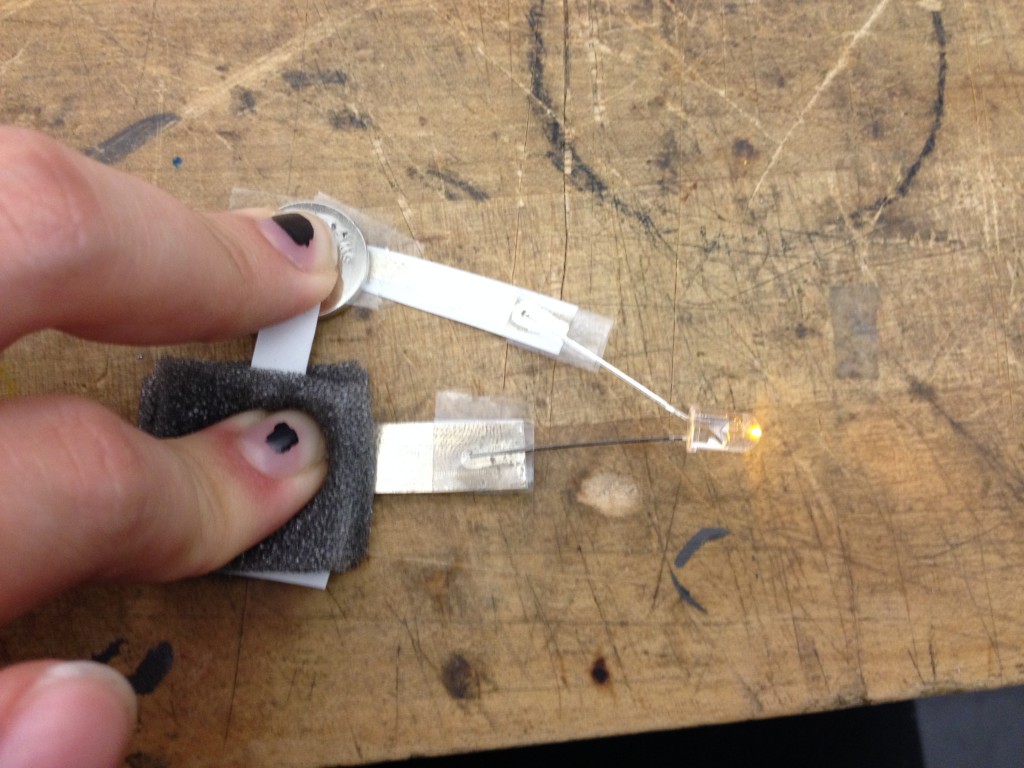
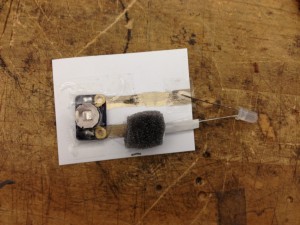
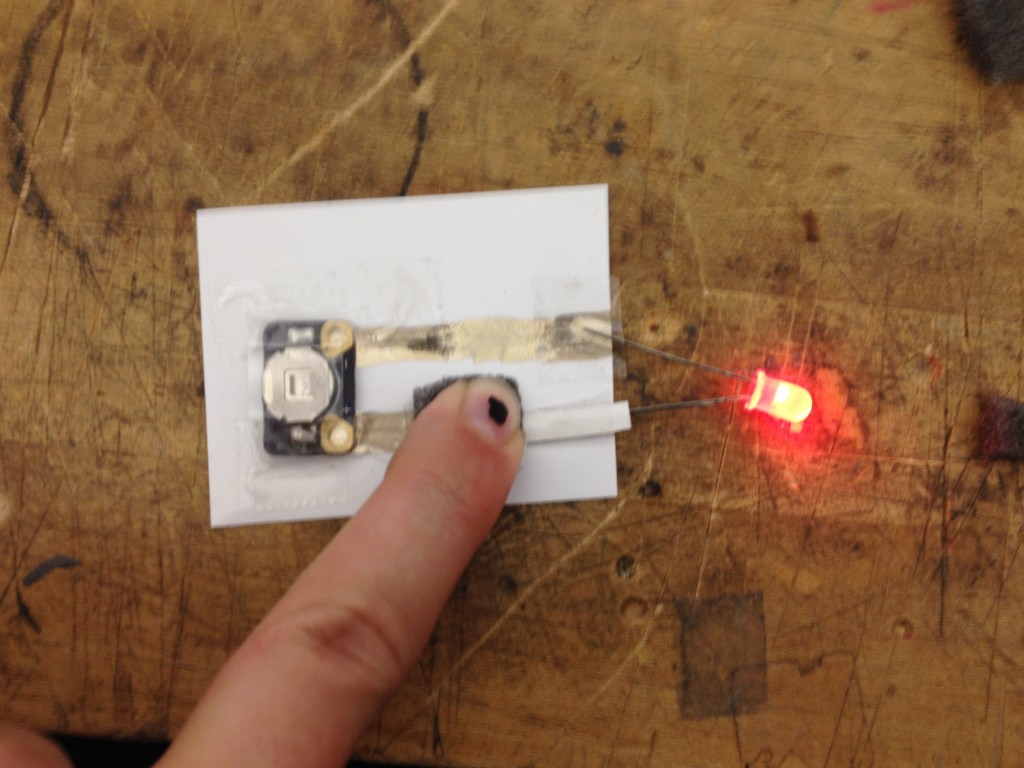
We decided to give a try to use AGIC Silver Ink Master as a conductor to make a pressure sensor. So we paint the square papers with using silver ink for the conductivity. We use sponge as nonconductive material to give the sense of pressure. What we realize is that once we start to press the sponge, led lights up. The only thing changes the led’s brightness is that how we squeeze the battery.

Ps: AGIC Silver Ink works perfectly!!!

photo 1 (19) photo 2 (19)photo (26)photo 5 (10)


2nd prototype

After realizing the brightness is changing depending on how we squeeze the battery.

We decided the use this pcb battery holder(which I found on Maker Faire) and i stick the battery really tight. In that, this time we don’t have to squeeze the battery to have a more bright LED.

photo 1 (20)

photo 2 (20)