-Xiaofeng Lin
1. Ruler with a metal chip, copper, and magnet. 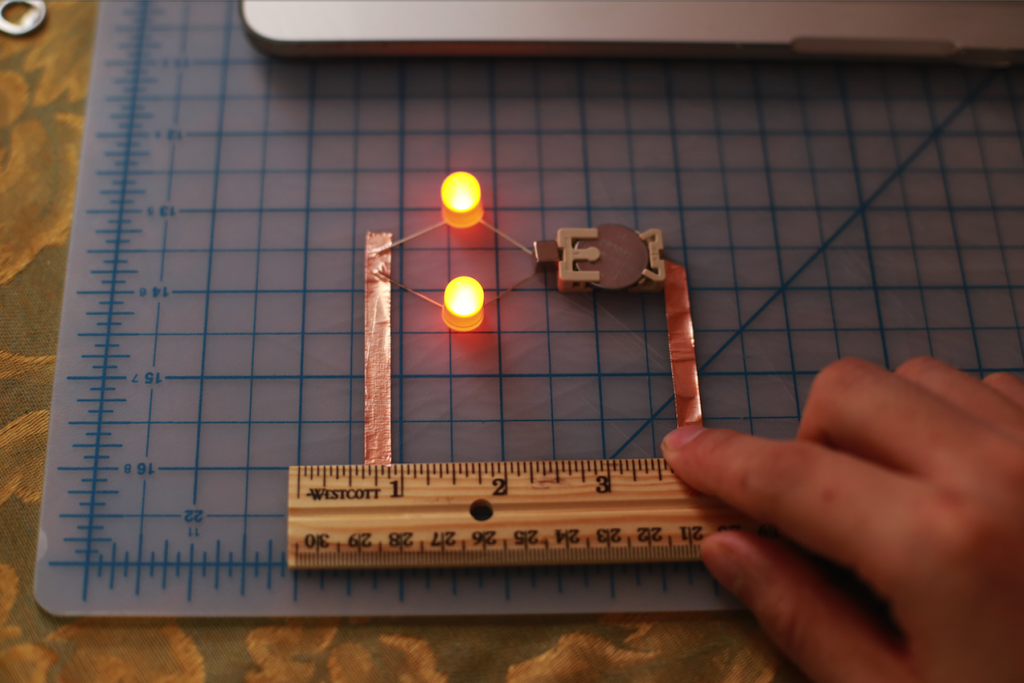 2. Conductive Ink.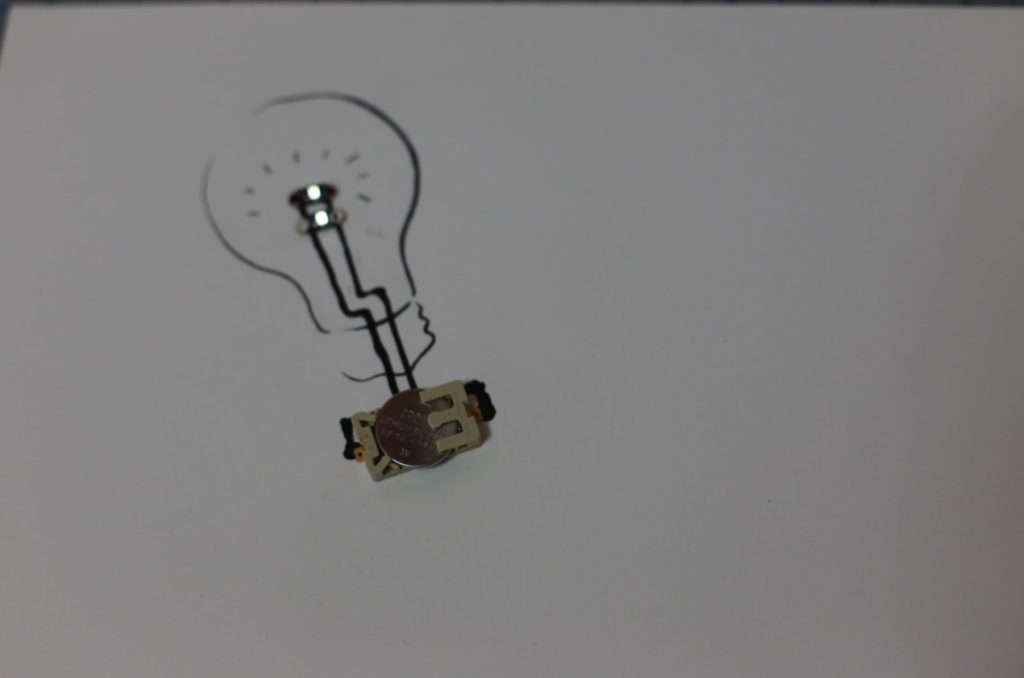
-Xiaofeng Lin
1. Ruler with a metal chip, copper, and magnet. 2. Conductive Ink.
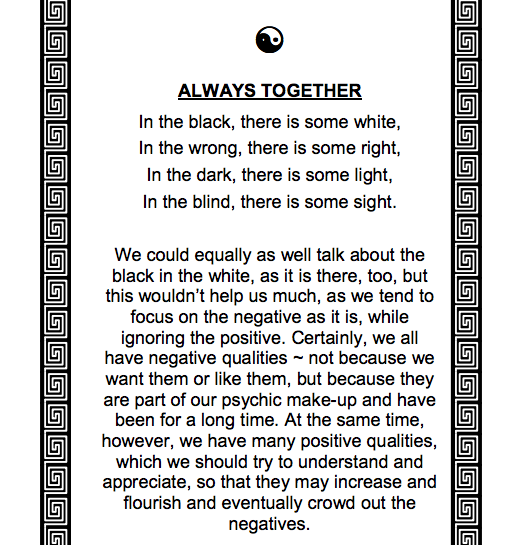
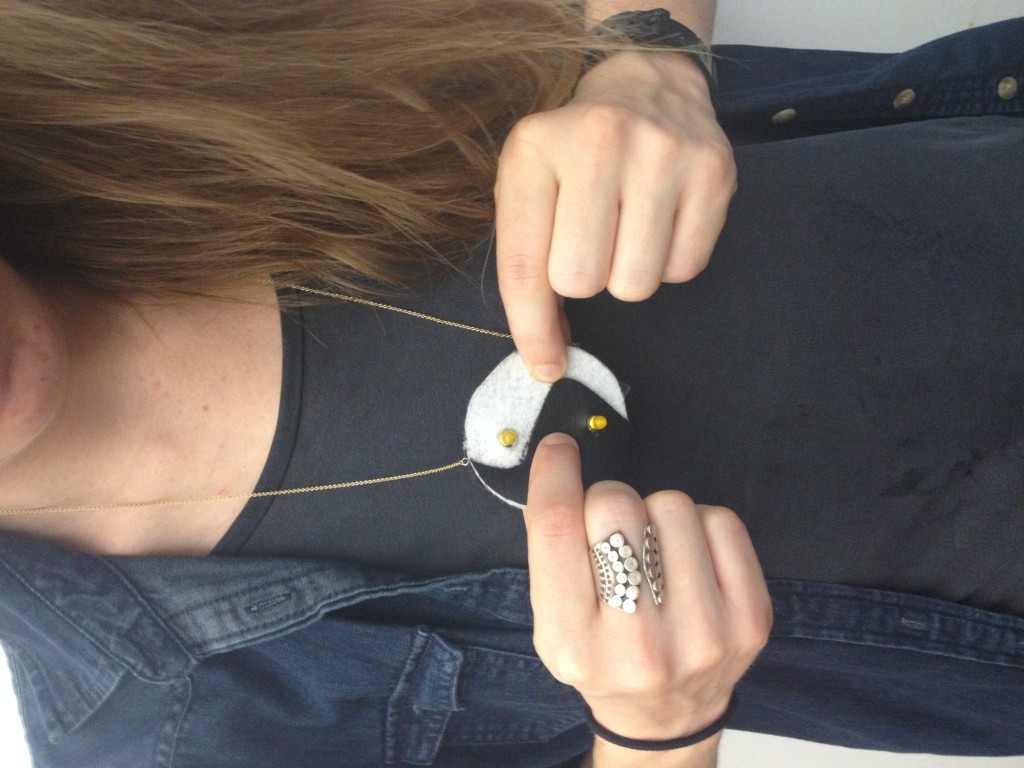
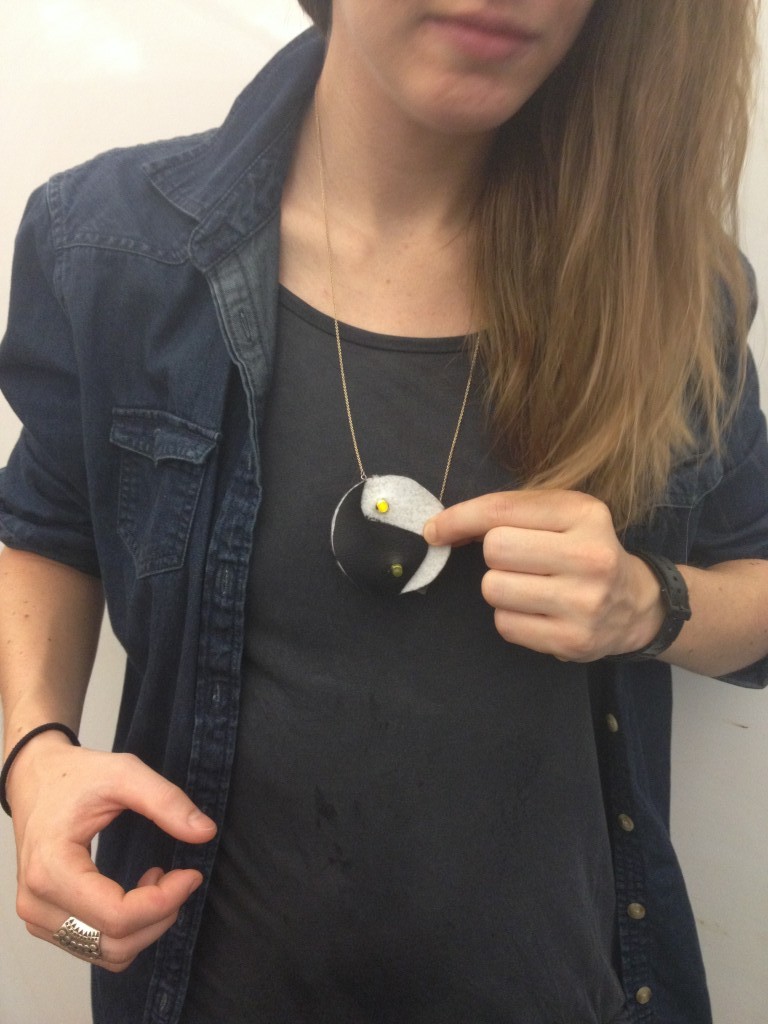
Abhinyana is a Buddhist monk who provides the teachings of Buddha for everyone with the purpose of helping them get rid of their suffering and achieve happiness. The text below is a page from his book ” Just a Thought”. I think it is really important to understand our negative qualities, embrace them and generate some positive outcomes. So, i decided to make a YinYang necklace to make remember those moments to the user. Whenever the user experiences some unexpected negative moments, the necklace keeps remember the user to trust life and negative things can give a birth to unexpected beautiful new experiences. Also, the wearer can light up the necklace depending on how he/she feels and use the LED on the sides of Yin&Yang as a symbol to show his/her state of mind.
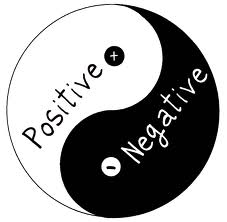
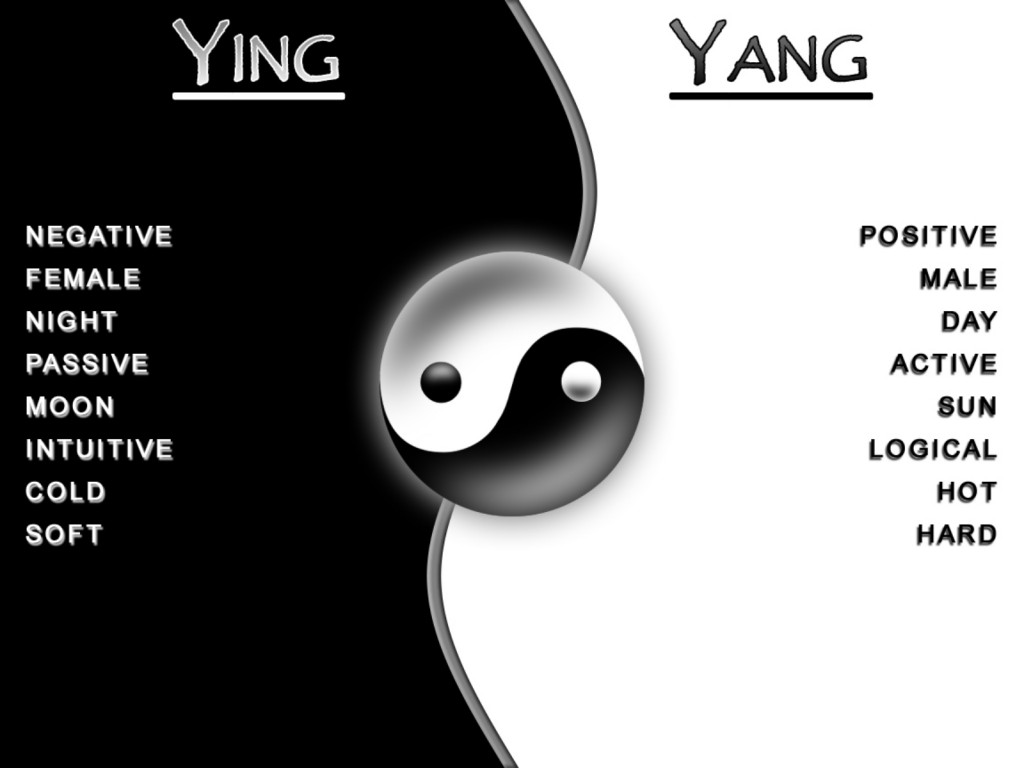
The other interesting thing I realized during the research about Yin Yang is that the circle represent the interaction of two energies, called “yin” (black) and “yang” (white), which cause everything to happen. They are not completely black or white, just as things in life are not completely black or white, and they cannot exist without each other. So, a circuit is a path that electrical current flows through. So, if there is no ground, there is no electrical flow and same for vice versa. We can use “Yin Yang” as a representation to show that the electrical flow cannot exist without each other
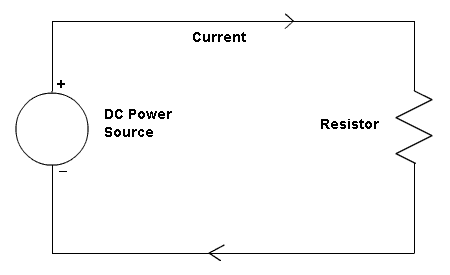
Starting from a building parallel circuit using 2 LEDS:
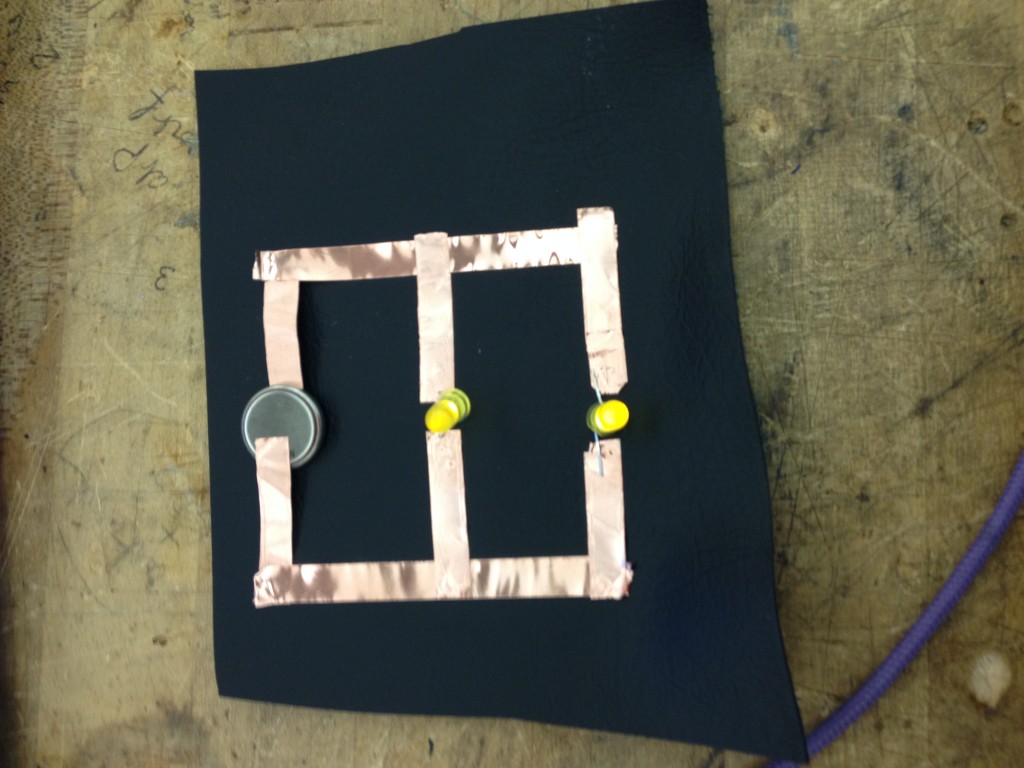
After that i decided to use conductive threads to build the circuit:
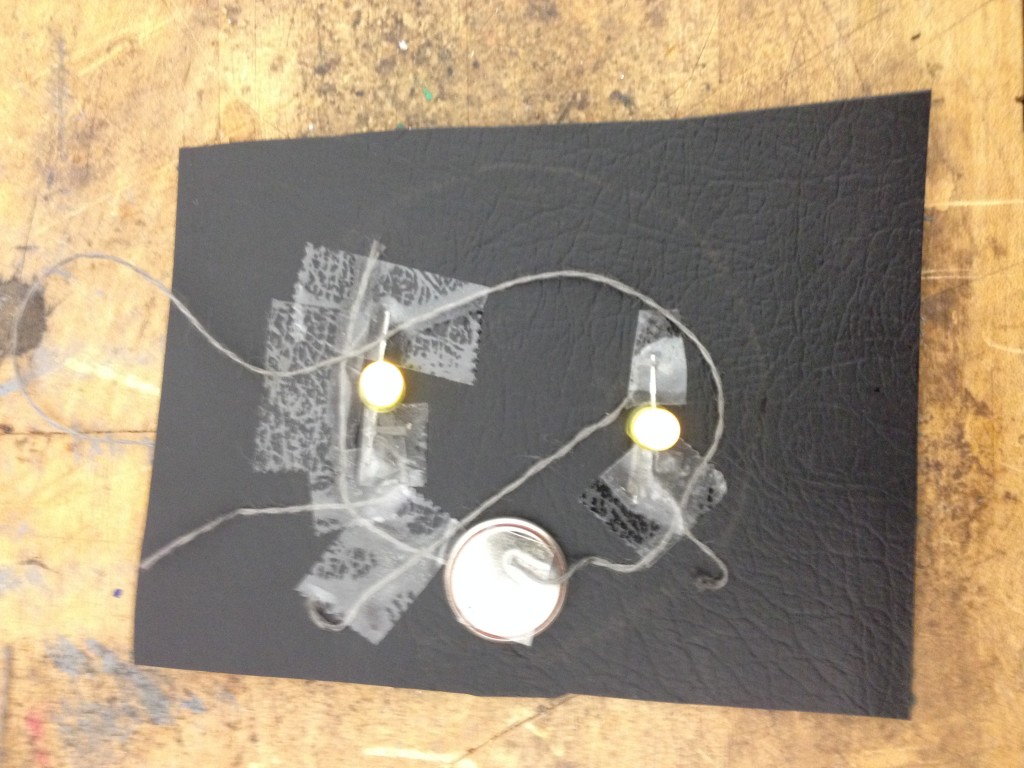
I cut the materials to give the circular shape of Yin Yang and cover the circle shaped circuits with circular shaped materials:
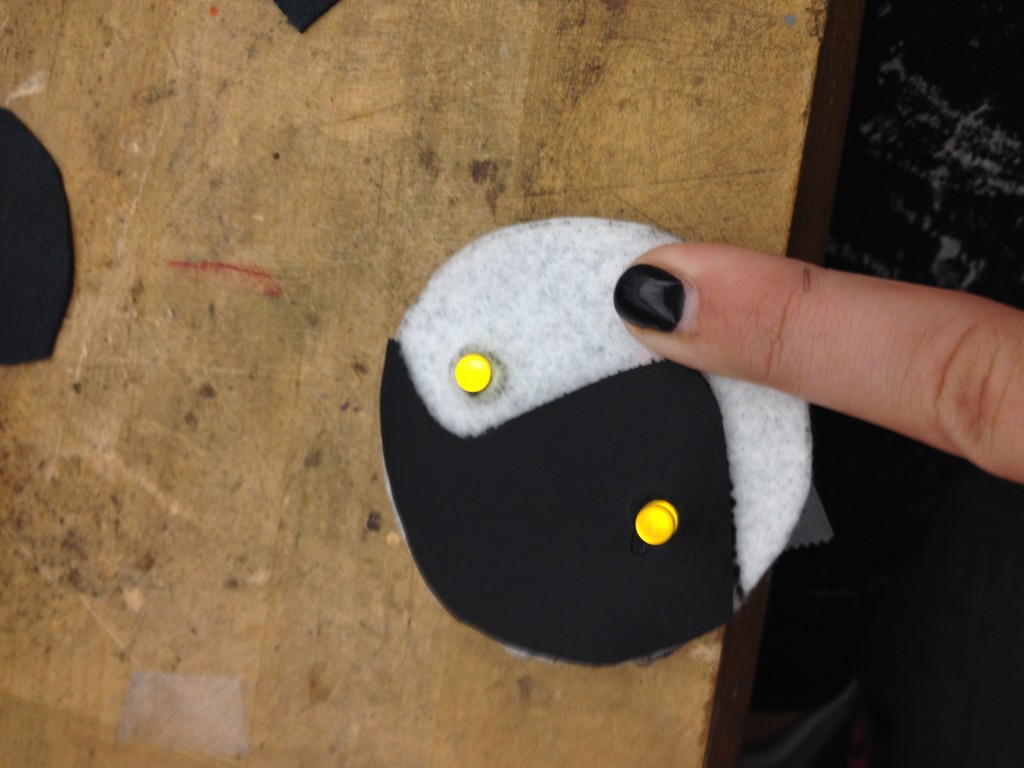
Also, i used conductive tape to create some switches depending on which side the wearer wants to light up:
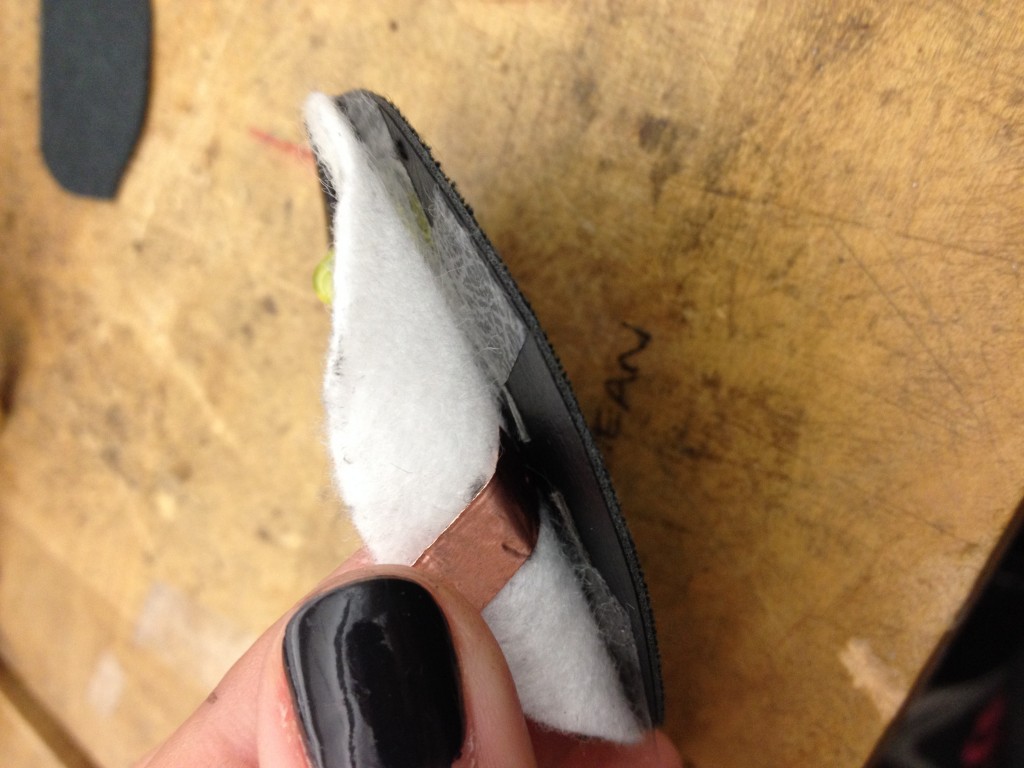

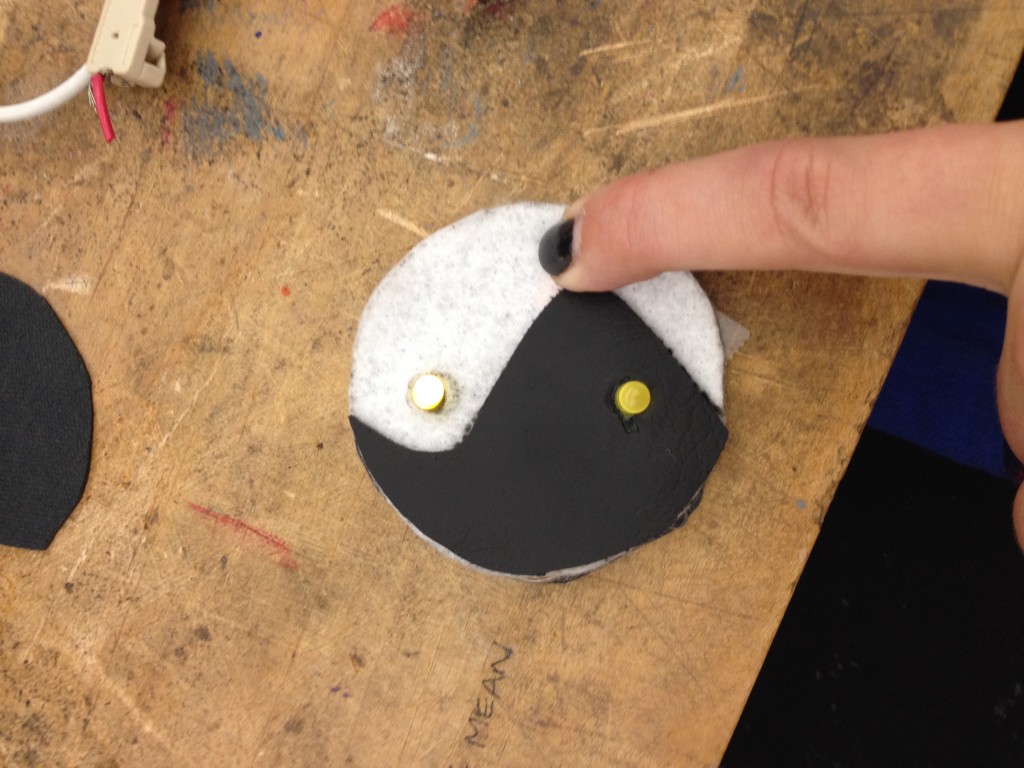
And then i hot glued the yin yang circuit with a chain:
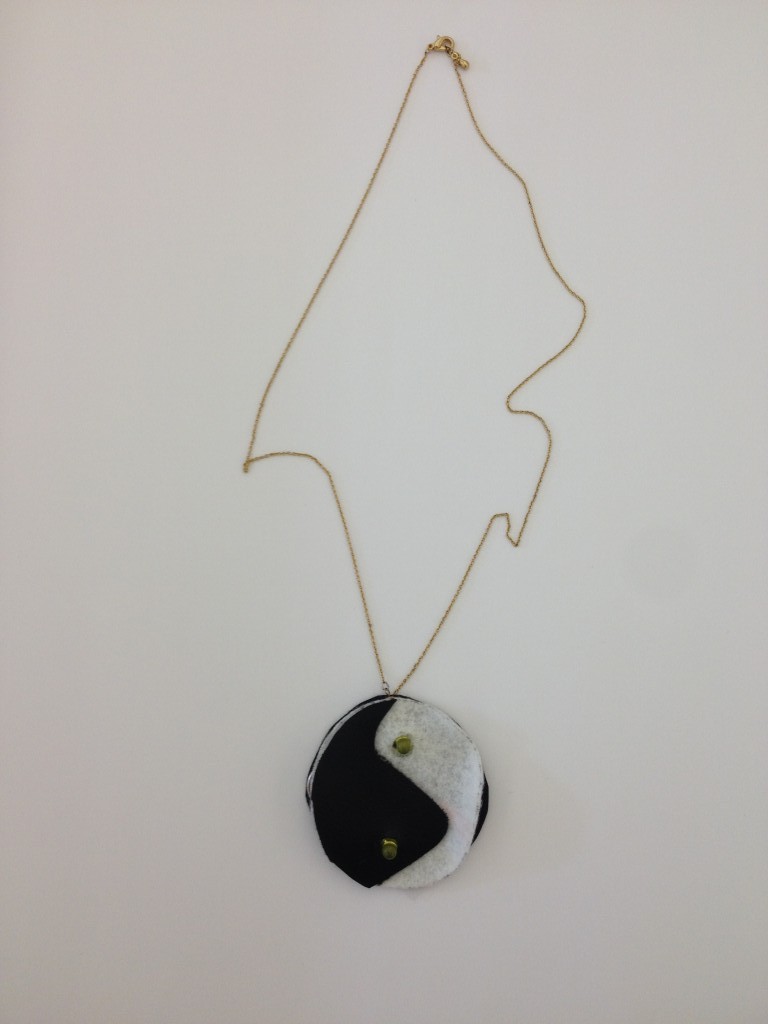
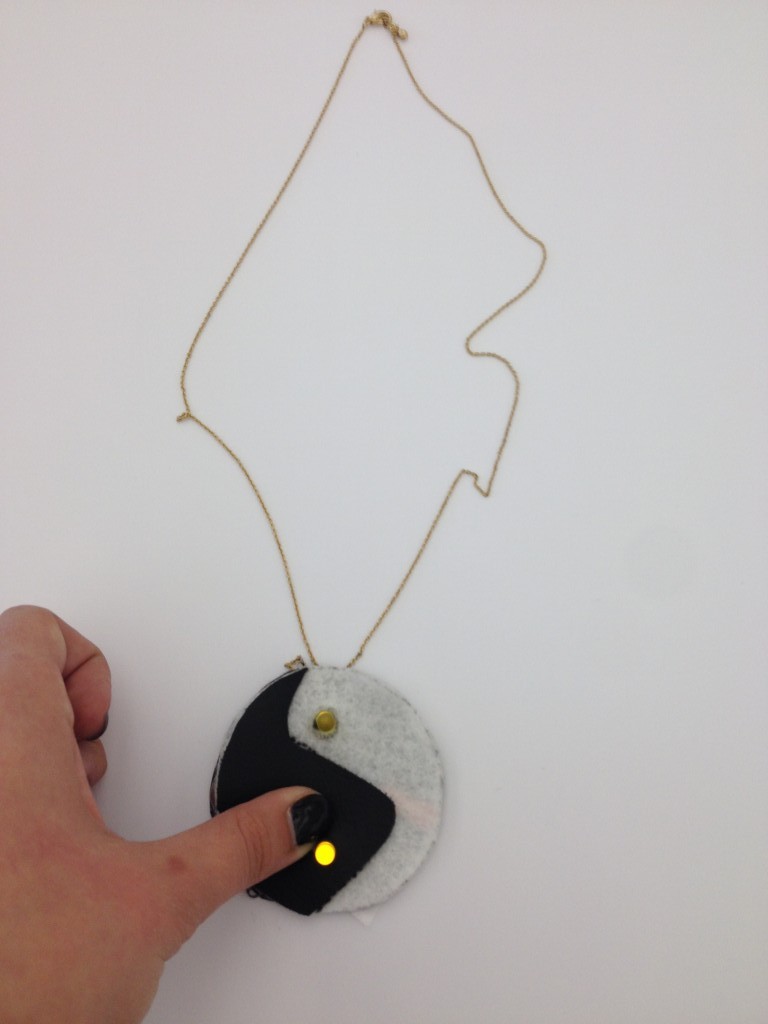
Also, one of my friends wore the necklace and pressed the right(Yang) and the left side(Yin) to light up her emotional states:
Quote //
” I like nonsense; it wakes up the brain cells.” Dr. Seuss
Concept //
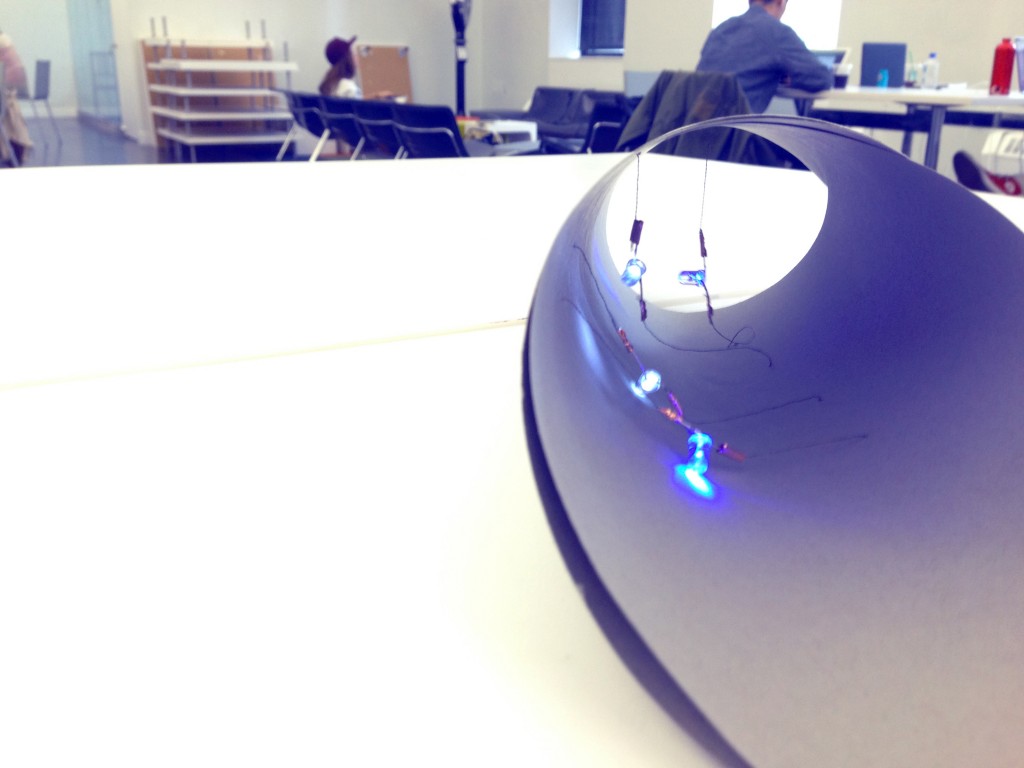
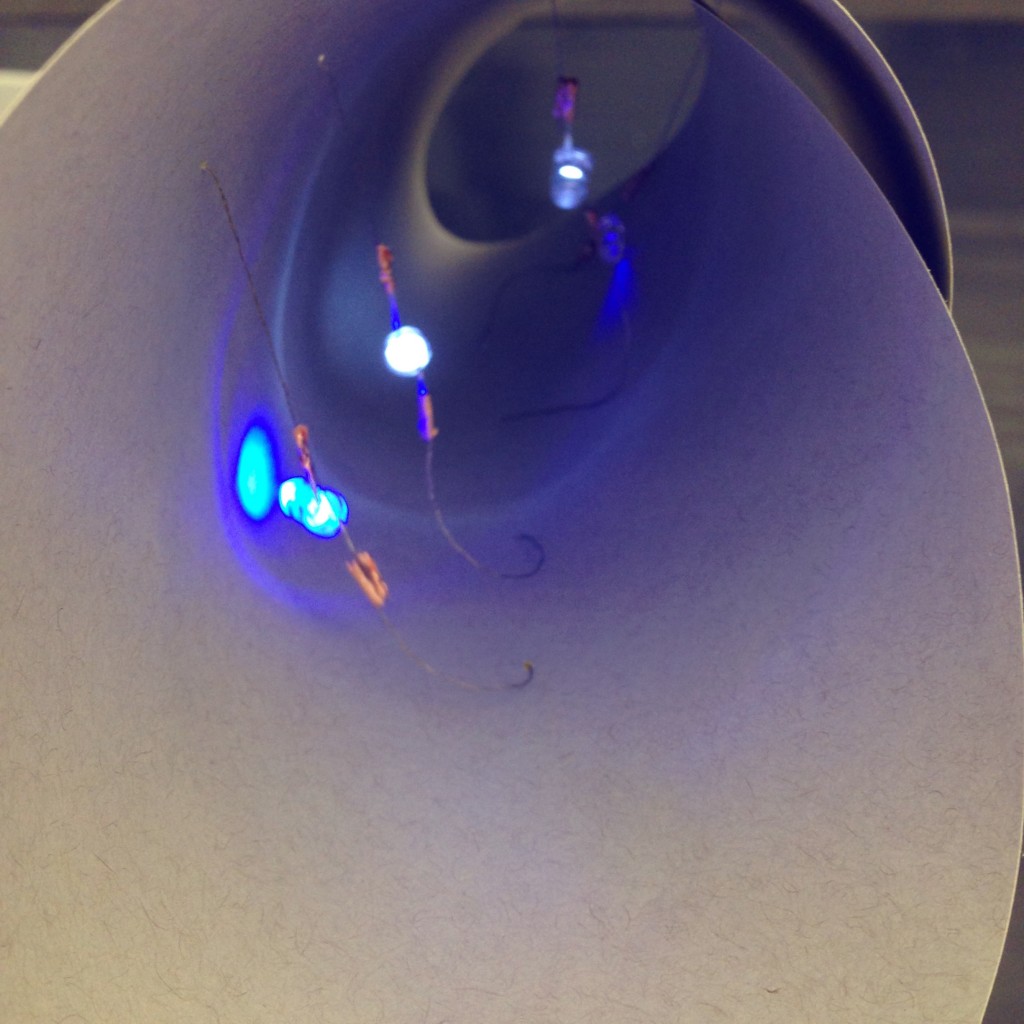
Creating something completely abstract to emphasize on the notion of nonsense and experimentation that awakens the brain. It is kind of showing the brain as a closed entity that is filled with potential.
Material //
2x 9″X12″ gray sketch paper
4x LED lights (2 blue, 2 white)
3x 3V coin batteris
Conductive thread
Conductive tape
Masking tape
Glue
Needle
Procedure //
I connected the LED to the conductive thread using conductive tape.
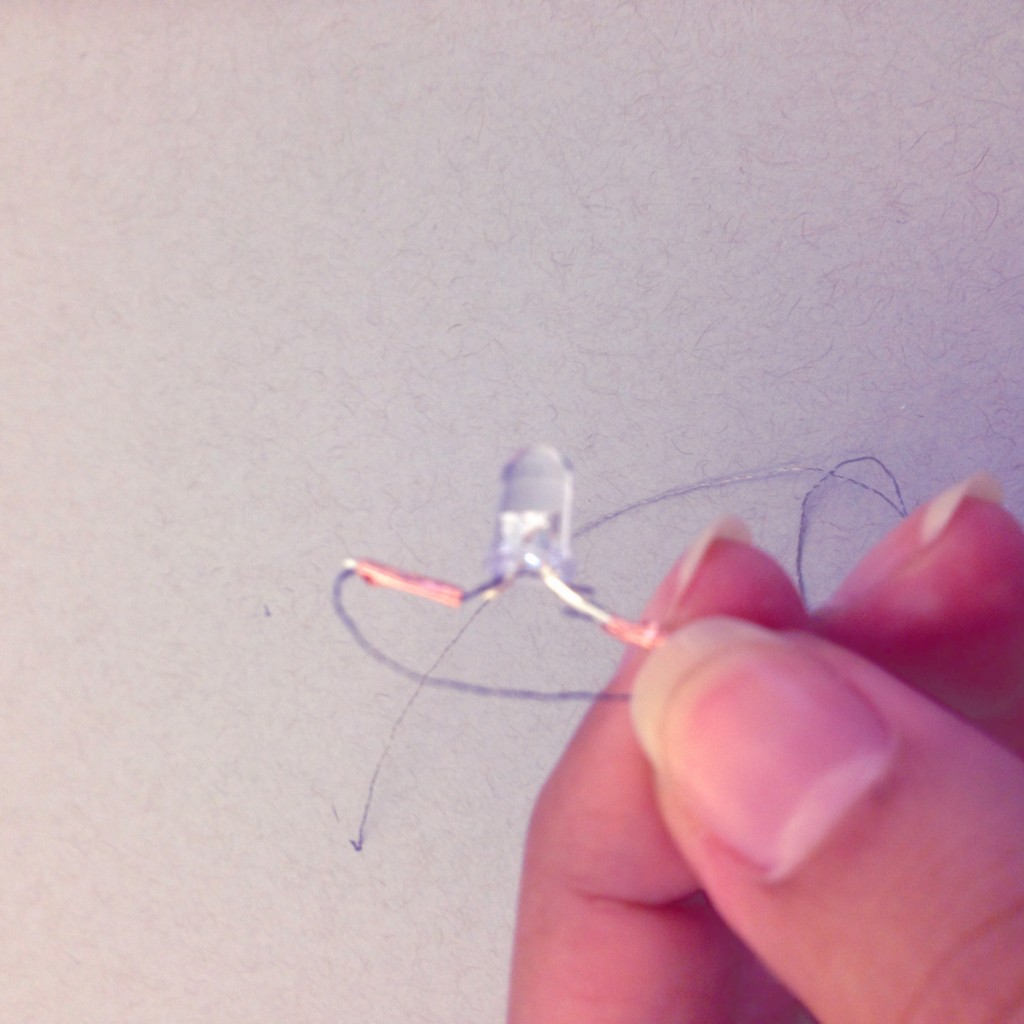
I stitched the LED through the sketching paper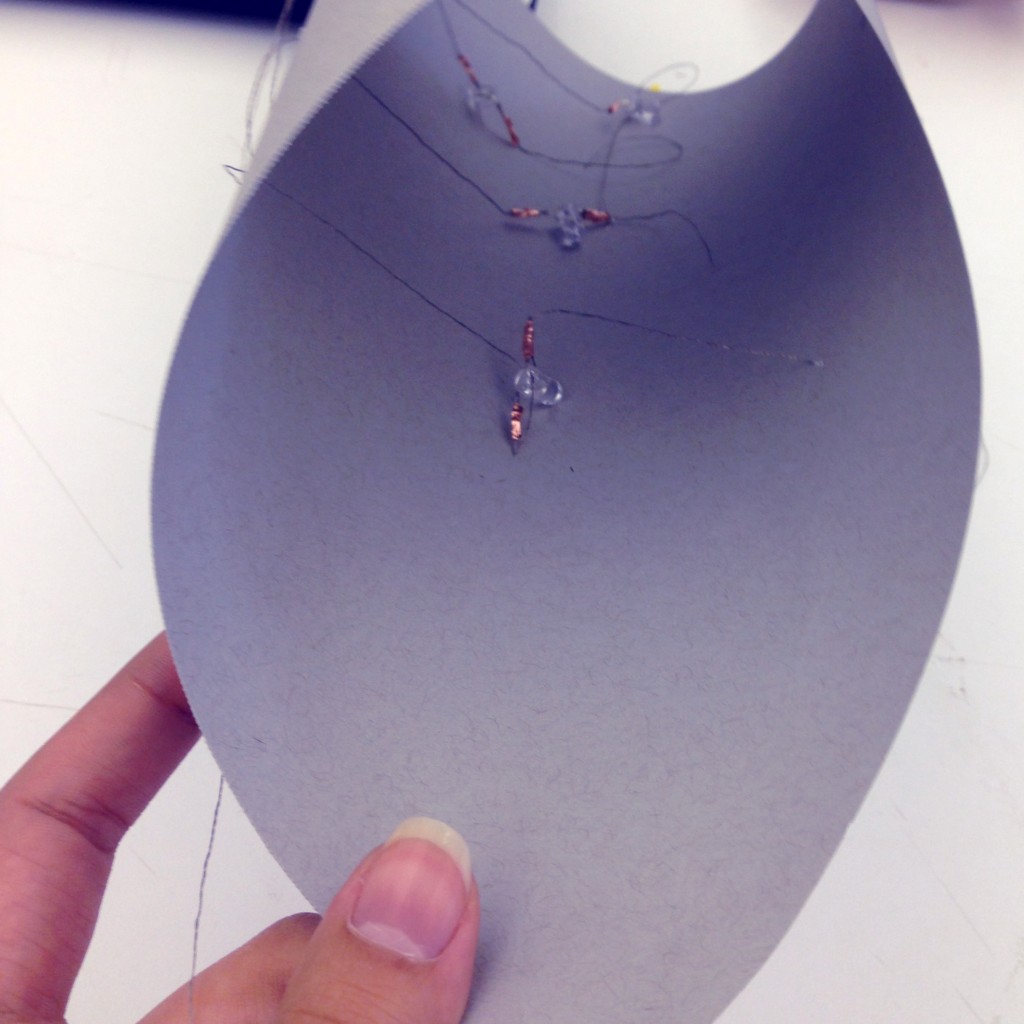
I connected the thread to coin batteries in parallel. I covered the back of the sketching paper where the batteries and threads are with another sketching paper. I then folded and glued one pair of opposite edges together.

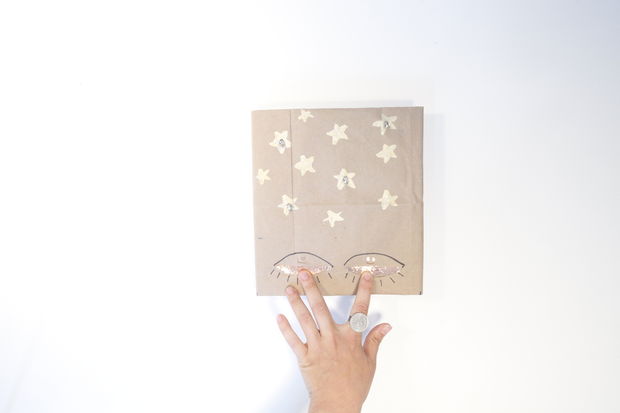
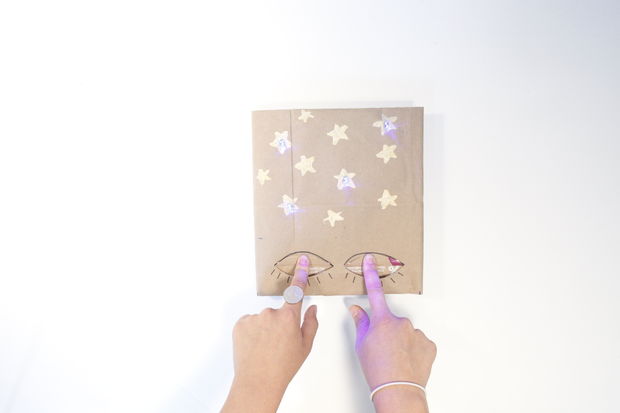
In honor of back to school season, I wanted to make a book cover that lights up with LEDs and soft-circuits. I started off with the Oliver Wilde quote, “We are all in the gutter, but some of us are looking at the stars”, and used LEDs and soft-circuits to illustrate the quote. Check out my instructables here.
Nicole Yi Messier
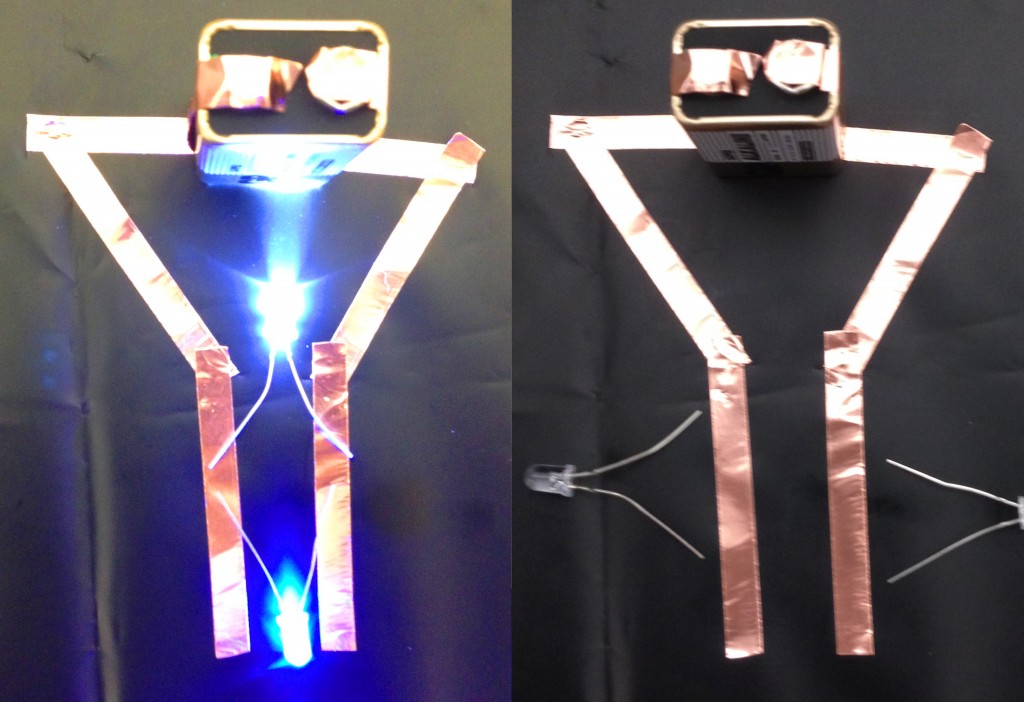
Niki and Denah used wire and copper tape in a parallel circuit. We lit up two LEDs. Pictures below!
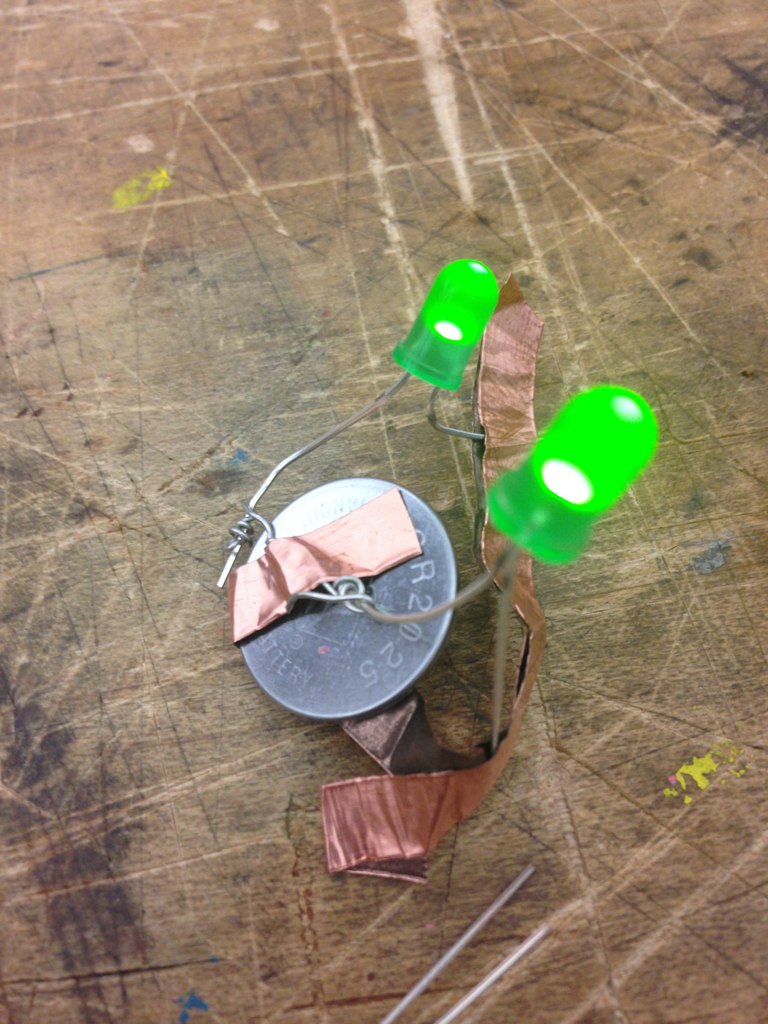

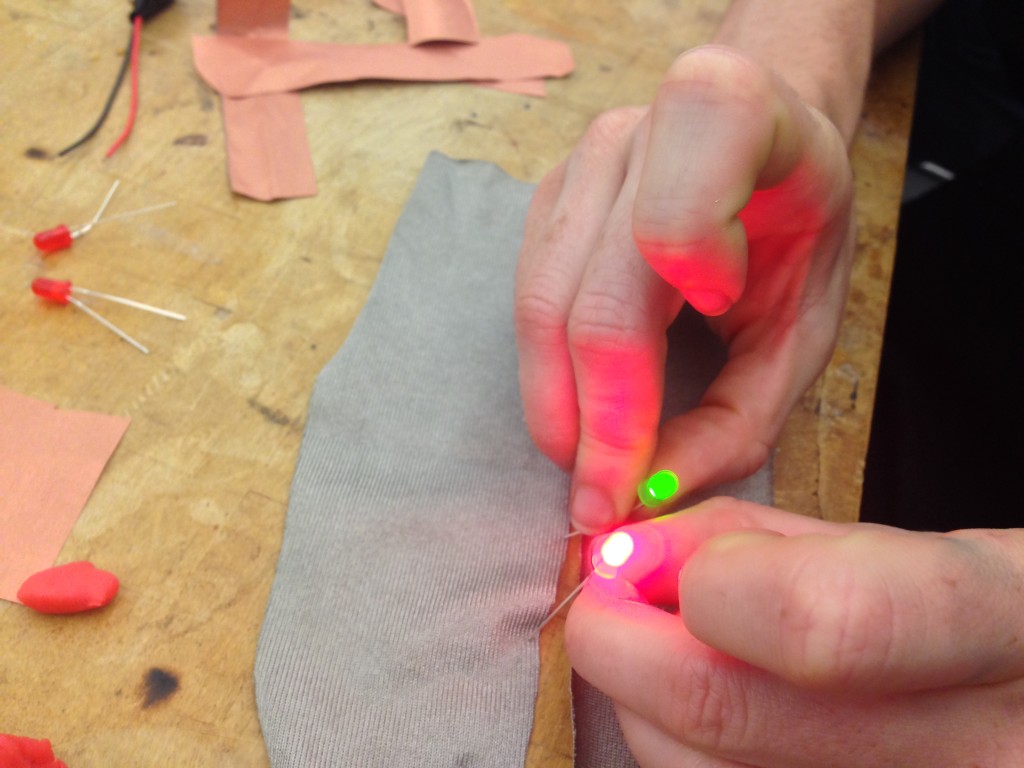
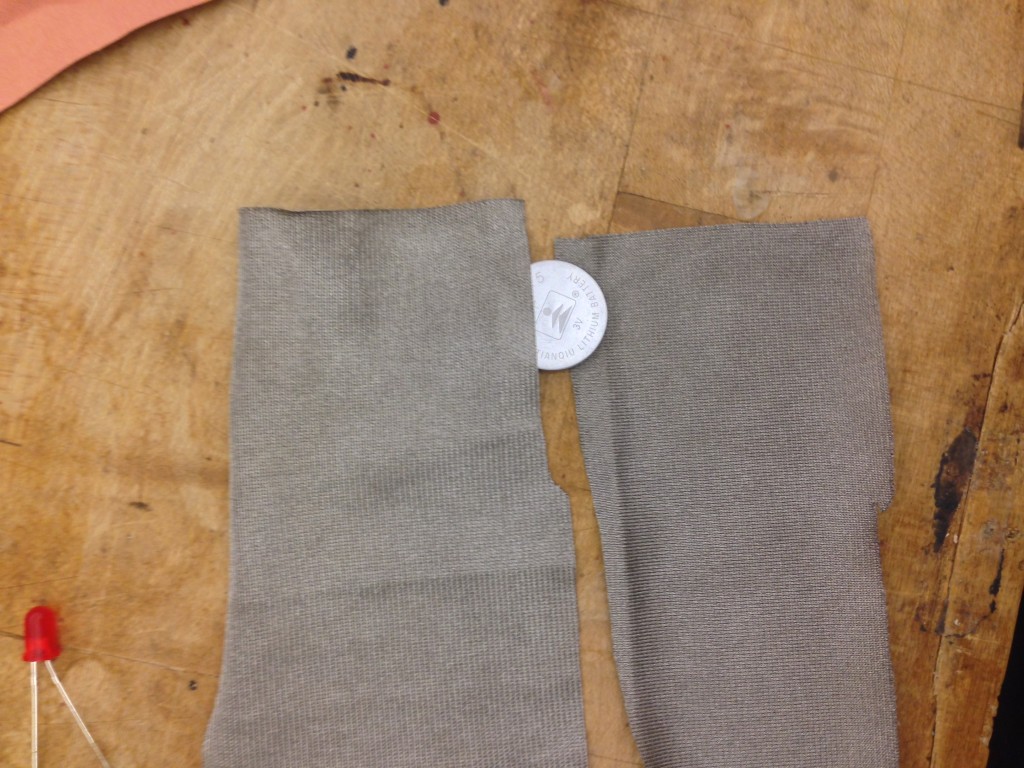
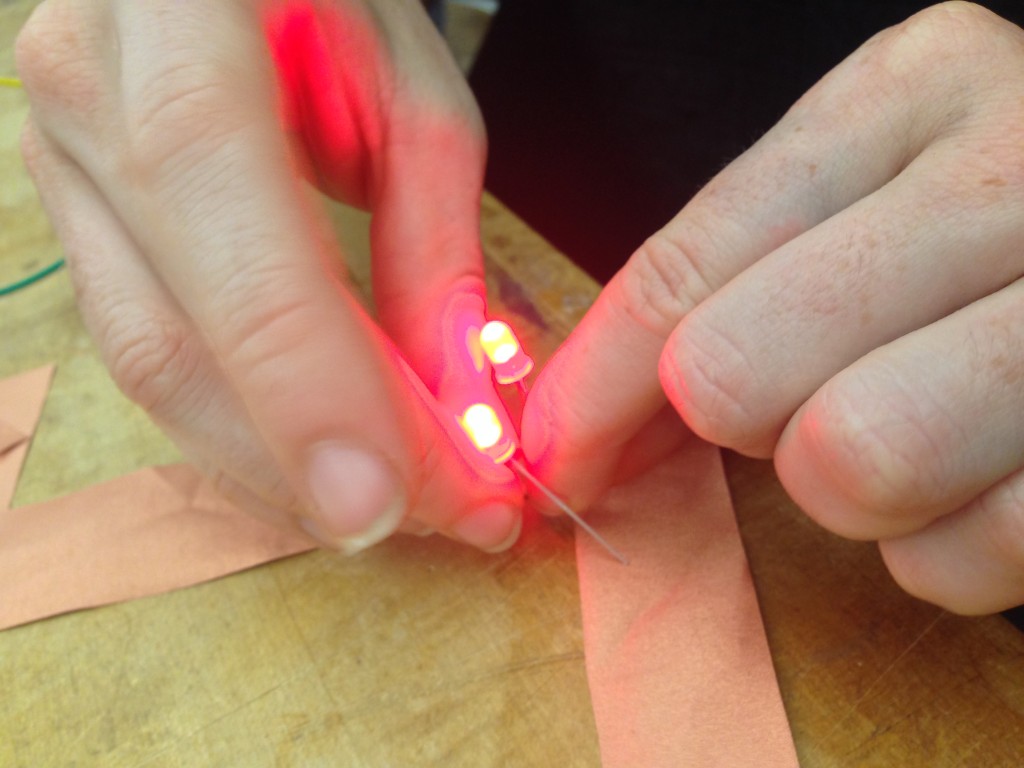
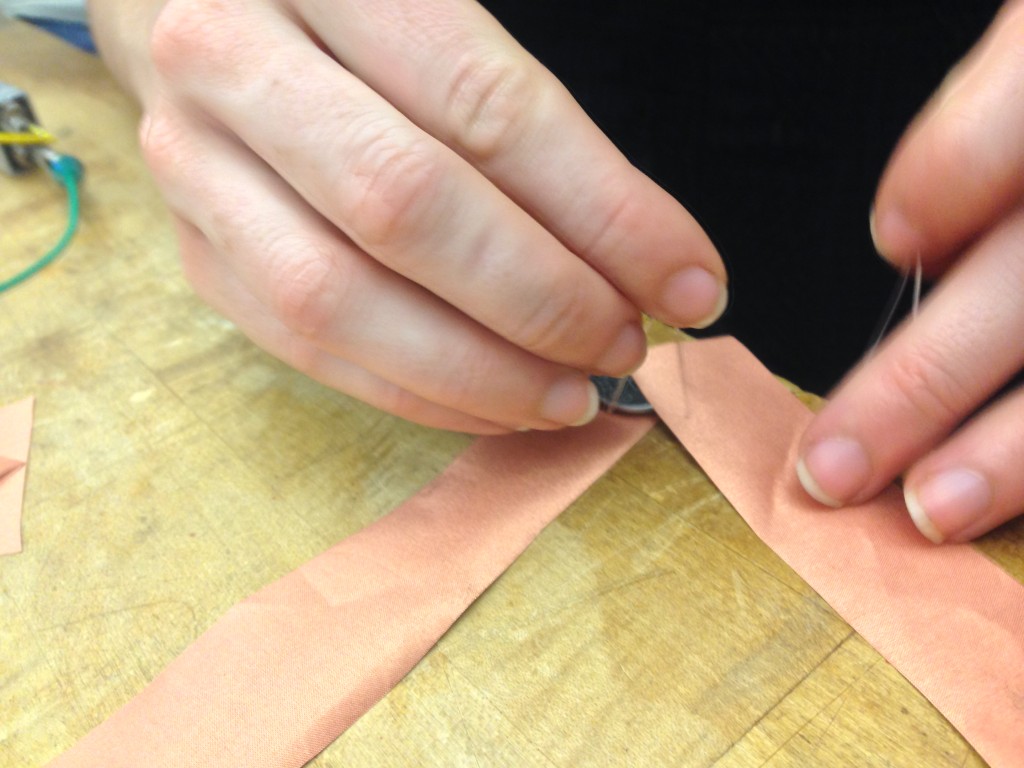
Post: Joselyn McDonald & Nicole Messier
Experiment 1 // with conductive fabric
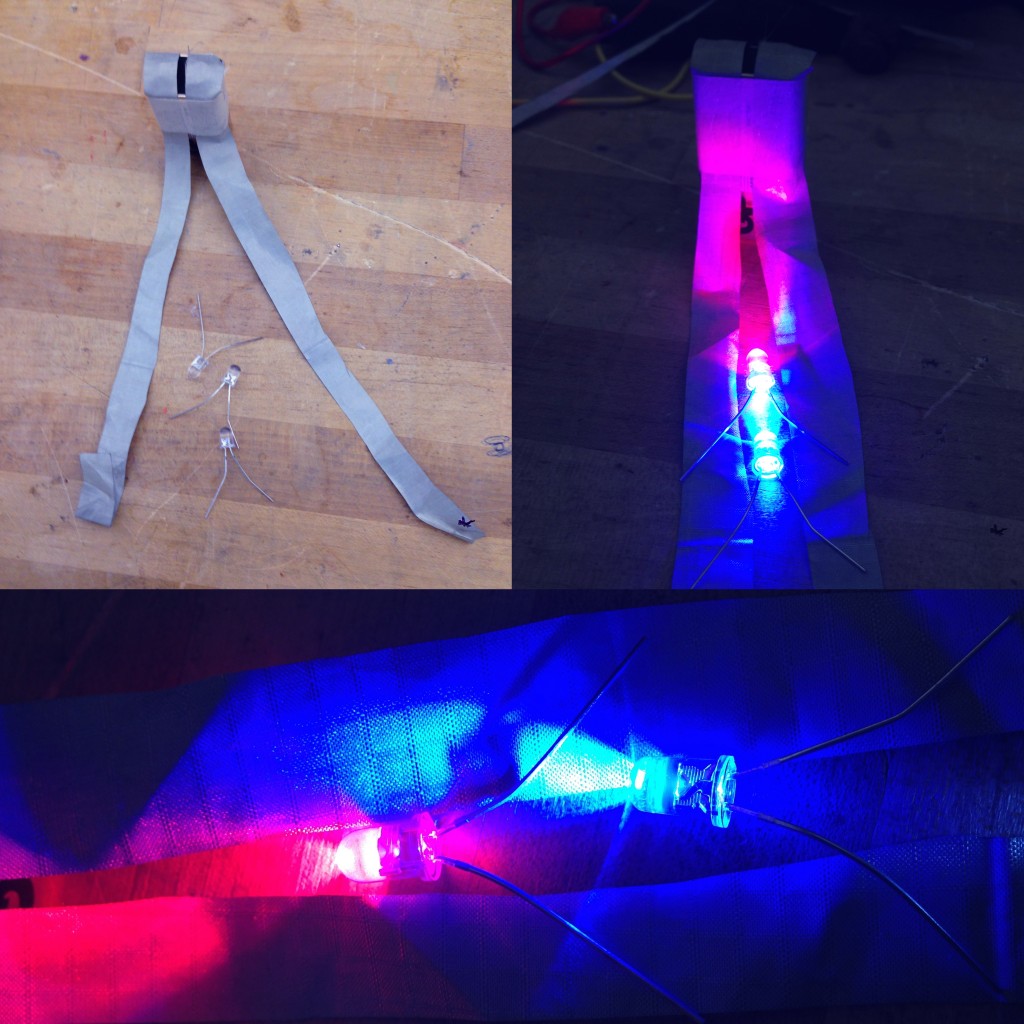
Experiment 2 // with conductive tape
How to make Conductive Ink
Bioplastic Fantastic is a project that imagines how we can use bioplastics to create food for the future. It was created as a piece of speculative design by Joannah Schmeer. She uses these plastics with biological bacteria to make new more sensual and less technical looking designs . I am interested in her choice to think about design sustainability and future materials. Here is a list of the artworks:
The seven products:
1. ‘Rhod’ - produces protein — model organism: Rhodococcus bacteria
2. ‘Cyan’ - produces sugar & oxygen — model organism: Cyanobacteria
3. ‘Pseu’ - extracts water from air — model organism: Pseudomonas
4. ‘Caul’ - produces protein — model organism: Caulobacter
5. ‘Gluc’ - produces fibre — model organism: Gluconanacetobacter
6. ‘Lith’ - extracts minerals from rocks — model organism: Lithotrophs
7. ‘Lact’ - produces vitamins — model organism: Lactic acid bacteria

Image of the Instillation
By: Niki Selken