Category Archives: Uncategorized

Final – Wonder Woman Bracelets

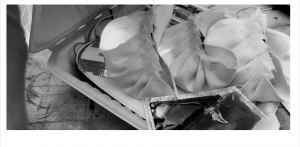
My goal for this project was to create a craft product for young girls to make, in
order to teach them about empowerment and the value of code: 

I wanted the Neo Pixels and LED’s to  glow bright once the pressure sensors touched.

Precedence:

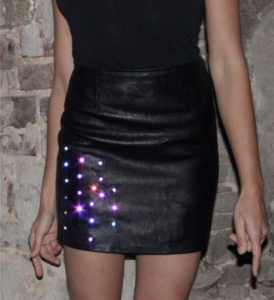
Sound Reactive Equalizer Skirt


————————–

Working with the following materials:

• Gemma

• Neo Pixels

• 8ohm – speaker

• Conductive Thread

• Resistor

• Conductive tape

• Velostat

• Regular Thread (To sew the edges of the pressure sensor)

• 3V batteries (3 in total)

• 2 x 2032 Coin Cell Battery Holder – 6V output with On/Off switch

• 1 coin cell battery holder

————————–

For The left hand Bracelet that will hold the Gemma

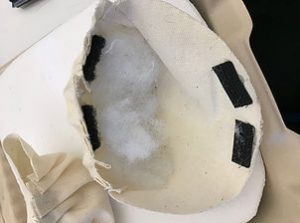
Step One: Cut shape to fit your and and arm (out of moleskin).
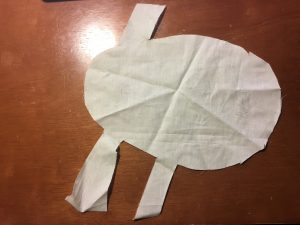
Step Two: I cut the shape out from the material you want to use.
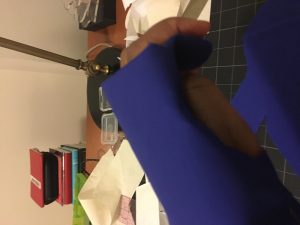
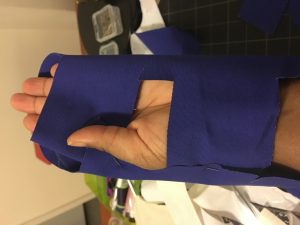
Step Three: Draw location for Neo Pixels
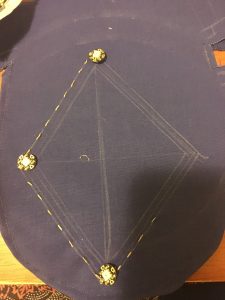
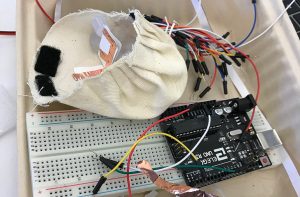
Step Four: Sew in Gemma

Step Five: Connect first neo pixel to gemma (continue the additional 3 neo pixels in the design you have created.

Step Six: sew resistor to gemma

Step Seven: sew in pressure sensor to gemma (the sensor should be located under the palm of the hand below the pinky)
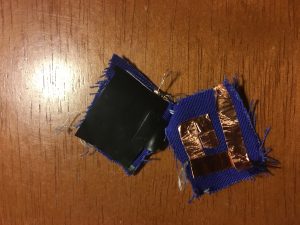
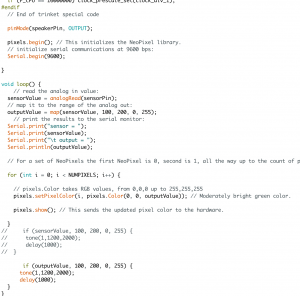
Step Eight: Plug in Gemma and modify blink code based on pressure sensor

Step Nine: Add code that incorporates speaker
Step Ten: plug in 2 x 2032 Coin Cell Battery Holder – 6V output with On/Off switch (turn switch on to test)

————————–


For the right hand second Bracelet

Step Eleven: curl ends of LEDS

Step Twelve: sew in LEDs in the design you have created

Step Thirteen: sew in 3V cell battery holder

Step Fourteen: sew in pressure sensor connect to positiveeside of battery holder (pressure sensor should be near the thumb

Step Sixteen: connect the other side of pressure sensor to negative side of battery

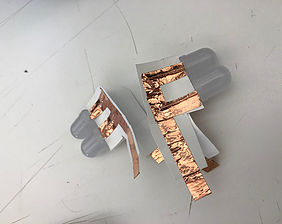
Step Seventeen: Place conductive copper tape for design

————————–
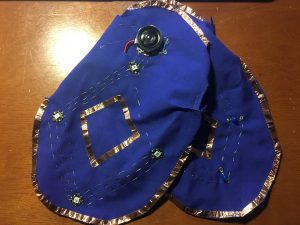
Test view the following video to see Demo:

When the pressure sensors meet the NEO Pixels and LED’s should react and glow brighter.

CC_WWB_Final


Challenges:

• sewing
• incorporating sound  
• getting the code to match using two different sets of lights.
• figuring out where the short circuit is happening


Next Steps: Use a stiffer material or fabric.


Nicolas H Final Project

Creating a Board Game

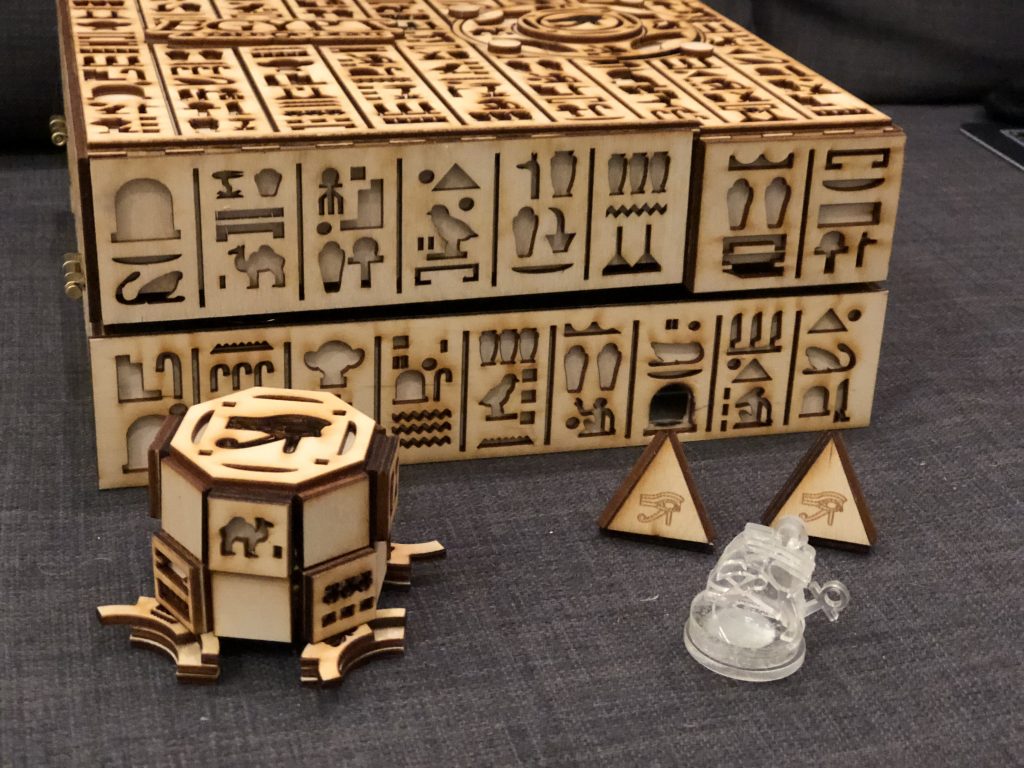
This subject will use the essence of game design and conceptualizing to create a compelling and emotional story. The end point is to drive that story through a line strong enough to capture people to pursue a certain idea or journey. At the end, the goal is to create a strong and emotional storyline and to explore, graphics, branding, character conceptualization, programming languages, and technologies to create a game, based on a mythological story of a well-known culture.

Is also important to look at some precedents in the game and movie spectrum. Companies such as Thatgamecompany’s concepts are developing are trying to create different and compelling stories like Journey and the coming soon Sky; These games using social interactions inside of the stories using different communications techniques to help each other integrated into the gameplay. Telltale Videogames is also using storytelling trying to create twist and strong stories using comics, TV series and books.

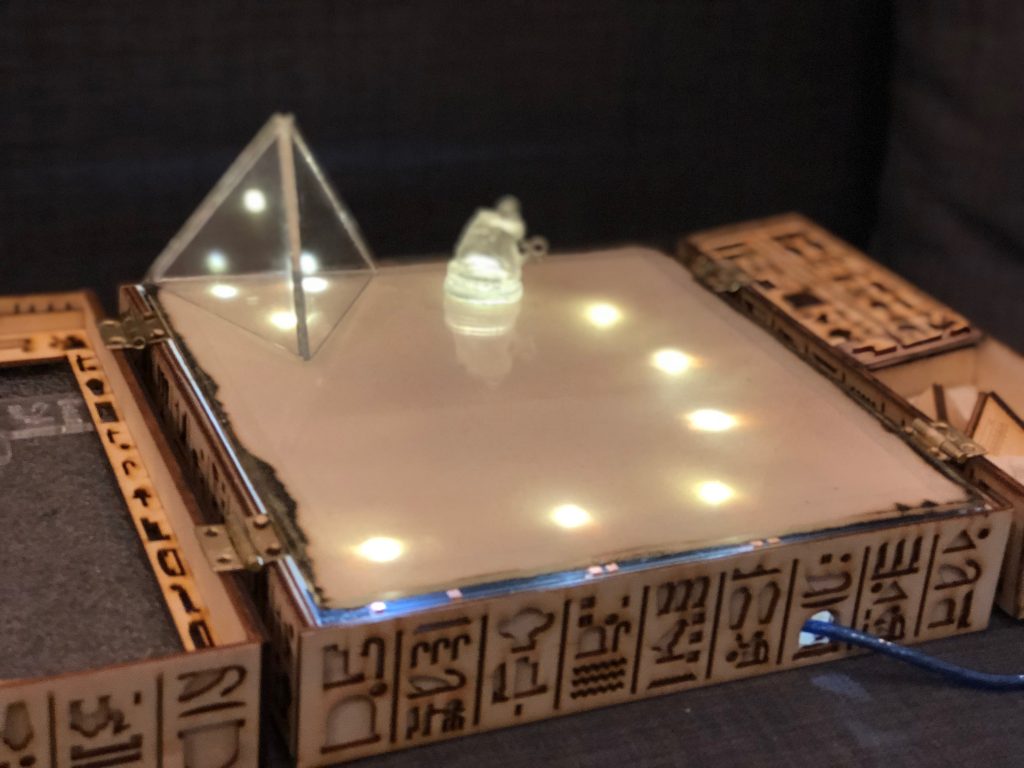
One of the main source of inspiration for the visual game and interaction is the books of death and the sun in The Mummy filmographic saga especially the key puzzle when opening the book. Also, the well-known Jumanji game board and the “magical” way that the gameplay is revolve around the movie itself.

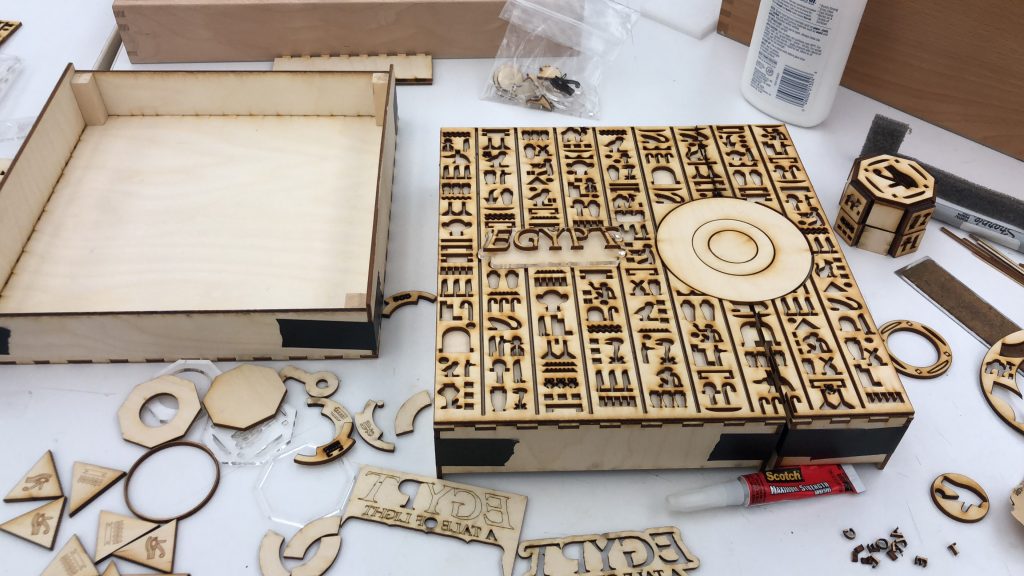
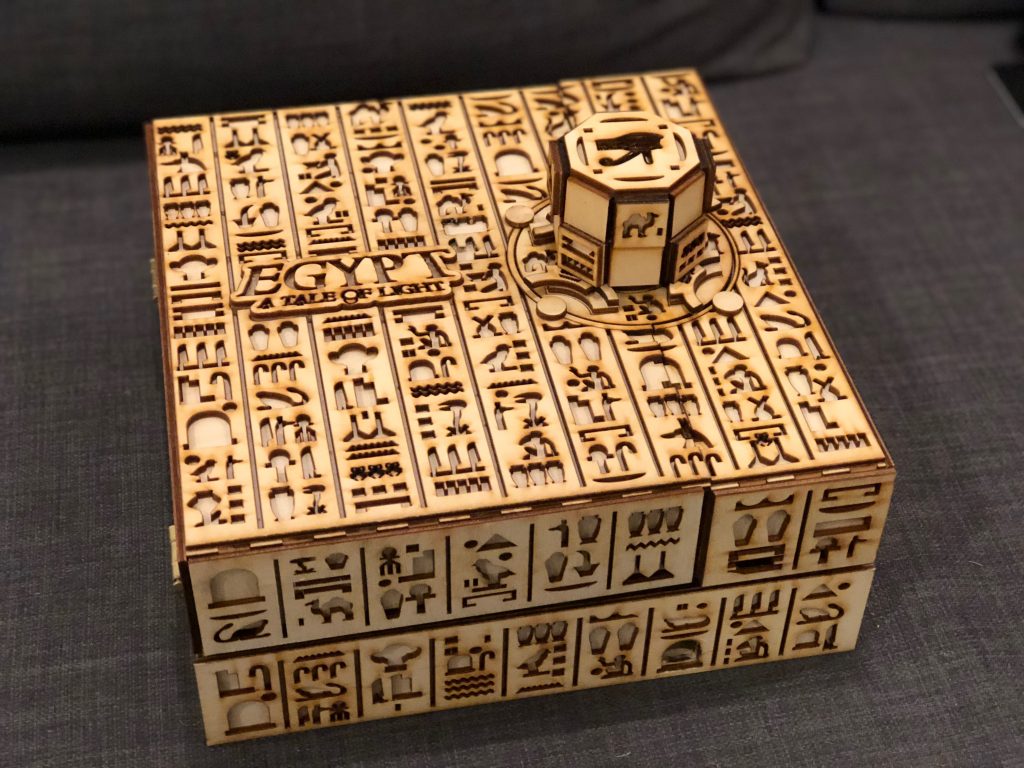
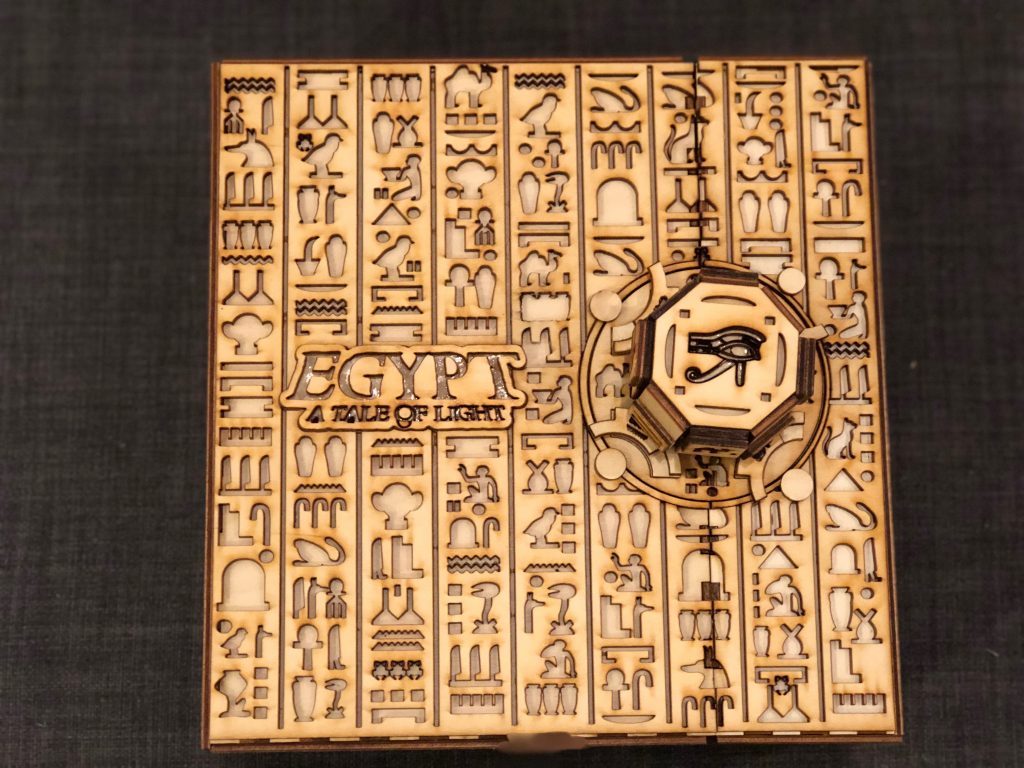
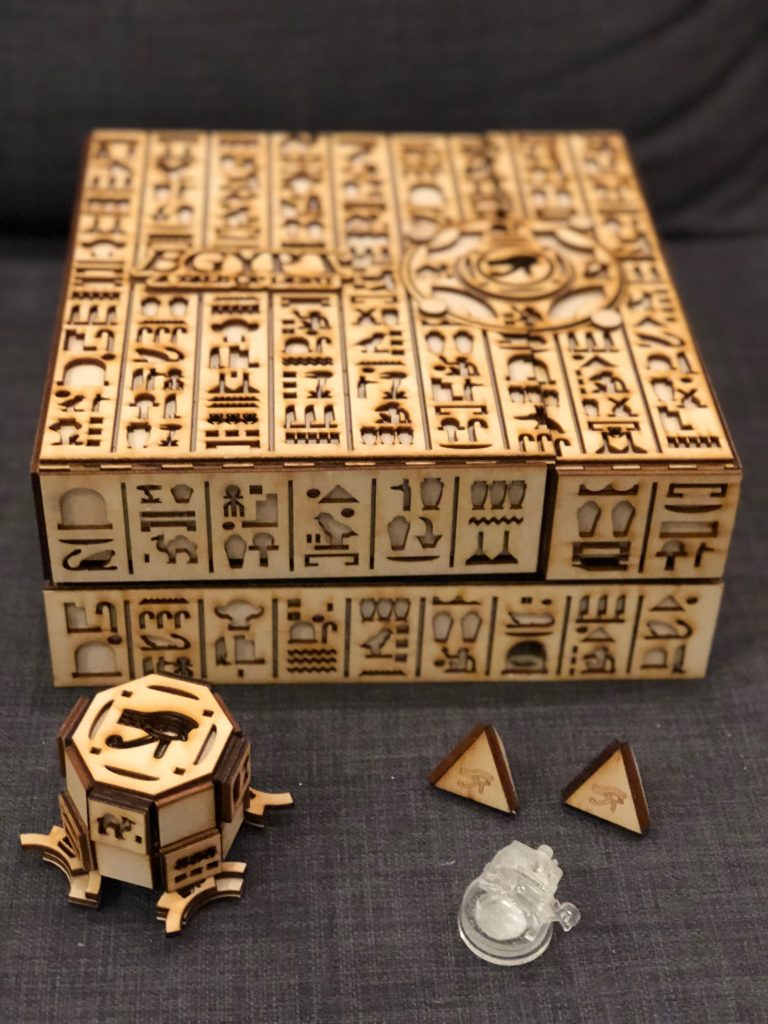
Egypt: A tale of Light, is a role-playing board game focused on the creation of the universe by using ancient stories and cultural facts to teach backgrounds, languages and stories about and antique culture; Balancing the fact of using games as an educational medium and the story and interaction of the audience.

The storyline will revolve around the mythological story of creation in Egyptian culture specifically, the Heliopolitan creation myth. The game storyline starts as the beginning of the mythical tale where “Masses of turbid waters covered by absolute darkness, a darkness that was not the night, because it had not yet been created, was the infinite ocean known by the Egyptians as the primordial ocean Nun, which contained all the elements of the cosmos.”

Link to the Complete process

Materials:

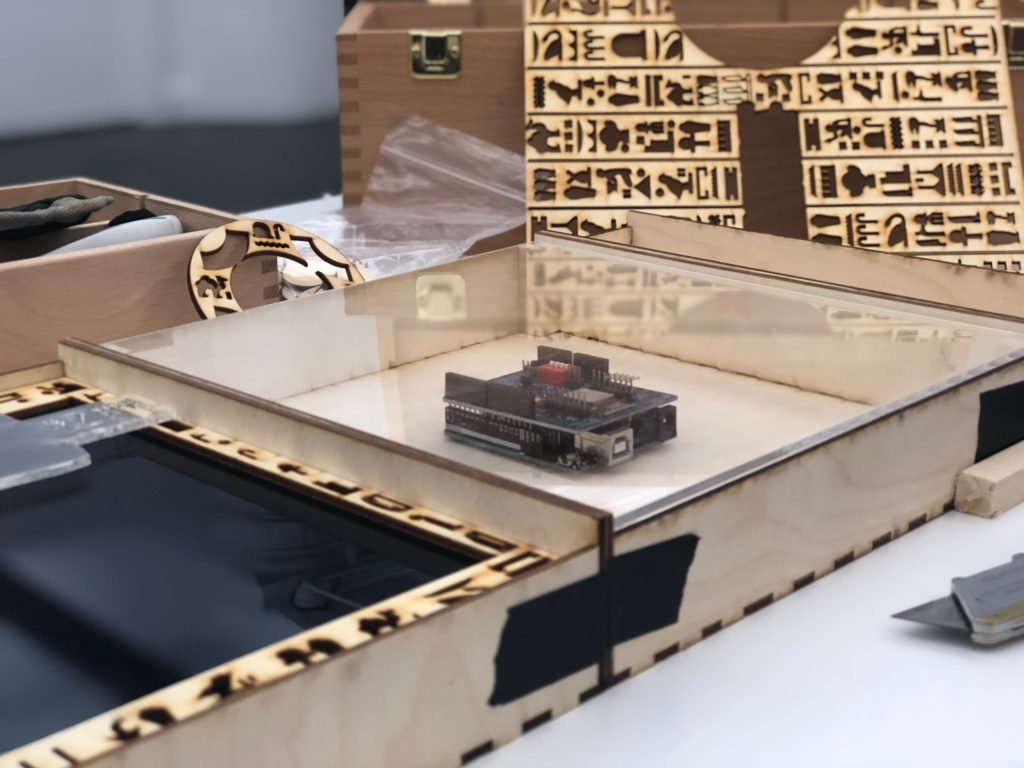
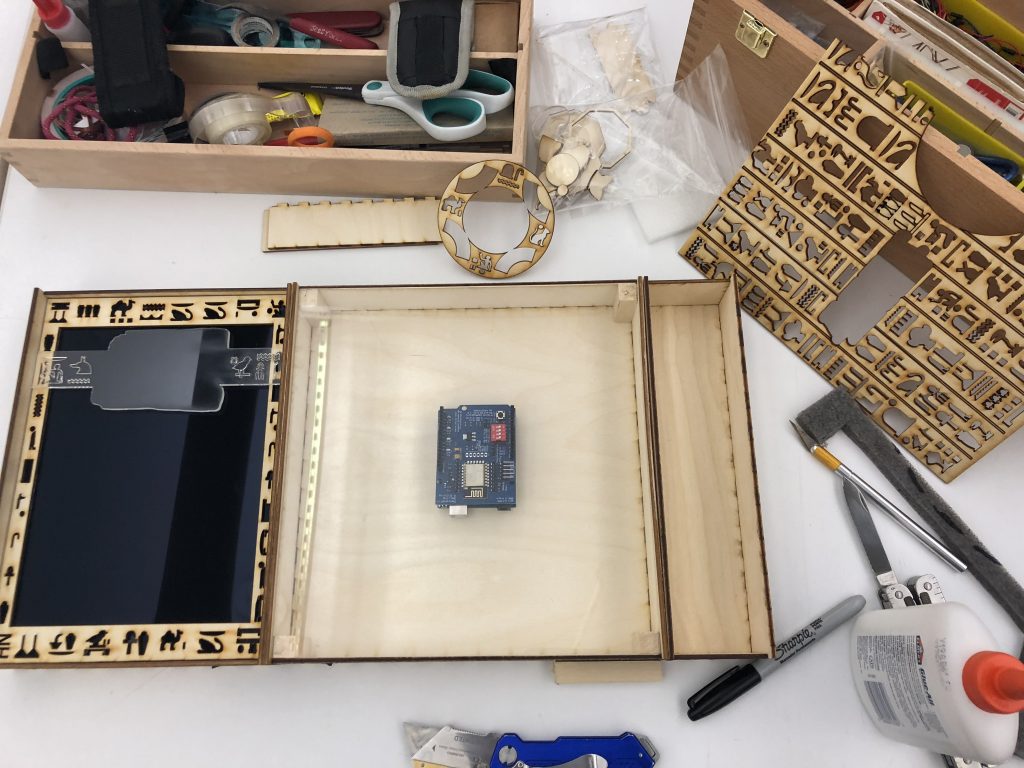
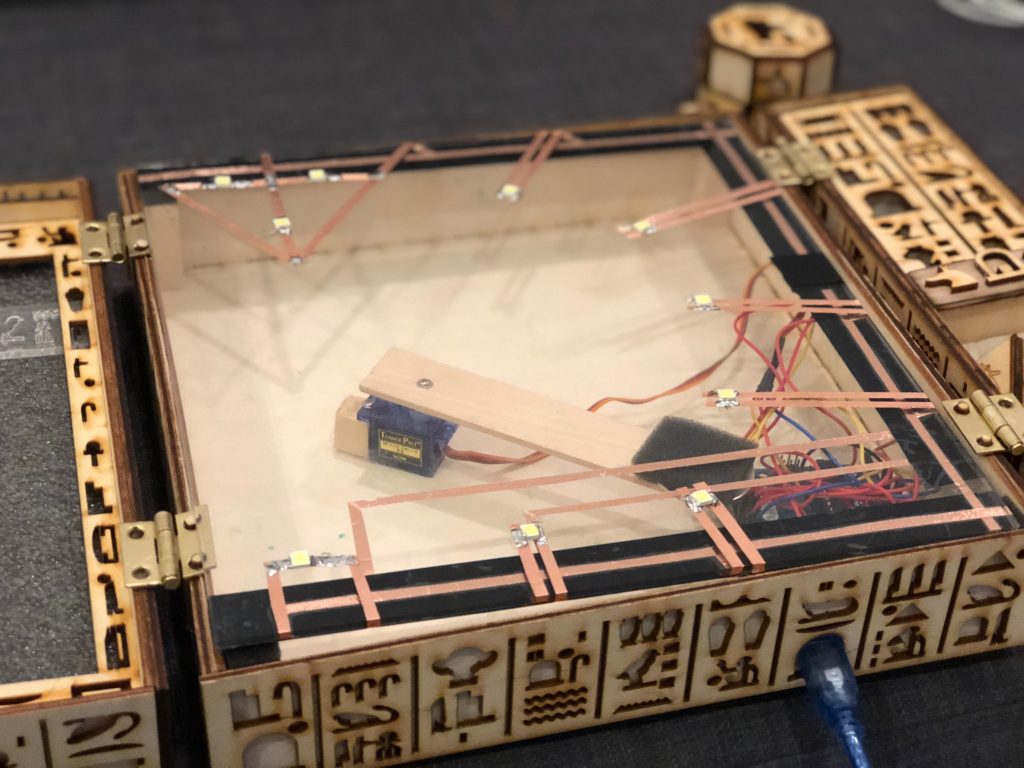
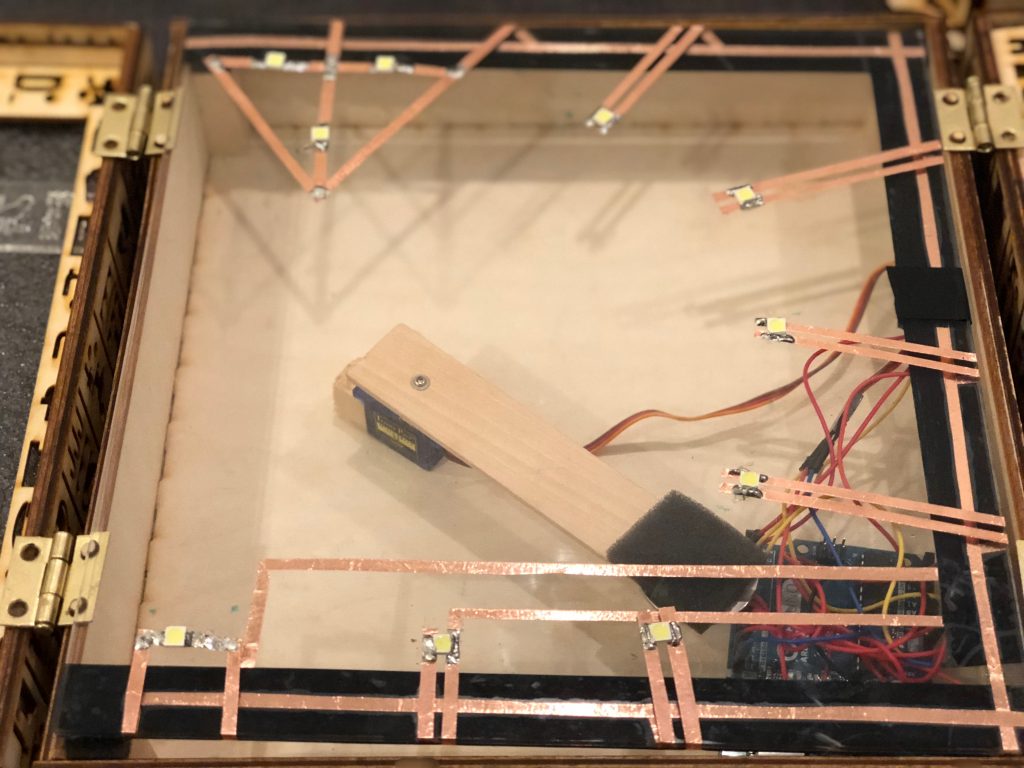
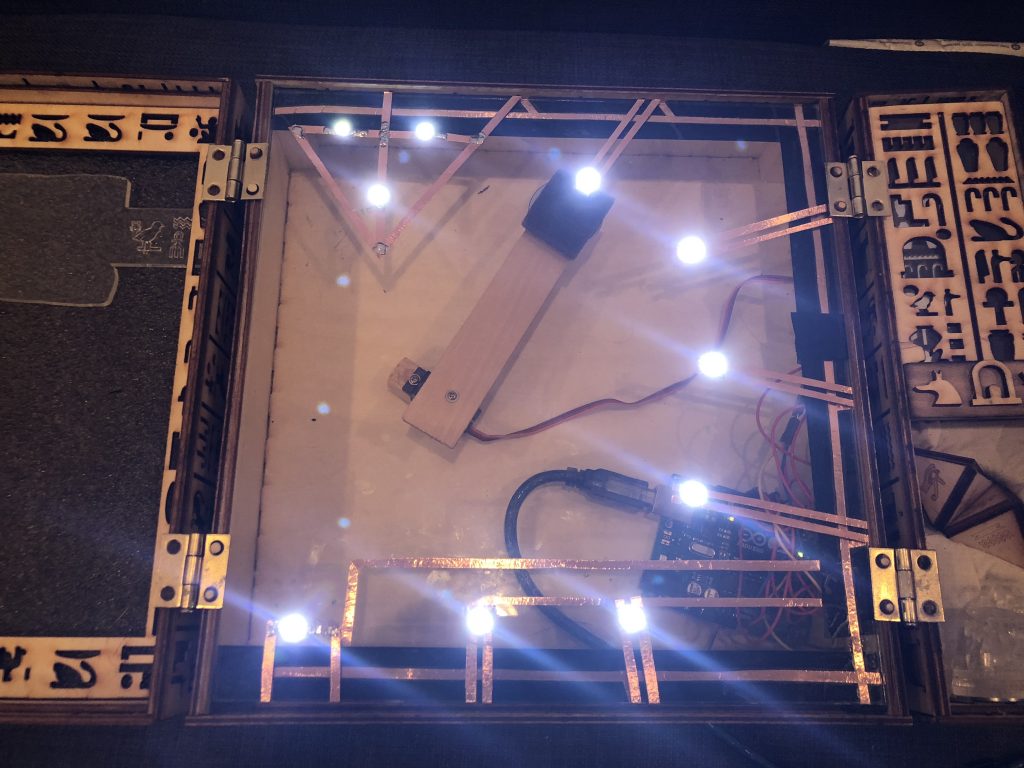
Laser Cut Wood, Neodymium Disc Magnets, Cooper Tape, Arduino Uno, Servo, SMD Leds

Game demo Game demo2


Andrew Sapala’s Instructable for Final

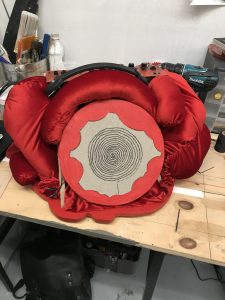
Instead of creating a project that I would use only one time for some special reason like an event or a show, I wanted to create a tool for making sound that I could continue to play and develop for a long time. I am a musician who loves making strange sounds and textures with my bass guitar so creating a guitar amp developed naturally. I started to create drawings of different variations of the amp in my sketchbook. As I continued to draw the amp, I thought of how I could remove the “cabinet” of the amplifier made from wood and use fabric instead. Subconsciously I was thinking about food or cooking at one point and an image of a meatball came to mind. Meat could be elegant and fancy, it could be wholesome and represent something special or it go the other way, brutal and messy. The combination of a meatball and guitar amp sounded very bizarre. I jumped right in…


The entire project took me way out of my comfort zone and I am grateful to have had the chance to learn how to build my own musical instruments using fabric/ craft materials.

I have used the instructables interface to create a project profile for my final Computational Craft project.  Please check out the link to my Meatball Guitar Amp prototype.

Meatball Guitar Amp Prototype

Kind regards,

Andrew James Sapala

www.ajsapala.com


Rose Shell | Aim + Tong

How can we use technology to protect women?

Roses developed thorns after being abused by predators attracted to their sweet smell. Inspired by this defense mechanism, we have created an exoskeleton that allows women to protect themselves from sexual assaults.


Precedents

We looked into existing projects that touched on the theme of self-protection through wearables.

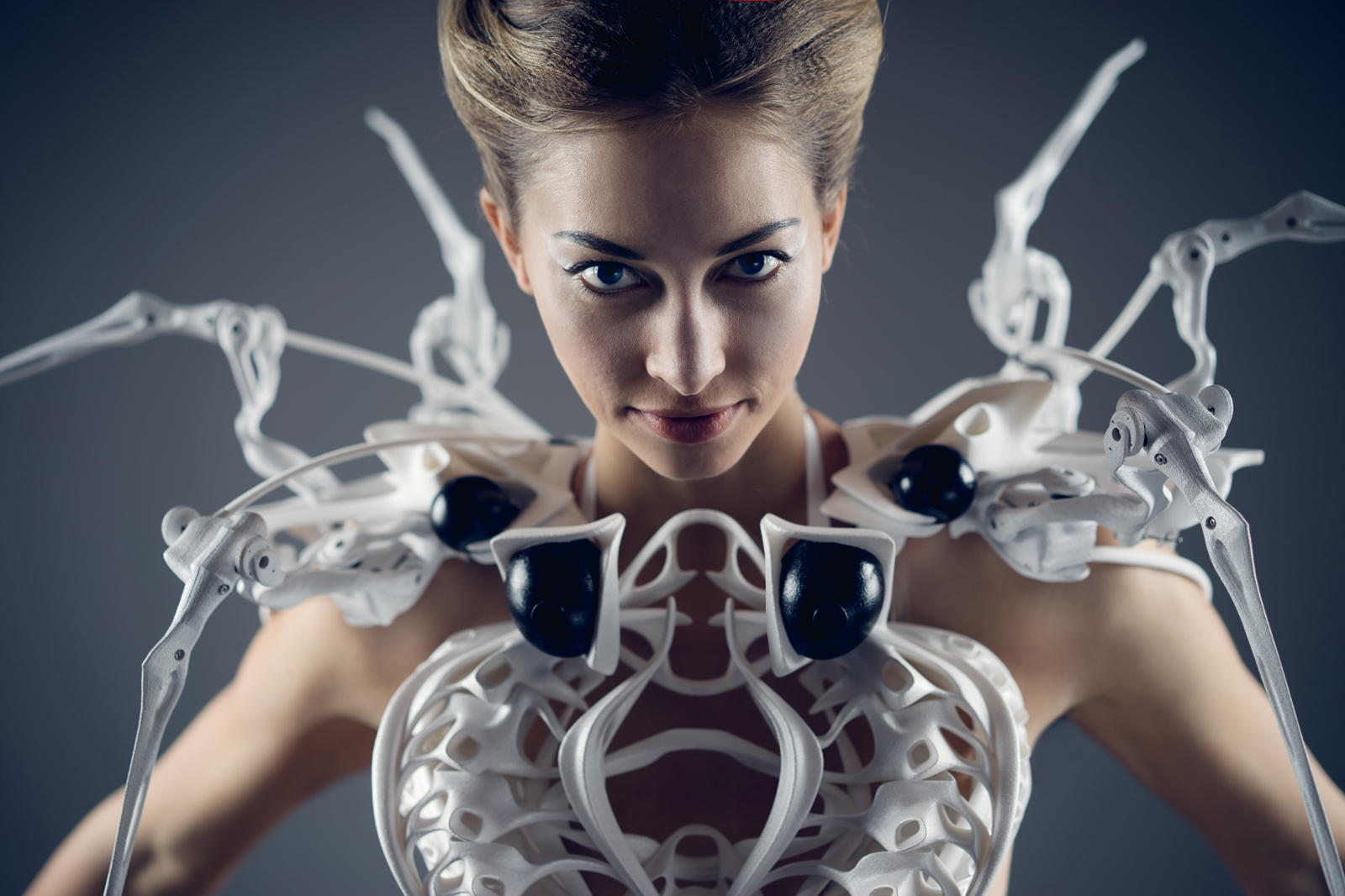
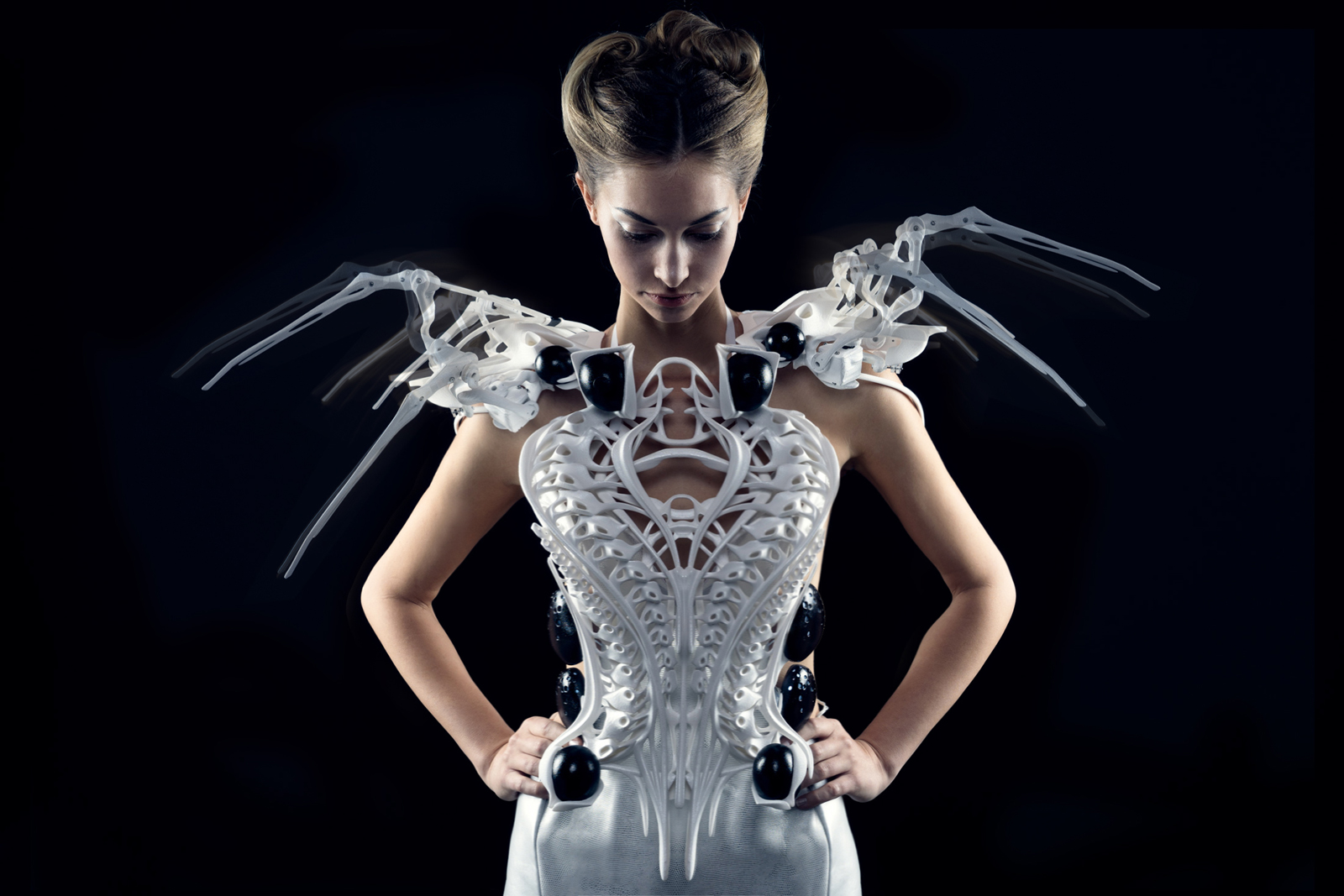
One of our biggest inspirations was the Spider Dress by Anouk Wipprecht. It plays with the idea of planting spider legs onto the shoulders of the wearable. If there are people nearby the dress, the legs of the spider would extend, sending the signal of “do not approach” to the outsiders. This dress inspired us with its biological yet mechanical movements as well as the play of integrating an animal mechanism into a wearable.


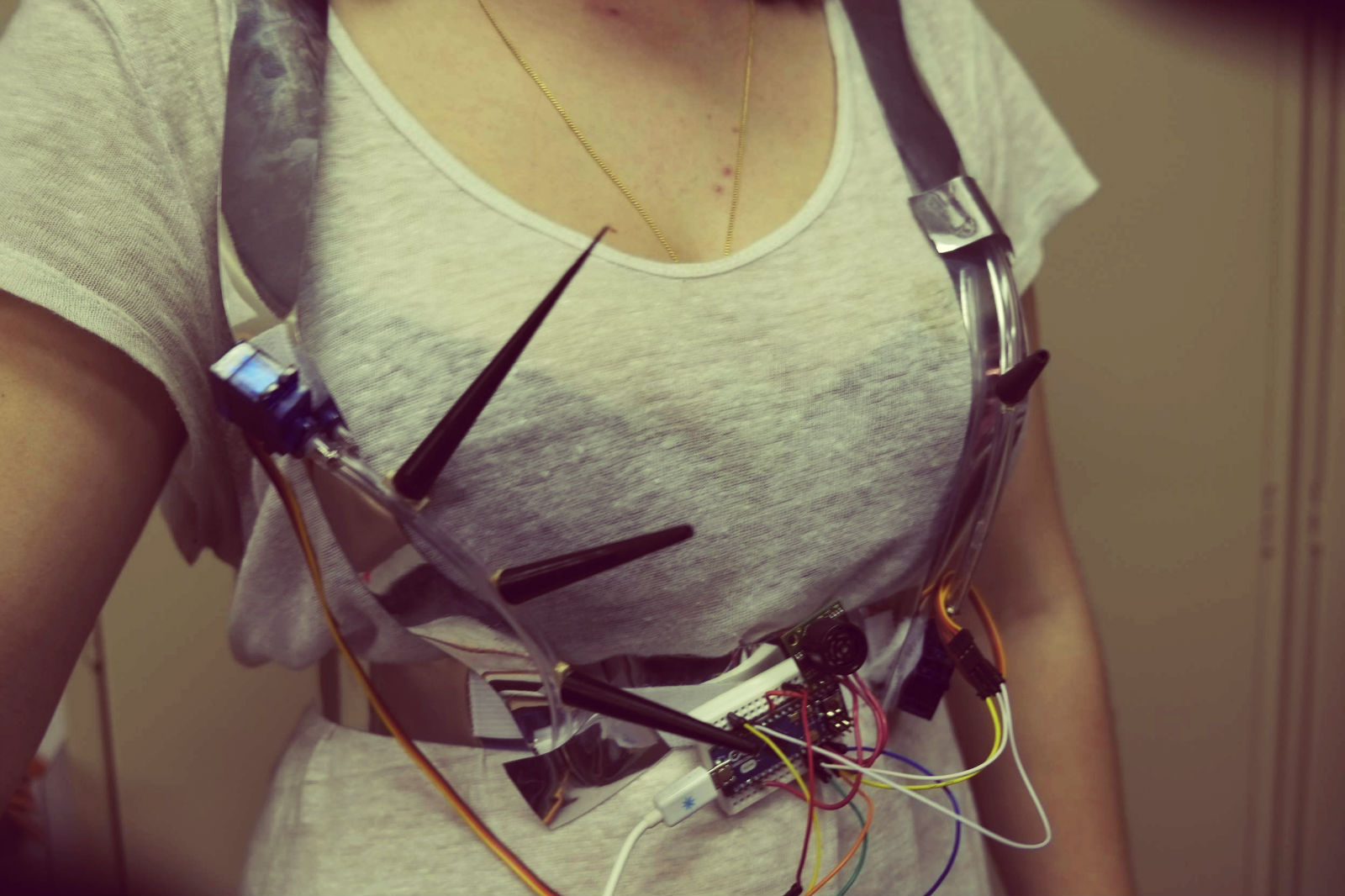
Another precedent that inspired us is Birce Ozkan’s Self Defense Wearable for Women. Inspired by hedgehogs, she wanted to create a wearable belt that imitates the movements of a hedgehog when it is prepared to defend itself.

Though we were inspired by these wearables and their incredible messages, we wanted to create something that was more discrete and feminine. We wanted our exoskeleton to be elegant and fierce looking.


Initial sketches

We were imagining the sensors to be activated through proximity or touch. So we were thinking of either adding a capacitive sensor or proximity sensor.


Prototyping


We begin the prototyping with seeing how the flip dot moves with a spike attached to it. Once we saw that its movement was what we wanted to achieve, we tried with 2 flip dots.


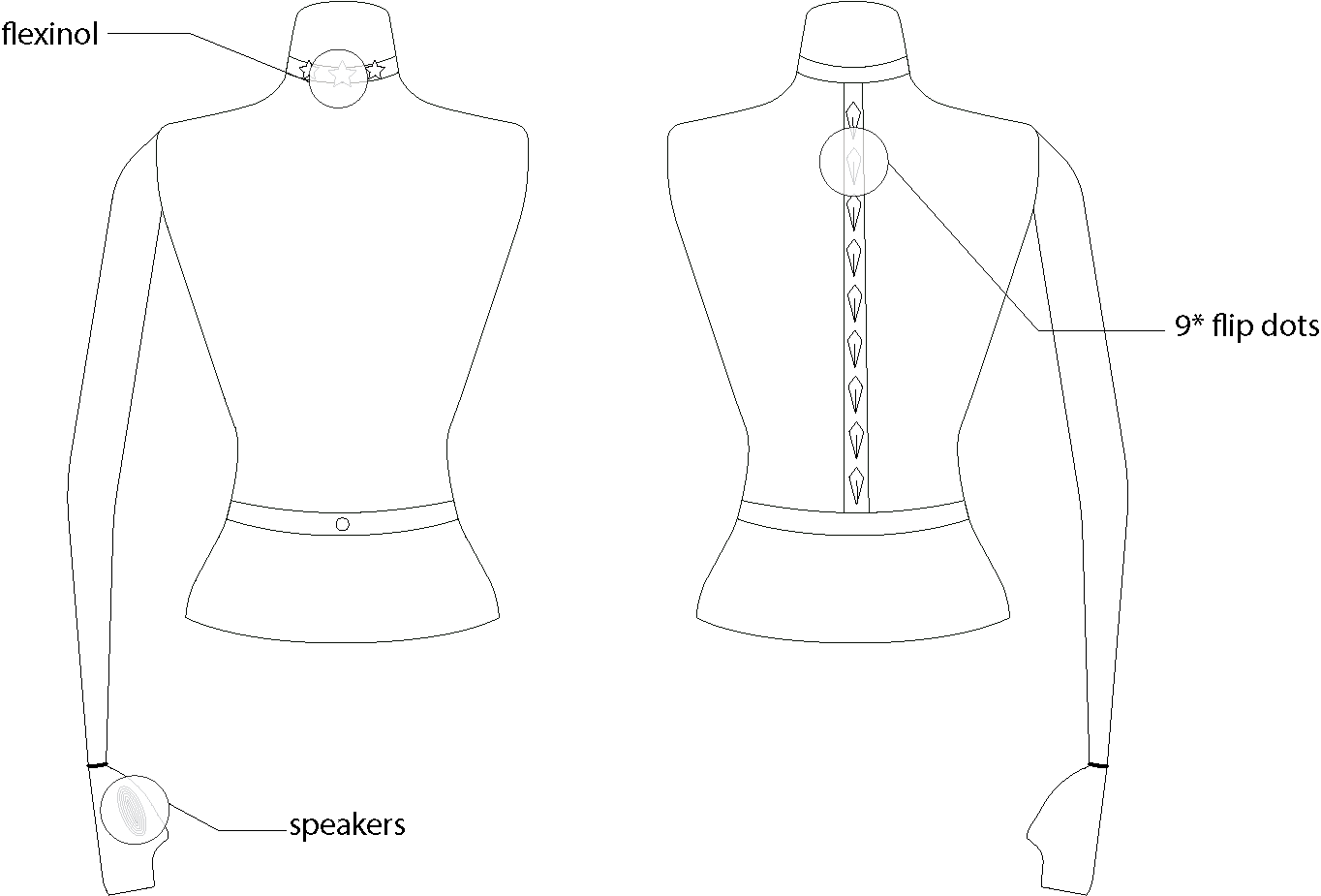
Then we started thinking about how the movement of the flowers on the neck would look like. We wanted the to become spikier once the flexinol wire shrinks too.


Making

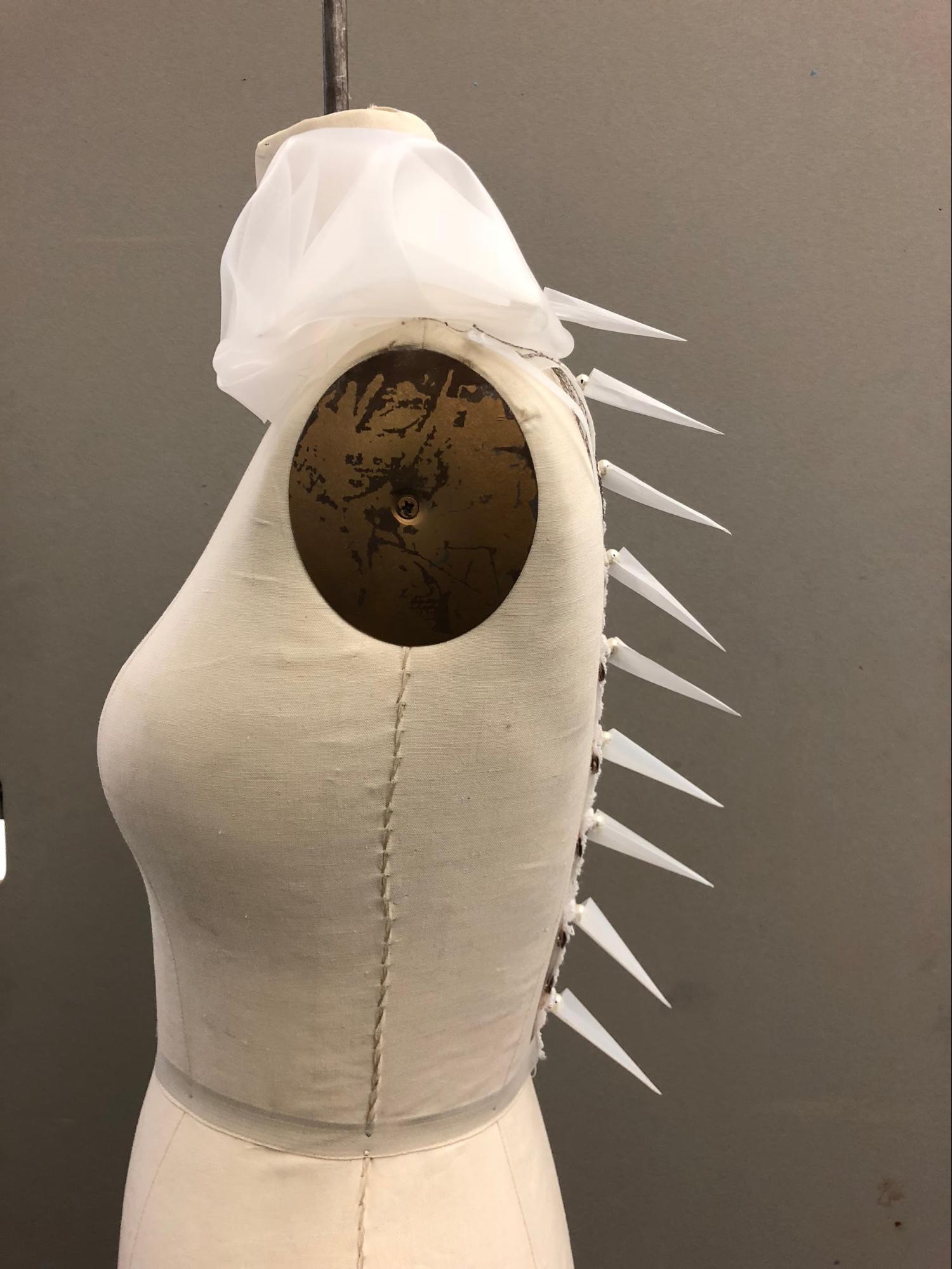
The Spike


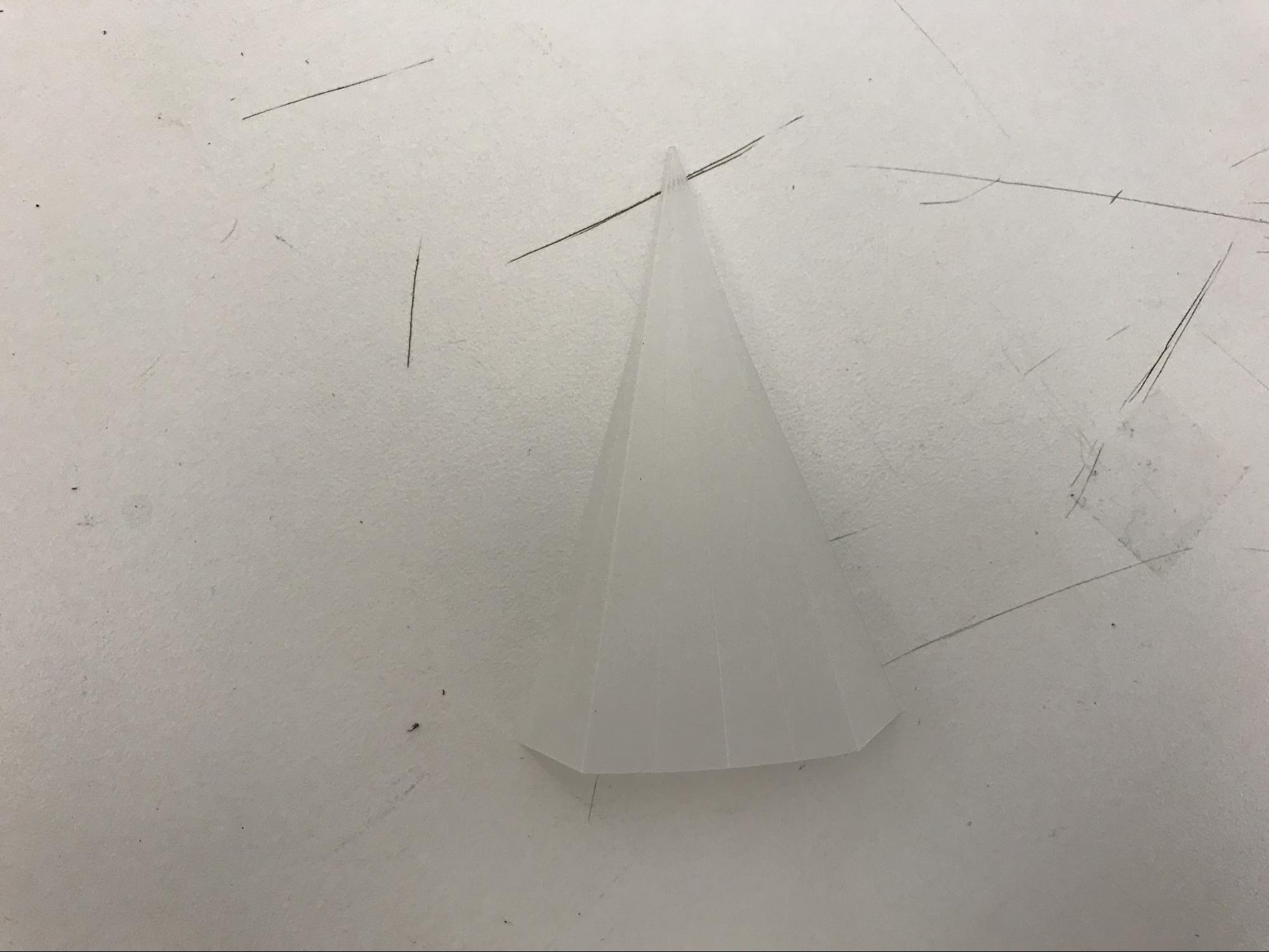
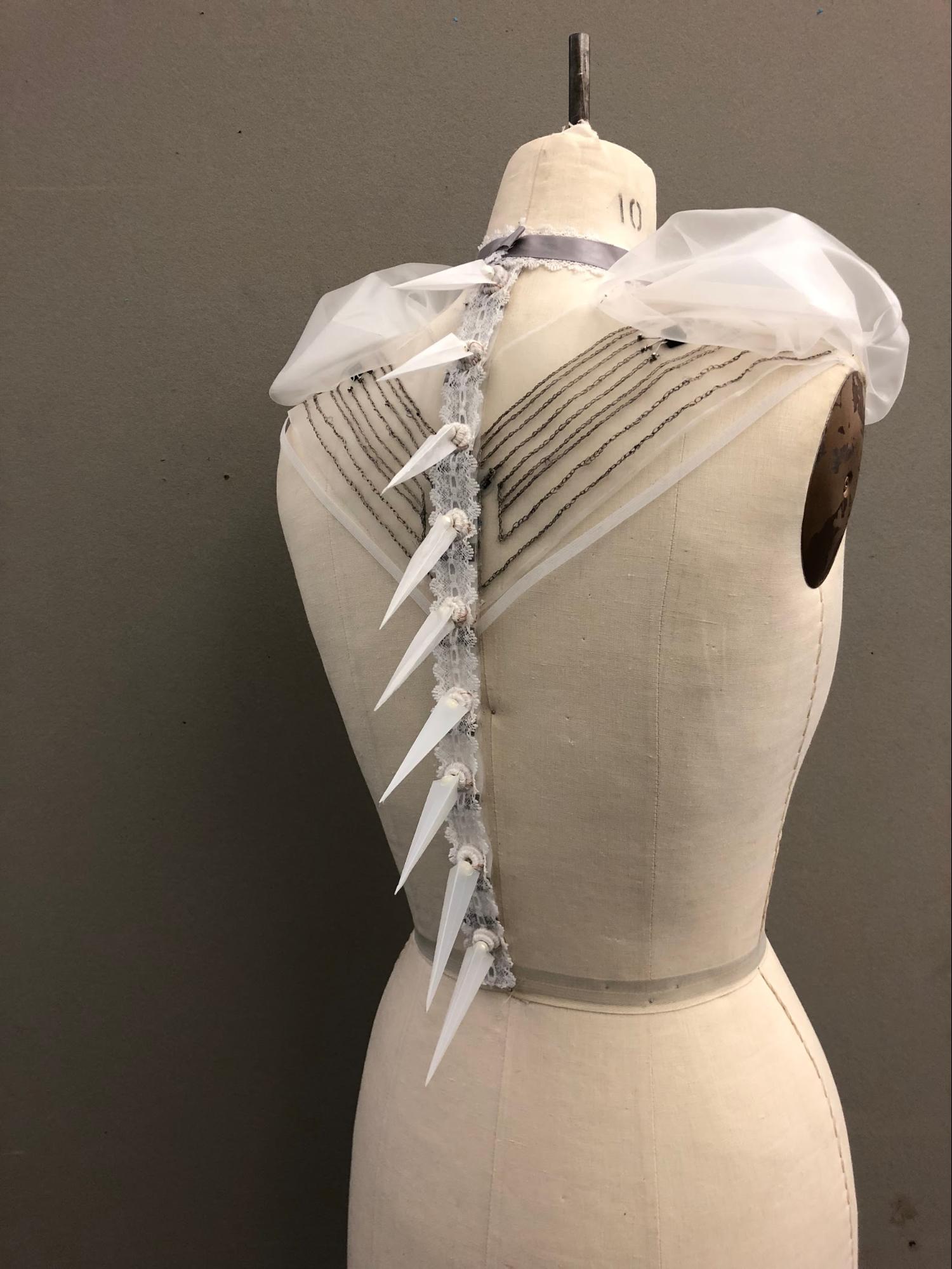
We made spikes to attach to the flip dots. However, the initial material we made the spikes from resulted to be too heavy for the flip dots, so we used rice paper for flip dots that do activate.

Diamond Shoulder


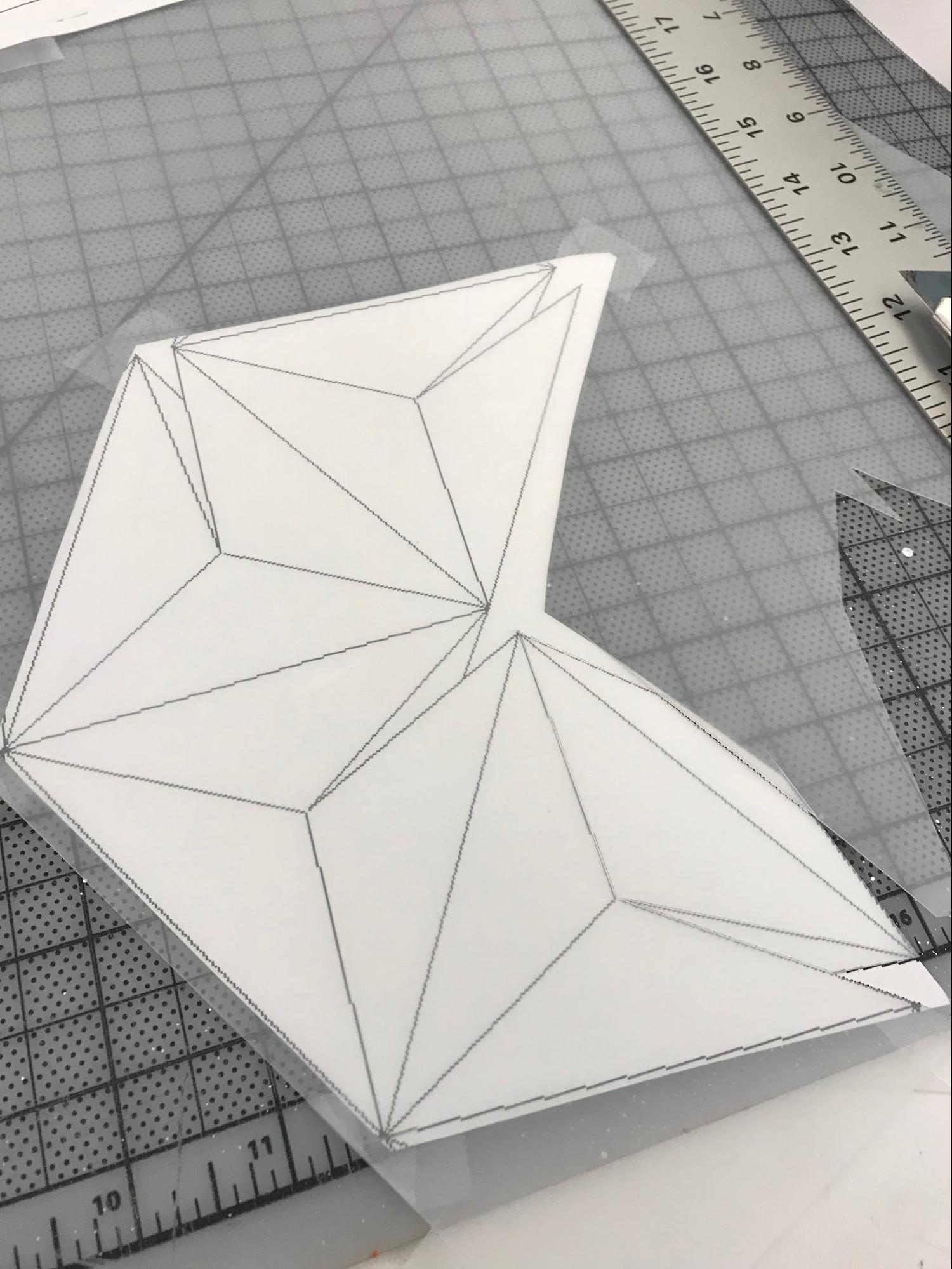
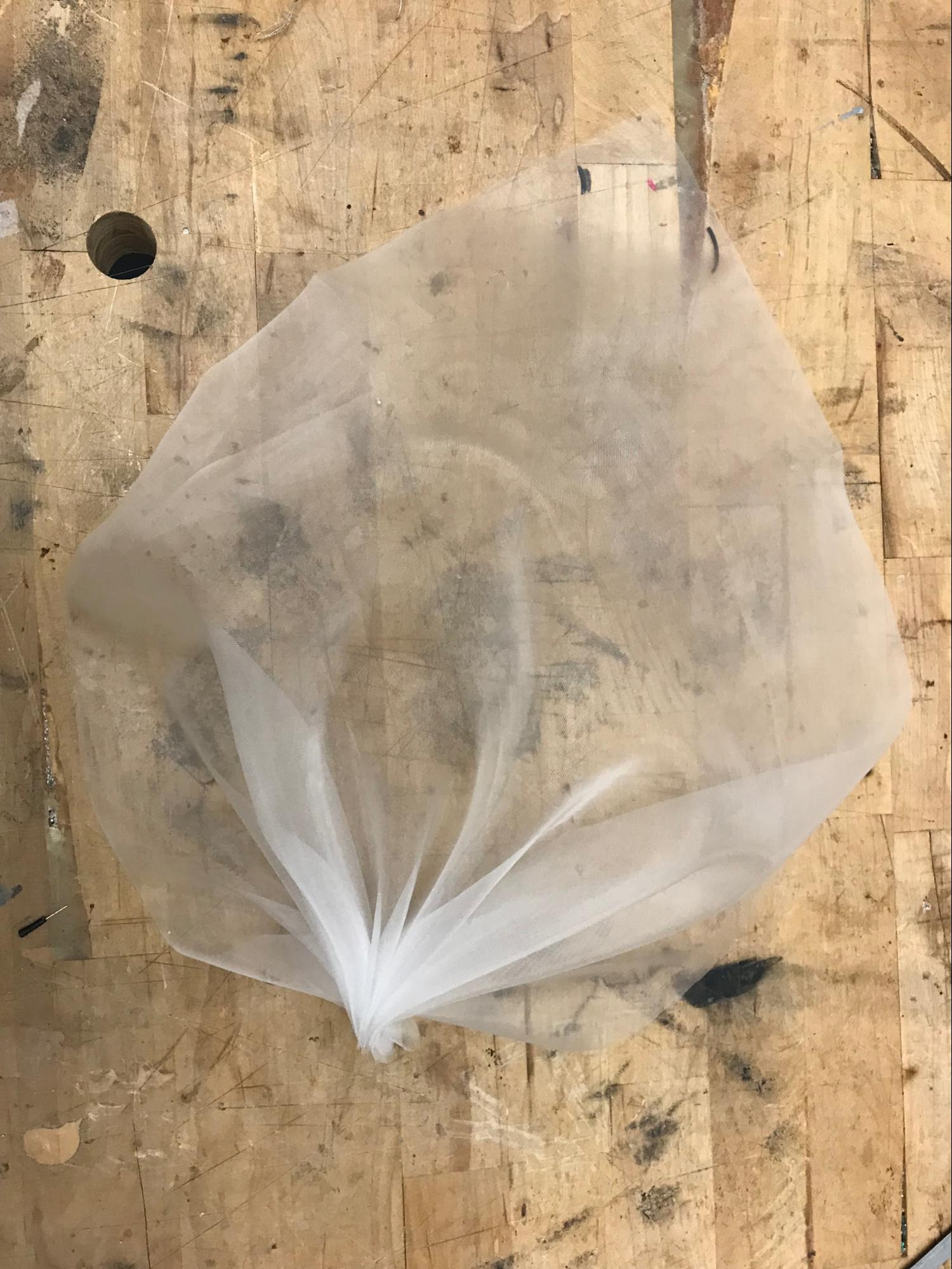
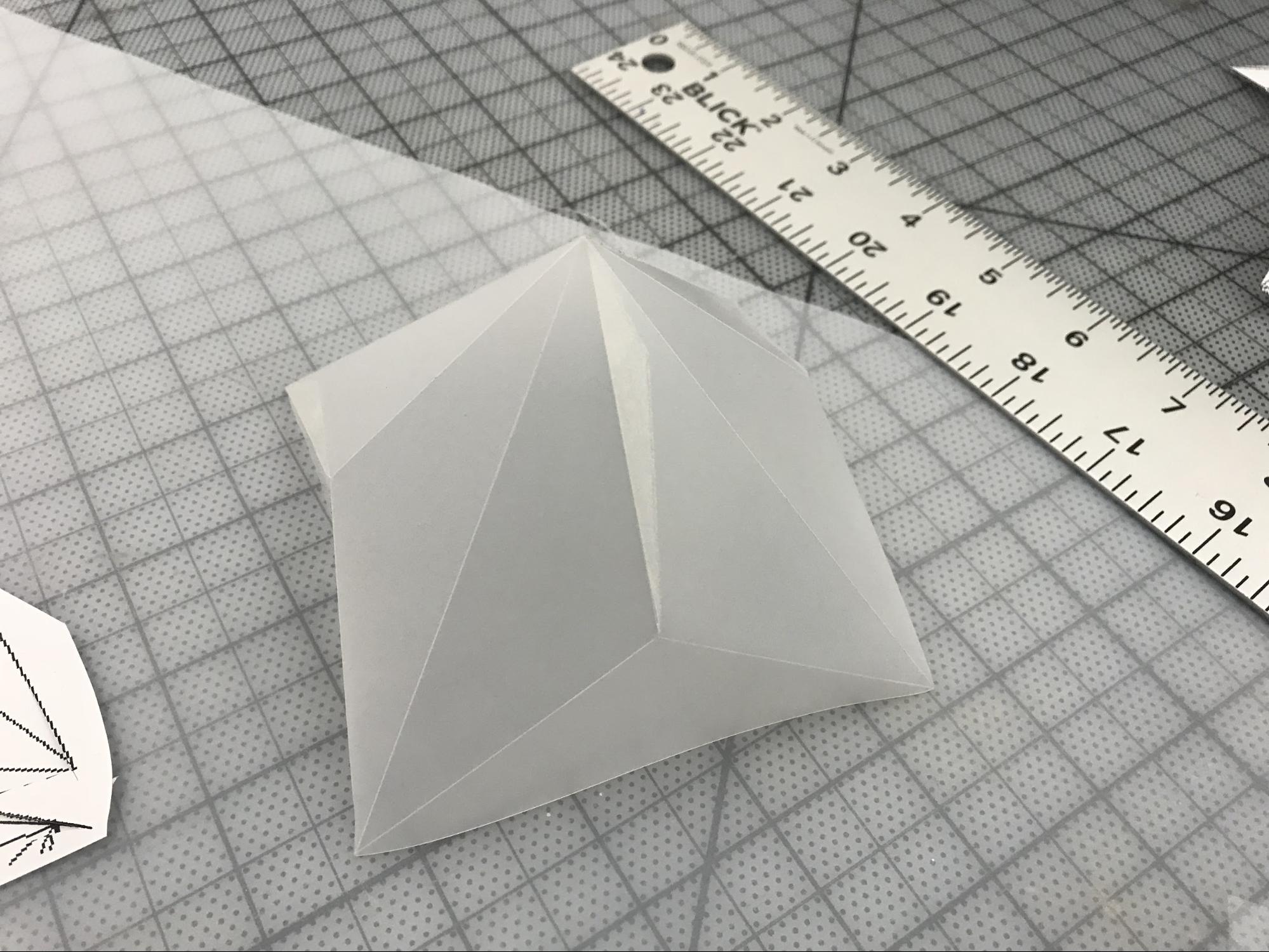
We also made 2 diamond shoulder pieces to contain the batteries and the Arduino UNO, and covered them with tulle to make the appearance softer.

Circuit


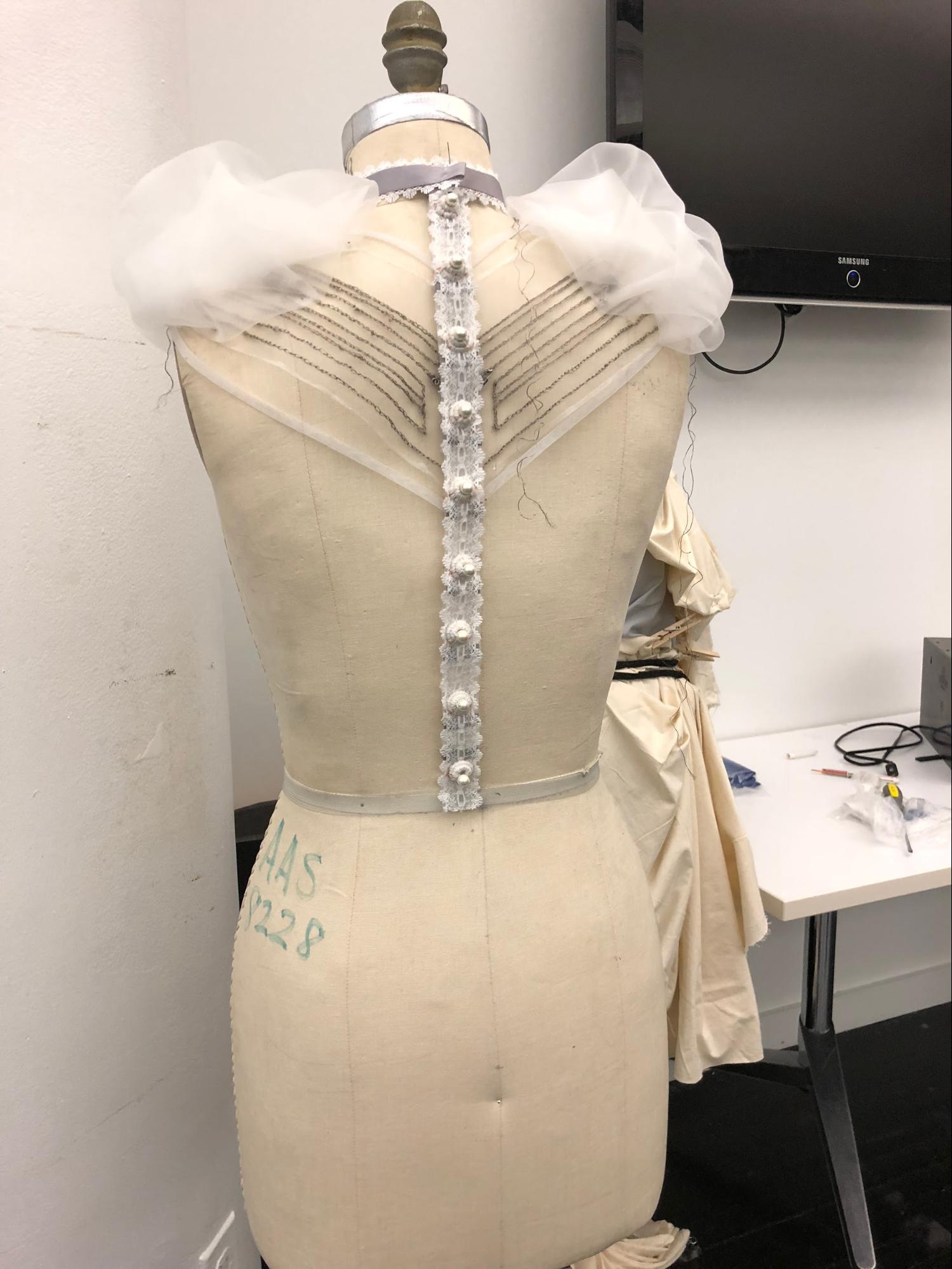
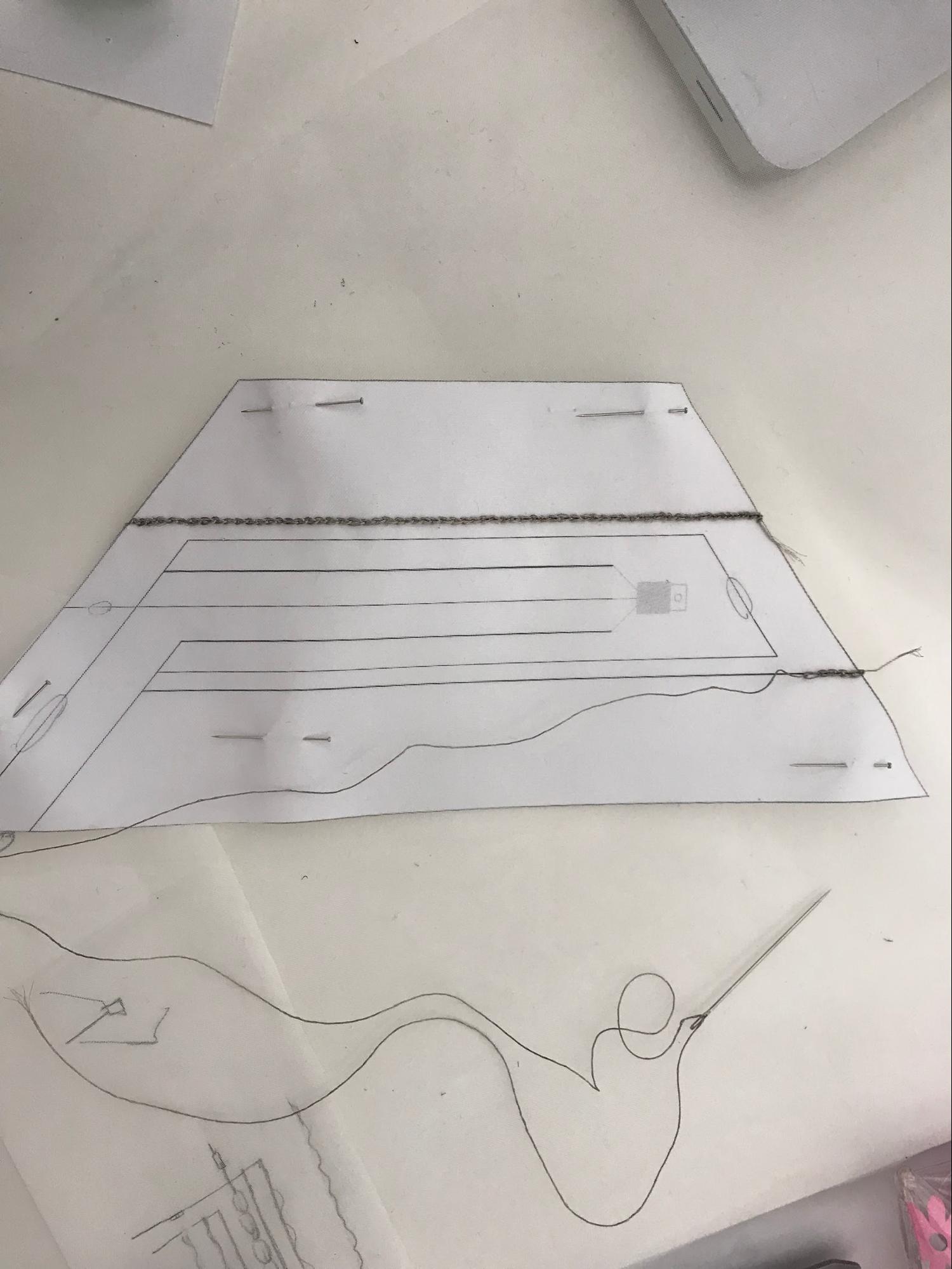
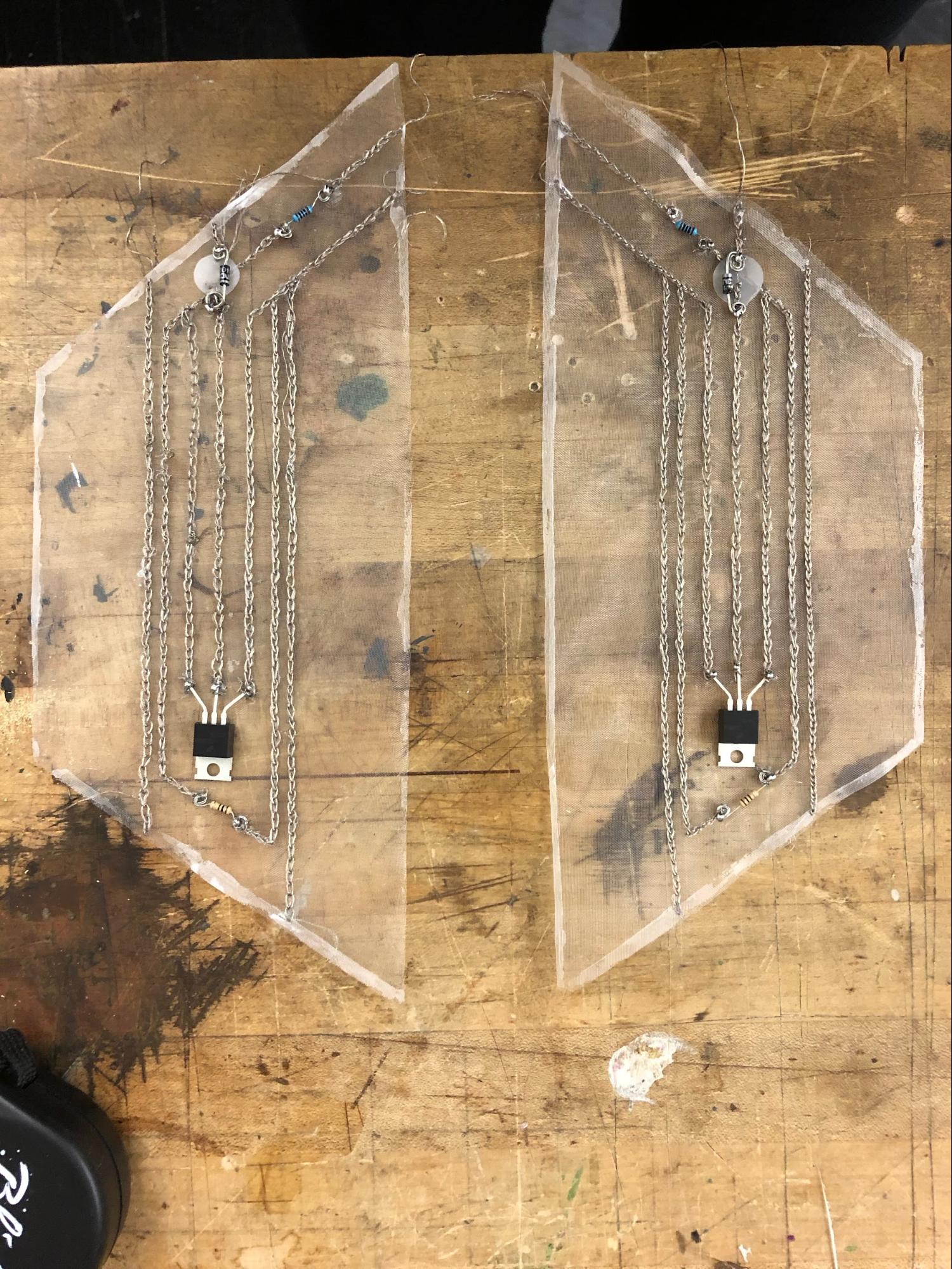
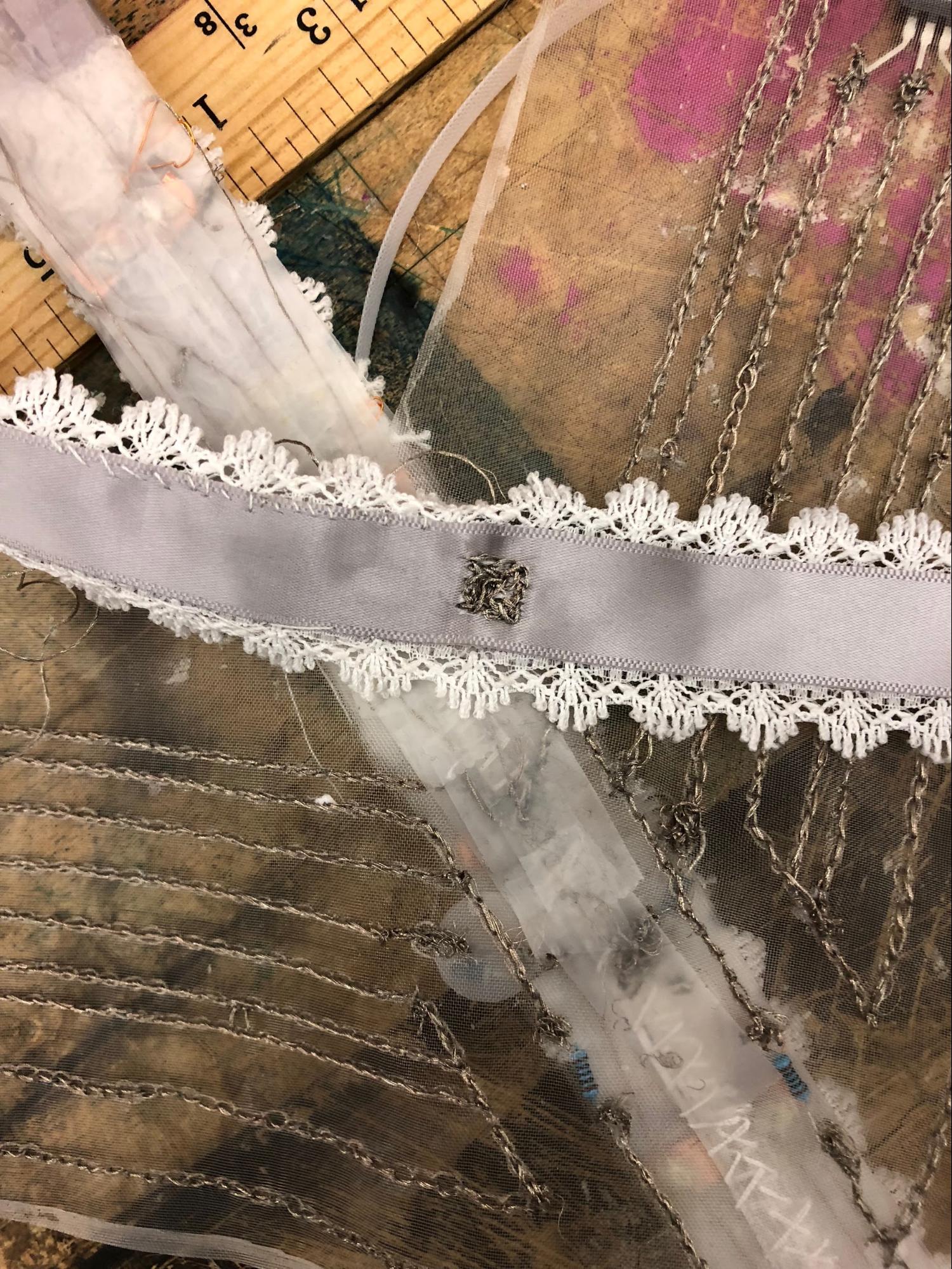
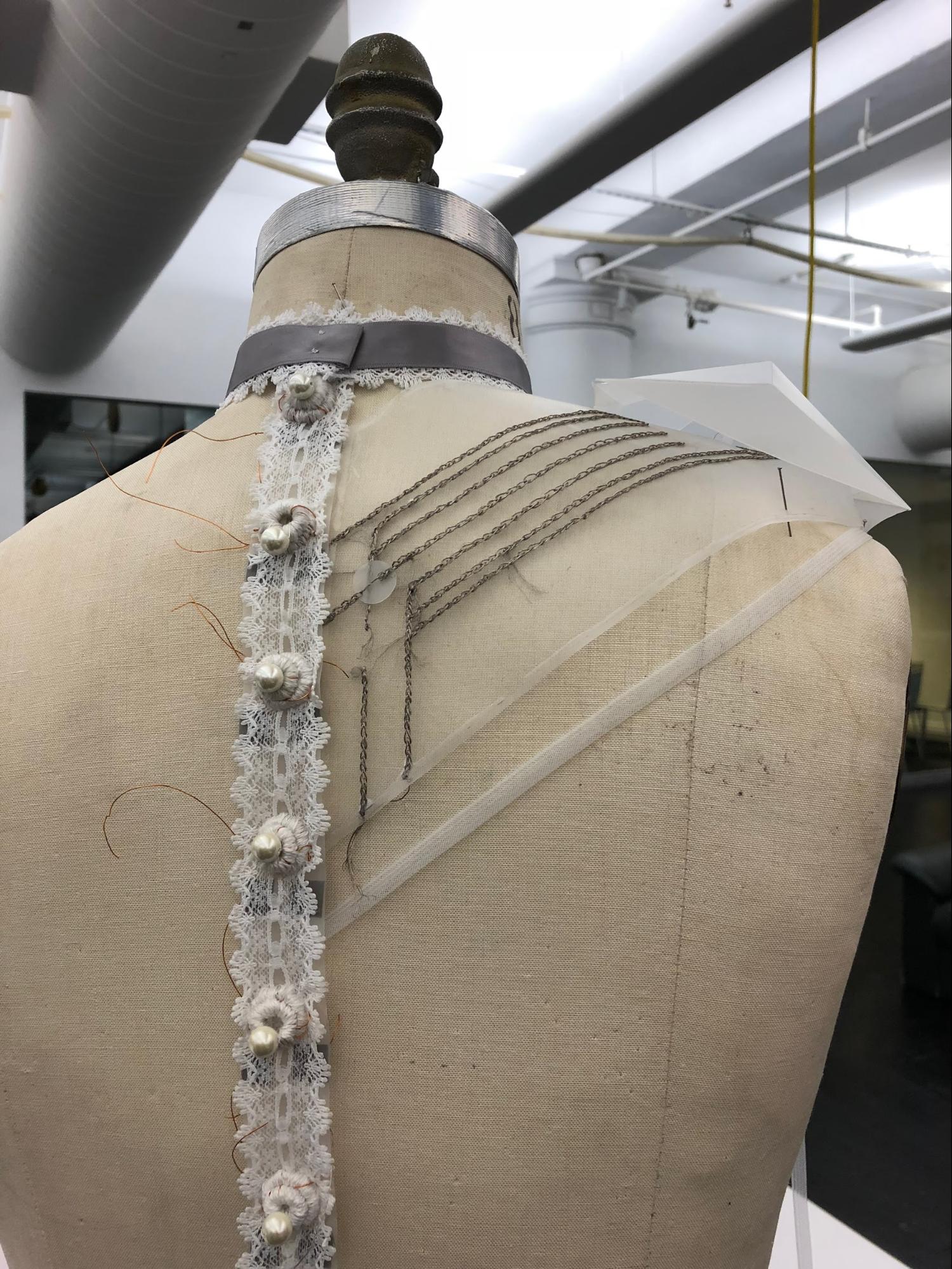
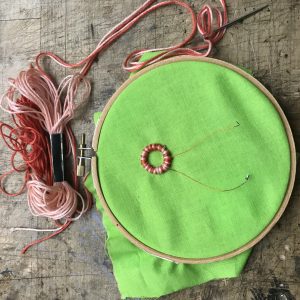
We also began to embroider the circuit into another piece of tulle in order to make it part of the back piece, as well as ease of access to connect to the batteries and Arduino on the shoulder.

Back piece


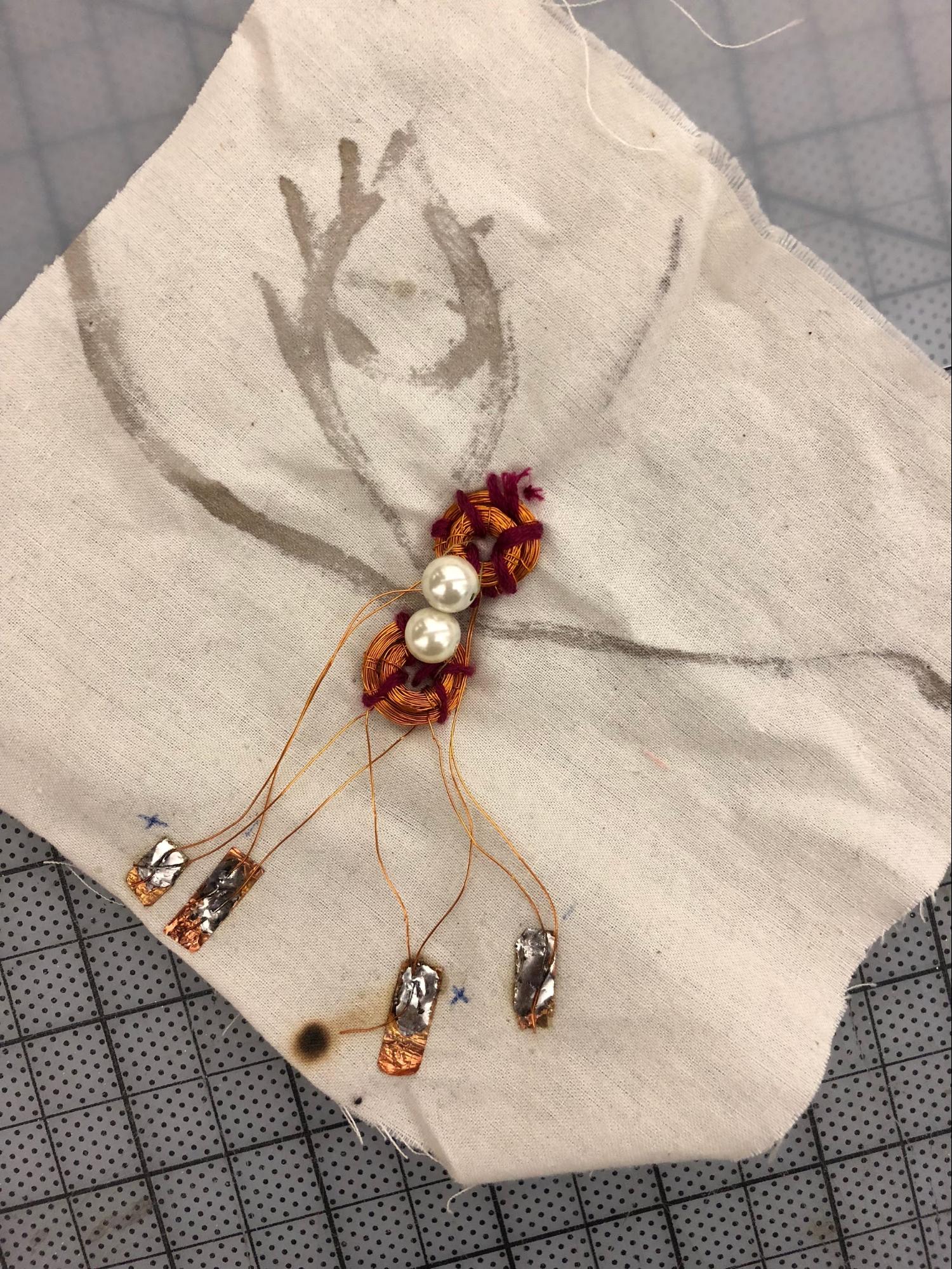
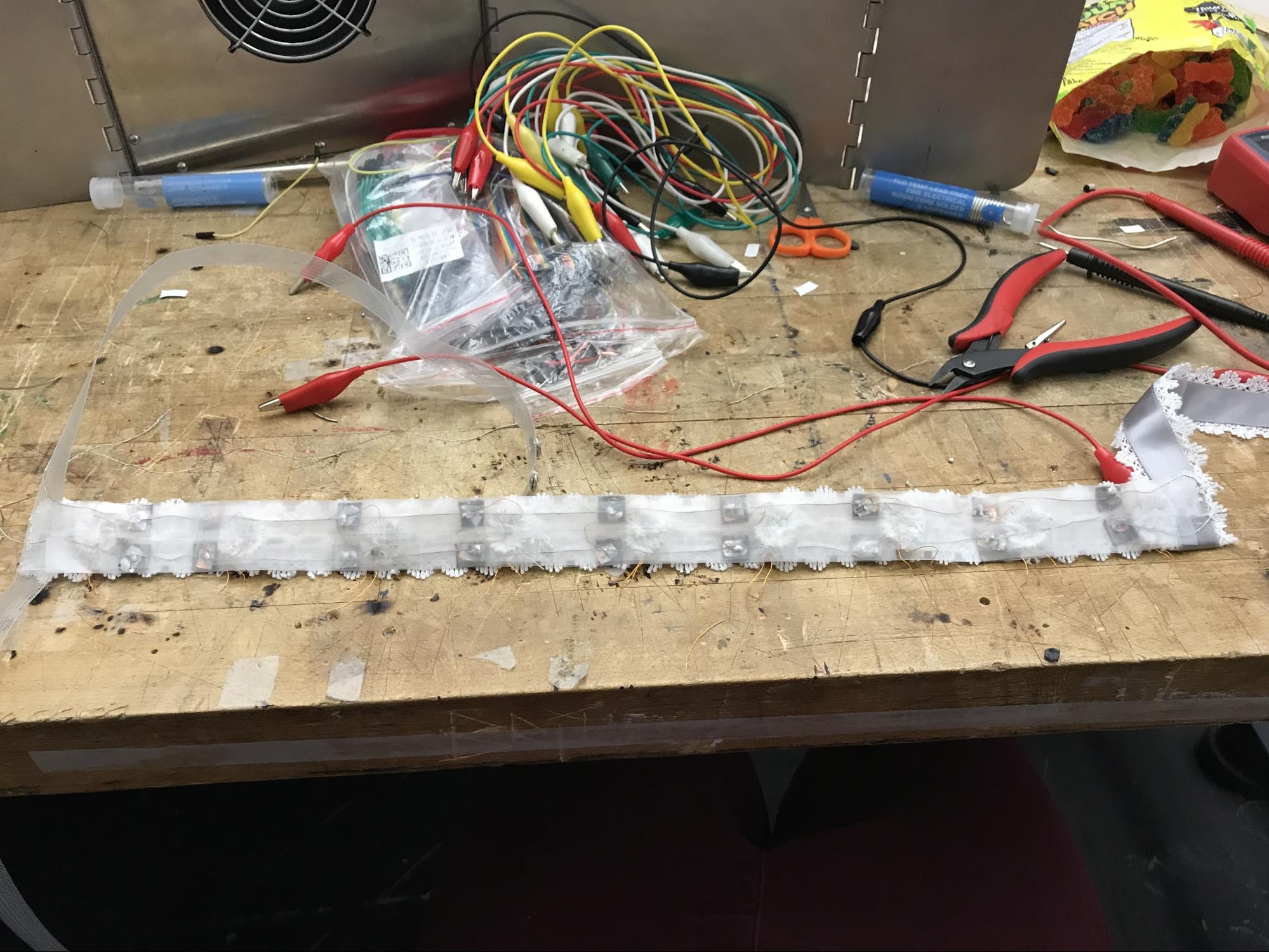
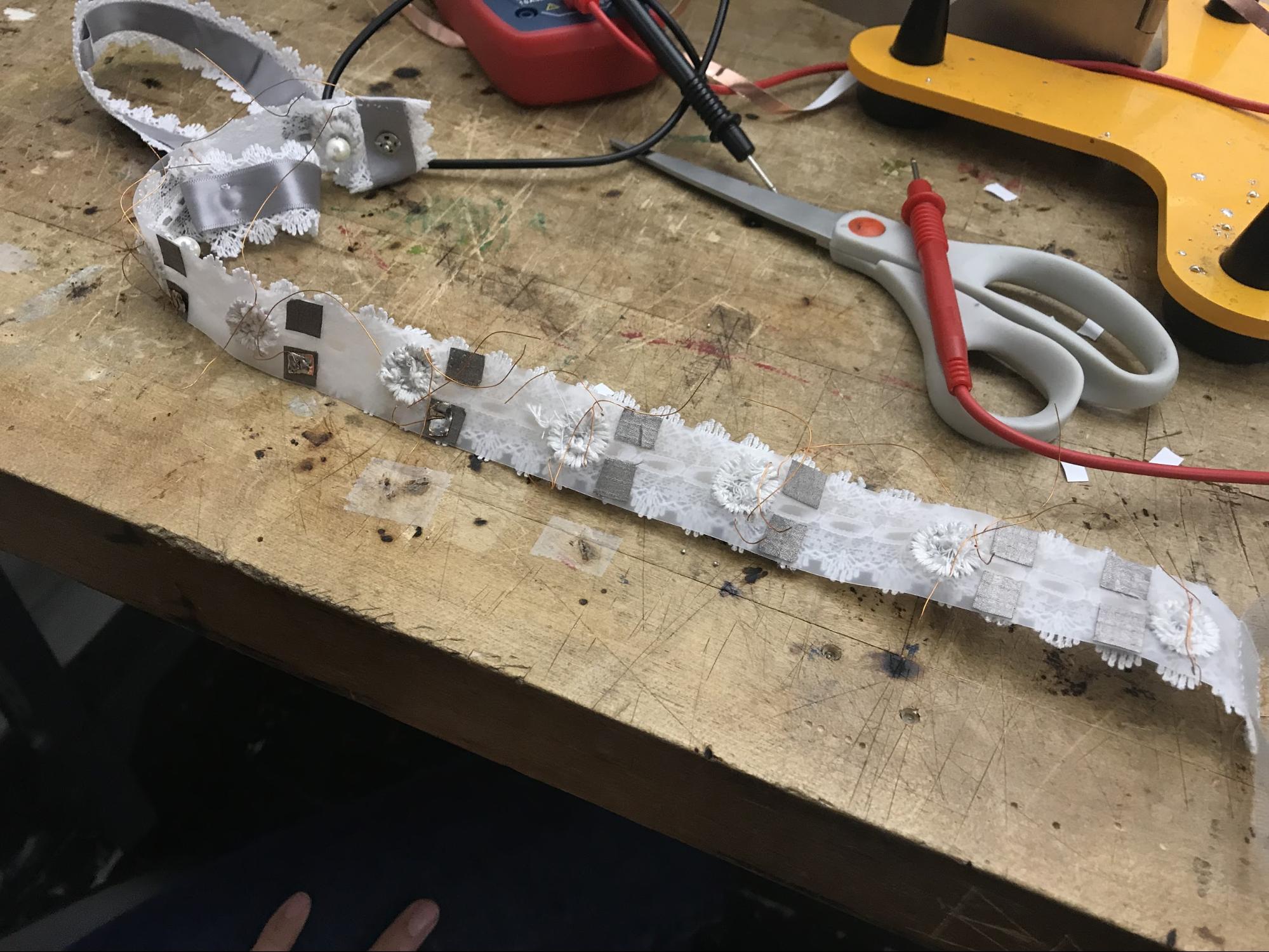
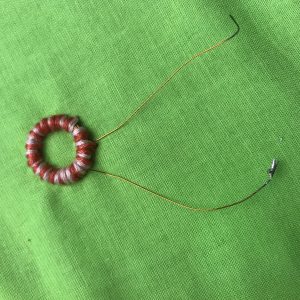
We attached the coils onto the lace with a plastic band to secure the movement and make sure the lace won’t break in the process of testing. We soldered the coils and attached them onto conductive threads. All top coils attached to left side of the circuit and all bottom coils are attached to the right side of the circuit.

Capacitive sensor

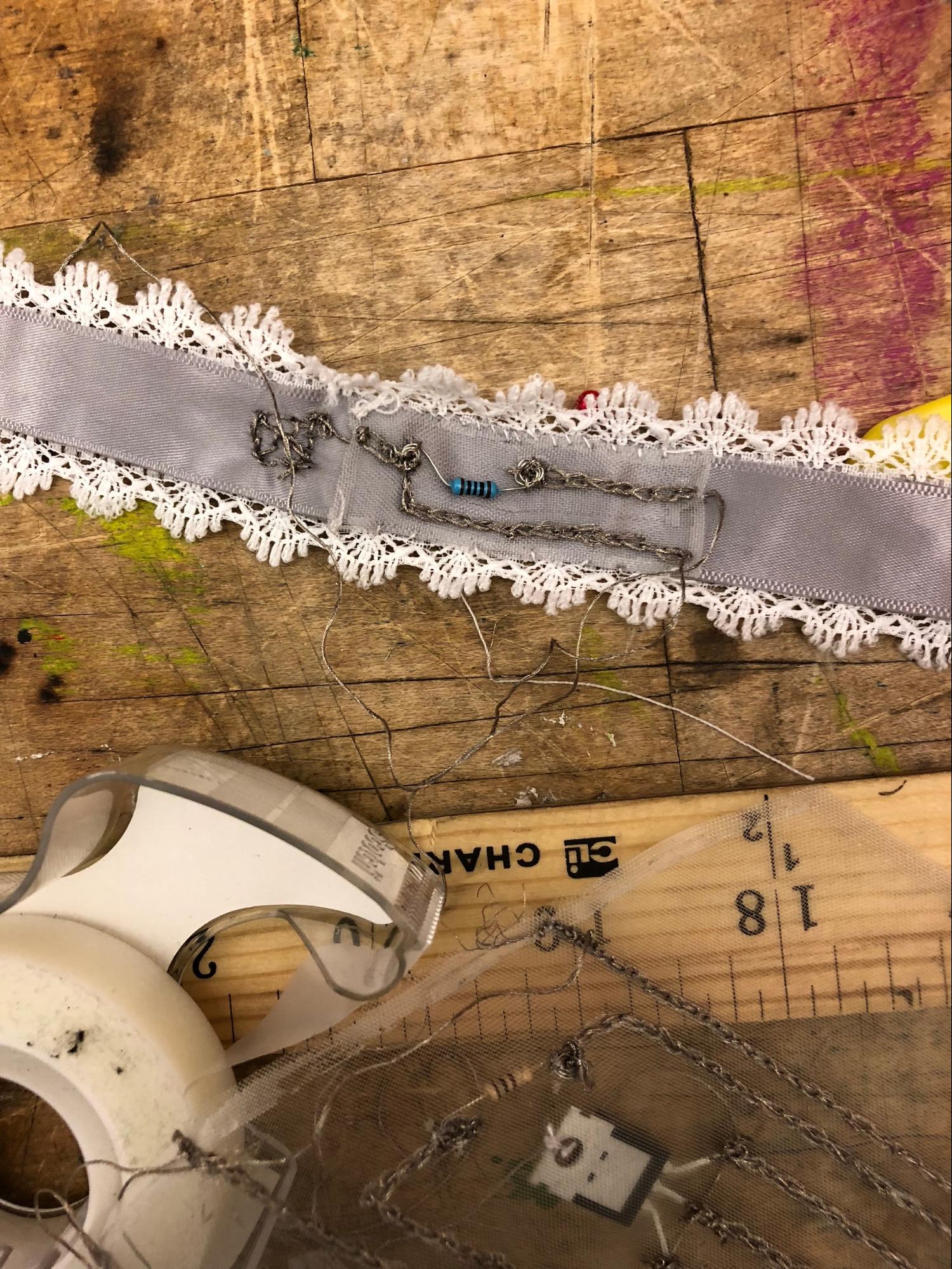
We also made a capacitive sensor onto the front of the choker and connected it to the Arduino through the back.

Assembling


Technology

Final Prototype Sketch

Circuit Sketch

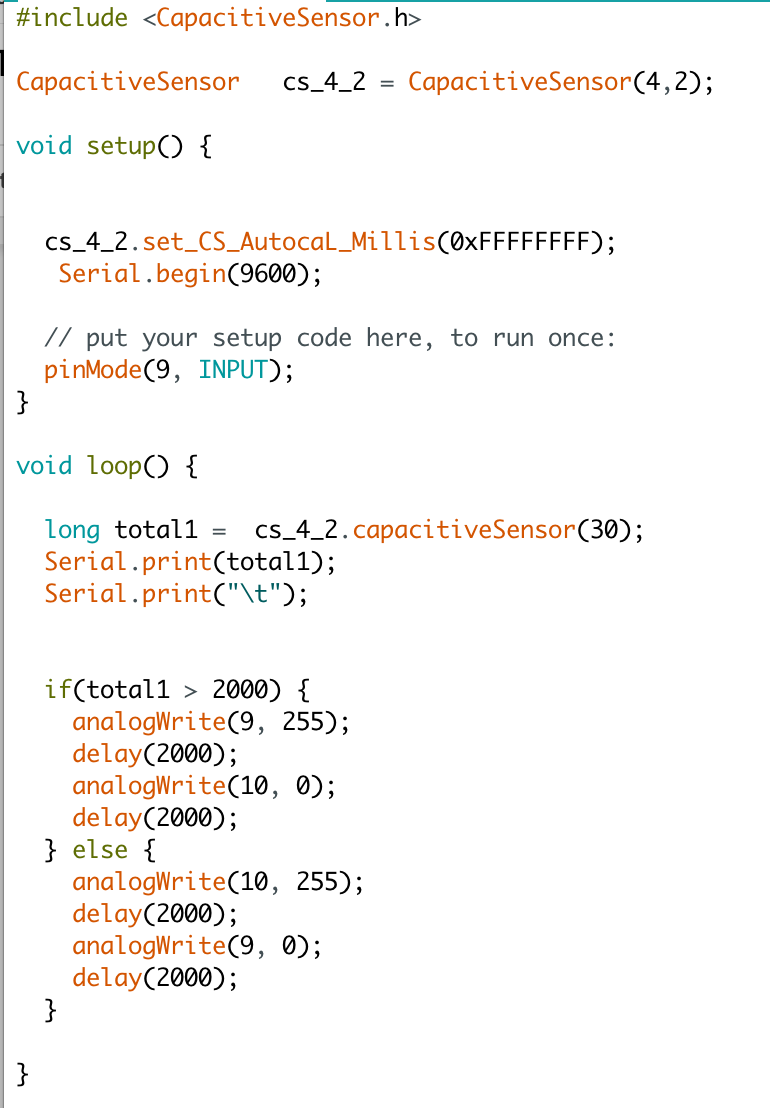
Code

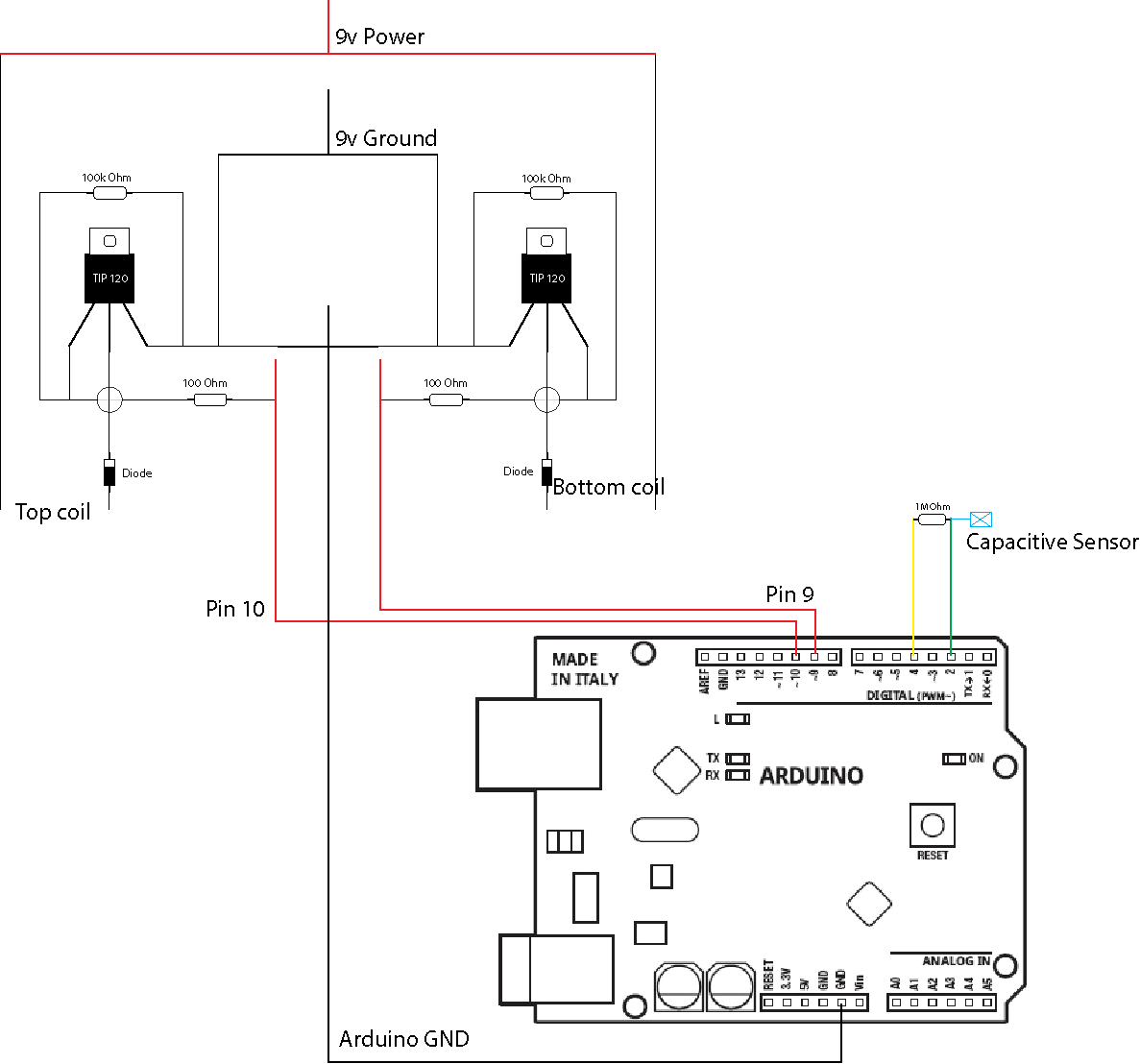
We used Arduino UNO and 2 9v batteries to power up the flip dots and capacitive sensor. There are 2 coils under each magnetic bead to facilitate the switching of power to activate the flip dots. The top coil would be controlled by one transistor and the bottom coil by another transistor. If the capacitive sensor is activated, then the top coil would activate and make the flip dots move downwards. Otherwise, it would remain upwards.

We had a lot of issues finding out how to power the 9 flip dots, as we were able to only move 5 with 18 volts of power. Once we tried applying more power, the conductive thread start sparkling at certain parts. One assumption we had is that there is too much resistance towards the tail of the back piece, making it hard for electricity to pass through. Another issue could have been that the sewing of the magnetic beads was wrong, so it is unable to move.

Final Outcome

Future Steps

We want to continue working on this project in order to make it a fully functional prototype. Moreover, the overall design of the exoskeleton made it difficult to test while assembling, so we need to rethink of a new way to allow the testing to be done while soldering the backpiece.

[FINAL PROJECT] Syndi

As the world around us swiftly changes to include data structure beside cityscape, so do we. Humans are made of flesh and bones, but are identified by our data. It consists of, but does not limit to, our location history on Google Maps, our friend list on Facebook and the different levels of how we interact with those friends, and our shopping habits and order history. Data isn’t visible or tangible, but it can surely have a physical impact on each of us. Therefore, I want to create something to remind people that our data is worth paying attention to and protecting for just like our physical bodies. In order to that, I want to represent data in a physical form that can attach to a human body to represent its weight and therefore remind about its importance. I name it Syndi, a wearable technology that acts as a bridge between the two identities or a portal from the physical to the digital worlds.
The dual aspect of the modern human being, as I mentioned, came from two realities: the reality that we live and breathe in, and the one that exists inside our smartphones. We are constantly pulled away from one reality to another, with just a touch to open a cellphone or by putting on a virtual reality headset. Many of us cannot take our eyes off our phones, or our laptops because of a fear of missing out important texts, or emails. We go online to connect. However we only go online to a gated community, and not yet a truly free and open one. With the net neutrality once again being at stake, going online is like disconnected from the real life in order to connect to a community that is disconnected from the rest of the world. Syndi’s second theme, disruption, will explore this dual meaning of disconnection as the user constantly switches from one reality to another.
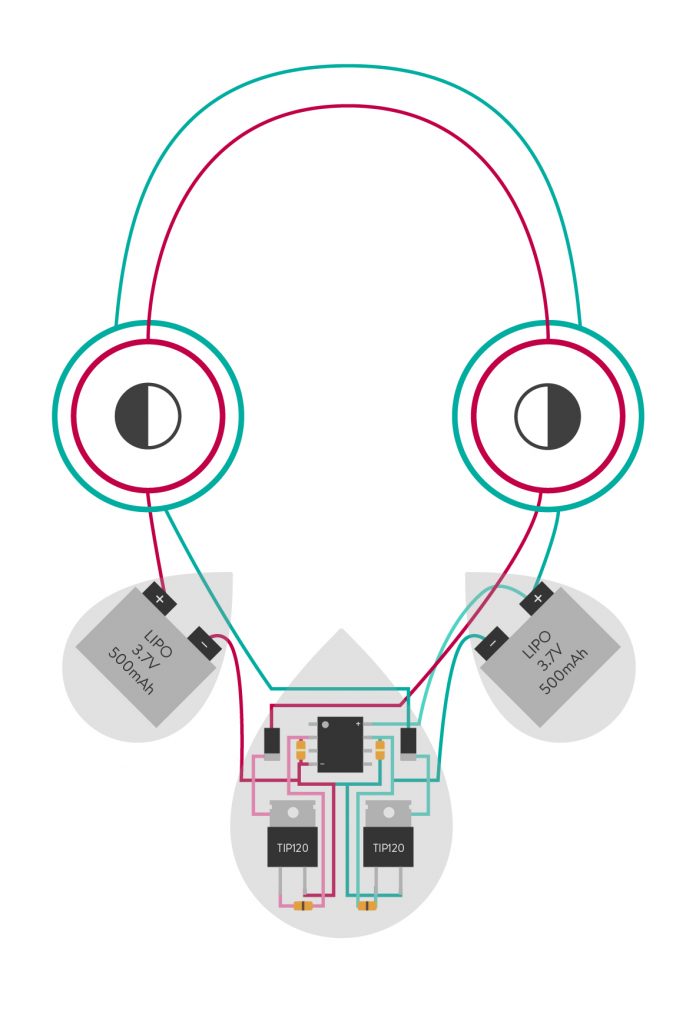
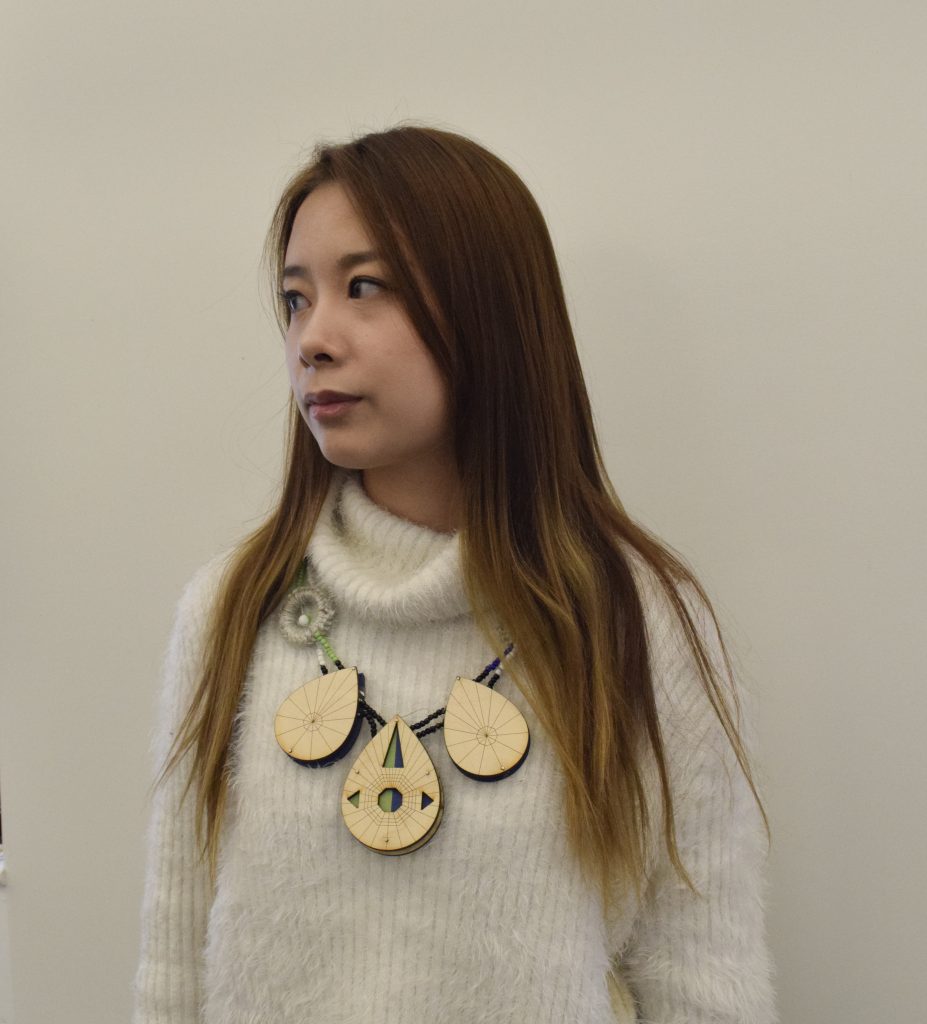
Syndi is a necklace that is made of two magnetic flip dots and a custom circuit board, powered by two Lipo batteries. Every time the user receives a notification, the flip dot will create a haptic movement that only the user can feel. Ideally, it will also include a Wifi module, allowing the micro controller to connect to the internet and gets the notification from social media channels.
I originally thought of making a necklace that lights up with each received notification. Nonetheless, as I thought more about it, I want Syndi to be an introspective project that makes the user think. With LED, it’s more about what other people can see while the wearer don’t necessarily feel the impact unless he or she is in a dark room. With flip dots, user can feel the haptic movement and can be reminded of the constant calls for attention from the digital world. The necklace’s tangibility, on the other hand, reminds the wearer of this physical reality. This product is made for tech-conscious minds like me, or people who want to be reminded of the impact of technology. Syndi is not meant to scare anyone. It doesn’t warn its user of any dystopian future, or stop them from going online. It only acts as a guardian between the two worlds. With Syndi, I hope that its user can think of the data that they emit and the limitation of each reality that they inhabit. After a period of using Syndi, I want the user to consider how and whether it is possible to consciously choose to stay in one reality despite the constant notifications and disruptions from others.
Throughout this project, I learned how to work with flip dots although I’m sure there’re still a lot to learn about this medium. I wish to connect Syndi to the internet using a wifi module and find a better power solution to reduce the size of the statement so that the necklace can have more flip dots.

Material list:
  1. Magnetic beads (2)
  2. Magnet wire
  3. Yarn & Crochet needle
  4. Large-hole beads
  5. Conductive thread
  6. Non-conductive thread
  7. ATtiny85
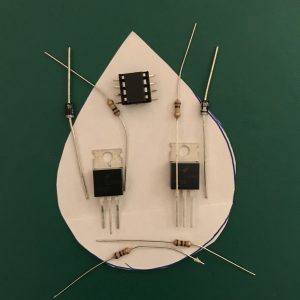
  8. Transistors (2)
  9. IN4001 Diode (2)
  10. 100K Ohm Resistors (2)
  11. 100 Ohm Resistors (2)
  12. 3.7V 500mAh Lipo batteries (2)
  13. JST sockets (2)
  14. Laser-cutable wood
  15. 120gsm papers: 2 colors green & blue

Tools:

  1. Soldering iron
  2. Soldering wire
  3. Laptop
  4. ATtiny programmer board (optional)
  5. Wire cutter
  6. Glue gun

Step-by-step:

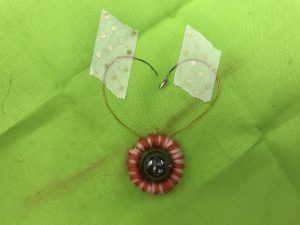
  • Step 1: Make the two flip dots by creating 2 coils (each consists of at least 50 rounds) out of magnetic wire. Use extra wire to secure the two coils together. Use a non-conductive thread to tie a magnetic wire in between the two coils.
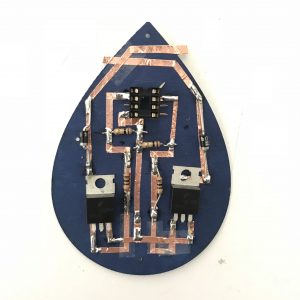
  • Step 2: From this point on, refer to the schematic below. Connect the two flip dots according to the schematic. Tip: connect the bottom coils to each other, and the top coils to each other. 
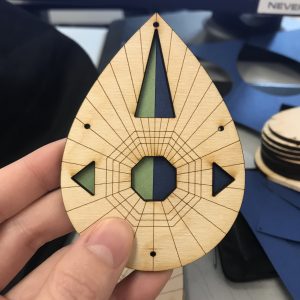
  • Step 3: Laser cut the statement piece and the paper. Here I chose the tear drop shape to compliment the round shape of the flip dot. But the statement can take any form.
  • Step 4: Use the programming board to upload the below code to the ATtiny:

void setup() {
// initialize digital pin LED_BUILTIN as an output.
pinMode(2, OUTPUT);
}

// the loop function runs over and over again forever
void loop() {
digitalWrite(2, HIGH); // turn the LED on (HIGH is the voltage level)
delay(2000); // wait for a second
digitalWrite(2, LOW); // turn the LED off by making the voltage LOW // wait for a second
digitalWrite(3, HIGH); // turn the LED on (HIGH is the voltage level)
delay(2000); // wait for a second
digitalWrite(3, LOW); // turn the LED off by making the voltage LOW // wait for a second
}

  • Step 5: Solder in the ATtiny, Transistors, diode, resistors and JST socket and connect the statement to the rest of the necklace
  • Step 6: Plug in the battery and watch the flip dots flip!


RUOSHUI WU’s Takeout LAMP Midterm

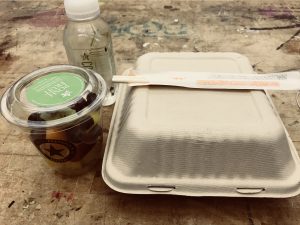
    Takeout LAMP


I got the inspiration for doing this project base on my daily observation. During today's life if trying to find a target to describe it with no doubt high speed will definitely be one of it.
 We enjoy multiple changes every day like the born of the new technics.It changes our original way of meeting friends also dating and learning even working.


But as Dale Carnegie said that,"Every story will normally have two sides." that means it is an important technique to very thoroughly look at 'things' and rationally analyze it. With no doubt, modern lifestyle can bring countless convenience meanwhile It is also the main reason let the most original and also valuable things despaired.

The take out lamb is base on this, singly about food people who live in the city already get used to taking out, sadly they forget the interesting part of home cooking making food and enjoy it with friends or family together. It is not only will be the missing of home cooking only. This is more about the missing of the original way of family time, friends getting around together, and the culture of food.

Sometimes times people during today really should get slow down about their lifestyle and try to filter a little bit or even just think twice about the ‘new things’.