This week i created a triangular shaped speaker pattern with 8 layers of copper tape, i discovered that the amount of layers and the roughness of the paper will affect the sound and the intensity of the volume.
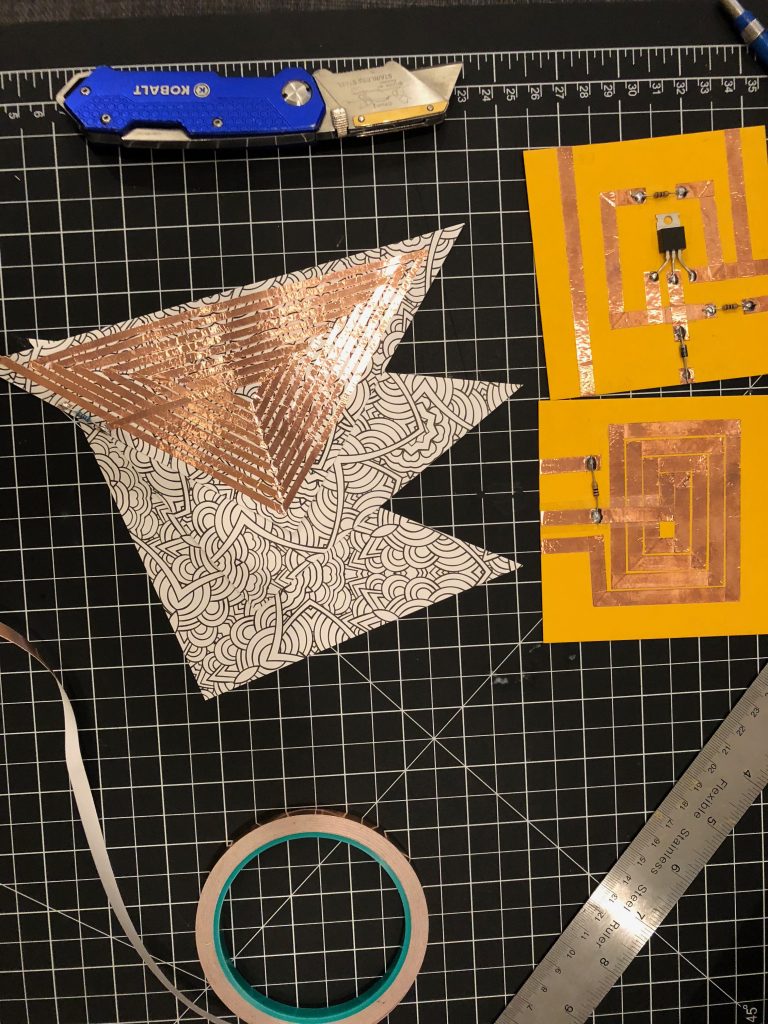
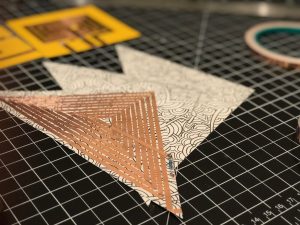
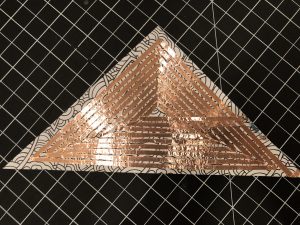
This week i created a triangular shaped speaker pattern with 8 layers of copper tape, i discovered that the amount of layers and the roughness of the paper will affect the sound and the intensity of the volume.
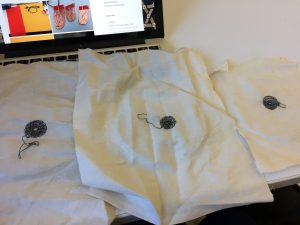
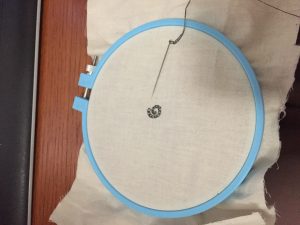
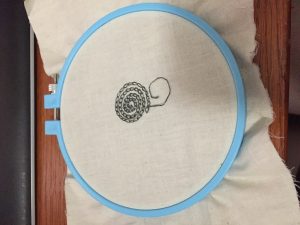
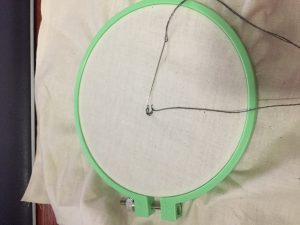
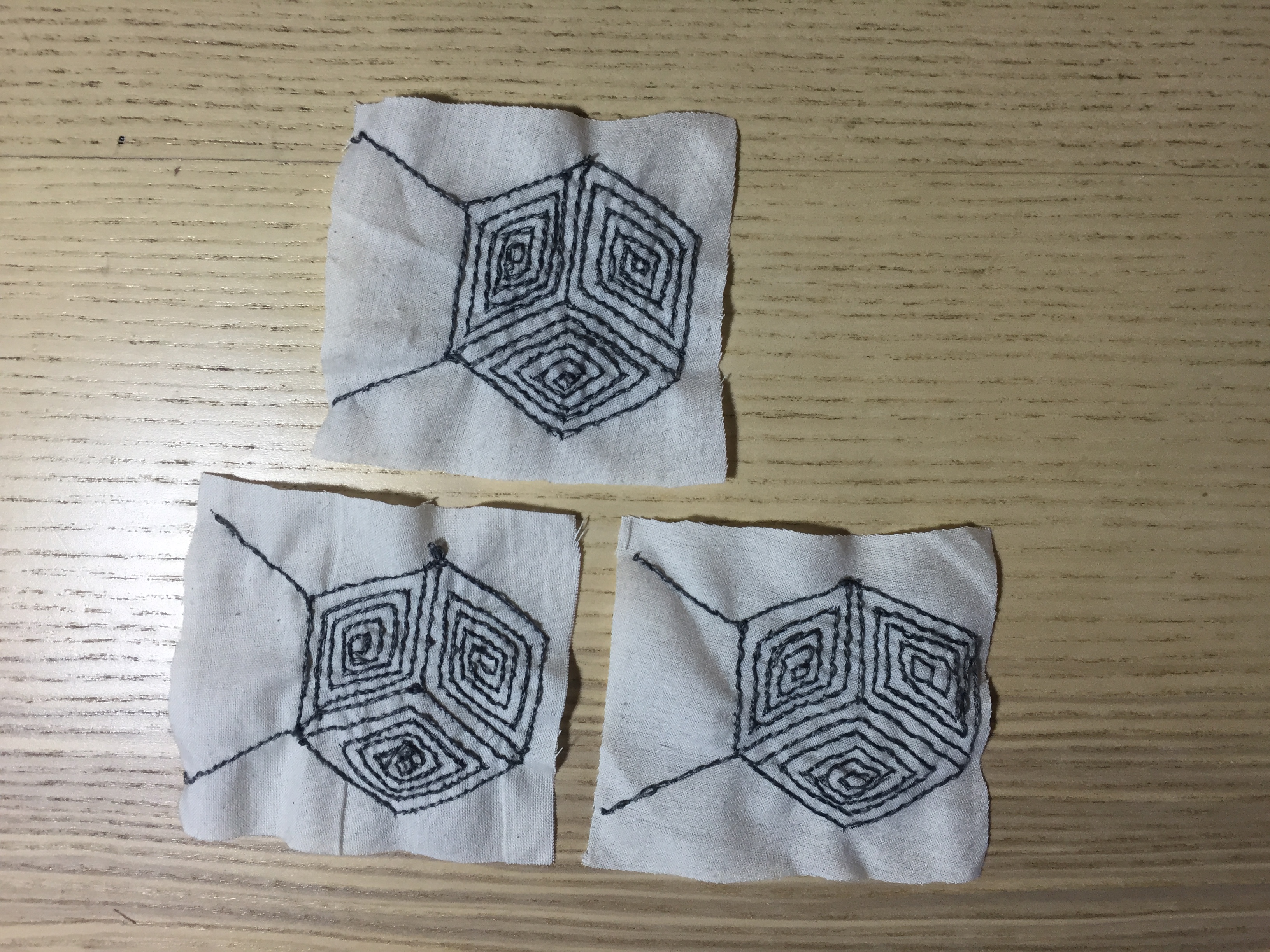
I made three speakers using conductive thread. I tested the first one I made to make sure it would work, but didn’t test the other two. These speakers ended up being pretty small because the conductive thread kept getting tangled and ripping apart.
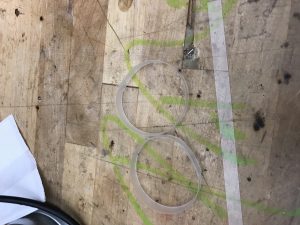
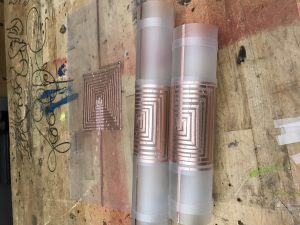
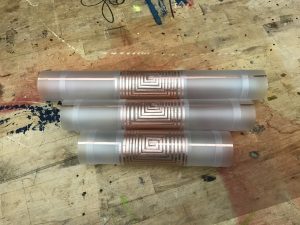
I want to make speakers for two people to hear the music so I decided to create a cylinder shape speaker with plastic sheets and tied them with plastic loops. In the three swatches, I also want to experiment the lengths of the speakers whether there is a difference in sound or not.
To check if there is a short circuit I tested with a light bulb and a battery, and it worked, so hopefully, it will be a working speaker when we test in class.
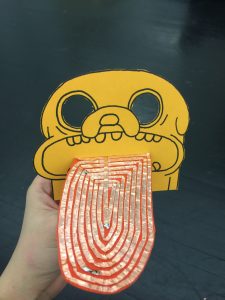
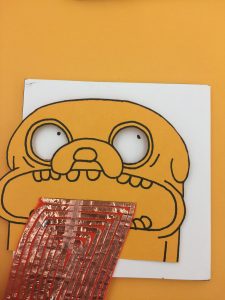
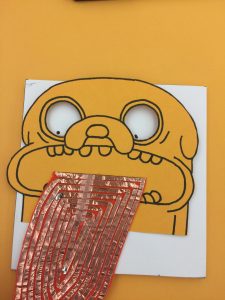
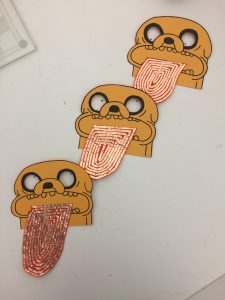
I decided to do speakers using Jake’s face. I put copper tape on his tongue, a piece of fabric and cut out his face. Yet I had no big magnets so I did not test it, hopefully it will work.
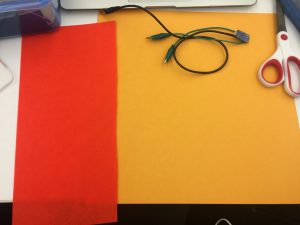
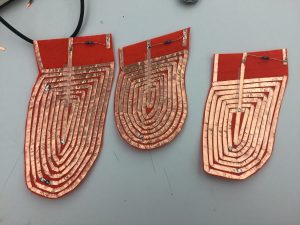
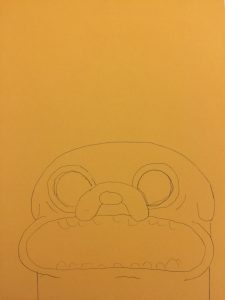
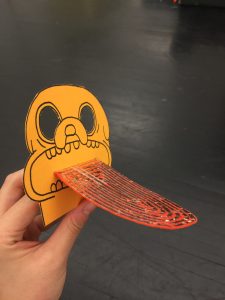
Since Jake always doesn’t have black eye balls, I cut out his eyes so that eyeballs can be drew on a paper underneath and being moved around.
For this week’s speakers, I wanted to try embroidery with conductive yarn.
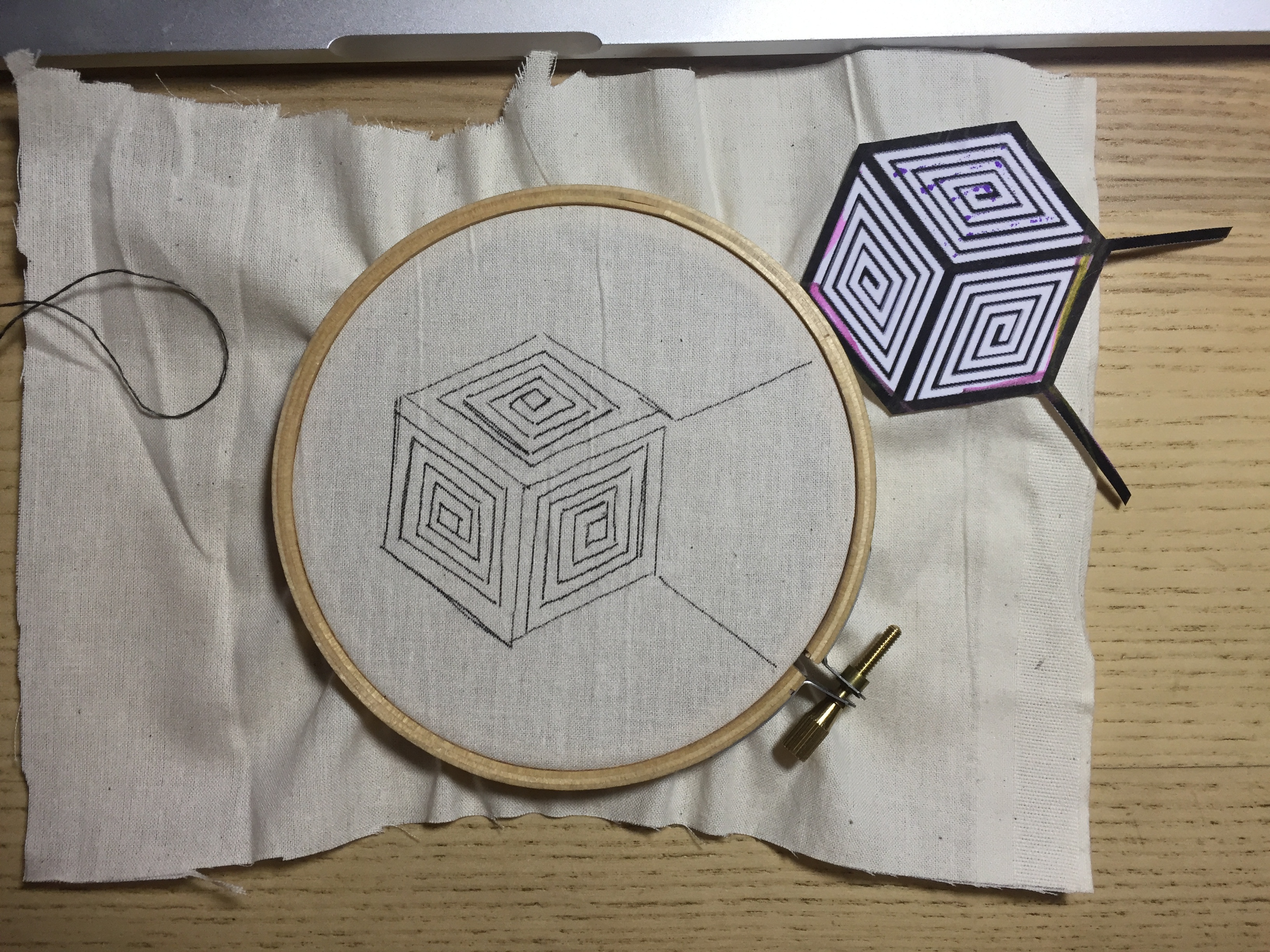
I traced a coil pattern on the fabric and then back-stiched the yarn in.
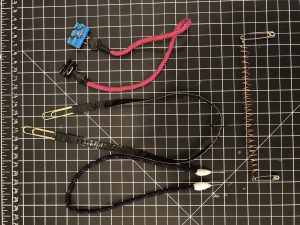
For my connectors I made two alligator clips and one with a safety pin. The second alligator clip one is constructed much better then the first, however they both work perfectly well!
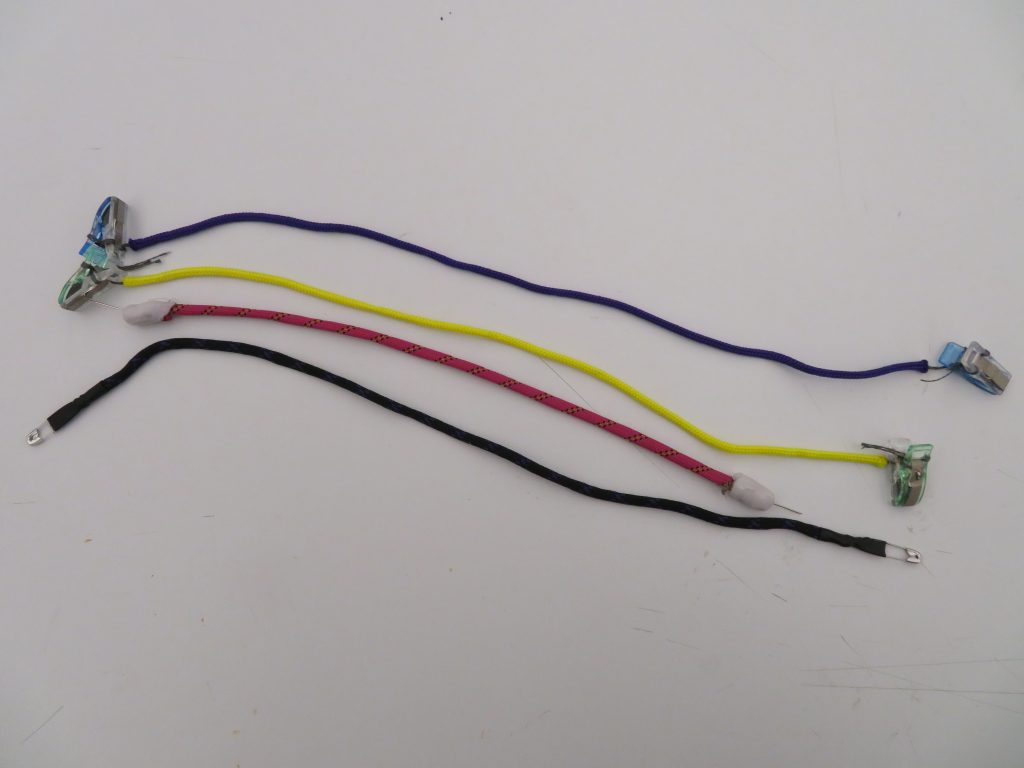
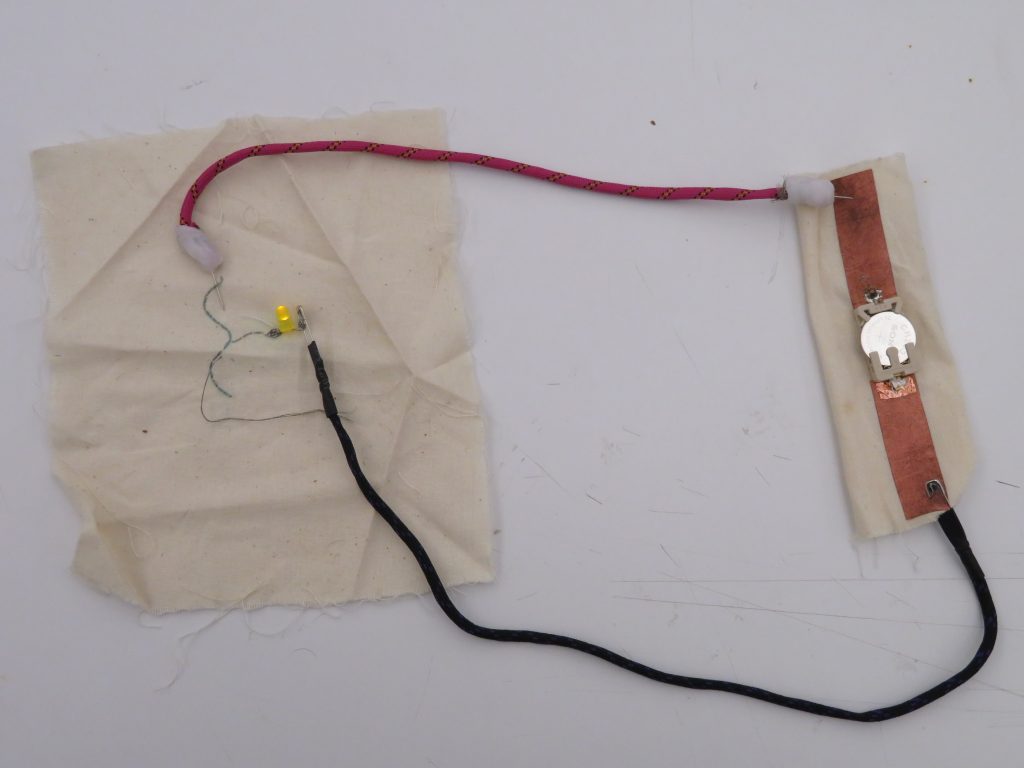
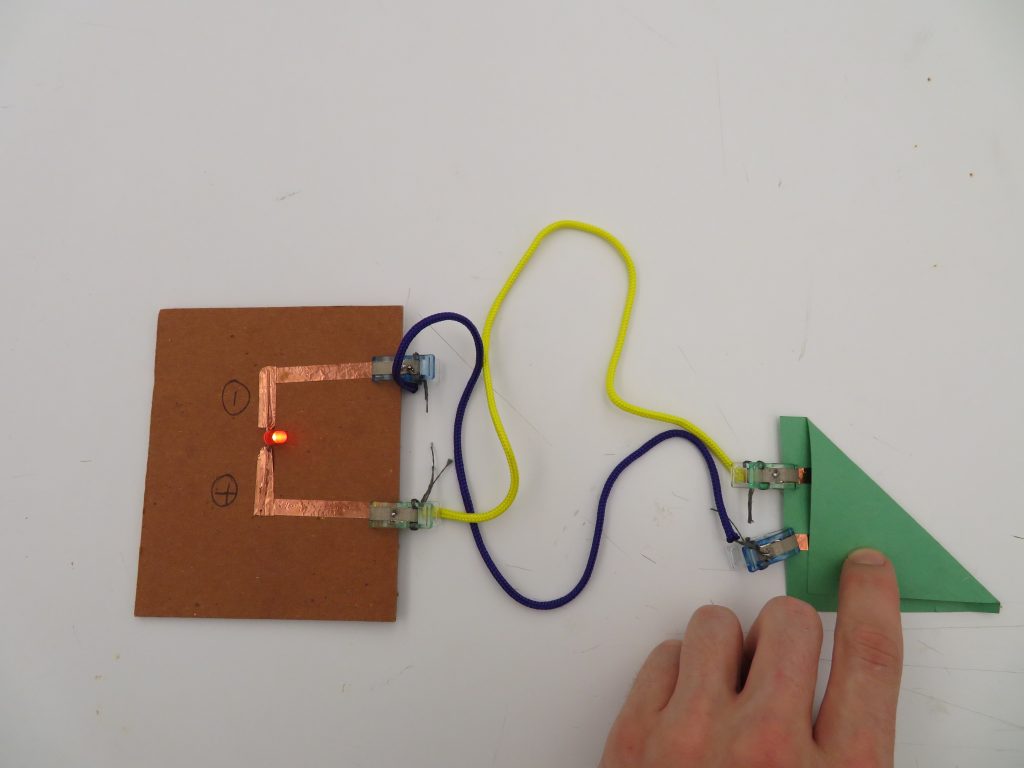
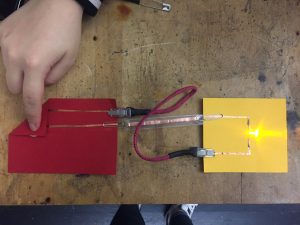
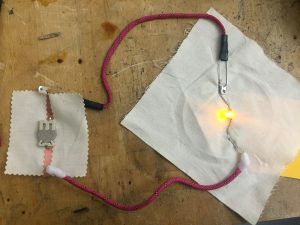
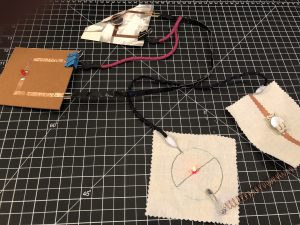
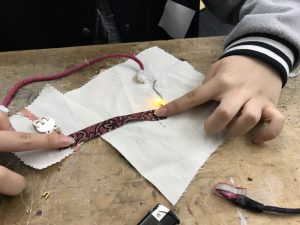
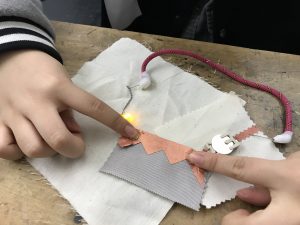
This week I did connectors from different material in order to create current between the samples with the LED and the batteries.
Material:
Dock Tape
Copper tape
Clips
Nails
Aligator clips
Copper Wire
Conductive String
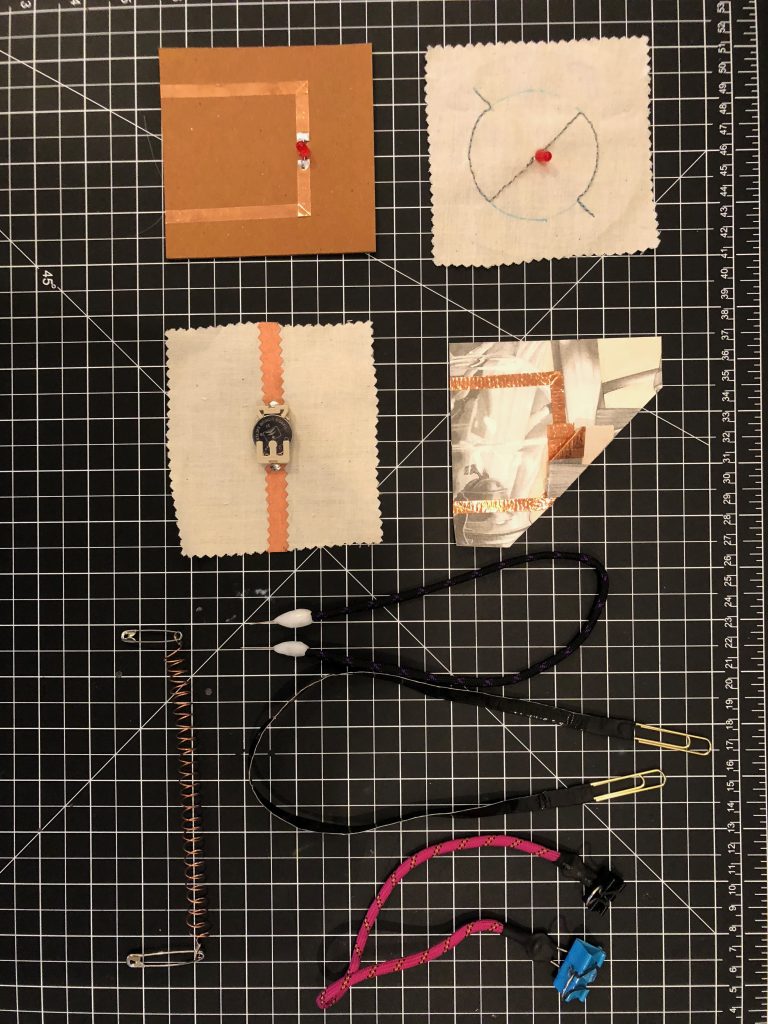
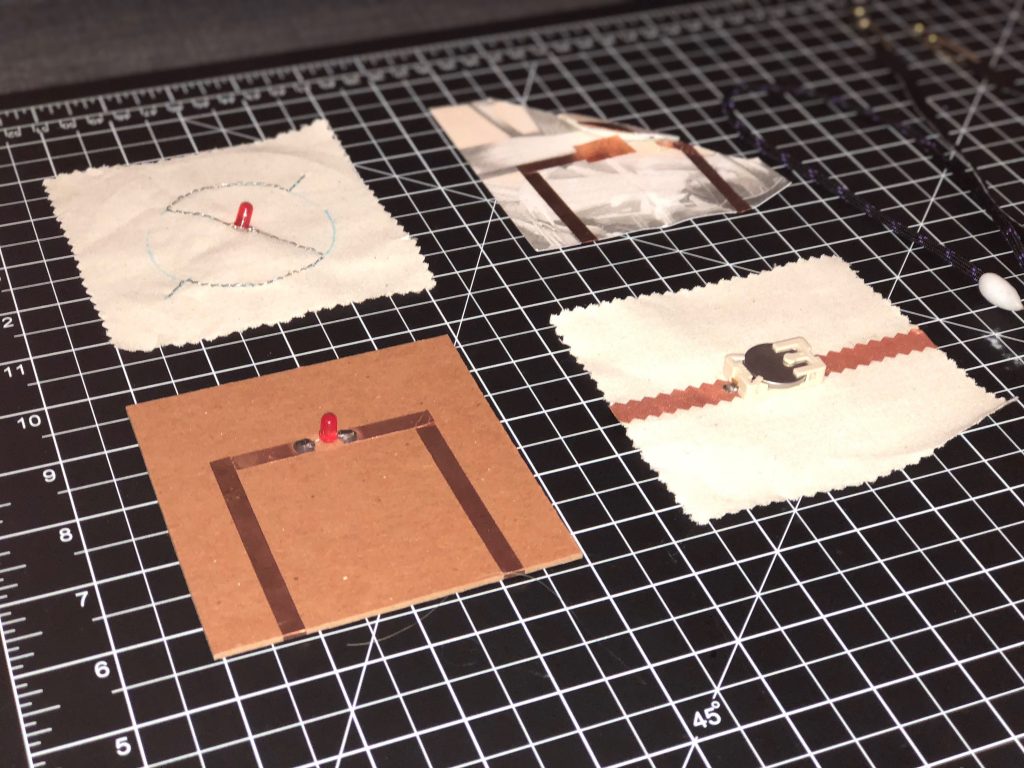
1+3 connectors:
1) Make and document 3 speaker swatches to exchange in class.
2) Bring your high current load circuit (the one you made at the end of class) next week + a 9 Volt battery.
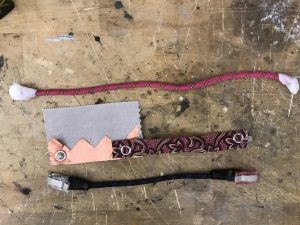
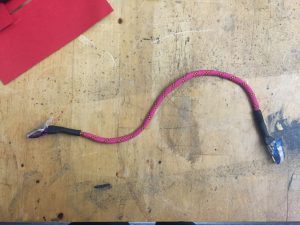
These are three connectors I made after class.
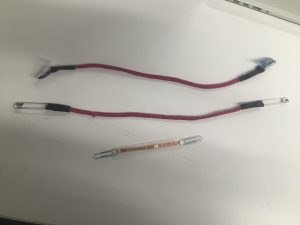
The first one is made of conductive thread, paracord, heat shrink and chip clips.
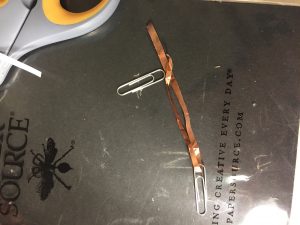
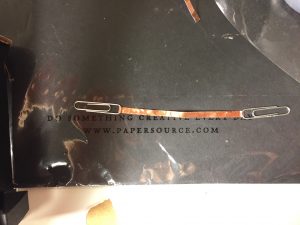
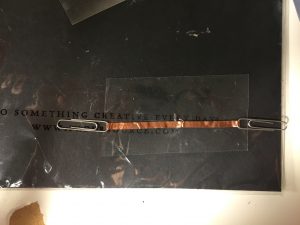
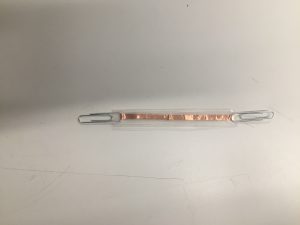
The second one is made of paper clips, conductive tape, and normal sealing tape.
The third one is made of safety pins, paracord, heat shrink, and conductive thread.
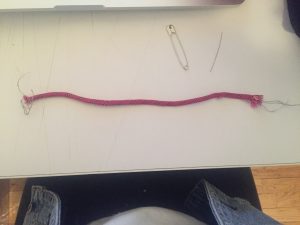
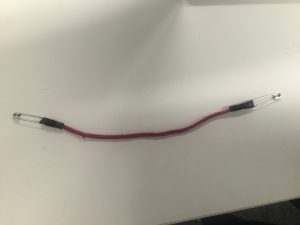
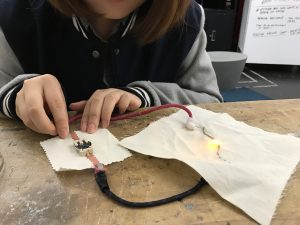
I used 4 connectors to connect my nodes and they worked.